In 2015, the Los Angeles Dodgers led Major League Baseball with a record-shattering Opening Day payroll of approximately $272 million, spearheaded by Clayton Kershaw’s $32.5 million salary. While the New York Yankees and Boston Red Sox followed as top spenders, the Kansas City Royals famously won the World Series with a mid-tier $113 million payroll.
The 2015 Major League Baseball season remains a fascinating case study in sports economics. It represented a period where local television revenue reached a boiling point, luxury tax thresholds were tested, and the gap between "haves" and "have-nots" seemed wider than ever. From the perspective of 2026, looking back at 2015 reveals how the financial strategies of that era laid the groundwork for the massive $300 million and $400 million contracts that have become commonplace today.
The Economic Landscape of Major League Baseball in 2015
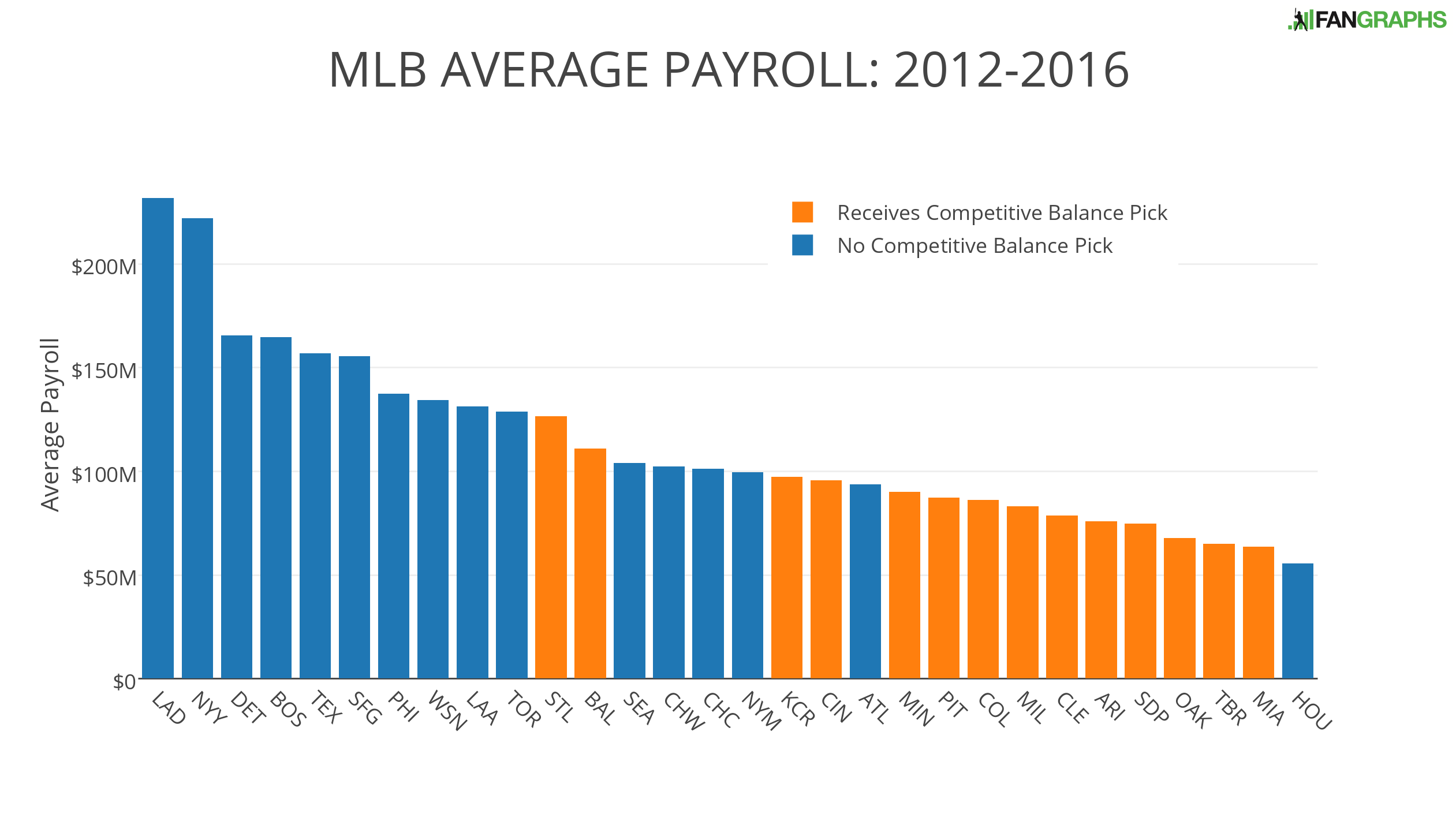
To understand the 2015 payrolls, one must first look at the collective bargaining environment of the time. The luxury tax (Competitive Balance Tax) threshold for 2015 was set at $189 million. For the high-spending Los Angeles Dodgers, this wasn't just a number to avoid; it was a barrier they intentionally demolished. By the end of the 2015 calendar year, the Dodgers had paid roughly $43.6 million in luxury tax penalties alone—a figure higher than the entire Opening Day payroll of the Miami Marlins.
The surge in spending was fueled largely by massive regional sports network (RSN) deals. The Dodgers were in the early years of their 25-year, $8.35 billion deal with Time Warner Cable, which provided the liquid capital necessary to absorb massive contracts from other teams via trades. Meanwhile, the league-wide revenue was healthy, surpassing $9 billion for the first time, yet the distribution of that wealth was highly uneven.
Complete 2015 MLB Team-by-Team Payroll Breakdown
The following table reflects the Opening Day payrolls for the 2015 season. These figures represent the total salaries committed to the 25-man roster and the disabled list (now the injured list) at the start of the season. Note that total expenditures often increased by season's end due to trade deadline acquisitions and call-ups.
| Rank | Team | Opening Day Payroll (Approx.) | Top Earner (2015 Salary) |
|---|---|---|---|
| 1 | Los Angeles Dodgers | $272,789,040 | Clayton Kershaw ($32.5M) |
| 2 | New York Yankees | $213,472,857 | Mark Teixeira ($23.1M) |
| 3 | Boston Red Sox | $187,407,202 | Hanley Ramirez ($19.7M) |
| 4 | Detroit Tigers | $173,813,750 | Justin Verlander ($28.0M) |
| 5 | San Francisco Giants | $172,672,111 | Matt Cain ($20.8M) |
| 6 | Washington Nationals | $164,922,503 | Jayson Werth ($21.5M) |
| 7 | Los Angeles Angels | $150,933,083 | Albert Pujols ($24.0M) |
| 8 | Philadelphia Phillies | $135,827,500 | Ryan Howard ($25.0M) |
| 9 | Texas Rangers | $133,432,100 | Prince Fielder ($24.0M) |
| 10 | Cincinnati Reds | $117,211,392 | Joey Votto ($14.0M) |
| 11 | Toronto Blue Jays | $112,916,600 | Jose Bautista ($14.0M) |
| 12 | Seattle Mariners | $117,614,700 | Felix Hernandez ($24.8M) |
| 13 | St. Louis Cardinals | $115,000,000 | Matt Holliday ($17.0M) |
| 14 | Chicago Cubs | $113,230,233 | Jon Lester ($20.0M) |
| 15 | Chicago White Sox | $112,503,346 | Melky Cabrera ($13.0M) |
| 16 | Kansas City Royals | $112,857,025 | Alex Gordon ($12.5M) |
| 17 | San Diego Padres | $108,421,437 | Matt Kemp ($21.0M) |
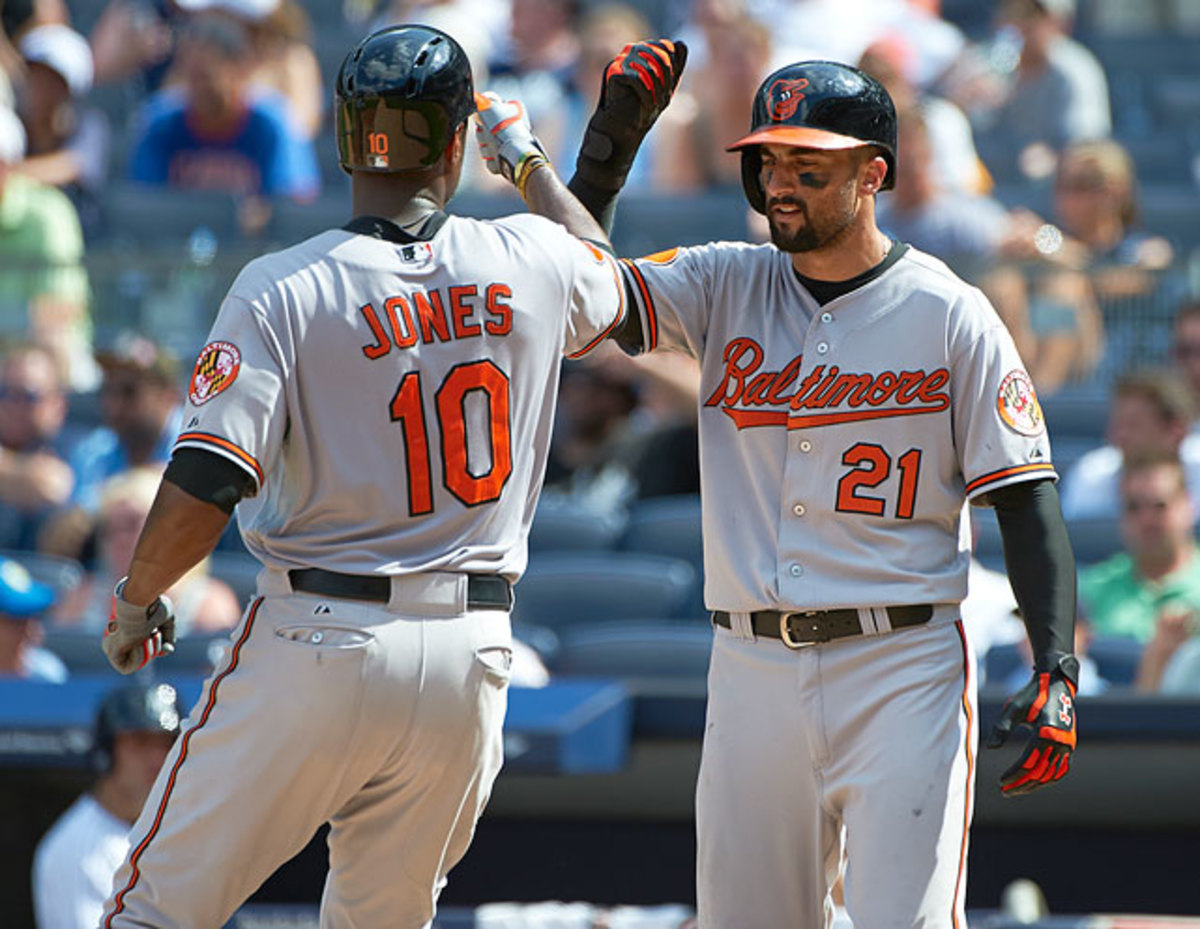
| 18 | Baltimore Orioles | $107,314,642 | Adam Jones ($13.3M) |
| 19 | New York Mets | $101,409,244 | David Wright ($20.0M) |
| 20 | Atlanta Braves | $97,323,005 | Nick Markakis ($11.0M) |
| 21 | Milwaukee Brewers | $96,620,019 | Ryan Braun ($13.0M) |
| 22 | Minnesota Twins | $95,733,300 | Joe Mauer ($23.0M) |
| 23 | Cleveland Indians | $82,425,166 | Michael Bourn ($13.5M) |
| 24 | Colorado Rockies | $81,390,131 | Troy Tulowitzki ($20.0M) |
| 25 | Arizona Diamondbacks | $76,647,500 | Aaron Hill ($12.0M) |
| 26 | Pittsburgh Pirates | $72,213,333 | Andrew McCutchen ($10.2M) |
| 27 | Oakland Athletics | $71,153,667 | Billy Butler ($10.0M) |
| 28 | Tampa Bay Rays | $64,453,322 | Evan Longoria ($11.5M) |
| 29 | Houston Astros | $63,128,700 | Scott Feldman ($10.0M) |
| 30 | Miami Marlins | $62,560,000 | Giancarlo Stanton ($6.5M)* |
*Note: Giancarlo Stanton’s record-breaking $325M contract was backloaded; his 2015 cash salary was significantly lower than his average annual value (AAV).
Analysis of the Top Spenders: High Investment vs. Performance
The 2015 season provided a stark contrast in how high payrolls translate to on-field success. The Los Angeles Dodgers were the primary example of "spending for depth." Under the leadership of Andrew Friedman, who joined the front office from the low-budget Rays, the Dodgers utilized their massive payroll to absorb "bad" contracts from other teams just to acquire prospects or bridge gaps in their roster. Despite winning the NL West with 92 wins, their season ended in a disappointing NLDS exit, raising questions about whether a record payroll was being used efficiently.
The New York Yankees occupied their traditional second-place spot in spending. However, the 2015 Yankees were in a peculiar state of transition. Much of their $213 million was tied up in aging veterans like Mark Teixeira, Alex Rodriguez, and CC Sabathia. While Rodriguez had a resurgent season after his 2014 suspension, the team relied heavily on expensive, older talent, ultimately losing the AL Wild Card Game to the Houston Astros.
The Boston Red Sox represented the pitfalls of aggressive free agency. After a last-place finish in 2014, they spent heavily on Hanley Ramirez and Pablo Sandoval (combined $183 million in total contract value). By the middle of 2015, these signings were widely criticized as Ramirez struggled defensively and Sandoval’s performance cratered. The Red Sox finished last in the AL East for the second consecutive year, proving that a top-three payroll ($187 million) offers no guarantee of a winning floor.
The Top Earners of 2015: Baseball’s Highest-Paid Stars
In 2015, the hierarchy of player salaries was dominated by starting pitchers and veteran sluggers. This was the era before the $50 million AAV (Average Annual Value) became a target, but the numbers were still staggering for the time.
- Clayton Kershaw (LAD) - $32.5 Million: Kershaw was at the peak of his powers in 2015. Coming off an MVP and Cy Young season in 2014, his $215 million contract made him the gold standard for pitcher compensation. He justified the salary by striking out 301 batters in 2015, becoming the first pitcher since 2002 to reach that milestone.
- Justin Verlander (DET) - $28.0 Million: Verlander’s contract was a cornerstone of the Tigers’ aggressive "win now" window. While he struggled with injuries in the first half of 2015, his presence on the payroll exemplified Detroit's commitment to high-cost veteran leadership.
- Zack Greinke (LAD) - $27.0 Million: Forming the most expensive duo in baseball history alongside Kershaw, Greinke had a historic 2015. He posted a 1.66 ERA, the lowest in MLB since 1995. His financial leverage was so high that he opted out of his contract following the season to sign an even larger deal with Arizona.
- Ryan Howard (PHI) - $25.0 Million: Howard’s contract became a cautionary tale for front offices. Signed during his prime, the extension kicked in as his production declined due to injuries. In 2015, he was the face of a rebuilding Phillies team that struggled to move his massive salary.
- Josh Hamilton (LAA/TEX) - $25.4 Million: Hamilton's financial situation in 2015 was complex. After a falling out with the Angels, he was traded back to Texas. The Angels paid the vast majority of his salary ($20M+) just to have him play for a division rival, illustrating how "dead money" can bloat a payroll.
Spending Efficiency: Low Payroll Teams That Defied the Odds
The 2015 season is perhaps best remembered for the "efficiency" teams—those that used analytical advantages to overcome financial deficits.
The Kansas City Royals (Ranked 16th) were the ultimate success story. With a payroll roughly 40% the size of the Dodgers', they built a team around elite bullpen arms, exceptional defense, and high-contact hitting. Their World Series title in 2015 remains a beacon for mid-market franchises, proving that a cohesive roster construction can defeat a collection of expensive superstars.
The Houston Astros (Ranked 29th) provided a glimpse into the future of "The Process." After years of intentional losing to stockpile high draft picks, their 2015 payroll of $63 million was one of the lowest in the league. Yet, they made the playoffs and defeated the Yankees in the Wild Card Game. This success validated the extreme rebuild strategy that many teams would later emulate.
The New York Mets (Ranked 19th) also outperformed their spending. While the "Big Apple" market usually dictates a top-five payroll, the Mets’ ownership at the time kept spending around $101 million. Relying on a young, cheap rotation of Matt Harvey, Jacob deGrom, and Noah Syndergaard—all of whom were in their pre-arbitration or early arbitration years—they reached the World Series, demonstrating the massive value of elite talent on rookie-scale contracts.
Historical Context: How 2015 Shaped Modern MLB Contracts
Looking back from 2026, the 2015 season serves as a pivotal point in the evolution of the MLB luxury tax. The Dodgers' willingness to pay a $43 million tax bill led to more stringent penalties in subsequent Collective Bargaining Agreements (CBAs). It triggered a shift toward "tax resets," where even high-spending teams like the Yankees and Red Sox would occasionally slash payroll for a single year to drop their tax rate.
Furthermore, 2015 marked the beginning of the end for the "mega-contract for aging veterans" trend. The failures of the Sandoval and Ramirez signings in Boston, coupled with the immobility of Ryan Howard’s deal, pushed front offices toward the "extension" model. Teams began focusing on locking up stars in their early 20s (like Giancarlo Stanton’s $325M deal, which was in its first year in 2015) rather than bidding on 30-year-olds in the open market.
Frequently Asked Questions
Which MLB team had the highest payroll in 2015?
The Los Angeles Dodgers held the highest payroll in 2015, with an Opening Day figure of approximately $272.7 million. Their total year-end expenditure, including luxury tax penalties, exceeded $300 million, setting a new record for Major League Baseball at that time.
Who was the highest-paid MLB player in 2015?
Clayton Kershaw was the highest-paid player in 2015, earning a base salary of $32.5 million. He was followed by Justin Verlander ($28 million) and Zack Greinke ($27 million).
Did the team with the highest payroll win the World Series in 2015?
No, the Los Angeles Dodgers (highest payroll) were eliminated in the National League Division Series by the New York Mets. The World Series was won by the Kansas City Royals, who ranked 16th in Opening Day payroll at approximately $113 million.
What was the lowest MLB payroll in 2015?
The Miami Marlins had the lowest Opening Day payroll in 2015 at approximately $62.5 million. The Houston Astros were second-lowest at $63.1 million, though the Astros reached the postseason while the Marlins did not.
How much was the MLB luxury tax in 2015?
The luxury tax threshold for the 2015 season was $189 million. Teams whose payrolls exceeded this amount were required to pay a percentage of the excess into a league-wide fund. The Dodgers, Yankees, Red Sox, and Giants were among the teams that triggered the tax in 2015.
Leveraging 2015 Data for Modern Analysis
For researchers and fans looking at baseball's financial history, the 2015 data serves as a baseline for "pre-inflation" baseball economics. To analyze these figures effectively today, one should compare the Payroll to Wins (P/W) ratio, which identifies which front offices were most efficient. While the Dodgers spent over $2.9 million per win in 2015, the Houston Astros spent only about $734,000 per win. This disparity highlights the importance of the "pre-arbitration" window, where superstars like Carlos Correa or Jacob deGrom provided All-Star value for league-minimum salaries. When evaluating modern team builds in 2026, the 2015 season remains the definitive proof that while money buys opportunity, scouting and player development buy championships.