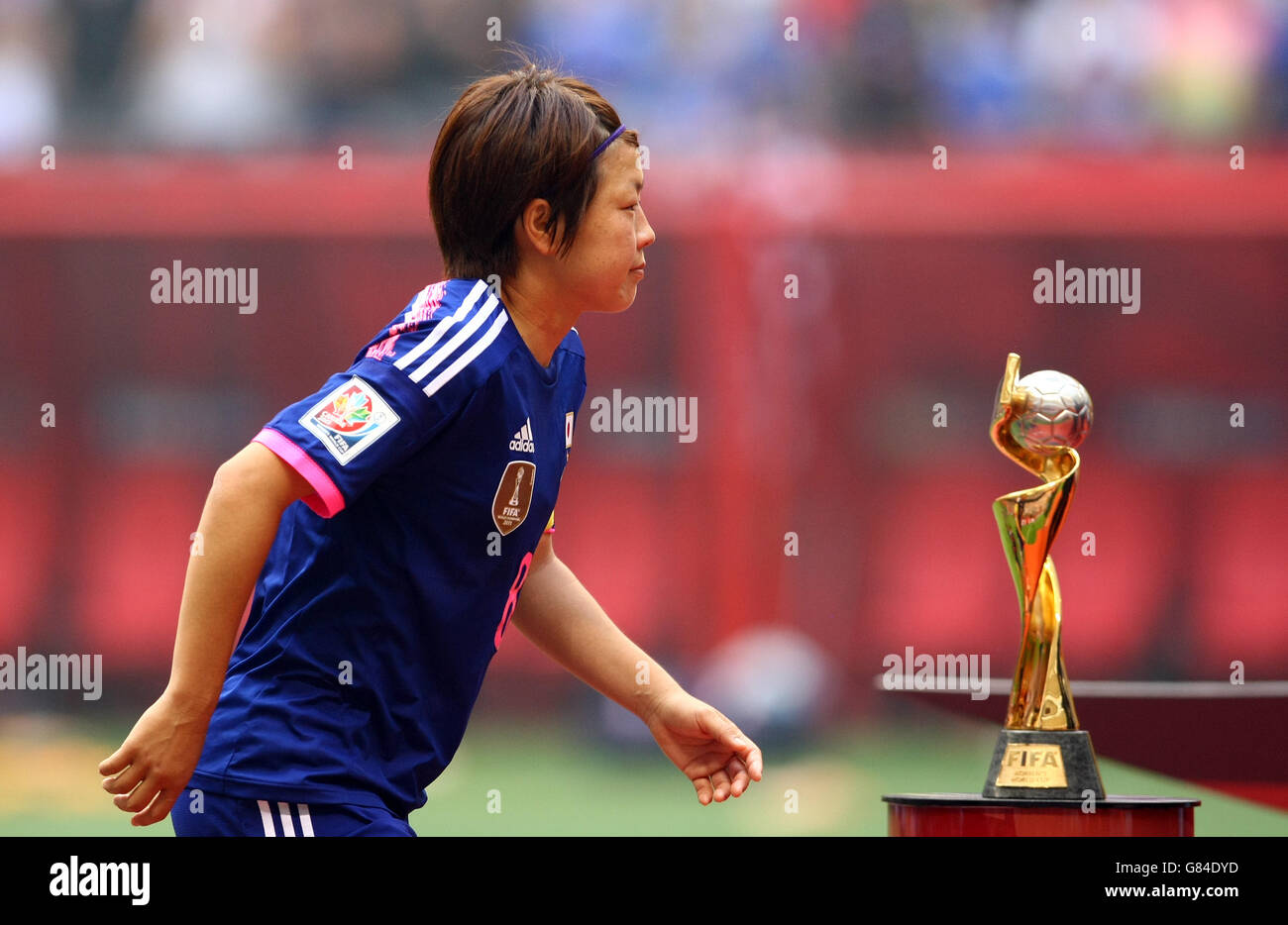
The United States Women's National Team (USWNT) defeated Japan 5-2 in the 2015 FIFA Women’s World Cup Final to secure their third world title. Headlined by Carli Lloyd’s historic 16-minute hat-trick—including a legendary goal from the halfway line—the match remains the highest-scoring final in the tournament's history.
The Historical Context of the 2015 Final
The 2015 FIFA Women’s World Cup Final, held on July 5, 2015, at BC Place in Vancouver, Canada, was more than just a championship match; it was a high-stakes narrative of redemption. To understand the intensity of the 2015 highlights, one must look back to the 2011 final in Germany. In that encounter, Japan famously defeated the United States in a penalty shootout after a 2-2 draw, becoming the first Asian nation to win a senior FIFA World Cup.
Entering the 2015 tournament, the USWNT carried the weight of a 16-year championship drought, having last lifted the trophy on home soil in 1999. Under the leadership of head coach Jill Ellis, the American squad evolved throughout the tournament. While they started slowly in the group stages, the team found its rhythm in the knockout rounds, particularly after a tactical shift that allowed Carli Lloyd more freedom to attack.
Japan, the defending champions, entered the final with a disciplined, technical style of play known as "Nadeshiko" football. Their path to the final was characterized by narrow, tactical victories, relying on superior ball control and organizational structure. The collision of the USA’s physical, high-pressing game against Japan’s technical possession game set the stage for one of the most memorable spectacles in sporting history.
Goal-by-Goal Analysis: The 16-Minute Blitz
The 2015 final is most famous for its opening 16 minutes, a period of play that effectively decided the outcome before many fans had even settled into their seats. The USA’s aggressive start exploited Japan’s early nerves and physical disadvantages on set pieces.
The Opening Strike (3rd Minute)
The scoring opened almost immediately. Megan Rapinoe delivered a low, driven corner kick toward the penalty spot. Carli Lloyd made a perfectly timed run from the edge of the area, slicing through a crowded box to meet the ball with a first-time left-footed shot. The ball clinical found the back of the net, catching the Japanese defense off guard. This goal changed the tactical landscape instantly, forcing Japan to abandon their conservative shape.
The Set-Piece Double (5th Minute)
Less than two minutes later, the USA earned a free kick on the right flank. Lauren Holiday delivered a dangerous ball into the six-yard box. In the ensuing scramble, Julie Johnston (now Ertz) flicked the ball toward the goal, and Lloyd was there once again to poke it home from close range. At 2-0 within five minutes, the USWNT had achieved a statistical dominance rarely seen in international finals.
The Volley (14th Minute)
The third goal showcased individual brilliance mixed with defensive frailty. A poor headed clearance from Japan’s Azusa Iwashimizu landed directly in the path of Lauren Holiday. Without hesitation, Holiday struck a powerful volley from ten yards out. The sheer velocity of the shot left Japanese goalkeeper Ayumi Kaihori with no chance, extending the lead to 3-0.
The Halfway Line Masterpiece (16th Minute)
Perhaps the most iconic goal in the history of women's soccer occurred in the 16th minute. After dispossessing a Japanese player in the midfield, Carli Lloyd noticed Kaihori standing several yards off her line. From the halfway line—roughly 50 yards out—Lloyd launched a speculative, soaring strike. As the ball hung in the air, the stadium went silent before erupting as the shot clipped the goalkeeper’s fingertips and bounced into the net. This completed the fastest hat-trick in World Cup history and effectively sealed the title.
Japan’s Resilience and the Second Half
Despite the 4-0 deficit, Japan did not surrender. Their response highlighted the technical quality that had made them world champions four years prior. In the 27th minute, Yuki Ogimi showed exceptional strength and poise in the box, turning defender Julie Johnston and firing a left-footed shot into the upper corner. This goal provided Japan with a lifeline and served as a reminder of their offensive capabilities.
The second half began with Japan applying significant pressure. In the 52nd minute, a Japanese free kick was sent into the box. Under pressure, Julie Johnston attempted a headed clearance but accidentally directed the ball into her own net. At 4-2, the momentum appeared to be shifting, and the possibility of a historic comeback began to circulate through the crowd at BC Place.
However, the USWNT responded with the composure of champions. Only two minutes after the own goal, the USA earned a corner. The ball was cleared to the edge of the area where Brianne Morgan kept the play alive, finding Tobin Heath unmarked in the box. Heath’s clinical finish restored the three-goal cushion, making the score 5-2. This goal took the air out of Japan’s comeback attempt and allowed the USA to manage the final 35 minutes with tactical discipline.
Tactical Summary and Key Match Statistics
The match was a masterclass in exploiting specific tactical weaknesses. Jill Ellis utilized a high press that prevented Japan from establishing their signature short-passing rhythm. By winning the ball high up the pitch and focusing on set-piece delivery, the USA nullified Japan's technical advantages.
| Statistic | USA | Japan |
|---|---|---|
| Final Score | 5 | 2 |
| Shots on Target | 7 | 4 |
| Possession (%) | 48% | 52% |
| Corners | 7 | 3 |
| Fouls Committed | 14 | 10 |
| Yellow Cards | 0 | 1 |
| Saves | 3 | 2 |
Japan finished with more possession, a testament to their style, but they were unable to convert that possession into high-quality scoring opportunities outside of their two goals. The USA’s efficiency was the deciding factor, scoring five goals from just seven shots on target.
The Legacy of the 2015 Victory
Looking back from 2026, the 2015 final remains a watershed moment for the sport. It shattered television viewership records in the United States, becoming the most-watched soccer match in American history at the time. This surge in interest directly contributed to the increased investment in the National Women's Soccer League (NWSL) and set the stage for the USWNT's successful title defense in 2019.
The match also served as the international swan song for several legends. Abby Wambach, the world’s all-time leading international goalscorer at that time, came on as a late substitute to a standing ovation, eventually handing the captain's armband to Carli Lloyd. The victory solidified the "Golden Generation" of American players while simultaneously cementing Japan’s status as a perennial powerhouse that must be respected for their technical brilliance and sportsmanship.
Where to Watch Highlights and Full Replays
For fans looking to relive the "2015 fifa women s world cup final usa vs japan highlights goals," several official platforms maintain high-definition archives of the match.
- FIFA+: The official streaming platform of FIFA offers the "Full Match" replay and a "Short Highlights" package for free. This is the best source for original broadcast quality.
- FOX Sports: As the original broadcaster in the US, FOX Sports frequently features the 2015 final in their "Classic Matches" digital library.
- YouTube (FIFA Official Channel): A condensed 10-minute highlight reel is available, featuring all seven goals and the post-match trophy presentation.
FAQ
How many goals did Carli Lloyd score in the 2015 final?
Carli Lloyd scored three goals, achieving a hat-trick within the first 16 minutes of the match. This remains the fastest hat-trick in any FIFA World Cup Final (men’s or women’s). Her third goal, scored from the halfway line, was later nominated for the FIFA Puskás Award.
What was the final score of USA vs Japan in 2015?
The final score was 5-2 in favor of the United States. The scorers for the USA were Carli Lloyd (3', 5', 16'), Lauren Holiday (14'), and Tobin Heath (54'). Japan’s goals came from Yuki Ogimi (27') and an own goal by Julie Johnston (52').
Where was the 2015 Women's World Cup Final played?
The match was played at BC Place in Vancouver, British Columbia, Canada. The stadium used a controversial artificial turf surface, which was a major talking point throughout the tournament, though it did not seem to hinder the high-scoring nature of the final.
Who won the Golden Ball in the 2015 World Cup?
Carli Lloyd was awarded the Golden Ball as the tournament’s best player. Her performance in the final, combined with crucial goals in the quarter-final and semi-final rounds, made her the clear choice for the honor.
How many people watched the 2015 USA vs Japan final?
In the United States, the match averaged approximately 25.4 million viewers on FOX, making it the most-watched soccer broadcast in U.S. television history at that time. Globally, the match reached an estimated audience of over 750 million people.
Accessing Historical Match Data and Analysis
To gain a deeper understanding of the tactical nuances of the 2015 final, researchers and fans should consult the FIFA Technical Report. These reports provide granular data on player movement, passing accuracy, and tactical formations that are not always visible in standard highlight reels.
Additionally, for those interested in the long-term impact on the sport, the U.S. Soccer Federation archives provide extensive post-match interviews and "Where Are They Now" features on the 23 players who made up the 2015 roster. Engaging with these primary sources ensures a comprehensive understanding of why this specific match remains the gold standard for international women’s football highlights.