The 2015 elections represented a pivotal "hinge year" in global politics, characterized by landmark democratic transitions in Africa, a resurgence of national-conservatism in Europe, and a dramatic shift toward progressive liberalism in North America. These contests fundamentally reshaped geopolitical alliances and set the stage for the populist and nationalist movements that defined the following decade.
The Global Significance of the 2015 Electoral Cycle
In the context of political history, 2015 stands out as a year when traditional party structures were tested by shifting voter priorities, economic anxiety, and the rising influence of digital campaigning. Across several continents, the results of 2015 were not merely changes in leadership but signals of deep-seated structural changes in the global order. From the first peaceful democratic transfer of power in Nigeria to the surprise majority won by the Conservative Party in the United Kingdom, the year provided a masterclass in electoral volatility.
As we analyze these events from the perspective of 2026, the long-term consequences of 2015 are even more apparent. The outcomes of that year’s polls directly influenced the subsequent Brexit negotiations, the evolution of the European Union, and the shifting dynamics of the Commonwealth. In many nations, the 2015 elections were the last "pre-pandemic" cycle that functioned under traditional economic paradigms, before the global health crisis and subsequent inflationary periods forced further political realignments.
Understanding these elections requires looking beyond the winners and losers to the underlying socio-economic drivers. Issues such as migration, austerity measures in the Eurozone, and the global collapse of oil prices played significant roles in determining voter behavior. Furthermore, 2015 saw the increased use of sophisticated data analytics in campaigns, a trend that would only intensify in the years leading up to our current 2026 landscape.
Landmark Elections: A Deep Dive into Key Results
Several nations underwent transformative electoral processes in 2015. Each of these contests carried unique regional implications while contributing to a broader global narrative of change.
Nigeria: The historic shift to the APC
The Nigerian general election held in March 2015 remains one of the most significant democratic milestones in African history. For the first time since the transition to civilian rule in 1999, an incumbent president—Goodluck Jonathan of the People's Democratic Party (PDP)—was defeated at the polls by an opposition candidate, Muhammadu Buhari of the All Progressives Congress (APC).
Buhari’s campaign, centered on the "Change" mantra, focused on three primary pillars: security (specifically addressing the Boko Haram insurgency), anti-corruption, and economic diversification. The peaceful transition of power served as a beacon for democratic stability in the region, proving that the electoral process could successfully facilitate a change in leadership without widespread civil unrest.
United Kingdom: The Conservative Majority and the Path to Brexit
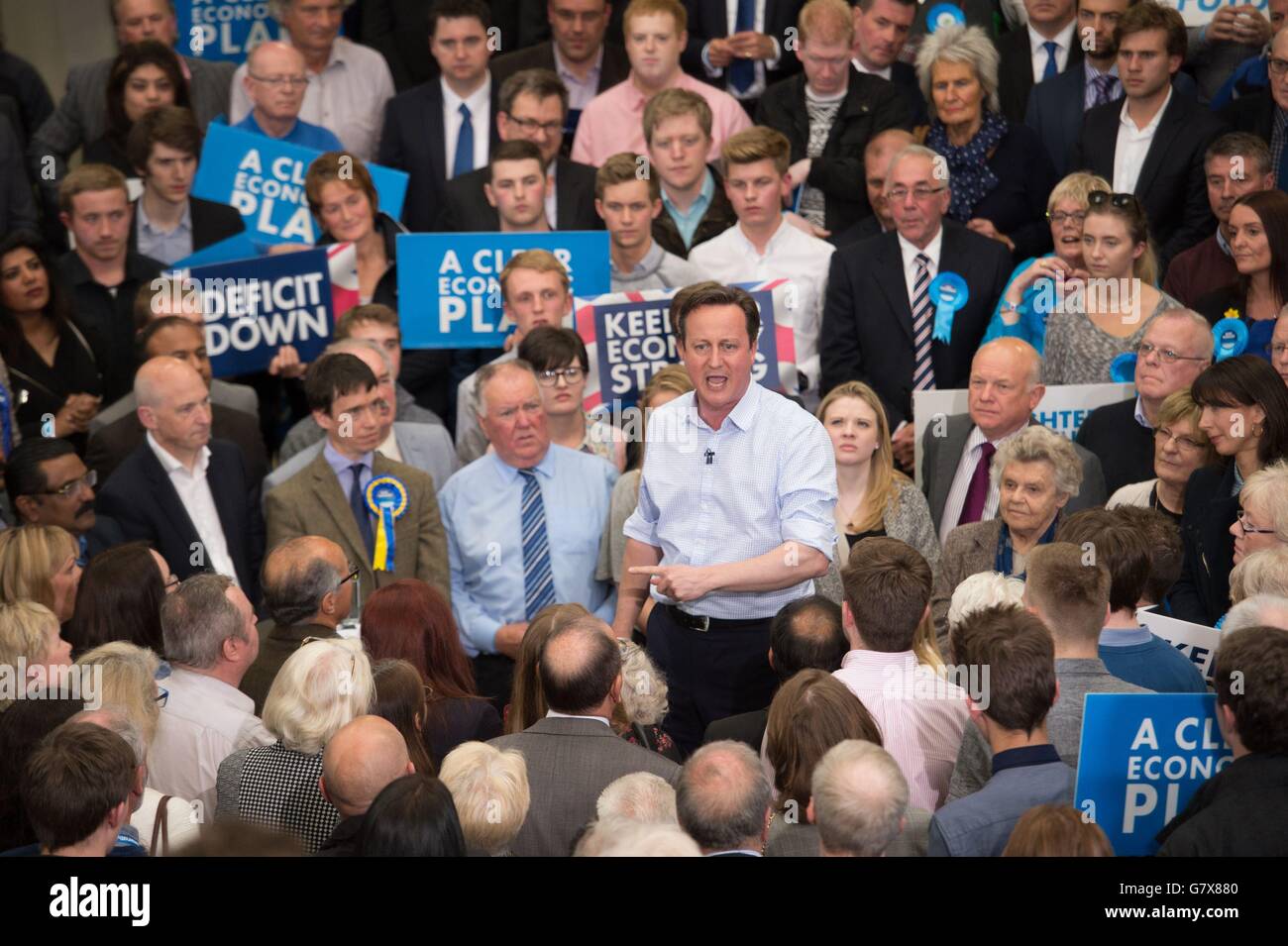
The UK General Election in May 2015 defied almost all pre-election polling. While analysts predicted a hung parliament, David Cameron led the Conservative Party to an unexpected slim majority. This victory allowed Cameron to govern without the Liberal Democrats, his previous coalition partners, but it also forced him to fulfill a manifesto pledge that would change the course of European history: holding an in-out referendum on the UK’s membership in the European Union.
The 2015 result also saw a seismic shift in Scotland, where the Scottish National Party (SNP) won 56 out of 59 seats, effectively wiping out the Labour Party's traditional stronghold and intensifying the debate over Scottish independence.
Canada: The Rise of the Liberal Party
In October 2015, Canada ended nearly a decade of Conservative rule under Stephen Harper. Justin Trudeau led the Liberal Party from third-party status to a decisive majority government. Trudeau’s "Sunny Ways" campaign focused on middle-class tax cuts, infrastructure spending financed by modest deficits, and a more multilateral approach to foreign policy.
This election marked a significant cultural shift in Canadian politics, emphasizing social liberalism and climate action. From our 2026 vantage point, the 2015 election is viewed as the beginning of a transformative era for Canadian federal policy, particularly regarding indigenous reconciliation and international environmental commitments.
Poland: The National-Conservative Pivot
Poland’s 2015 elections (both presidential and parliamentary) heralded the rise of the Law and Justice (PiS) party. Andrzej Duda’s victory in the May presidential election, followed by the PiS majority in October, signaled a turn toward social conservatism, increased welfare spending, and a more skeptical stance toward EU centralization. This shift in Poland was a precursor to broader populist trends across Central and Eastern Europe.
Comparative Summary of Major 2015 Election Outcomes
The following table summarizes the key metrics and outcomes of the most influential elections conducted throughout 2015.
| Country | Election Date | Primary Winner | Outcome Significance |
|---|---|---|---|
| Nigeria | March 28–29 | Muhammadu Buhari | First democratic defeat of an incumbent in Nigeria. |
| United Kingdom | May 7 | David Cameron | Unexpected Conservative majority; paved way for Brexit. |
| Israel | March 17 | Benjamin Netanyahu | Likud victory; solidified right-wing governance. |
| Poland | Oct 25 (Parl.) | Law and Justice (PiS) | First single-party majority in post-communist Poland. |
| Canada | Oct 19 | Justin Trudeau | Liberals jumped from 3rd place to a majority government. |
| Myanmar | Nov 8 | NLD (Aung San Suu Kyi) | First openly contested election in 25 years. |
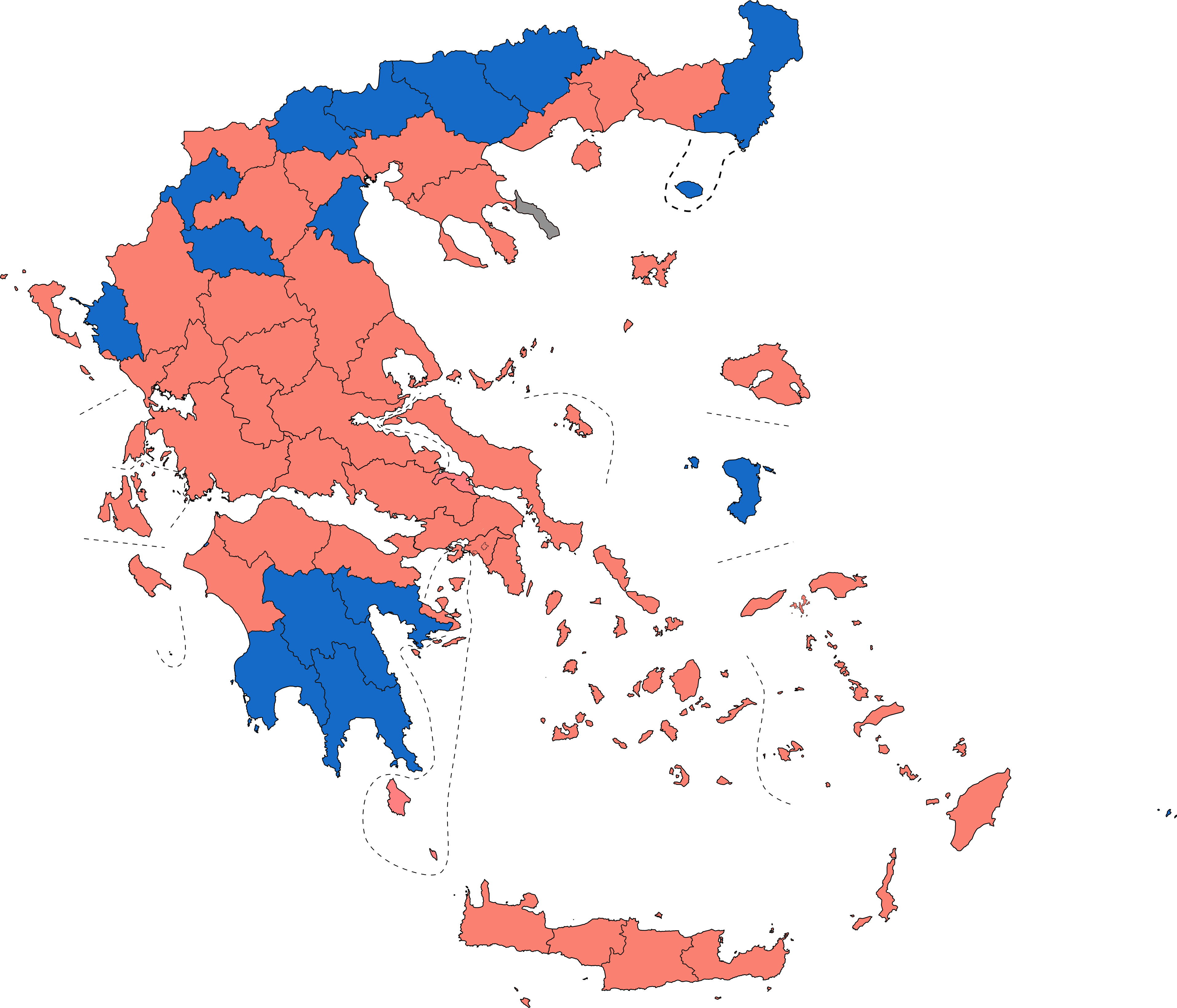
| Greece | Jan 25 / Sep 20 | Alexis Tsipras (Syriza) | Rise of anti-austerity movement in the Eurozone. |
| Argentina | Nov 22 | Mauricio Macri | Ended 12 years of Kirchnerism; market-friendly shift. |
Regional Trends and Socio-Political Drivers
Analyzing the 2015 elections in aggregate reveals several cross-border trends that were not immediately obvious to contemporary observers but are clear in 2026.
The Anti-Austerity Pulse in Europe
In Southern Europe, specifically Greece and later in Spain’s local and regional polls, 2015 was the year of the anti-austerity movement. The victory of Syriza in Greece was a direct challenge to the "troika" (the IMF, ECB, and European Commission). While the Greek government eventually had to accept a third bailout package, the political mobilization of 2015 demonstrated the limits of public endurance regarding fiscal contraction. This sentiment echoed in Spain with the rise of Podemos, breaking the long-standing duopoly of the PP and PSOE.
The Migration Crisis and the Ballot Box
By the second half of 2015, the European migrant crisis began to impact electoral politics. In countries like Poland and Switzerland, parties that campaigned on stricter border controls and national sovereignty saw significant gains. This issue acted as a catalyst for the polarization that would define European politics for the next decade, creating a rift between Brussels and some member states regarding refugee quotas and border management.
The Economic Influence of Oil Prices
For many resource-dependent nations, 2015 was a year of reckoning. The dramatic fall in global oil prices (dropping below $50 per barrel for much of the year) put immense pressure on incumbents in Nigeria, Venezuela, and Canada. Economic diversification became a central campaign theme, as voters sought leaders who could navigate the volatility of the global commodities market.
The Long-Term Legacy of the 2015 Elections
From our current year of 2026, the 2015 elections are viewed as the "opening act" for the modern political era. They introduced many of the figures and themes that dominated the late 2010s and early 2020s.
- Normalization of Populism: The success of Law and Justice in Poland and the UKIP-influenced Conservative platform in the UK demonstrated that populist-leaning policies could achieve mainstream electoral success.
- Digital Strategy Maturation: 2015 marked the transition where social media moved from a "supplementary" campaign tool to the primary battleground for narrative control and voter mobilization.
- Demographic Shifts: Many of these elections highlighted the growing divide between urban centers (typically favoring liberal or internationalist candidates) and rural or industrial heartlands (favoring nationalist or conservative candidates).
Frequently Asked Questions
Why was the 2015 Nigerian election considered historic?
It marked the first time in Nigeria's history that an incumbent president was defeated through the ballot box and peacefully handed over power. This event significantly bolstered the credibility of democratic institutions in West Africa and demonstrated that voters could hold leaders accountable for issues like security and corruption.
How did the 2015 UK election lead to the Brexit referendum?
The Conservative Party, led by David Cameron, included a promise in its 2015 manifesto to hold a referendum on EU membership by the end of 2017. When the party won a surprise outright majority, Cameron was politically obligated to fulfill that promise, leading to the referendum in June 2016.
What caused the Liberal Party's landslide victory in Canada?
The victory was driven by a desire for change after nine years of Conservative rule, combined with Justin Trudeau’s effective campaign. His platform of "Real Change," which included deficit spending for infrastructure and a focus on social progressivism, resonated with younger voters and urban populations.
What role did the economy play in the 2015 elections?
The economy was a primary driver, but its impact varied by region. In Europe, the focus was on austerity and the Eurozone crisis. In North America and Africa, the focus was on the middle class and the impacts of fluctuating oil prices. In almost all cases, incumbents faced significant headwinds if the economy was perceived as stagnant.
Did the 2015 elections see high voter turnout?
Turnout varied significantly. The UK saw its highest turnout since 1997 (66.4%), while Canada saw a massive surge to 68.3%, the highest since 1993. These spikes were often driven by a sense that the elections represented a fundamental choice about the country's future direction.
Strategies for Researching Historical Election Data
For those seeking to conduct deeper research into the 2015 electoral cycle or apply these lessons to contemporary political analysis in 2026, several resources remain essential. Accessing official government gazettes and electoral commission archives provides the most accurate raw data regarding vote counts and demographic breakdowns.
When evaluating these events, it is crucial to consult contemporary reporting from the time—such as archives from The BBC or Reuters—alongside retrospective academic studies that have had the benefit of observing the long-term impacts of these leadership changes. Analyzing the 2015 elections today requires a balanced view that considers both the immediate political atmosphere of that year and the decade of consequences that followed.