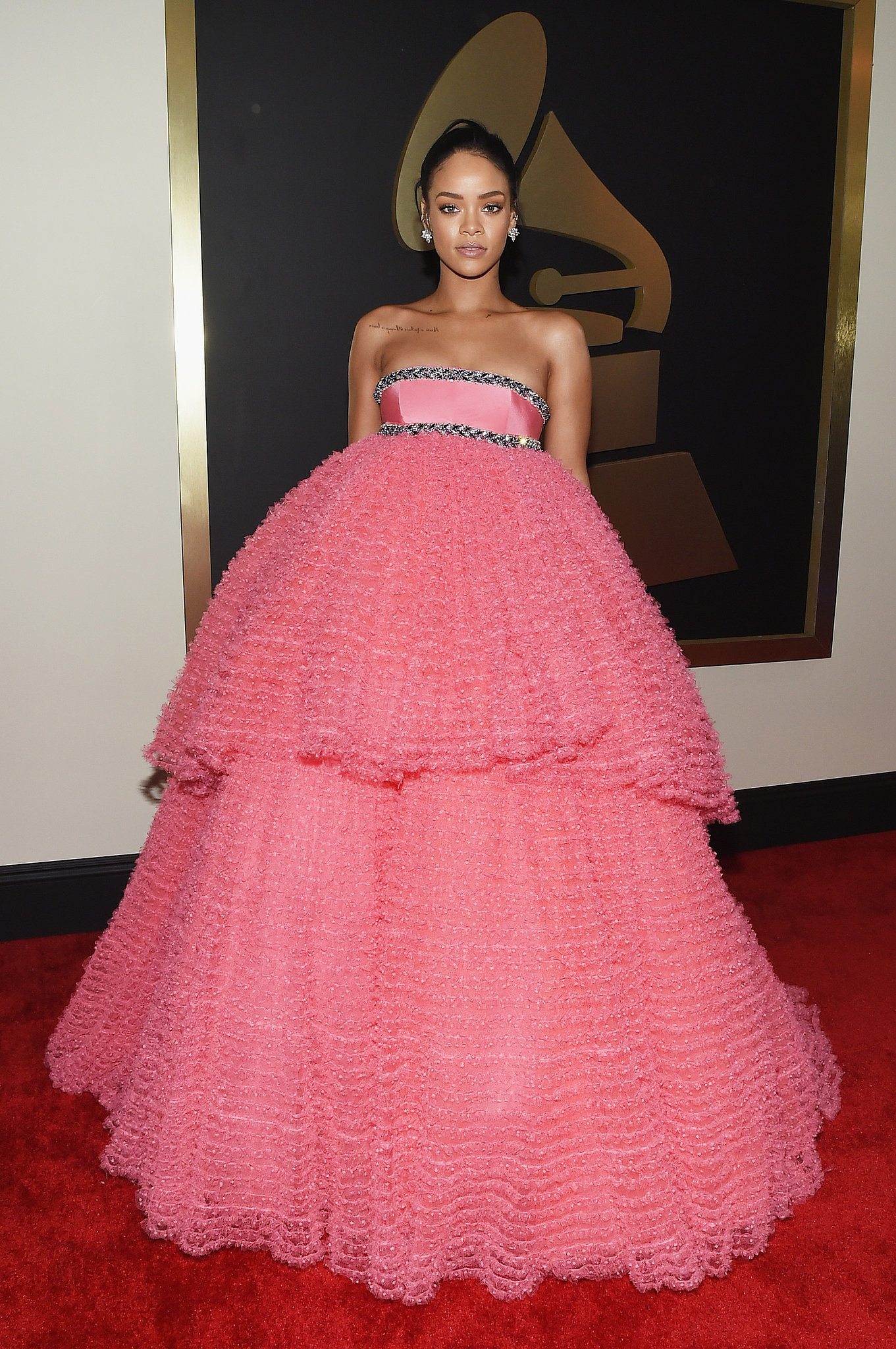
The major awards of 2015 recognized a transformative period in global culture, honoring groundbreaking cinematic achievements like Birdman, the musical dominance of Sam Smith, and the historic Emmy win of Viola Davis. These ceremonies, held throughout the year, celebrated excellence in artistry, scientific discovery, and humanitarian efforts, reflecting the evolving creative landscape of the mid-2010s.
The 87th Academy Awards: A Year of Cinematic Innovation
The 87th Academy Awards, held on February 22, 2015, at the Dolby Theatre in Hollywood, served as a culmination of a highly competitive year in film. The ceremony was hosted by Neil Patrick Harris and is perhaps best remembered for the intense "best picture" race between Alejandro G. Iñárritu’s Birdman or (The Unexpected Virtue of Ignorance) and Richard Linklater’s Boyhood.
Ultimately, Birdman emerged as the night's biggest winner, securing four Oscars, including Best Picture, Best Director, and Best Original Screenplay. The film was praised for its technical audacity, appearing as if it were shot in one continuous take, a feat that also earned Emmanuel Lubezki the Oscar for Best Cinematography. Looking back from 2026, Birdman remains a benchmark for experimental narrative structure in mainstream Hollywood.
The acting categories in 2015 were equally notable. Julianne Moore won Best Actress for her poignant portrayal of a woman with early-onset Alzheimer’s in Still Alice. Eddie Redmayne took home the Best Actor trophy for his transformative performance as Stephen Hawking in The Theory of Everything. These wins underscored a trend in the mid-2010s toward honoring biographical dramas and performances rooted in physical or psychological transformation.
The 2015 Oscars also sparked significant cultural conversation regarding diversity. The #OscarsSoWhite hashtag first gained viral momentum in January 2015 after all twenty acting nominations were awarded to white performers. This movement, while originating in 2015, catalyzed systemic changes in the Academy’s membership and voting procedures that have fundamentally reshaped the industry as we know it in 2026.
The 57th Annual Grammy Awards: The Rise of Sam Smith
The music industry’s most prestigious night, the 57th Grammy Awards, took place on February 8, 2015, at the Staples Center in Los Angeles. The evening belonged to British singer-songwriter Sam Smith, who walked away with four major awards: Best New Artist, Record of the Year, Song of the Year (for "Stay with Me"), and Best Pop Vocal Album (for In the Lonely Hour).
Smith’s success signaled a shift toward soul-inflected pop and emotional vulnerability that dominated the airwaves in 2015. However, the ceremony was not without controversy. The Album of the Year category saw Beck’s Morning Phase win over Beyoncé’s self-titled visual album. This decision led to a widely discussed moment where Kanye West briefly stepped onto the stage, echoing his 2009 VMA interruption, later stating that Beck should have given his award to Beyoncé to "respect artistry."
Other notable winners included Pharrell Williams, who won three awards including Best Pop Solo Performance for "Happy," and Rosanne Cash, who dominated the American Roots categories. The 2015 Grammys also highlighted the growing influence of streaming and digital distribution, as the industry continued to pivot away from physical sales, a transition that was largely completed by the early 2020s.
The 67th Primetime Emmy Awards: Breaking Barriers in Television
Television in 2015 was defined by the "Golden Age of TV," a period where prestige dramas and experimental comedies flourished across both cable and emerging streaming platforms. The 67th Primetime Emmy Awards, held on September 20, 2015, reflected this shift toward high-concept storytelling and increased diversity.
Game of Thrones set a record at the time for the most wins in a single year, taking home 12 awards, including its first win for Outstanding Drama Series. This victory solidified the series as a global phenomenon and validated the high-budget, cinematic approach to fantasy television. In the comedy categories, Veep ended the five-year winning streak of Modern Family, winning Outstanding Comedy Series and highlighting the shift toward sharper, more cynical political satire.
The most historic moment of the night belonged to Viola Davis, who became the first African American woman to win the Emmy for Outstanding Lead Actress in a Drama Series for her role in How to Get Away with Murder. Her acceptance speech, which quoted Harriet Tubman and addressed the lack of opportunity for women of color in the industry, remains one of the most influential moments in the history of the awards. From our perspective in 2026, Davis’s win is viewed as a pivotal turning point that opened doors for a more inclusive era of television casting and production.
Nobel Prizes of 2015: Science and Literature for the Human Experience
The Nobel Prizes awarded in 2015 recognized individuals whose work provided deep insights into the physical world and the complexities of human history. These awards, announced in October and presented in December, remain some of the most rigorous honors in the academic and humanitarian fields.
In Literature, Svetlana Alexievich was honored "for her polyphonic writings, a monument to suffering and courage in our time." Her work, which utilizes oral histories to document life in the Soviet Union and its aftermath, was praised for creating a new kind of literary genre. Her win was a significant recognition of non-fiction as a high art form.
The Nobel Prize in Physiology or Medicine was split between two groups for their work on parasitic diseases. William C. Campbell and Satoshi Ōmura were recognized for their discoveries concerning a novel therapy against infections caused by roundworm parasites, while Tu Youyou was honored for her discoveries concerning a novel therapy against Malaria. Tu Youyou’s win was particularly notable as she was the first Chinese woman to receive a Nobel Prize in this category, and her work was based on traditional herbal medicine, bridging ancient knowledge with modern clinical science.
The Nobel Peace Prize was awarded to the Tunisian National Dialogue Quartet "for its decisive contribution to the building of a pluralistic democracy in Tunisia in the wake of the Jasmine Revolution of 2011." This award highlighted the importance of civil society in peacebuilding processes during a time of significant upheaval in the Middle East.
Comparative Overview of 2015 Major Award Winners
The following table summarizes the primary winners across several major award bodies in 2015, providing a snapshot of the year's most recognized achievements.
| Award Body | Category | Winner | Work / Subject |
|---|---|---|---|
| Academy Awards | Best Picture | Birdman | Film Directed by Alejandro G. Iñárritu |
| Academy Awards | Best Actor | Eddie Redmayne | The Theory of Everything |
| Academy Awards | Best Actress | Julianne Moore | Still Alice |
| Grammy Awards | Record of the Year | "Stay with Me" | Sam Smith |
| Grammy Awards | Album of the Year | Morning Phase | Beck |
| Grammy Awards | Best New Artist | Sam Smith | N/A |
| Emmy Awards | Outstanding Drama | Game of Thrones | HBO |
| Emmy Awards | Outstanding Comedy | Veep | HBO |
| Nobel Prize | Literature | Svetlana Alexievich | Polyphonic writings |
| Nobel Prize | Peace | National Dialogue Quartet | Tunisian Democracy |
| Golden Globes | Best Motion Picture (Drama) | Boyhood | Film Directed by Richard Linklater |
Understanding Award Eligibility and Historical Context
When researching "2015 awards," it is crucial to distinguish between the year the ceremony was held and the year the work was released. Most major ceremonies held in early 2015, such as the Oscars and Golden Globes, honor works released between January 1 and December 31 of 2014. Conversely, the Primetime Emmys, held in September, follow a television season cycle (typically June to May).
The Oscar Eligibility Window
The 87th Academy Awards (2015) evaluated films that premiered in Los Angeles County theaters by midnight on December 31, 2014, and played for at least seven consecutive days. This is why Birdman (released in October 2014) was the winner of the 2015 ceremony.
The Grammy Cycle
The 57th Grammys (2015) had an eligibility period from October 1, 2013, to September 30, 2014. This explains why albums released in late 2014, like Taylor Swift’s 1989, were not eligible for the 2015 ceremony but instead dominated the 2016 awards.
The Impact of 2015 Winners on 2026 Industry Standards
Looking back from 2026, the winners of 2015 represent the beginning of the "prestige" era for streaming services. While Netflix and Amazon had not yet won Best Picture at the Oscars in 2015, their presence was beginning to be felt in the Emmy categories (with House of Cards and Transparent). This set the stage for the total digital transformation of the entertainment industry that we observe today.
Frequently Asked Questions about 2015 Awards
Which film won the most Oscars in 2015?
Both Birdman and The Grand Budapest Hotel won four Oscars each at the 87th Academy Awards. Birdman won for Best Picture, Director, Original Screenplay, and Cinematography. The Grand Budapest Hotel dominated the technical and aesthetic categories, winning for Costume Design, Makeup and Hairstyling, Production Design, and Original Score.
Who was the big winner at the 2015 Grammy Awards?
Sam Smith was the primary winner at the 57th Grammy Awards, taking home four trophies in major categories. This included Record of the Year, Song of the Year, Best New Artist, and Best Pop Vocal Album. Other multi-award winners that evening included Pharrell Williams and Beyoncé.
Why was Viola Davis’s 2015 Emmy win considered historic?
Viola Davis’s win for Outstanding Lead Actress in a Drama Series for How to Get Away with Murder was historic because she was the first African American woman to win in that specific category since the Emmys began in 1949. Her win and subsequent speech highlighted the systemic barriers facing Black actresses in Hollywood, sparking widespread industry reflection.
What was the "Oscars So White" movement in 2015?
The #OscarsSoWhite hashtag was created by activist April Reign in January 2015. It was a response to the fact that for the first time since 1998, all 20 acting nominees for the Academy Awards were white. The movement pressured the Academy of Motion Picture Arts and Sciences to diversify its voting body, leading to significant structural changes over the following decade.
Did any streaming services win major awards in 2015?
Yes, 2015 was a breakthrough year for streaming services. Amazon’s Transparent won two Golden Globes, including Best Television Series – Musical or Comedy, and Jeffrey Tambor won the Emmy for Lead Actor in a Comedy Series. Netflix also continued to gain ground with multiple nominations and wins for House of Cards and Orange Is the New Black.
Verifying Award Data and Next Actions
For those seeking to verify specific categories, runners-up (nominees), or technical credits for 2015 awards, official databases remain the most reliable sources. These archives provide full transcripts of acceptance speeches, official vote counts (where public), and detailed eligibility requirements.
- For Film: Visit the Official Academy Awards Database to search for any nominee or winner from the 87th ceremony.
- For Music: The Recording Academy’s Grammy Awards Archive provides a searchable database of every winner and nominee from 1958 to the present.
- For Television: The Television Academy’s Emmy Winners Database offers comprehensive details on both Primetime and Creative Arts Emmy Awards.
- For Science and Literature: The Nobel Prize Official Site contains the full citations and biographical data for the 2015 laureates.
To gain a deeper understanding of these awards, researchers should examine the cultural climate of 2015, specifically the rise of social media activism and the transition from traditional cable to digital streaming, as these factors heavily influenced the outcomes and public reception of these ceremonies.