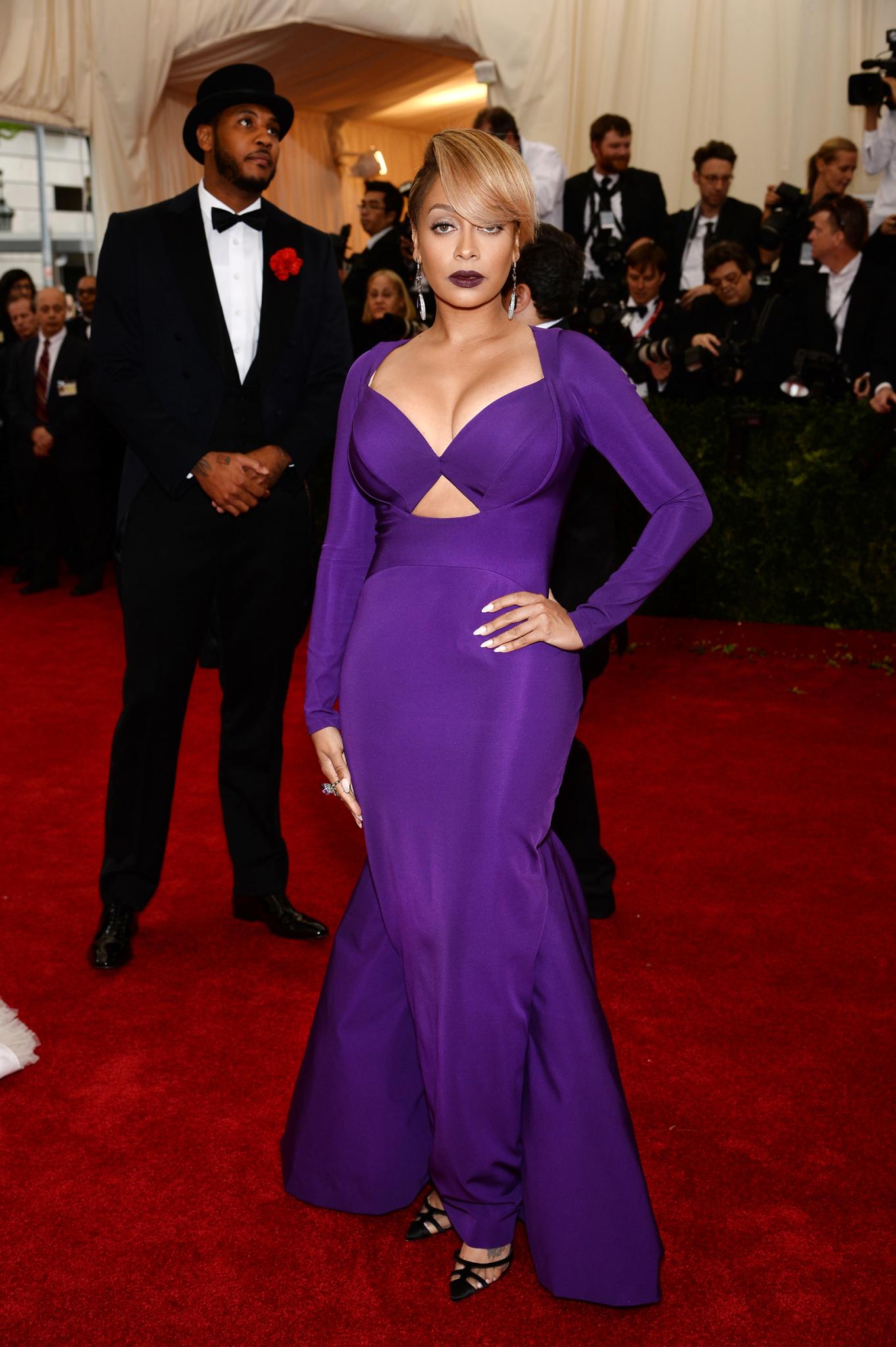
The 2014 Met Gala, held on May 5, 2014, celebrated the theme "Charles James: Beyond Fashion," honoring America’s first couturier. This landmark event coincided with the grand opening of the Anna Wintour Costume Center and enforced a strict "White Tie and Decorations" dress code, emphasizing structured, architectural elegance and high-society glamour.
The Core Theme: Charles James: Beyond Fashion
The 2014 Metropolitan Museum of Art Costume Institute Benefit focused on the work of Charles James (1906–1978), a designer often described as a "fashion engineer." Unlike many of his contemporaries, James viewed dressmaking as a mathematical and architectural challenge. He was famous for his transformative use of fabric, creating gowns that could weigh nearly 20 pounds yet appear to float around the wearer.
The exhibition, curated by Harold Koda and Jan Glier Reeder, featured approximately 75 of James’s most notable designs. The retrospective was significant because it moved beyond the aesthetic of the clothes to explore the scientific rigor James applied to his craft. Using X-ray technology and digital animations, the exhibition illustrated how James used internal structures—such as boning, horsehair, and buckram—to create the "Clover Leaf," "Butterfly," and "Swan" silhouettes.
For the gala guests, the theme demanded a return to mid-century opulence. While previous years had explored more chaotic or contemporary themes like "Punk: Chaos to Couture" (2013), the 2014 event required a disciplined adherence to form, volume, and classical tailoring. This shift marked a pivotal moment in red carpet history, moving the needle back toward rigorous formalwear.
The Dress Code: Decoding "White Tie and Decorations"
One of the most talked-about aspects of the 2014 Met Gala was the specific dress code: White Tie and Decorations. For men, this is the most formal level of Western dress, surpassing the standard "Black Tie" seen at most Hollywood awards shows.
Prerequisites for White Tie
A proper White Tie ensemble for the 2014 gala required several specific components:
- The Evening Tailcoat: A black or midnight blue coat with silk facings, cut to end precisely at the waist but with long tails in the back.
- The Waistcoat: A white piqué (waffle-weave) vest that must not extend below the front of the tailcoat.
- The Shirt: A stiff-front white shirt with a detachable wing collar, fastened with decorative studs.
- The Bow Tie: A white piqué bow tie, hand-tied.
- Decorations: This refers to formal honors, such as medals, sashes, or orders. While rare for American celebrities, international guests and those with honorary titles used this as an opportunity to display legitimate accolades.
The strictness of this code caused significant anxiety among attendees. Many male guests, including Tom Ford and Benedict Cumberbatch, leaned into the tradition, while others struggled to meet the rigid requirements of the "waistcoat-to-tail" ratio. This tension between historical accuracy and modern celebrity style defined the evening’s aesthetic success.
The Opening of the Anna Wintour Costume Center
The 2014 Met Gala served a dual purpose: it was both a fundraiser for the Costume Institute and a celebratory ribbon-cutting for the newly renovated Anna Wintour Costume Center. Formerly known as the Costume Institute, the space was renamed in honor of the Vogue editor-in-chief's tireless fundraising and leadership.
The renovation, which cost approximately $40 million, provided the department with state-of-the-art facilities. This included:
- The Lizzie and Jonathan Tisch Gallery: A large, flexible exhibition space.
- The Carl and Iris Barrel Apfel Gallery: A dedicated space for rotating displays.
- Advanced Conservation Labs: New facilities for the preservation of the museum's 35,000-piece collection.
- The Irene Lewisohn Costume Reference Library: One of the world’s foremost fashion research centers.
The dedication ceremony was attended by First Lady Michelle Obama, who praised Wintour’s contribution to the arts. This transition solidified the Met Gala as not just a party, but a major cultural institutional event that funds the department's entire annual operating budget.
Iconic Red Carpet Interpretations
The 2014 red carpet is remembered for its high-volume silhouettes and dramatic trains, mirroring the architectural spirit of Charles James. Several attendees provided masterclasses in how to interpret a historical theme without looking like they were in a period costume.
Sarah Jessica Parker in Oscar de la Renta
Co-chair Sarah Jessica Parker wore a black-and-white ball gown that featured a grid-patterned train. In a nod to the craftsmanship of the era, the back of the gown featured Oscar de la Renta’s signature embroidered in scarlet thread. This look was widely considered the "gold standard" for the evening, as it combined the theme's requirement for structure with a modern branding twist.
Rihanna in Stella McCartney
Rihanna deviated from the traditional ball gown by wearing a two-piece white ensemble consisting of a long-sleeved crop top and a floor-length skirt with a draped train. While it challenged the "White Tie" formality, it became one of the most influential looks of the decade, sparking a multi-year trend in "red carpet separates."
Karolina Kurkova in Marchesa
Supermodel Karolina Kurkova wore a voluminous navy blue gown adorned with hand-painted floral details. The dress was a direct homage to the structural engineering of Charles James, standing on its own without the need for traditional undergarments. It remains one of the most technically impressive garments ever worn to the Met.
Analysis of Key Designs and Their Impact
| Attendee | Designer | Interpretation Style | Significance |
|---|---|---|---|
| Sarah Jessica Parker | Oscar de la Renta | Structural Classicism | Featured visible designer branding on a traditional silhouette. |
| Blake Lively | Gucci | Old Hollywood Glamour | Rose gold sequins and a cape-like train, echoing 1940s elegance. |
| Charles James (Exhibition) | Original Designs | The "Clover Leaf" | The centerpiece of the show; used 30 yards of fabric and weighed 15 lbs. |
| Lupita Nyong'o | Prada | Flapper Revival | A controversial green beaded shift dress with feathers, defying the ball gown trend. |
| Benedict Cumberbatch | Ralph Lauren | Traditional White Tie | Cited as one of the few men to perfectly execute the rigid dress code. |
Behind the Scenes: The Cultural Footnote
While the 2014 Met Gala was a triumph of fashion history, it is also inextricably linked in pop culture to the "elevator incident." Following the main event, a private after-party was held at the Top of the Standard (the "Boom Boom Room") at the Standard Hotel.
Leaked security footage from the hotel elevator showed Solange Knowles in an altercation with Jay-Z, while Beyoncé stood by. Although this event occurred outside the museum’s walls, the global media frenzy that followed became a permanent part of the 2014 Met Gala’s legacy. It highlighted the intense scrutiny and high stakes surrounding the exclusive guest list and the private events that occur after the cameras on the red carpet are turned off.
Long-term Legacy and 2026 Perspective
Looking back from 2026, the 2014 Met Gala is viewed as the moment the event transitioned from a high-society fashion show to a global digital phenomenon. It was the first year where the "strict" theme forced celebrities to engage deeply with fashion history rather than just wearing the latest trends from their sponsors.
The Charles James exhibition also set a new standard for how fashion is displayed in museums. The use of digital projections to "deconstruct" a dress allowed the public to appreciate the engineering behind the beauty, a technique that has since become standard in fashion curation worldwide. Furthermore, the 2014 event solidified the Met’s "White Tie" year as the benchmark for formal excellence, often used as a point of comparison for subsequent years like "Gilded Glamour" (2022).
Common Mistakes in Theme Interpretation
- Ignoring the Structure: Many guests wore "slippery" silk gowns that lacked the internal architecture James was known for.
- Black Tie vs. White Tie: Numerous male guests arrived in standard tuxedos, missing the requirement for tails and piqué waistcoats.
- Over-Accessorizing: Charles James designs were about the line and the cut; excessive jewelry often detracted from the silhouette.
FAQ
What was the theme of the 2014 Met Gala?
The theme was "Charles James: Beyond Fashion." It was a retrospective of the career of the Anglo-American couturier known for his architectural and highly structured ball gowns from the 1940s and 1950s.
Why was the 2014 Met Gala significant for the museum?
It marked the grand opening of the Anna Wintour Costume Center. The event celebrated the renaming and total renovation of the Costume Institute’s facilities, which included new galleries and conservation labs.
What is the difference between "White Tie" and "Black Tie"?
White Tie is the most formal dress code. It requires a black tailcoat, a white piqué waistcoat, a white piqué bow tie, and a wing-collared shirt. Black Tie, which is more common, involves a tuxedo jacket and a black silk bow tie.
Who were the co-chairs of the 2014 Met Gala?
The co-chairs were Sarah Jessica Parker, Bradley Cooper, Oscar de la Renta, Lizzie and Jonathan Tisch, and Anna Wintour.
Where did the elevator incident happen?
The altercation between Solange Knowles and Jay-Z took place in an elevator at the Standard High Line hotel in New York City during a Met Gala after-party, not at the Metropolitan Museum itself.
Explore the Legacy of Charles James
To truly understand the impact of the 2014 Met Gala, fashion enthusiasts should study the "Clover Leaf" gown. Its construction remains a primary case study for students of haute couture and fashion engineering. For those looking to apply these principles to modern style, focus on the "internal architecture" of garments—prioritizing fit, boning, and fabric weight over surface-level embellishment.