The year 2013 stands as a pivotal moment in contemporary cinema, characterized by a unique equilibrium between massive franchise expansions and profound, auteur-driven storytelling. It was the year that Disney’s Frozen redefined the cultural impact of animation, while historical dramas like 12 Years a Slave and technical marvels like Gravity pushed the boundaries of narrative and visual possibility.
Looking back from the perspective of 2026, the films of 2013 represent more than just a collection of successful releases; they signify a turning point in how global audiences consumed media and how the industry approached the burgeoning "prestige blockbuster" format. This retrospective examines the commercial triumphs, the critical milestones, and the enduring cultural legacy of the films that defined that landmark year.
The Global Box Office and the Rise of the Billion-Dollar Club
In 2013, the global box office was dominated by sequels and established intellectual properties, a trend that has only intensified in the years leading up to 2026. However, 2013 was particularly notable for the sheer scale of its commercial successes. Marvel Studios continued its post-Avengers dominance with Iron Man 3, which became one of the few films at the time to cross the $1 billion threshold. Directed by Shane Black, the film took a more character-focused approach to Tony Stark, dealing with themes of post-traumatic stress, yet it still delivered the spectacle required for a global audience.
Simultaneously, Walt Disney Animation Studios achieved a historic milestone with the release of Frozen. While Pixar had long been the gold standard for animation, Frozen signaled a "New Renaissance" for Disney’s in-house studio. The film’s soundtrack, led by the ubiquitous "Let It Go," became a multi-platinum phenomenon, and the movie itself eventually surpassed Toy Story 3 to become the highest-grossing animated film of all time during its original run.
Other major commercial contributors included The Hunger Games: Catching Fire, which improved upon its predecessor both critically and commercially, cementing Jennifer Lawrence as the premier action star of the era. Meanwhile, Despicable Me 2 and Fast & Furious 6 demonstrated the immense staying power of family-oriented animation and high-octane action franchises, respectively. These films provided the financial backbone for the industry, allowing studios to take risks on the mid-budget "prestige" titles that would go on to dominate the awards season.
The 86th Academy Awards and the Year of Cinematic Mastery
The critical landscape of 2013 was exceptionally competitive, culminating in an Academy Awards ceremony that featured some of the most respected films of the 21st century. The race for Best Picture was largely a three-way battle between Steve McQueen’s 12 Years a Slave, Alfonso Cuarón’s Gravity, and David O. Russell’s American Hustle.
12 Years a Slave, based on the 1853 memoir by Solomon Northup, was lauded for its unflinching and visceral portrayal of American slavery. Its eventual win for Best Picture was a landmark moment, making McQueen the first Black filmmaker to direct a Best Picture winner. The film also launched Lupita Nyong’o into international stardom following her harrowing performance as Patsey, for which she won Best Supporting Actress.
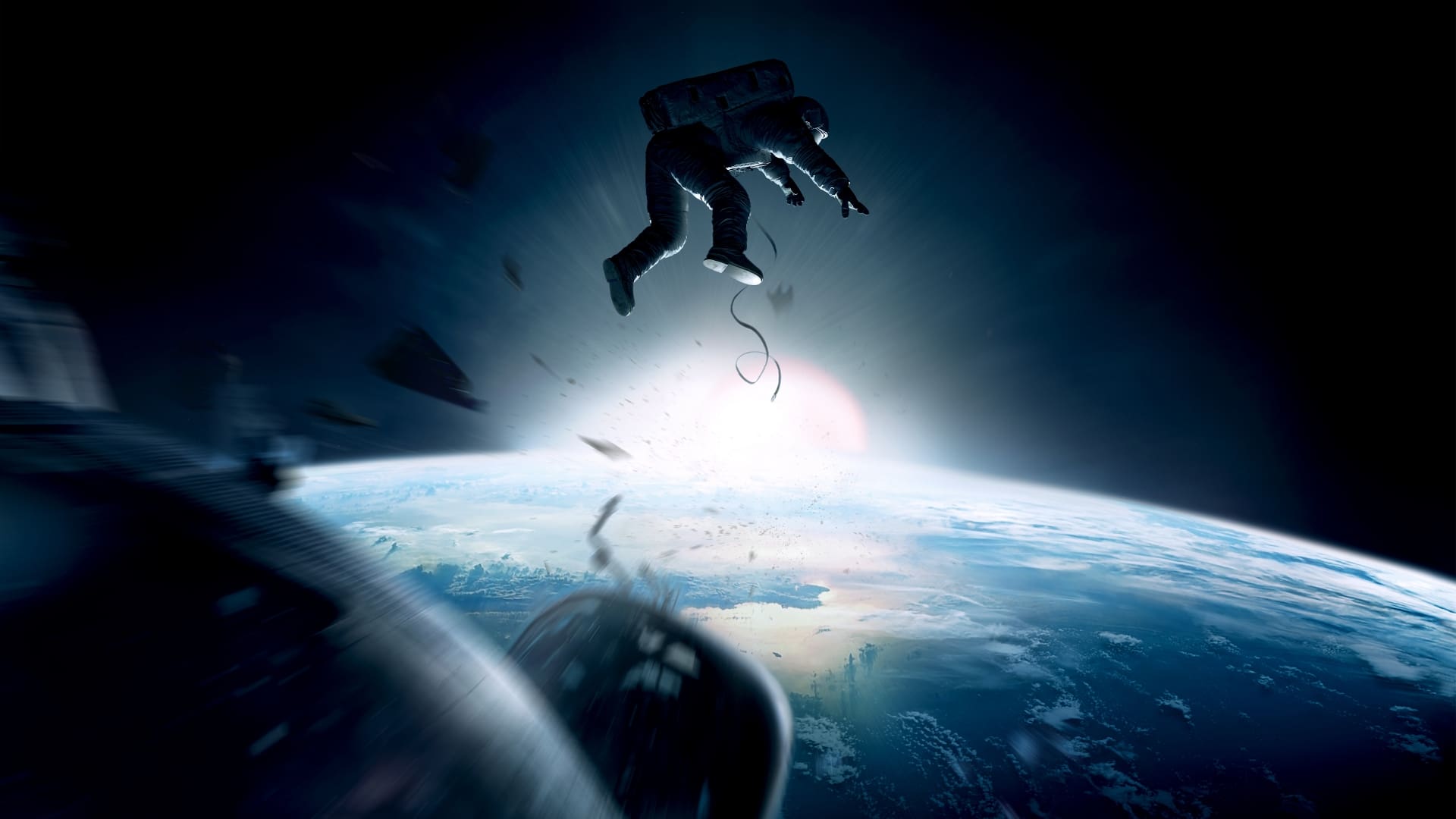
While 12 Years a Slave captured the narrative soul of the year, Gravity captured its imagination. Alfonso Cuarón’s space thriller was a masterclass in technical filmmaking, utilizing groundbreaking long takes and innovative CGI to simulate zero gravity. The film swept the technical categories and earned Cuarón the Academy Award for Best Director. In 2026, Gravity is still frequently cited in film schools as a primary example of how visual effects can be used to enhance—rather than distract from—emotional immersion.
Key Performances and Breakthroughs
The acting categories in 2013 were equally stacked. Matthew McConaughey and Jared Leto both won Oscars for their roles in Dallas Buyers Club, a film that epitomized the "McConaughey-ssance"—a period in which the actor transitioned from romantic comedies to serious dramatic work. Cate Blanchett’s performance in Woody Allen’s Blue Jasmine was also widely considered one of the strongest of her career, earning her the Best Actress trophy.
The Auteur Resurgence and Independent Cinema
Beyond the glitz of the Oscars and the box office, 2013 was a banner year for auteur-driven cinema. Several established directors released films that have since become essential parts of their filmography. Martin Scorsese’s The Wolf of Wall Street was perhaps the most provocative of these releases. A three-hour, high-octane exploration of financial corruption and hedonism, the film polarized some critics for its perceived glorification of its subject, while others praised it as a blistering satire of the American Dream.
In the realm of science fiction, Spike Jonze’s Her offered a prescient look at human-AI relationships. Watching the film from 2026, its themes of digital loneliness and the blurring lines between biological and artificial consciousness feel remarkably contemporary. Similarly, the Coen Brothers released Inside Llewyn Davis, a melancholic look at the 1960s folk music scene in Greenwich Village. Though it was a modest commercial success, it has grown in stature among cinephiles as one of the duo’s most profound works.
The independent scene also saw the rise of studios like A24, which was still in its infancy in 2013. The release of Harmony Korine’s Spring Breakers and Sofia Coppola’s The Bling Ring signaled a new wave of "cool," aesthetically driven indie films that targeted a younger, digitally native demographic.
Comparative Overview of Top 2013 Films
The following table provides a snapshot of the diversity in the 2013 film market, comparing box office performance against critical reception from the era.
| Film Title | Director | Lead Genre | Budget (Est.) | Global Box Office | Rotten Tomatoes (Critics) |
|---|---|---|---|---|---|
| Frozen | Chris Buck, Jennifer Lee | Animation/Musical | $150M | $1.28B | 90% |
| Iron Man 3 | Shane Black | Superhero/Action | $200M | $1.21B | 79% |
| Gravity | Alfonso Cuarón | Sci-Fi/Thriller | $100M | $723M | 96% |
| 12 Years a Slave | Steve McQueen | Historical Drama | $20M | $187M | 95% |
| The Wolf of Wall Street | Martin Scorsese | Biographical/Comedy | $100M | $406M | 80% |
| The Hunger Games: Catching Fire | Francis Lawrence | YA Dystopian | $130M | $865M | 90% |
| Inside Llewyn Davis | Joel & Ethan Coen | Music/Drama | $11M | $33M | 92% |
| The Conjuring | James Wan | Supernatural Horror | $20M | $320M | 86% |
Genre Trends: Horror and Young Adult Dystopia
2013 was a significant year for the horror genre, specifically for the "modern classical" style popularized by James Wan. The Conjuring was released to critical acclaim and massive box office returns, launching an interconnected cinematic universe that remains active in 2026. The film’s focus on atmospheric dread and practical effects over "gore-nography" helped revitalize the supernatural subgenre.
Simultaneously, the "Young Adult" (YA) trend reached its absolute peak. The Hunger Games: Catching Fire proved that these adaptations could be sophisticated, political, and emotionally resonant. However, the year also showed signs of the genre’s eventual fatigue, as other adaptations like The Mortal Instruments: City of Bones and Beautiful Creatures struggled to find a foothold, leading to the gradual decline of the YA craze toward the late 2010s.
Technological Advancements and Industry Shifts
The technical achievements of 2013 films set the stage for the next decade of production. Gravity utilized a "Light Box" consisting of thousands of LED lights to create realistic reflections on the actors' faces, a precursor to the "Volume" technology used in 2026 productions.
Additionally, 2013 was a year of reckoning for film distribution. Netflix released its first major original series (House of Cards) earlier that year, signaling the beginning of the streaming revolution that would eventually challenge the traditional theatrical window. While the 2013 film slate was overwhelmingly theatrical, the seeds of the "home-first" consumption model were being planted, fundamentally changing how smaller dramas and independent films would be financed and viewed in the years to come.
Frequently Asked Questions
What was the highest-grossing movie released in 2013?
Globally, Frozen was the highest-grossing film released in 2013, earning approximately $1.28 billion. It was followed closely by Iron Man 3. Domestically (in North America), The Hunger Games: Catching Fire actually took the top spot for the year of 2013, showcasing the immense popularity of the franchise at that time.
Which film won Best Picture at the 86th Academy Awards?
12 Years a Slave, directed by Steve McQueen, won the Academy Award for Best Picture. The 86th Oscars were held in early 2014 to honor the best films of 2013. Other notable winners that year included Matthew McConaughey for Best Actor (Dallas Buyers Club) and Cate Blanchett for Best Actress (Blue Jasmine).
Was 2013 a good year for horror films?
Yes, 2013 is often cited as a standout year for horror. The Conjuring became a massive hit and is now considered a modern classic. Other notable entries included Insidious: Chapter 2, Evil Dead (the remake), and the low-budget hit The Purge, which launched a long-running franchise.
Why was "Frozen" so significant for Disney in 2013?
Frozen marked the first time a Walt Disney Animation Studios film (non-Pixar) had reached such a high level of global cultural and financial success since the 1990s "Renaissance." It broke records for animated films and established a new formula for the studio, focusing on subverting traditional princess tropes and emphasizing sisterly bonds over romantic ones.
Did any 2013 films influence future filmmaking technology?
Gravity was the most influential film of 2013 regarding technology. Its use of digital cinematography, complex lighting rigs, and seamless integration of live-action with CGI environments pioneered techniques that are still utilized in 2026. It forced a re-evaluation of how "real" a film could look when set in an impossible environment like deep space.
Assessing the Longevity of 2013 Cinema
As we evaluate these films from 2026, the longevity of the 2013 class is evident in how frequently these titles are still discussed, streamed, and referenced. Films like Her and The Wolf of Wall Street have remained relevant not just for their entertainment value, but for their prophetic insights into technology and capitalism. Meanwhile, the franchises that saw major entries in 2013—the MCU, the Fast Saga, and the Conjuring Universe—have become the structural pillars of modern theatrical exhibition.
For those looking to explore the best of the decade, 2013 provides a comprehensive "starter kit" of cinematic excellence. Whether you are interested in the technical precision of a space thriller, the emotional weight of a historical biopic, or the simple joy of a revolutionary animated musical, the films of 2013 offer a diverse and high-quality catalog that continues to reward viewers more than a decade after their initial release.