The 2012 WWE career landscape was defined by CM Punk’s record-breaking 434-day WWE Championship reign, the high-profile return of Brock Lesnar, and the historic "Once in a Lifetime" clash between The Rock and John Cena. It served as a pivotal transitional year, bridging the PG Era with the emerging "Reality Era."
The year 2012 stands as one of the most transformative periods in modern professional wrestling history. For performers within the company, it was a year of stark contrasts: established legends returned to reclaim the spotlight, while a new generation of technical wizards and "indie darlings" finally broke through the glass ceiling. Analyzing a 2012 WWE career requires looking at the shift from traditional "super-heavyweight" booking toward a more workrate-centric product, alongside the permanent expansion of flagship programming.
The Year of the "Best in the World": CM Punk’s Historic Reign
No discussion of a 2012 WWE career is complete without centering on CM Punk. Having won the WWE Championship at Survivor Series 2011, Punk held the title for the entirety of 2012. This feat was remarkable not just for its longevity, but for the character evolution Punk underwent to maintain his position at the top of the mountain.
During the first half of the year, Punk operated as a defiant, "voice of the voiceless" babyface. He engaged in a high-level technical rivalry with Chris Jericho, culminating in a classic encounter at WrestleMania XXVIII. However, the internal mechanics of WWE booking meant that despite being the champion, Punk often played second fiddle to John Cena in terms of pay-per-view (PPV) main event slots. This "perceived slight" was eventually integrated into his on-screen persona.
The turning point occurred at Raw 1000 in July 2012. Punk shocked the audience by attacking The Rock, signaling a heel turn that would redefine the latter half of his year. By aligning with the legendary Paul Heyman, Punk transitioned into a "special attraction" style champion. His 2012 career path demonstrated that a smaller, technically proficient wrestler could carry the company’s primary title for a full calendar year, provided they possessed elite-level microphone skills and a willingness to adapt their character.
The Unexpected Ascent of Daniel Bryan and the "Yes!" Movement
While CM Punk held the gold, Daniel Bryan experienced what many consider the most fascinating career trajectory of 2012. Entering the year as the World Heavyweight Champion, Bryan’s career appeared to hit a catastrophic roadblock at WrestleMania XXVIII. In a match that lasted only 18 seconds, Bryan lost his title to Sheamus after a single "Brogue Kick."
In any other era, such a loss might have buried a talent's career. Instead, it ignited the "Yes!" movement. The live audience in Miami the following night on Raw spent the entire evening chanting "Yes!" in support of Bryan, rejecting the narrative that he was a "flash in the pan." This organic groundswell forced WWE management to keep Bryan in the main event picture.
Throughout the summer of 2012, Bryan was involved in a high-stakes psychological triangle with CM Punk and AJ Lee. This eventually led to the formation of "Team Hell No" with Kane. The career pivot from a serious technical wrestler to a comedic-yet-deadly tag team specialist allowed Bryan to showcase a range of charisma that established him as a permanent fixture in the main event scene. His 2012 journey is a masterclass in turning a booking disaster into a career-defining success.
The Return of the Beast and the Birth of Justice
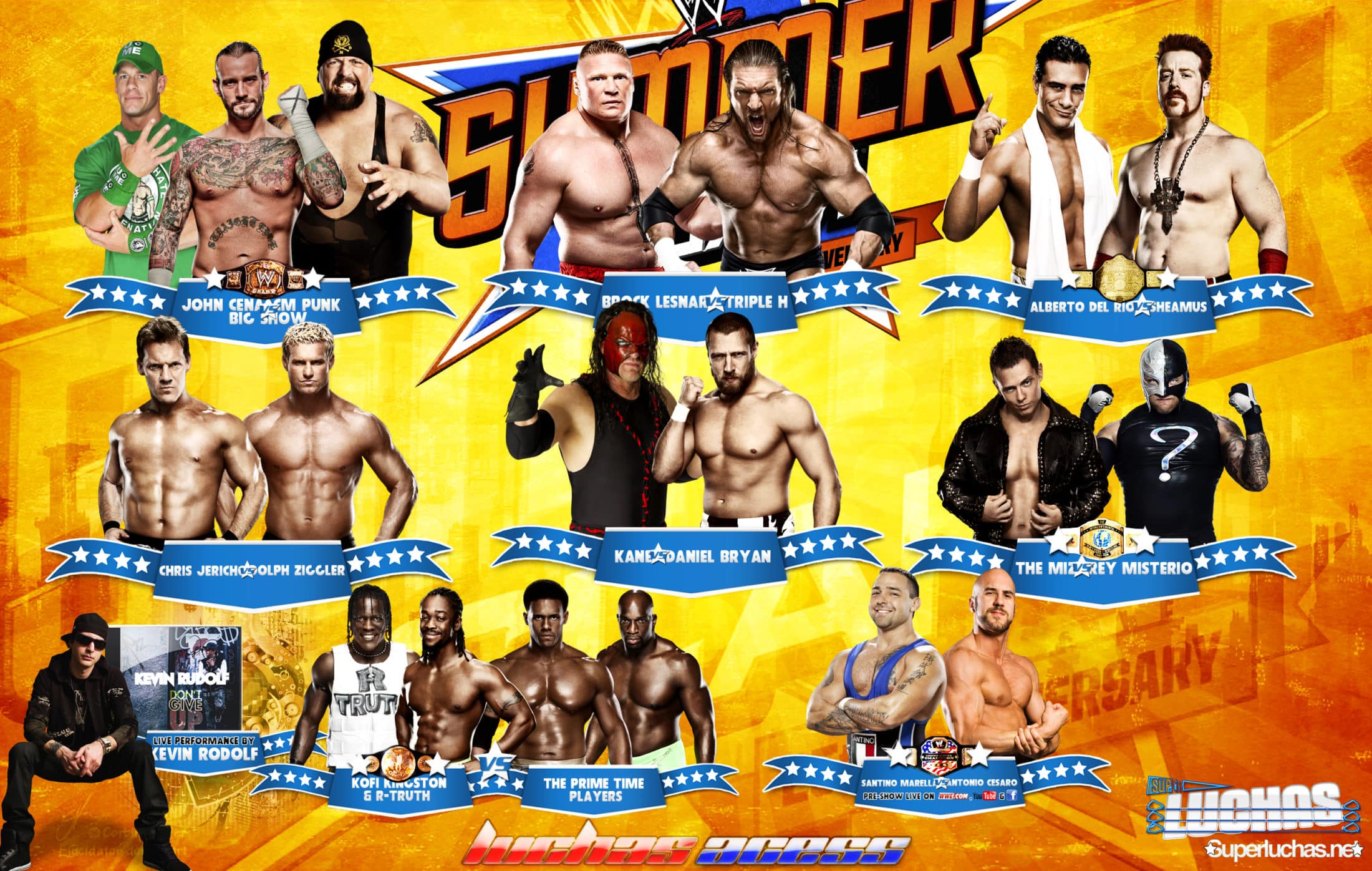
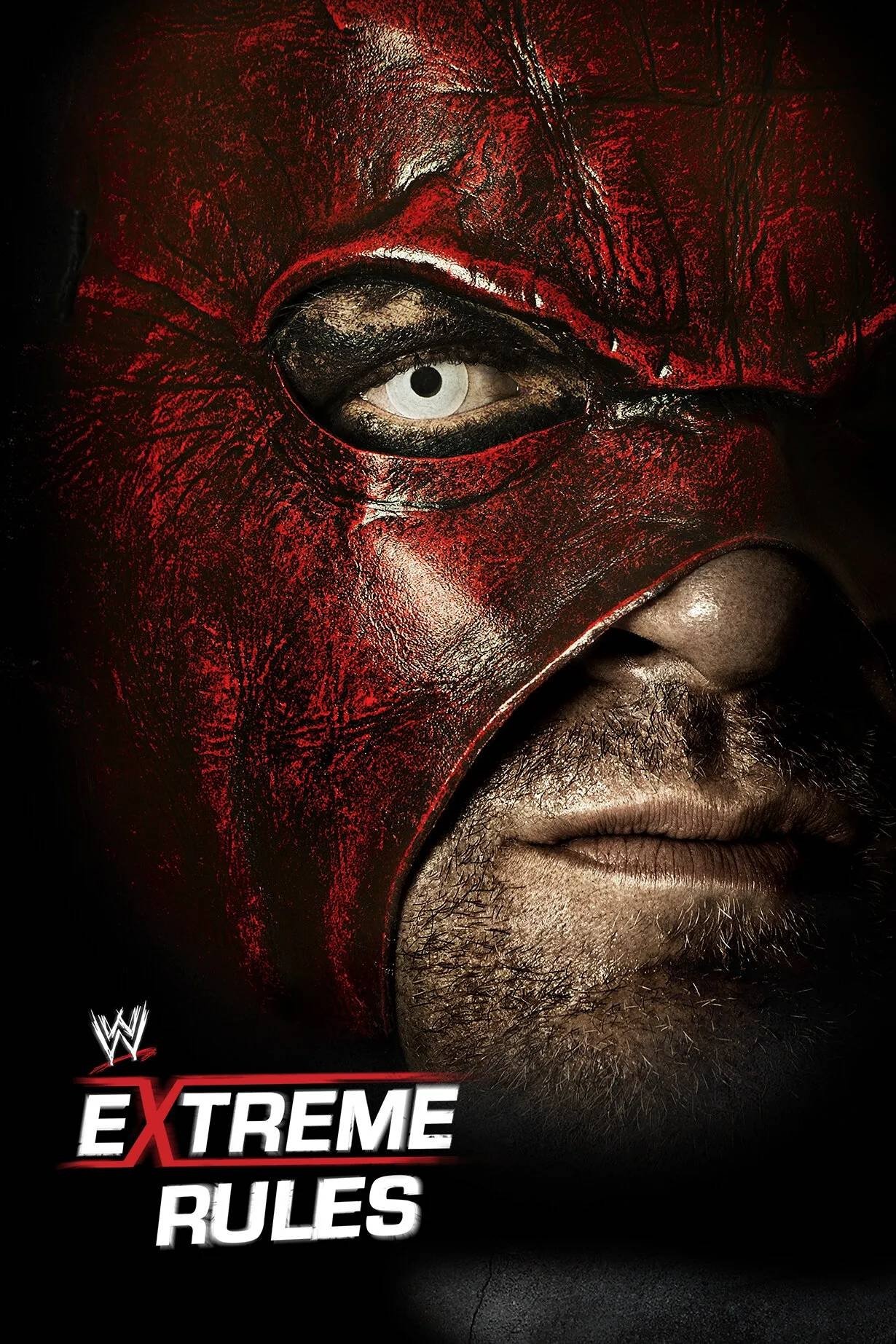
The 2012 WWE career landscape was also shaped by massive external forces. The night after WrestleMania XXVIII saw the return of Brock Lesnar after an eight-year absence. Lesnar’s return shifted the "physicality" of the product. His matches against John Cena (Extreme Rules) and Triple H (SummerSlam) were presented with a more realistic, MMA-influenced aesthetic, which stood in stark contrast to the standard WWE style.
As the year drew to a close, another seismic shift occurred at Survivor Series 2012. The debut of The Shield—comprising Dean Ambrose, Seth Rollins, and Roman Reigns—represented the most successful developmental-to-main-roster transition in company history. By interrupting the main event to help CM Punk retain his title, The Shield immediately established themselves as top-tier threats. Their arrival signaled the end of the "superstar" vacuum, proving that WWE could still manufacture new, credible main-event talent through disciplined booking and a unified presentation.
Statistical Comparison of Top 2012 Performers
To understand the hierarchy of the 2012 roster, we must look at the primary champions and their impact on the product.
| Performer | Primary Title Held | Notable Feud(s) | Career Impact |
|---|---|---|---|
| CM Punk | WWE Championship | Chris Jericho, John Cena, Ryback | Solidified the "Modern Era" title reign record. |
| John Cena | None (Money in the Bank) | The Rock, Brock Lesnar, Dolph Ziggler | Focused on "Once in a Lifetime" and high-profile losses. |
| Sheamus | World Heavyweight Title | Daniel Bryan, Big Show | Established as the "workhorse" powerhouse of the blue brand. |
| Daniel Bryan | World Heavyweight / Tag Team | CM Punk, Kane | Transformed from "Indie Darling" to mainstream star. |
| The Big Show | World Heavyweight Title | Sheamus | Reinvigorated his career as a dominant "Giant" heel. |
| Ryback | None | CM Punk | Peak of his undefeated streak and "Feed Me More" popularity. |
John Cena’s "Worst Year" and the Once in a Lifetime Phenomenon
From a technical SEO and storytelling perspective, 2012 is often categorized by WWE as "John Cena’s worst year." This narrative was used to humanize the franchise player who had dominated the previous decade. The centerpiece of this arc was his loss to The Rock at WrestleMania XXVIII. This match was the culmination of a year-long build-up and remains one of the highest-grossing events in combat sports history.
Following his loss to The Rock, Cena’s 2012 career involved a brutal beating by Brock Lesnar, a failed Money in the Bank cash-in (the first in history), and a divorce in his personal life that was occasionally alluded to on television. While Cena remained the "face" of the company, his 2012 path was designed to create a "redemption" arc that would eventually lead to a rematch with The Rock in 2013. For any analyst of WWE career structures, Cena's 2012 is a textbook example of how to maintain a top star's relevance even while they are consistently losing major matches.
The Raw 1000 Evolution: Structural Changes to WWE Programming
In July 2012, WWE made a permanent structural change that fundamentally altered the careers of every person on the roster: Monday Night Raw expanded from two hours to three. This change, which occurred during the 1,000th episode celebration, had several immediate effects on career development:
- Increased Mid-Card Exposure: The extra hour required more content, leading to longer matches for mid-card talents like Dolph Ziggler, Kofi Kingston, and The Miz.
- The "Three-Hour Fatigue": Writers had to stretch storylines further, often leading to repetitive segments or "rematch culture" that could stall a performer's momentum.
- Experimental Segments: The extra time allowed for more non-wrestling segments, which helped personalities like AJ Lee and Damien Sandow establish their unique characters.
Frequently Asked Questions
Who was the longest-reigning champion in WWE in 2012?
CM Punk was the longest-reigning champion. He held the WWE Championship for the entire calendar year of 2012, having won it on November 20, 2011, and eventually losing it on January 27, 2013. His reign totaled 434 days, making it the longest reign of the modern era at that time.
When did The Shield make their debut?
The Shield (Roman Reigns, Seth Rollins, and Dean Ambrose) made their debut at the Survivor Series pay-per-view on November 18, 2012. They interfered in the triple threat main event between CM Punk, John Cena, and Ryback, powerbombing Ryback through an announce table.
What happened to Daniel Bryan at WrestleMania 28?
In one of the most famous matches of his career, Daniel Bryan lost the World Heavyweight Championship to Sheamus in just 18 seconds. After receiving a "good luck" kiss from his then-girlfriend AJ Lee, he turned around directly into a Brogue Kick. This loss ironically sparked the massive "Yes!" movement that propelled him to future stardom.
Did The Rock wrestle more than once in 2012?
The Rock only wrestled one televised match in 2012, which was the "Once in a Lifetime" main event against John Cena at WrestleMania XXVIII. However, he made several appearances throughout the year to build the feud and to announce his intention to challenge for the WWE Championship at the Royal Rumble in 2013.
Who won the 2012 Royal Rumble?
Sheamus won the 2012 Royal Rumble match, last eliminating Chris Jericho. This victory earned him the title shot against Daniel Bryan at WrestleMania XXVIII, where he won the World Heavyweight Championship.
Analyzing the Long-Term Impact of 2012 Career Paths
When examining these events from the perspective of 2026, it is clear that 2012 was the "seed" for the next decade of WWE storytelling. The Shield’s debut created three of the biggest stars in the industry. CM Punk’s reign proved that a workrate-oriented champion could be a commercial success. Daniel Bryan’s resilience changed the way fans interacted with the product, ushering in the "hijack" era where fans would vocally demand their favorites receive better booking.
For those looking to understand the mechanics of professional wrestling careers, 2012 serves as a vital case study in adaptation. Whether it was a veteran like Big Show finding a new gear as a dominant heel or a newcomer like Ryback capturing lightning in a bottle with a simple catchphrase, the year rewarded those who could connect with an increasingly vocal and internet-savvy audience.