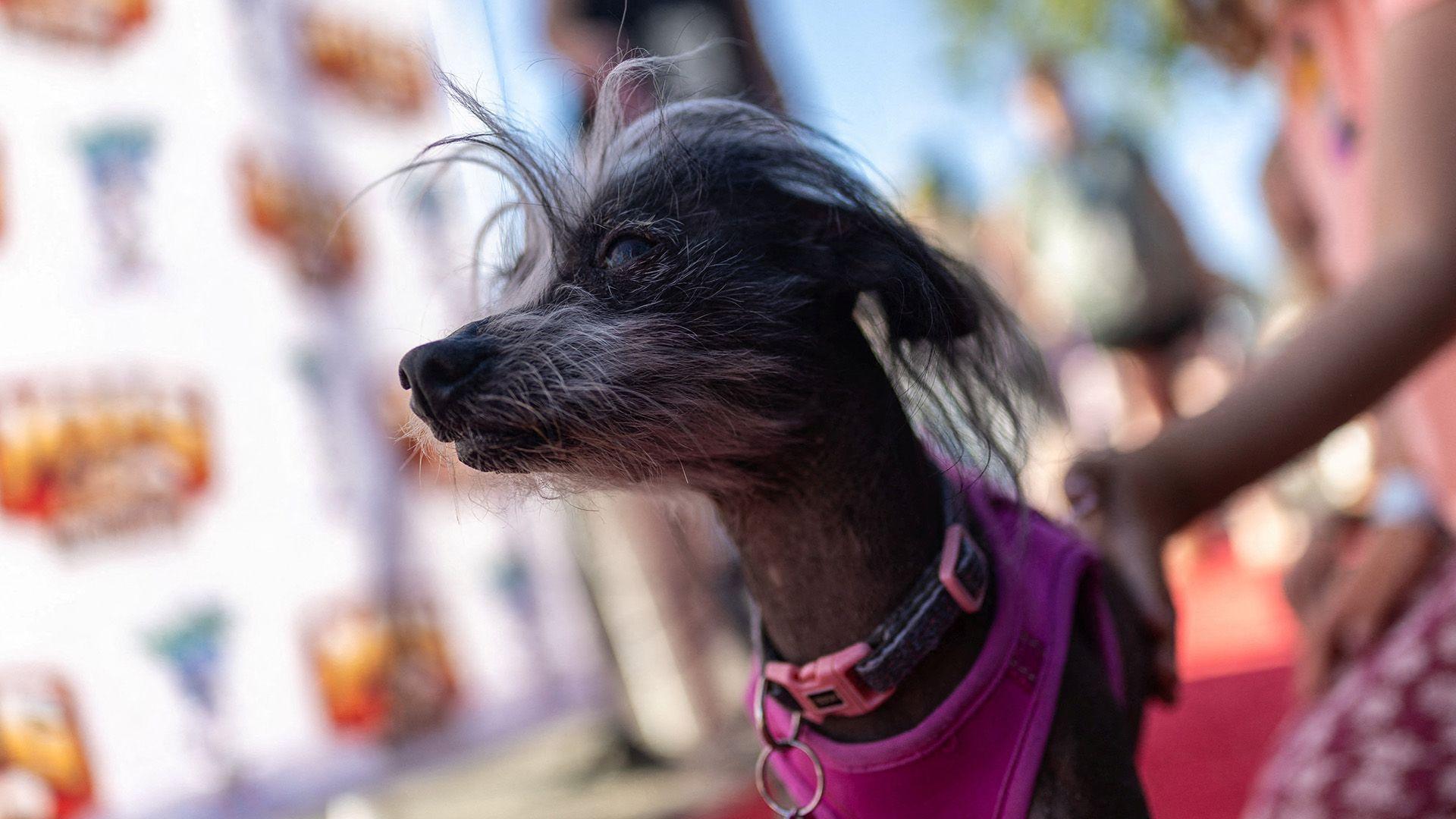
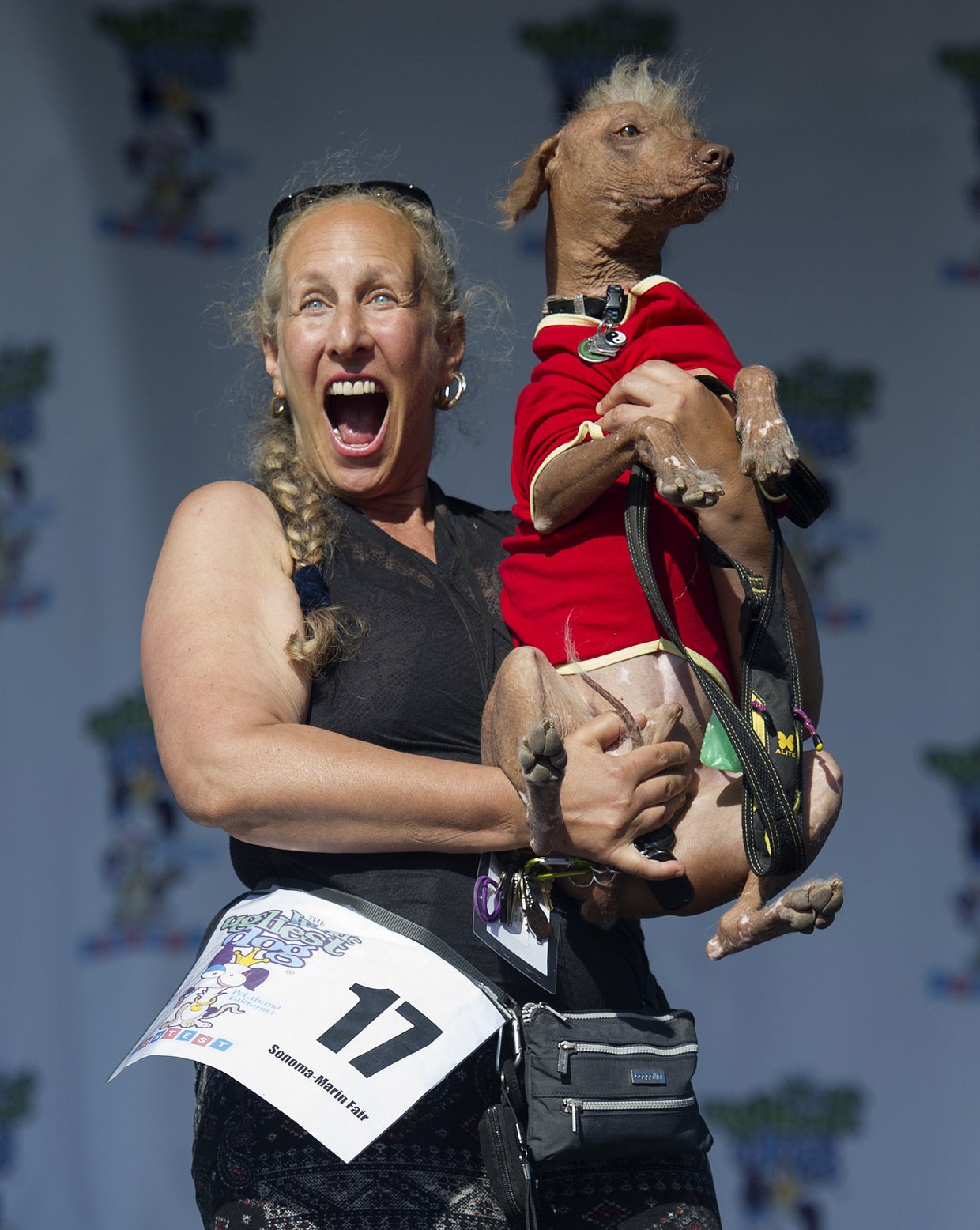
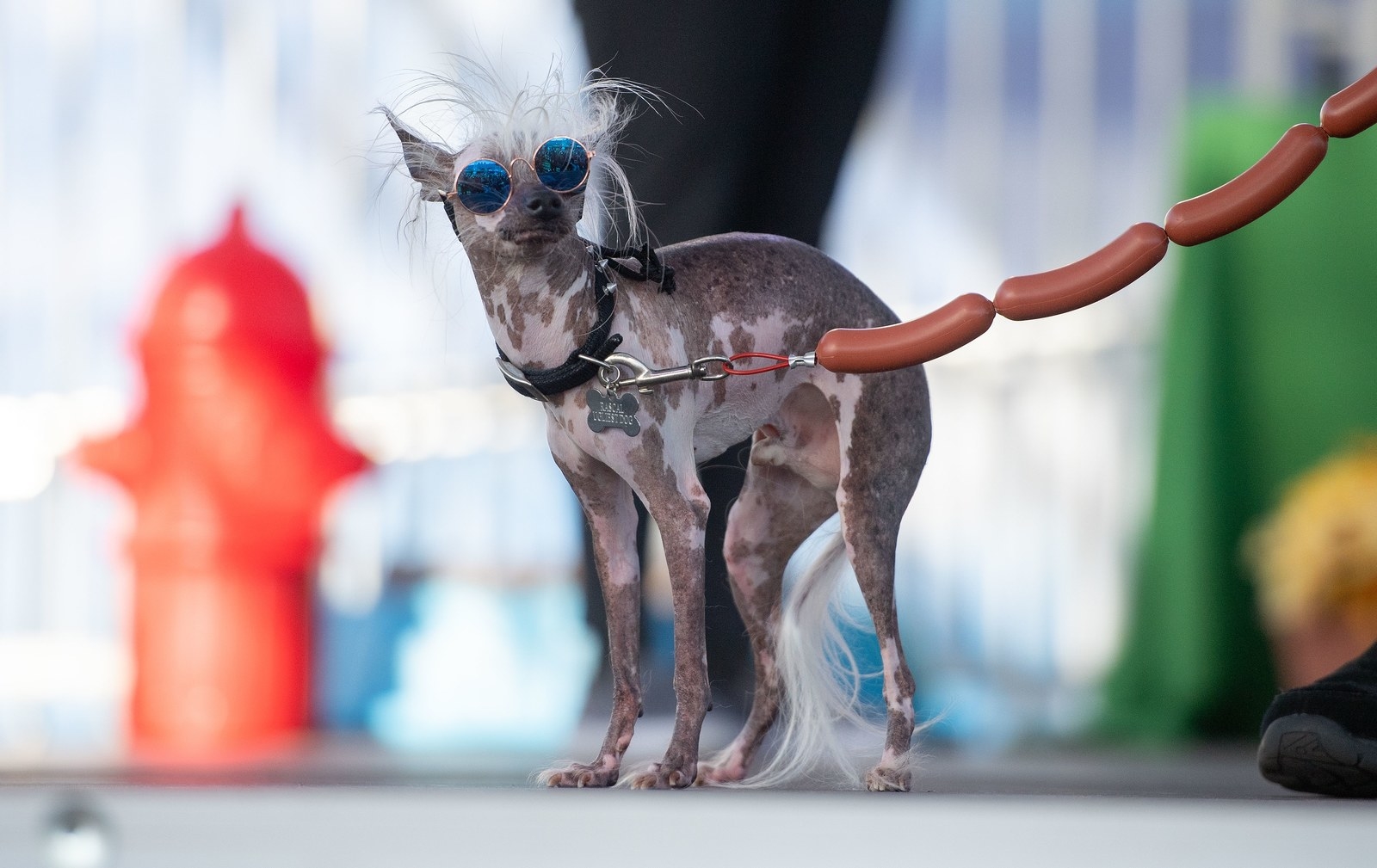
Mugly, an 8-year-old Chinese Crested from Peterborough, England, was officially crowned the winner of the 2012 World's Ugliest Dog Contest. He secured the title at the Sonoma-Marin Fair in Petaluma, California, by impressing judges with his protruding whiskers, beady eyes, and distinctive hairless snout, ultimately winning a $1,500 prize and international fame.
The World’s Ugliest Dog Contest is not a celebration of cruelty, but rather a high-profile tribute to the "inner beauty" of dogs that do not conform to traditional aesthetic standards. Since its inception in the 1970s, the event has grown from a local small-town fair attraction into a global phenomenon. The 2012 competition remains one of the most memorable in the contest's history due to its international winner and the massive media attention that followed Mugly’s journey from the United Kingdom to California.
The Story of Mugly: A British Champion on American Soil
Before arriving in Petaluma for the 2012 World's Ugliest Dog Contest, Mugly was already a decorated "ugly" dog in his home country. In 2005, he had been named Britain's Ugliest Dog. His owner, Bev Nicholson, recognized that Mugly’s unique appearance—characterized by his mottled, hairless skin and white bristles that sprouted like whiskers—had the potential to win on a global stage.
Mugly’s victory in 2012 was significant because it marked a rare instance of a non-American dog taking the top prize. The logistics of transporting an 8-year-old dog across the Atlantic for a beauty (or lack thereof) contest demonstrated the dedication of his owner and the growing prestige of the Sonoma-Marin Fair event. Upon his win, Mugly was awarded a trophy, a $1,500 cash prize, a VIP stay at the Sheraton Sonoma County, and a year’s supply of dog treats.
Mugly’s "ugliness" was a result of his breed’s genetics. As a Chinese Crested, he lacked the typical fur coat of most breeds, exposing his dark, wrinkled skin. His face featured several misaligned teeth and a short, squashed muzzle that gave him a perpetually startled expression. Despite his appearance, Nicholson frequently emphasized that Mugly was a "gentle soul" who worked as a therapy dog, visiting hospitals and schools to provide comfort to those in need.
The World’s Ugliest Dog Contest: Judging and Criteria
To understand how Mugly triumphed in 2012, one must look at the specific judging criteria used by the Sonoma-Marin Fair. The contest is divided into several categories, including "Pedigree" and "Mutt," with the winners of each category facing off for the ultimate title. Judges do not look for "grossness" in a vacuum; they evaluate contestants based on a combination of physical attributes, personality, and the story of how the dog was rescued or adopted.
The primary judging pillars include:
- First Impression: The immediate visual impact of the dog's unconventional features.
- Unique Attributes: Features such as protruding tongues, missing fur, misaligned limbs, or unique skin textures.
- Personality: How the dog interacts with the judges and the audience on the red carpet.
- Audience Reaction: The "cheer factor" from the thousands of spectators who attend the fair.
In 2012, the competition was fierce. Mugly was up against 28 other dogs, including former champions and local favorites. The judges noted that while many dogs had "messy" appearances, Mugly’s look was consistently striking from every angle. His "natural" ugliness—unaffected by grooming or intentional styling—was exactly what the contest sought to celebrate.
Comparing the Ultimate Ugly Dog Contest Champions
The 2012 winner sits within a lineage of famous champions who have all contributed to the contest’s mission of promoting pet adoption. Looking back from 2026, we can see how the types of winners have evolved, though the Chinese Crested breed remains a dominant force in the competition.
The following table compares Mugly with other notable champions from that era to highlight the diversity of "ugly" traits that have caught the judges' eyes over the years.
| Year | Champion Name | Primary Breed/Mix | Key Physical Characteristics |
|---|---|---|---|
| 2011 | Yoda | Chinese Crested/Chihuahua | Long tongue, sparse hair, protruding eyes |
| 2012 | Mugly | Chinese Crested | White whiskers, hairless mottled skin, snaggleteeth |
| 2013 | Walle | Beagle/Boxer/Basset | Unusually large head, short legs, "humped" back |
| 2014 | Peanut | Mutt (Chihuahua/Shih Tzu) | Protruding teeth, hairless patches, bulging eyes |
| 2015 | Quasi Modo | Pit Bull/Dutch Shepherd | Shortened spine (Short Spine Syndrome), hunchback |
| 2016 | SweePea Rambo | Chinese Crested | Blindness, mohawk of hair, permanently out tongue |
This comparison illustrates that while "ugliness" is subjective, it often involves a combination of genetic traits and rescue histories. Walle (2013), for instance, was a departure from the "hairless" trend, winning because his body proportions were so unique that judges remarked he looked like he was "Photoshopped" in real life.
The Genetics of "Ugliness": Why Certain Breeds Dominate
A recurring theme in the history of the World's Ugliest Dog Contest is the prevalence of the Chinese Crested breed. Mugly (2012), Yoda (2011), and SweePea Rambo (2016) all shared this ancestry. To the casual observer, it might seem like the contest is biased, but there are biological reasons why this breed often fits the contest's criteria.
Chinese Cresteds often carry a genetic mutation for hairlessness, which is frequently linked to dental abnormalities (ectodermal dysplasia). This often results in missing or misaligned teeth, which prevents the dog from keeping its tongue inside its mouth. When a dog has hairless, wrinkled skin combined with a permanently protruding tongue and bulging eyes, it hits the "trifecta" of the contest’s judging categories.
Furthermore, many of these dogs are rescues. Because they do not meet the "cute and cuddly" standards of traditional pet stores or breeders, they are often the last to be adopted from shelters. The contest serves as a platform to show that these "misfit" dogs are just as loving and capable as any purebred show dog.
The Post-Win Impact: Mugly’s Media Tour and Legacy
Winning the 2012 title was just the beginning for Mugly. The victory launched an international media tour that saw the British dog appearing on major news networks such as CNN, the BBC, and NBC’s Today show. The fame associated with being the "World's Ugliest Dog" allows owners to advocate for animal welfare on a much larger stage.
Mugly used his platform to promote the "Adopt, Don't Shop" movement. His owner, Bev Nicholson, often spoke about how Mugly had been abandoned by a breeder because he was considered "unsellable." By winning the contest, Mugly proved that there was value and beauty in every animal, regardless of physical imperfections.
Mugly passed away in 2017 at the age of 12. His death was mourned by fans worldwide, and he is remembered as one of the most "graceful" champions the contest has ever seen. His legacy continues to influence the contest today, as owners of unconventional-looking dogs cite Mugly as an inspiration for entering their pets into the competition.
Common Challenges for Unique-Looking Pets
While the contest celebrates these dogs, owning a pet with unconventional features—often resulting from genetic conditions or poor breeding—comes with specific responsibilities. The 2012 winner, like many Chinese Cresteds, required specialized care that "standard" breeds do not.
- Skin Care: Hairless dogs are susceptible to sunburn and acne. Mugly required regular moisturizing and sunblock applications when outdoors.
- Dental Issues: Misaligned teeth can lead to difficulty eating and a higher risk of periodontal disease. Owners often have to provide specialized diets or frequent veterinary dental cleanings.
- Temperature Regulation: Without a coat, these dogs struggle to maintain body heat in cold climates, necessitating sweaters and indoor climate control.
- Public Perception: Owners of "ugly" dogs often face scrutiny or unkind comments in public. Part of the contest's goal is to sensitize the public to the fact that appearance does not dictate a dog's temperament or value.
Frequently Asked Questions
Who won the World's Ugliest Dog Contest in 2012?
Mugly, an 8-year-old hairless Chinese Crested from Peterborough, England, won the 2012 title. He was owned by Bev Nicholson and beat 28 other competitors to take the crown at the Sonoma-Marin Fair in California.
What is the prize for winning the World's Ugliest Dog Contest?
In 2012, the winner received a $1,500 cash prize, a trophy, and a year’s supply of premium dog treats. Winners also typically receive an all-expenses-paid trip to New York for media appearances and a VIP hotel stay during the event.
Why do Chinese Cresteds win so often?
The Chinese Crested breed often possesses several traits that judges look for, such as hairlessness, mottled skin, and dental issues that cause the tongue to hang out. These genetic traits are a result of ectodermal dysplasia, which is common in the hairless variety of the breed.
Is the World's Ugliest Dog Contest mean to the animals?
No, the contest organizers and participants emphasize that the event is about celebrating rescue dogs and promoting adoption. Most contestants are former shelter dogs who have found loving "forever homes," and the event highlights the bond between these pets and their owners.
Where is the contest held every year?
The contest is held annually at the Sonoma-Marin Fair in Petaluma, California. It usually takes place in June and serves as one of the fair's most popular attractions, drawing thousands of spectators and international media coverage.
What happened to Mugly after he won?
Mugly became a celebrity and a therapy dog. He appeared on numerous television shows and worked in his local community in the UK to help children and hospital patients. He passed away peacefully in 2017 at the age of 12.
Supporting the "Ugly" Dog Mission
For those inspired by Mugly’s story and the 2012 contest, the best way to honor these champions is through supporting local animal shelters and rescue organizations. Many of the dogs that compete in the World's Ugliest Dog Contest were once "unadoptable" animals sitting in shelters. By choosing to adopt pets with special needs or unconventional appearances, you provide a home to an animal that might otherwise be overlooked. If you are interested in attending the contest, the Sonoma-Marin Fair provides information on schedules and tickets, typically released in the spring of each year.