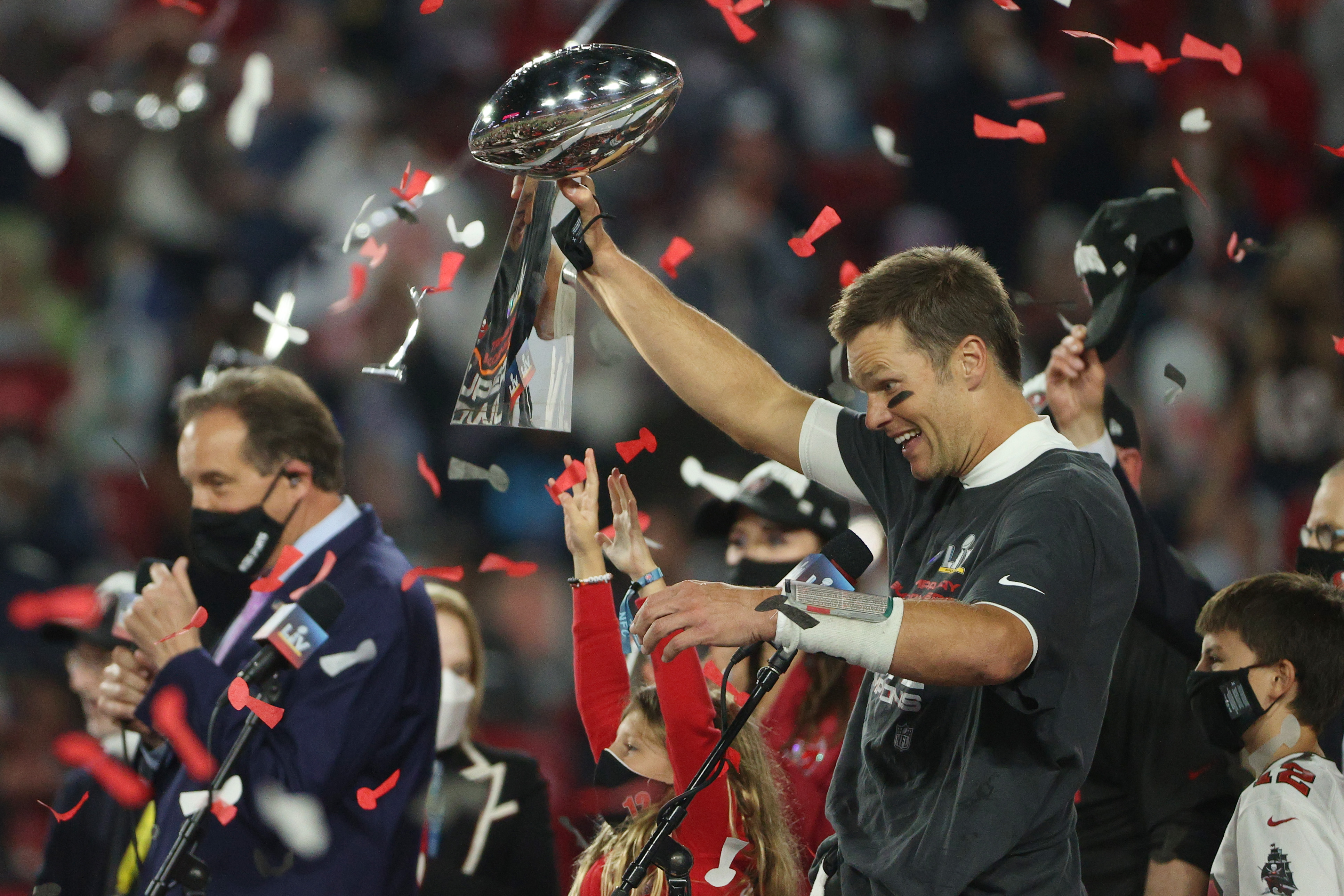
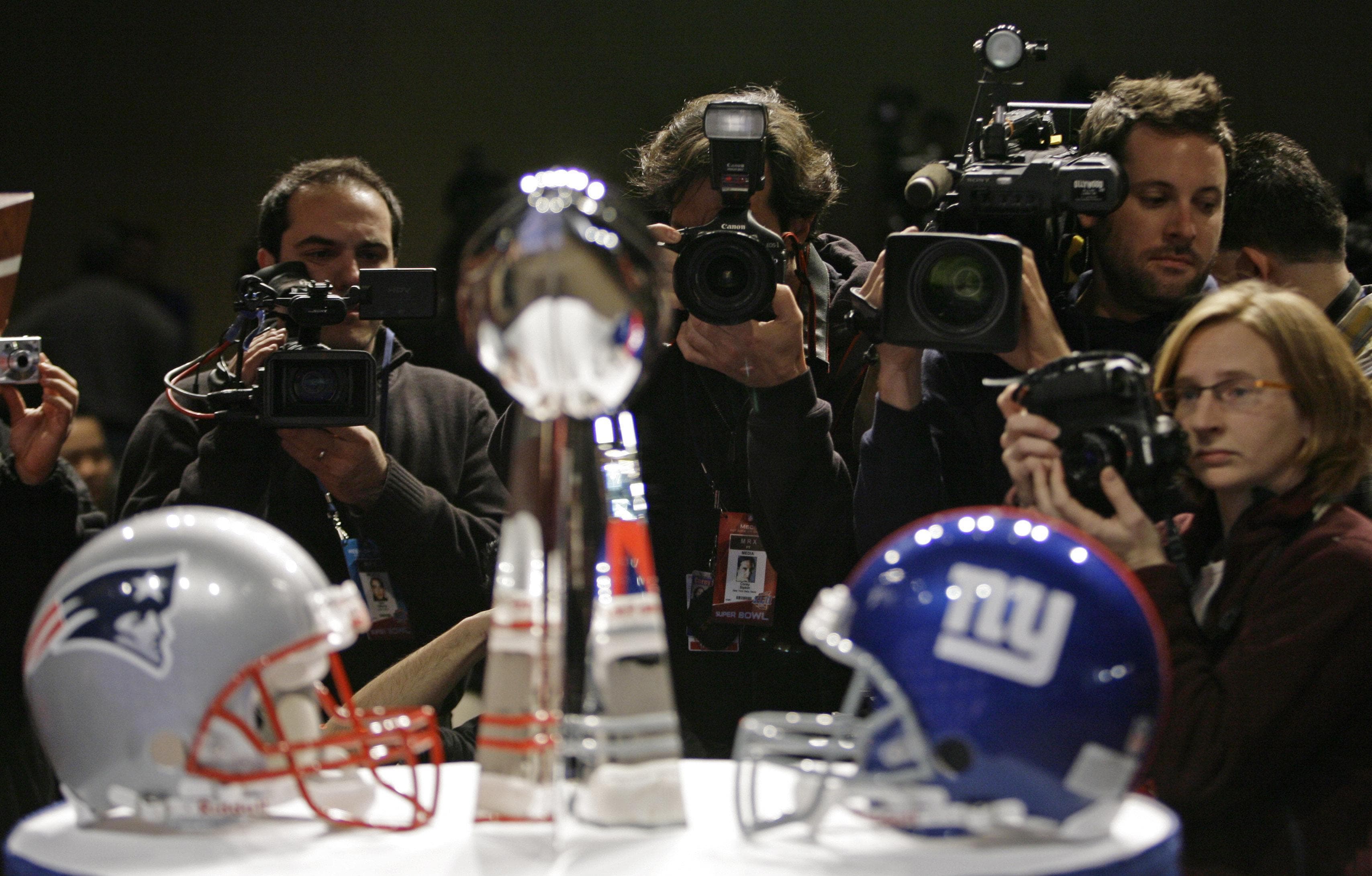
Super Bowl XLVI, played on February 5, 2012, saw the New York Giants defeat the New England Patriots 21–17 at Lucas Oil Stadium in Indianapolis. Led by MVP quarterback Eli Manning, the Giants overcame a mid-season slump to secure their second championship in five years against Tom Brady’s Patriots, cementing a unique era of NFL history.
The Path to Indianapolis: A Season of Contrasts
The 2011 NFL season leading up to the 2012 Super Bowl featured two franchises moving in opposite directions for much of the year. The New England Patriots, led by the legendary duo of Bill Belichick and Tom Brady, finished the regular season with a dominant 13–3 record. Their offense was a juggernaut, famously utilizing a two-tight-end system featuring Rob Gronkowski and Aaron Hernandez that revolutionized league matchups. New England entered the postseason as the AFC's top seed, seeking redemption for their 2007 loss to the Giants.
In contrast, the New York Giants followed a much more volatile path. They finished the regular season 9–7, nearly missing the playoffs entirely. They were forced to win their final two games just to secure the NFC East title. Despite their mediocre record, the Giants possessed a "battle-tested" quality. Quarterback Eli Manning had set an NFL record for fourth-quarter touchdown passes during the season, and the team’s defensive line, featuring Justin Tuck, Osi Umenyiora, and Jason Pierre-Paul, was hitting its peak at exactly the right time.
The Giants’ playoff run was nothing short of miraculous. They dismantled the Atlanta Falcons, stunned the 15–1 Green Bay Packers at Lambeau Field, and survived an overtime slugfest against the San Francisco 49ers in the NFC Championship. This set the stage for a rematch of Super Bowl XLII, a narrative that dominated sports media leading up to the kickoff in Indianapolis.
Technical Breakdown: The Game’s Strategic Flow
Super Bowl XLVI was a masterpiece of tactical football, defined by ball control, defensive pressure, and high-stakes decision-making. The game began with a rare occurrence: a safety. On the Patriots' first offensive play, Tom Brady, pressured in the end zone, threw a long pass to no eligible receiver. The resulting intentional grounding penalty in the end zone gave the Giants an early 2–0 lead.
The Giants extended this lead to 9–0 following a touchdown pass from Manning to Victor Cruz. However, the Patriots' offense eventually found its rhythm. Brady completed 16 consecutive passes—a Super Bowl record at the time—leading New England to 17 unanswered points. By the third quarter, the Patriots held a 17–9 lead, and the momentum seemed to have shifted permanently in favor of the AFC champions.
The Giants' defense, however, remained resilient. They pressured Brady consistently, limiting the effectiveness of the Patriots' deep passing game. A pair of Lawrence Tynes field goals brought the Giants within two points, setting the stage for one of the most famous final drives in NFL history.
The Manningham Catch and the Winning Drive
With 3:46 remaining in the game and trailing 17–15, the Giants took possession at their own 12-yard line. On the very first play of the drive, Eli Manning delivered what many analysts consider the greatest pass of his career. He launched a 38-yard sideline pass to wide receiver Mario Manningham.
The technical difficulty of this play cannot be overstated. Manningham was bracketed by two defenders, and the ball had to be placed in a window mere inches wide. Manningham managed to keep both feet in bounds while maintaining control of the ball as he hit the turf. This play immediately flipped the field and put the Patriots on the defensive.
The Giants continued to move the ball methodically down the field. As they approached the goal line, the Patriots' coaching staff faced a tactical dilemma. With the Giants at the 6-yard line and New England having only one timeout left, the Giants could have run the clock down to nearly zero before kicking a game-winning field goal.
In a controversial move, Bill Belichick instructed his defense to let the Giants score so that Tom Brady would have time for a comeback. This led to the famous "accidental" touchdown by Ahmad Bradshaw, who tried to stop himself at the 1-yard line but fell backward into the end zone. The score put the Giants up 21–17 but gave Brady 57 seconds to respond. The Patriots' final "Hail Mary" attempt fell incomplete as time expired, securing the Giants' victory.
Statistical Comparison: Super Bowl XLVI Key Metrics
The following table highlights the statistical parity and key performance indicators from the 2012 matchup.
| Metric | New York Giants | New England Patriots |
|---|---|---|
| Final Score | 21 | 17 |
| First Downs | 26 | 21 |
| Total Net Yards | 396 | 349 |
| Passing Yards | 296 | 276 |
| Rushing Yards | 114 | 83 |
| Turnovers | 0 | 1 |
| Time of Possession | 37:05 | 22:55 |
| Sacks Allowed | 3 | 2 |
The most telling statistic in this table is the Time of Possession. The Giants held the ball for over 14 minutes longer than the Patriots, a testament to their ability to sustain long drives and keep Tom Brady off the field.
The Cultural Impact: Halftime and Commercials
Super Bowl XLVI was not just a sporting event; it was a massive cultural milestone. The halftime show featured Madonna, who performed a medley of her hits alongside guest artists like LMFAO, Nicki Minaj, M.I.A., and CeeLo Green. The performance was one of the most-watched television events in U.S. history at the time, though it was briefly overshadowed by a controversial gesture from performer M.I.A. during the broadcast.
From a commercial perspective, the 2012 Super Bowl saw the average cost of a 30-second advertisement reach approximately $3.5 million. Notable commercials included the Chrysler "It’s Halftime in America" ad featuring Clint Eastwood and the Volkswagen "The Dog Strikes Back" spot. These advertisements marked a shift toward cinematic storytelling in Super Bowl marketing, a trend that continues into 2026.
Legacy and Historical Significance
In the context of 2026, Super Bowl XLVI is viewed as the definitive proof of Eli Manning's Hall of Fame trajectory. By winning his second Super Bowl MVP and defeating Tom Brady twice on the world’s biggest stage, Manning entered an elite tier of quarterbacks.
For the Patriots, this game represented the middle "lull" of their dynasty—a period where they were consistently elite but struggled to finish in the Super Bowl. It would take New England several more years to return to their winning ways in Super Bowl XLIX.
The game also remains a case study in NFL coaching. Bill Belichick’s decision to allow the Giants to score remains a point of debate in sports analytics. While mathematically sound in terms of maximizing time for his offense, it remains one of the few times a coach has intentionally conceded a touchdown in a championship game.
Frequently Asked Questions
Who won the MVP of the 2012 Super Bowl?
Eli Manning was named the Super Bowl XLVI MVP. He completed 30 of 40 passes for 296 yards and one touchdown, with no interceptions. This was his second Super Bowl MVP award, making him one of only a handful of players to achieve that distinction.
Where was Super Bowl XLVI played?
The game was held at Lucas Oil Stadium in Indianapolis, Indiana. It was the first time the city of Indianapolis had hosted a Super Bowl, and the event was widely praised for its organization and the atmosphere of "Super Bowl Village" in the downtown area.
What was the "intentional safety" in the 2012 Super Bowl?
The game began with a safety on the Patriots' first offensive possession. Facing heavy pressure in his own end zone, Tom Brady threw a deep pass to the middle of the field where no receivers were present. Referees ruled this "intentional grounding" in the end zone, which by rule results in a safety for the opposing team.
How many people watched the 2012 Super Bowl?
Approximately 111.3 million viewers in the United States watched Super Bowl XLVI, making it the most-watched television program in U.S. history at that time. It surpassed the record set by the previous year's Super Bowl.
Why did the Patriots let the Giants score at the end?
With less than a minute left and the Giants at the 1-yard line, the Patriots had only one timeout. If the Giants had kneeled or run the ball without scoring, they could have kicked a field goal with almost no time left on the clock. By letting the Giants score, the Patriots ensured Tom Brady would have nearly a minute to try to score a touchdown of his own.
Expert Perspective for Sports Historians
For those researching the evolution of the NFL, Super Bowl XLVI serves as a primary example of the "Post-Season Momentum" theory. The 2011 Giants remain the team with the lowest regular-season winning percentage (.563) ever to win a Super Bowl. This game is frequently cited by analysts when discussing why teams should never "tank" or give up on a season, as a 9–7 record was enough to produce a world champion.
The game also highlights the importance of the "Front Four" defensive strategy. The Giants' ability to pressure the quarterback without blitzing heavily allowed them to keep extra defenders in coverage, which was the specific blueprint required to slow down the 2011-era New England offense. For further technical study on these defensive schemes, official archives at the Pro Football Hall of Fame provide extensive film and play-call breakdowns from this era.