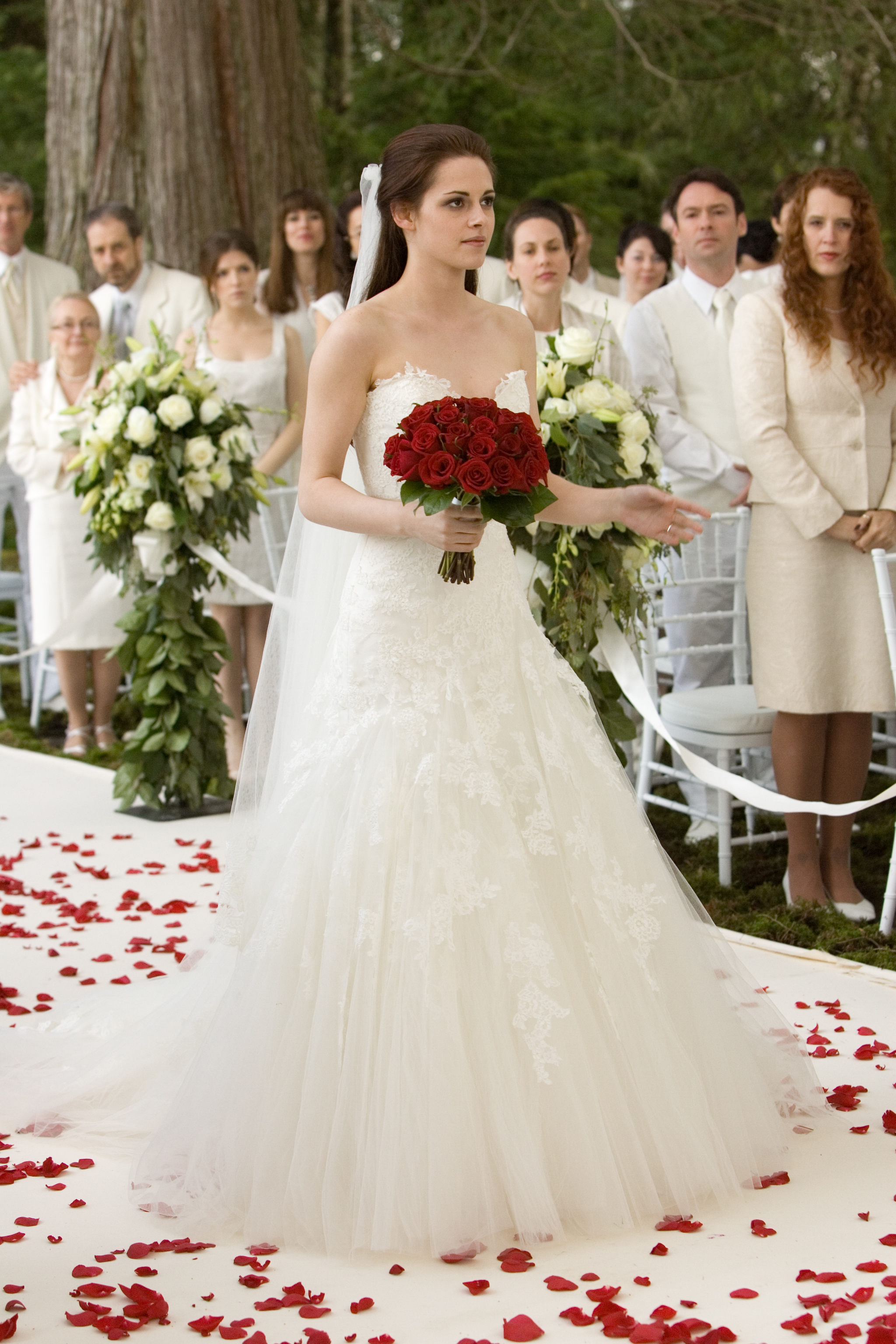
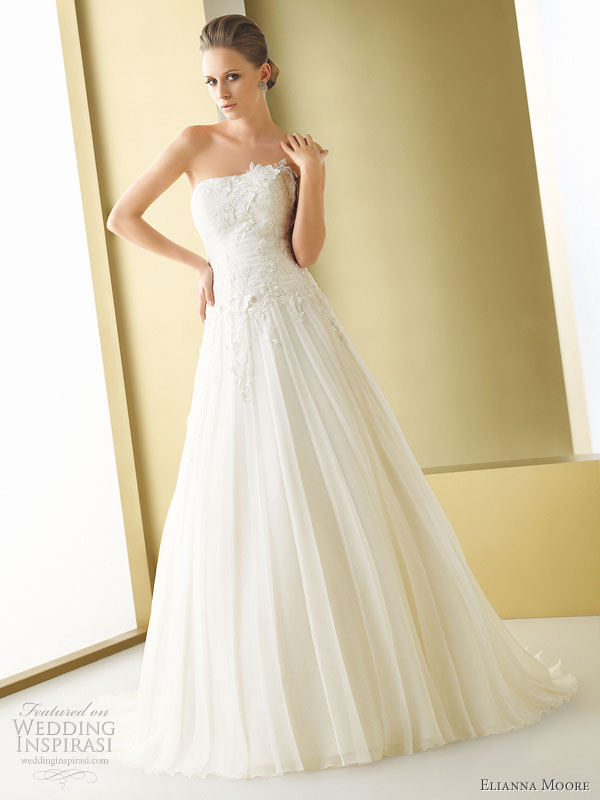
The year 2011 stands as a transformative milestone in the wedding industry, primarily defined by the "Royal Wedding" of Prince William and Catherine Middleton. This pivotal event re-established classic elegance, popularized lace sleeves, and shifted global bridal aesthetics away from the strapless dominance of the previous decade. Beyond the palace, 2011 marked the explosive rise of Pinterest-driven "Rustic Chic" and DIY planning, forever changing how couples curate and share their ceremonies.
The Royal Wedding: A Catalyst for Global Change
On April 29, 2011, the marriage of Prince William and Catherine Middleton at Westminster Abbey became a cultural phenomenon, viewed by an estimated two billion people worldwide. From a technical and design perspective, this single event dictated industry standards for the next decade. The "Kate Middleton Effect" was not merely a buzzword; it was a measurable shift in manufacturing and retail.
The centerpiece of this shift was the Duchess's wedding gown, designed by Sarah Burton for Alexander McQueen. Before 2011, the "sweetheart" strapless neckline had dominated the bridal market for nearly twenty years. The McQueen gown, featuring intricate Chantilly and Cluny lace sleeves and a Victorian-inspired bodice, single-handedly revived the demand for sleeved gowns and modest silhouettes. This transition was documented extensively by fashion historians and industry publications like Vogue, which noted the immediate surge in "lace-sleeve" searches globally.
Furthermore, the Royal Wedding influenced floral design. The inclusion of a "living forest" of six-meter-high English Maples and Hornbeams inside the Abbey moved the industry away from rigid, formal arrangements toward more organic, botanical installations. The choice of Lily of the Valley for the bouquet—symbolizing the "return of happiness"—also saw a massive resurgence in spring wedding orders, despite the flower’s high cost and delicate nature.
Defining Aesthetic Trends: The Rise of "Rustic Chic"
While the Royal Wedding catered to high-tradition enthusiasts, a parallel movement was taking over the grassroots wedding market in 2011: the Rustic Chic aesthetic. This trend was a response to the global economic climate of the late 2000s, where couples sought a balance between celebratory elegance and perceived authenticity.
The hallmark of the 2011 wedding aesthetic included:
- Mason Jars and Burlap: What began as a cost-saving measure for centerpieces became a ubiquitous style. Burlap table runners paired with baby's breath (Gypsophila) defined the "shabby chic" look of the year.
- Barn Venues: 2011 saw a significant uptick in the conversion of agricultural spaces into high-end event venues. This reflected a desire for "unplugged" and "grounded" celebrations.
- Mismatched Bridesmaid Dresses: Moving away from the "uniform" look, brides in 2011 began allowing bridesmaids to choose different styles within a specific color palette, usually in muted tones like blush, champagne, or mint green.
This era also solidified the "DIY" (Do It Yourself) movement. Empowered by online tutorials and the early days of lifestyle blogs, 2011 couples took on tasks previously reserved for professionals, such as hand-lettering chalkboard signs, assembling "favor bars," and creating photo booth backdrops with vintage frames.
The Technology Tipping Point: Pinterest and the Digital Blueprint
Perhaps the most significant legacy of a 2011 wedding was the fundamental change in how weddings were planned. In 2011, Pinterest (launched in 2010) reached critical mass within the bridal demographic. This shifted the planning process from physical "wedding binders" filled with magazine cutouts to digital "mood boards."
This digital shift had several technical impacts on the industry:
- Visual Literacy: Brides became more visually articulate, arriving at vendor meetings with thousands of curated images. This raised the bar for photographers and florists who now had to replicate specific "looks" found online.
- Global Inspiration: Local trends were no longer local. A wedding detail in California could be seen and replicated in London within hours, leading to a homogenization of wedding styles known as the "Global Wedding Aesthetic."
- Social Media Etiquette: 2011 was the year "Wedding Hashtags" began to appear, though they were not yet the standard they would become by 2015. Couples began to grapple with the presence of smartphones at ceremonies, leading to the birth of the "unplugged ceremony" concept.
Comparative Analysis: 2011 vs. 2026 Standards
To understand the scale of change, it is useful to compare the logistical and financial benchmarks of a 2011 wedding with the standards of our current year, 2026. While inflation has significantly impacted costs, the priorities of couples have also shifted from large-scale productions to "experience-first" events.
| Feature | 2011 Average/Standard | 2026 Average/Standard |
|---|---|---|
| Average U.S. Cost | ~$27,000 | ~$38,000 - $45,000 |
| Top Gown Trend | Lace sleeves / A-line | Architectural minimalism / Translucent fabrics |
| Primary Photo Media | DVD or USB Drive | Cloud-based galleries / Social "reels" |
| Planning Method | Physical Binders / Pinterest | AI-assisted coordination / Digital apps |
| Catering Style | Plated "Chicken or Beef" | Interactive stations / Dietary-inclusive menus |
| Guest Count | 140 - 150 guests | 115 - 125 guests (Focus on "Micro-luxury") |
As we observe in 2026, the 2011 era is now viewed with a sense of "modern nostalgia." The trends that were once considered overused (like mason jars) are being reimagined through a vintage lens, often categorized as "Early 2010s Retro."
Celebrity Influence Beyond the Palace
While the Royal Wedding was the focal point, other high-profile 2011 weddings shaped different market segments. These events provided alternative "blueprints" for couples who didn't resonate with the Westminster Abbey tradition.
- Kate Moss and Jamie Hince: The "Moss-stock" wedding in July 2011 popularized the "Boho-Glam" aesthetic. Her John Galliano-designed bias-cut dress and the outdoor, festival-like atmosphere influenced a generation of outdoor weddings focused on effortless style rather than rigid structure.
- Kim Kardashian and Kris Humphries: Though the marriage famously lasted only 72 days, the August 2011 wedding was a massive televised event. It popularized the "Black and White" formal theme and high-glamour, "over-the-top" floral walls, which became a staple for luxury weddings for the next decade.
- Prince Albert II of Monaco and Charlene Wittstock: This event reinforced the demand for clean, sculptural gowns (hers was Armani Privé) and high-society formality, acting as a Mediterranean counterpart to the British Royal Wedding.
The Cultural Impact of "Bridesmaids" (2011)
The 2011 wedding season was also defined by the release of the film Bridesmaids. This movie did more than provide entertainment; it fundamentally changed the "Bridal Party Culture." It brought the complexities and costs of being a bridesmaid into the public discourse, leading to a more transparent (and sometimes more elaborate) approach to bachelorette parties and bridal showers.
Following the film’s success, "Destination Bachelorettes" began to rise in popularity. The concept of the "Bridal Proposal"—where the bride gives gifts to her friends when asking them to be in the wedding—also saw a significant uptick in 2011, as the industry began to monetize the bridesmaid experience more aggressively.
Frequently Asked Questions
What was the most popular wedding color in 2011?
The most dominant color palette in 2011 was a combination of Blush Pink and Gold, often accented with "Tiffany Blue" or "Mint Green." These soft, romantic tones were used to complement the lace and rustic wood textures popular at the time.
How did the 2011 Royal Wedding change bridal fashion?
It shifted the market from strapless gowns to dresses with lace sleeves and higher necklines. It also popularized the "Reception Dress"—a second, more comfortable gown for the evening—after Catherine Middleton changed into a second Sarah Burton creation for the private dinner.
Was 2011 the start of the DIY wedding trend?
While DIY elements existed before, 2011 was the year it became a mainstream industry force. The combination of the economic recovery (leading to budget-conscious choices) and the rise of Pinterest made DIY aesthetics like chalkboard signs and hand-made favors the "standard" look for that year.
What were the common wedding favors in 2011?
Typical 2011 favors included "Edible DIY" items such as homemade jam, honey jars, or customized candy buffets. Seed packets and small succulents also became popular as the "eco-friendly" wedding movement began to gain traction.
Why is 2011 considered a "turning point" for wedding photography?
In 2011, the "Light and Airy" film-photography style (pioneered by photographers like Jose Villa) became the gold standard. This moved the industry away from the high-contrast, "selective color" digital editing of the mid-2000s toward a more ethereal, timeless look.
Looking Back to Move Forward: 2011's Lasting Lessons
For those planning or analyzing events in 2026, the 2011 wedding season offers a masterclass in how a single cultural moment can redirect an entire global industry. The year proved that tradition (the Royal Wedding) and innovation (Pinterest and DIY) could coexist, creating a "high-low" mix that allowed for personalized expression.
The most practical takeaway from the 2011 era is the importance of intentionality. The move away from cookie-cutter hotel ballroom weddings toward unique, venue-driven stories (like barns, galleries, and estates) remains the foundation of modern wedding planning. As we see the 15-year anniversary of these trends, the 2026 market is embracing "2011-Core"—a refined version of lace, organic florals, and meaningful, hand-crafted details—proving that true elegance, whether royal or rustic, is cyclical.