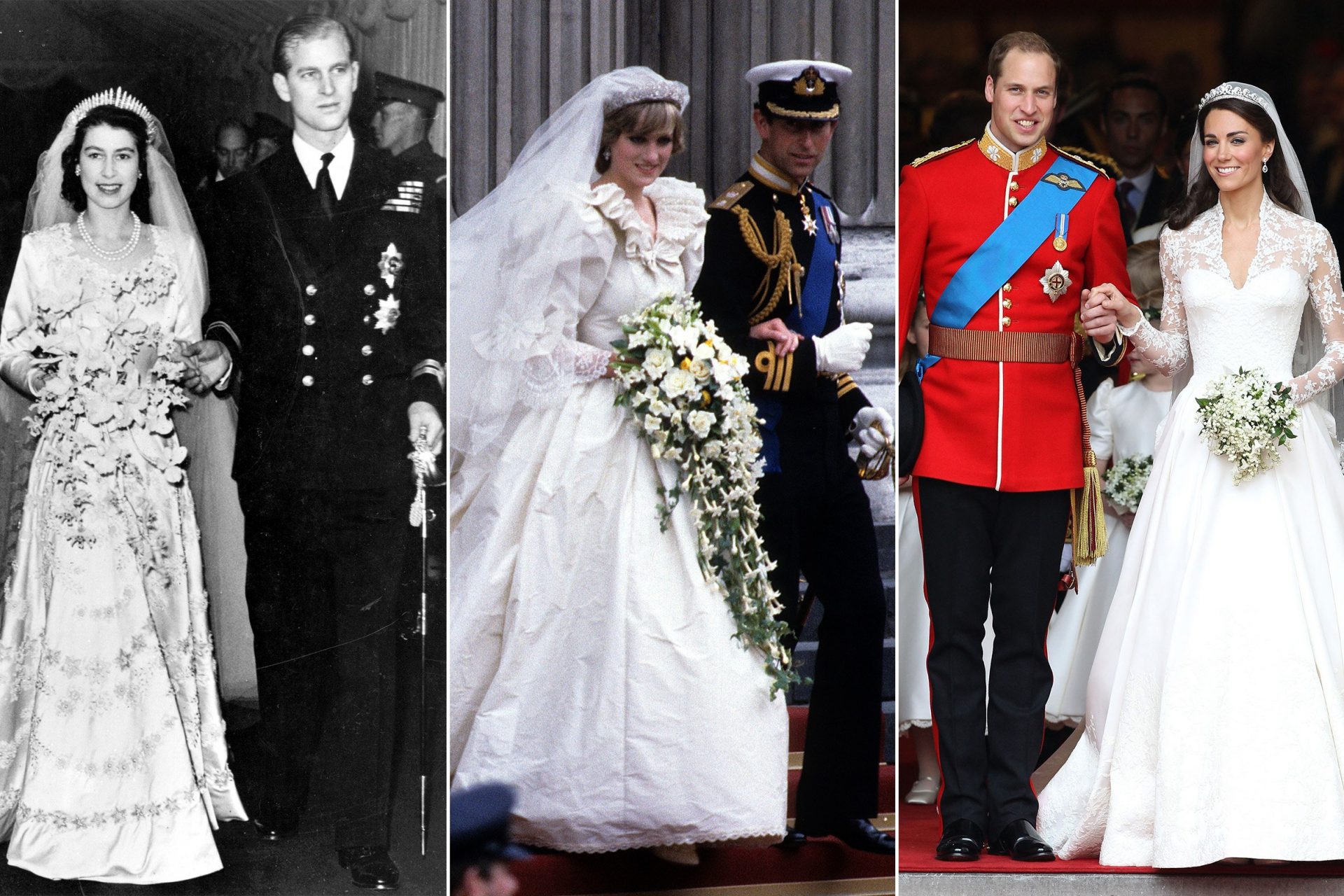
The year 2011 stands as a landmark period in modern royal history, defined by a series of high-profile nuptials that captivated a global audience of billions. From the historic union of Prince William and Catherine Middleton in London to the glamorous Mediterranean celebrations of Prince Albert II and Charlene Wittstock in Monaco, 2011 revitalized the public image of monarchies through a blend of ancient tradition and contemporary accessibility.
The Global Phenomenon of Prince William and Catherine Middleton
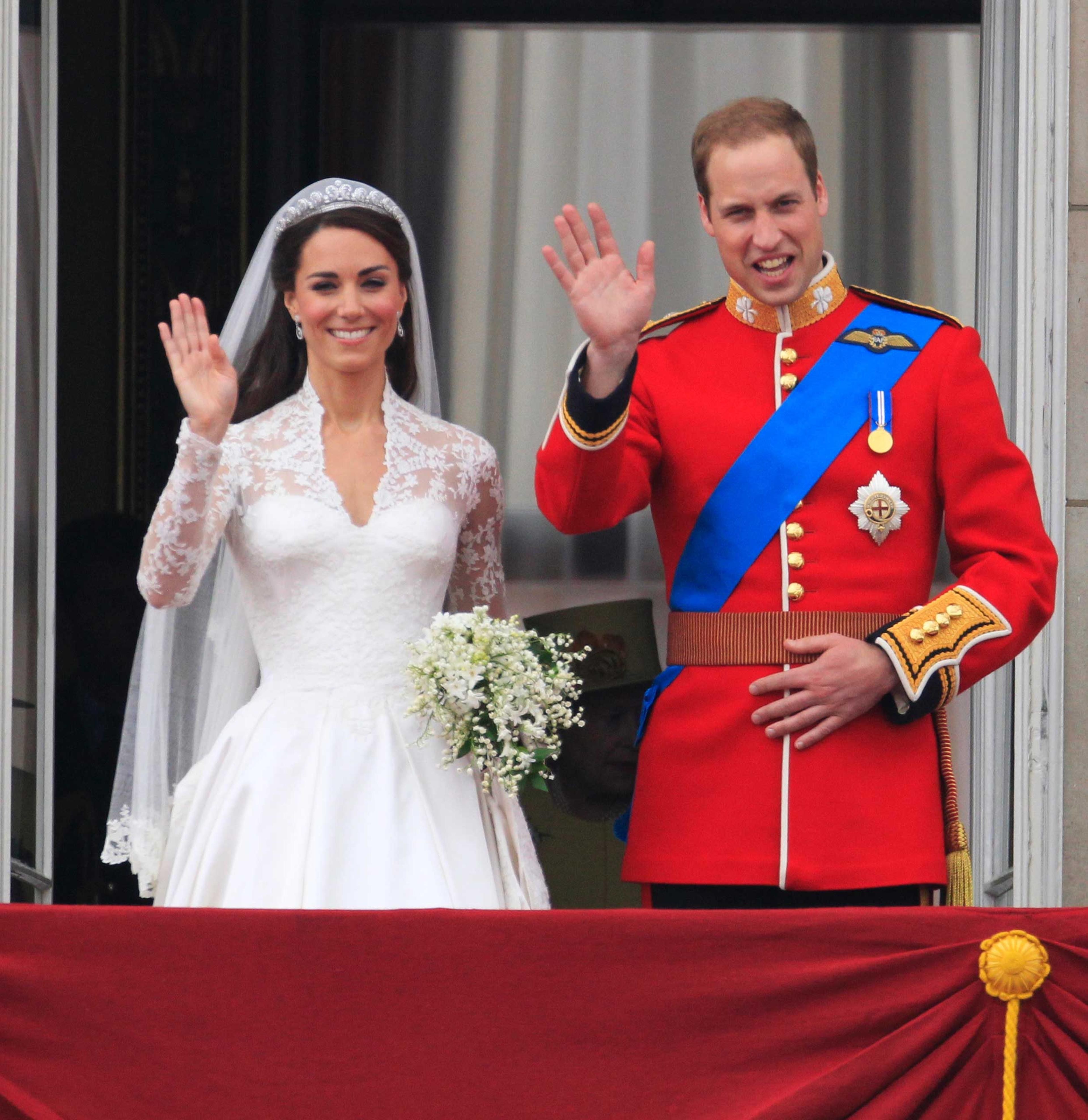
On April 29, 2011, the world’s attention turned to Westminster Abbey for the wedding of Prince William and Catherine Middleton. This event was not merely a family celebration but a significant diplomatic and cultural milestone. As the eldest son of the then-Prince of Wales and the late Diana, Princess of Wales, William’s marriage represented the continuity of the British monarchy and a "breath of fresh air" for an institution navigating the 21st century.
The ceremony was characterized by its meticulous balance of state grandeur and personal touches. Catherine Middleton’s choice of a bridal gown, designed by Sarah Burton for Alexander McQueen, became an instant historical reference point. The dress featured intricate lace applique handcrafted by the Royal School of Needlework, utilizing the Carrickmacross lace-making technique. This choice supported the British fashion industry while honoring traditional craftsmanship, setting a trend for "modest" bridal fashion that persisted for more than a decade.
The scale of the event was unprecedented in the digital age. It is estimated that over two billion people worldwide watched the ceremony, which was one of the first major royal events to be streamed live on YouTube. The "picturesque" nature of the day was cemented by the iconic appearance on the balcony of Buckingham Palace, where the couple shared two kisses, much to the delight of the hundreds of thousands gathered on The Mall. This wedding effectively transitioned Catherine into her role as a senior royal, a journey that has seen her evolve into the Princess of Wales by 2026.
The Princely Nuptials of Monaco: Albert II and Charlene Wittstock
Just months after the British celebrations, the Principality of Monaco hosted its own spectacular event. On July 1 and 2, 2011, Prince Albert II married Charlene Wittstock, a former Olympic swimmer from South Africa. This wedding was crucial for the House of Grimaldi, providing a sense of stability and a potential heir to the throne, which had been a point of constitutional concern in the years prior.
The wedding was split into a civil ceremony held in the Throne Room of the Prince's Palace and a religious ceremony in the palace’s courtyard. The religious ceremony was particularly noted for its Mediterranean elegance. Charlene wore a gown by Giorgio Armani Privé, which featured 40,000 Swarovski crystals and 20,000 mother-of-pearl teardrops. The aesthetic was a sharp contrast to the Gothic revival architecture of Westminster Abbey, leaning instead toward sleek, modern sophistication.
The event served as a major soft-power tool for Monaco. It drew heads of state, European royalty, and international celebrities, reinforcing Monaco's status as a hub of luxury and international diplomacy. The three-day celebration, which included a concert by the Eagles and a public festival, highlighted the Grimaldi family’s unique position as both sovereign rulers and symbols of a high-society lifestyle.
Zara Phillips and Mike Tindall: A Private Royal Celebration in Edinburgh
While the weddings in London and Monaco were characterized by state-level pomp, the marriage of Zara Phillips—the Queen’s eldest granddaughter—to rugby star Mike Tindall on July 30, 2011, offered a different perspective on royal life. Held at the Canongate Kirk in Edinburgh, Scotland, this wedding was a more private, family-oriented affair, reflecting Zara’s status as a non-titled member of the Royal Family.
The choice of Edinburgh was significant, as it was the first royal wedding held in Scotland in nearly 20 years. The atmosphere was notably more relaxed, with a reception held at the Palace of Holyroodhouse. Zara wore a dress by Stewart Parvin, a favorite designer of Queen Elizabeth II, paired with the Meander Tiara, which had belonged to her great-grandmother, Princess Alice of Battenberg.
This wedding highlighted the "modern" royal family’s intersection with the world of professional sports. Mike Tindall, a prominent figure in English rugby, brought a different demographic of guests to the event, bridging the gap between the traditional establishment and contemporary celebrity culture. It showcased the Royal Family’s ability to maintain personal traditions away from the intense glare of a full state occasion.
The Himalayan Romance: The King of Bhutan and Jetsun Pema
In October 2011, the "picturesque" year of royal weddings expanded beyond Europe to the Kingdom of Bhutan. King Jigme Khesar Namgyel Wangchuck, known as the "Dragon King," married Jetsun Pema in a ceremony that was as much a national celebration as a religious rite. The wedding took place at the Punakha Dzong, the "Palace of Great Happiness."
Unlike the European weddings, the Bhutanese royal wedding was steeped in Vajrayana Buddhist traditions. The King and his bride wore elaborate traditional Bhutanese attire, with the King donning a yellow silk gho and the bride a colorful kira. The event was significant because it also served as the formal coronation of Jetsun Pema as the Queen of Bhutan.
The King’s decision to marry a "commoner" and his subsequent declaration of devotion to her (stating he would not take another wife, despite the legality of polygamy in Bhutan) resonated deeply with the younger generation. The wedding was a masterclass in cultural preservation, showing how a monarchy can modernize while staying fiercely protective of its national heritage and aesthetic.
Comparative Analysis of 2011 Royal Weddings
The following table summarizes the key details of the primary royal weddings that defined the year 2011.
| Couple | Date | Location | Primary Designer |
|---|---|---|---|
| Prince William & Catherine Middleton | April 29, 2011 | Westminster Abbey, London | Sarah Burton for Alexander McQueen |
| Prince Albert II & Charlene Wittstock | July 1-2, 2011 | Prince's Palace, Monaco | Giorgio Armani Privé |
| Zara Phillips & Mike Tindall | July 30, 2011 | Canongate Kirk, Edinburgh | Stewart Parvin |
| King Jigme Khesar & Jetsun Pema | October 13, 2011 | Punakha Dzong, Bhutan | Traditional Bhutanese Attire |
The Lasting Impact of 2011 on Royal Public Relations
Looking back from 2026, the year 2011 is viewed as the "Golden Year" of modern royal PR. Prior to 2011, several European monarchies faced questions regarding their relevance in a democratic society. The series of successful, visually stunning weddings provided a narrative of renewal. These events allowed royal houses to showcase their histories through fashion, architecture, and ceremony, while utilizing the burgeoning power of social media to reach younger demographics.
The "picturesque" element was not just about the photos; it was about the carefully curated image of stability and continuity. In the UK, the success of the William and Catherine wedding laid the groundwork for the Queen’s Diamond Jubilee in 2012. In Bhutan, it helped transition the country into a more modern, yet culturally distinct, era. The 2011 weddings proved that royal ceremonies remain one of the most effective forms of national branding in existence.
Common Questions Regarding 2011 Royal Events
Who designed the wedding dress for Catherine, Duchess of Cambridge?
The wedding dress was designed by Sarah Burton, the creative director of the British luxury fashion house Alexander McQueen. The design featured a lace bodice with hand-cut individual lace flowers, incorporating the rose, thistle, daffodil, and shamrock to represent the four nations of the United Kingdom. The gown’s train measured 2.7 meters, and the overall look was praised for its timeless elegance, drawing comparisons to Grace Kelly’s iconic 1956 wedding dress.
Why was 2011 considered a "picturesque" year for royal history?
The term "picturesque" refers to the high frequency of visually stunning and culturally significant royal weddings occurring in a single calendar year. Across different continents, these events provided a diverse range of aesthetics—from the Gothic splendor of London and the Mediterranean luxury of Monaco to the vibrant, traditional colors of Bhutan. This variety captured the global imagination and provided an unprecedented amount of high-quality media content that defined the "royal" aesthetic for the decade.
Did the wedding of Zara Phillips have the same status as Prince William's?
No, the wedding of Zara Phillips was considered a private royal wedding rather than a state occasion. Because Zara Phillips does not hold a royal title and was not a "working royal" at the time, her wedding was not funded by the taxpayer, nor did it involve the same level of diplomatic protocol as her cousin Prince William’s wedding. However, it was still a major event in the social calendar, attended by the entire British Royal Family.
How did the Monaco royal wedding differ from the UK wedding?
The Monaco wedding was distinct for its split between a civil and a religious ceremony, which is a common legal requirement in many European countries but not in the UK. Furthermore, the Monaco event was designed as a multi-day festival, including a free public concert and a massive fireworks display, reflecting the Principality's identity as a destination for international tourism and luxury. While the UK wedding was a display of national heritage and constitutional stability, the Monaco wedding was a celebration of the sovereign house's glamour and future.
Researching the 2011 Royal Archives
For historians and enthusiasts wishing to verify the specific protocols, guest lists, and official photographs of these events, the official websites of the respective royal houses remain the primary source of truth. The British Royal Family’s official website maintains an extensive archive of the 2011 wedding, including the order of service and official portraits. Similarly, the Palais Princier de Monaco provides historical context for the Grimaldi nuptials. Reviewing these archives in 2026 offers a fascinating look at how these couples have transitioned from their wedding days into their current roles as established leaders and patrons.