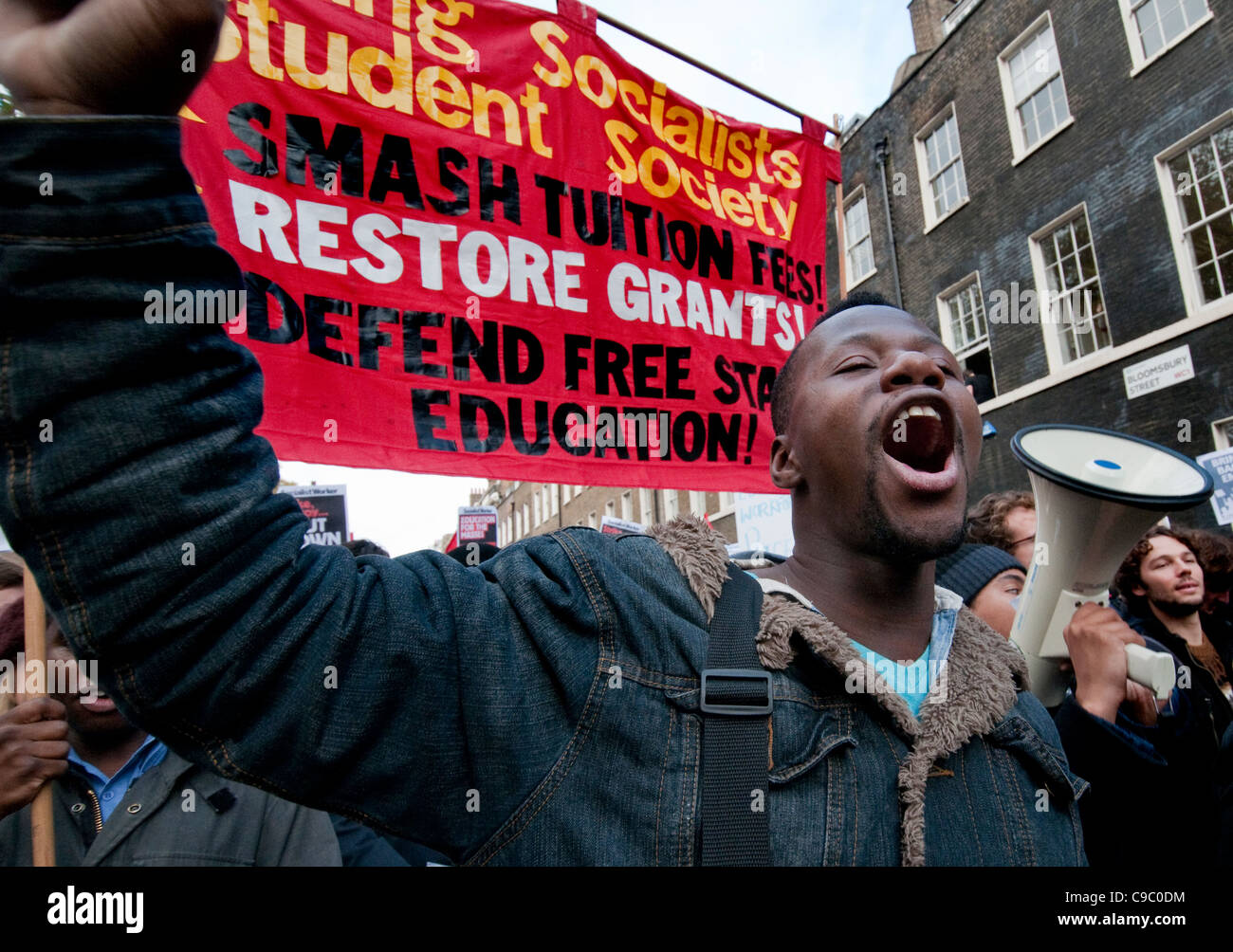
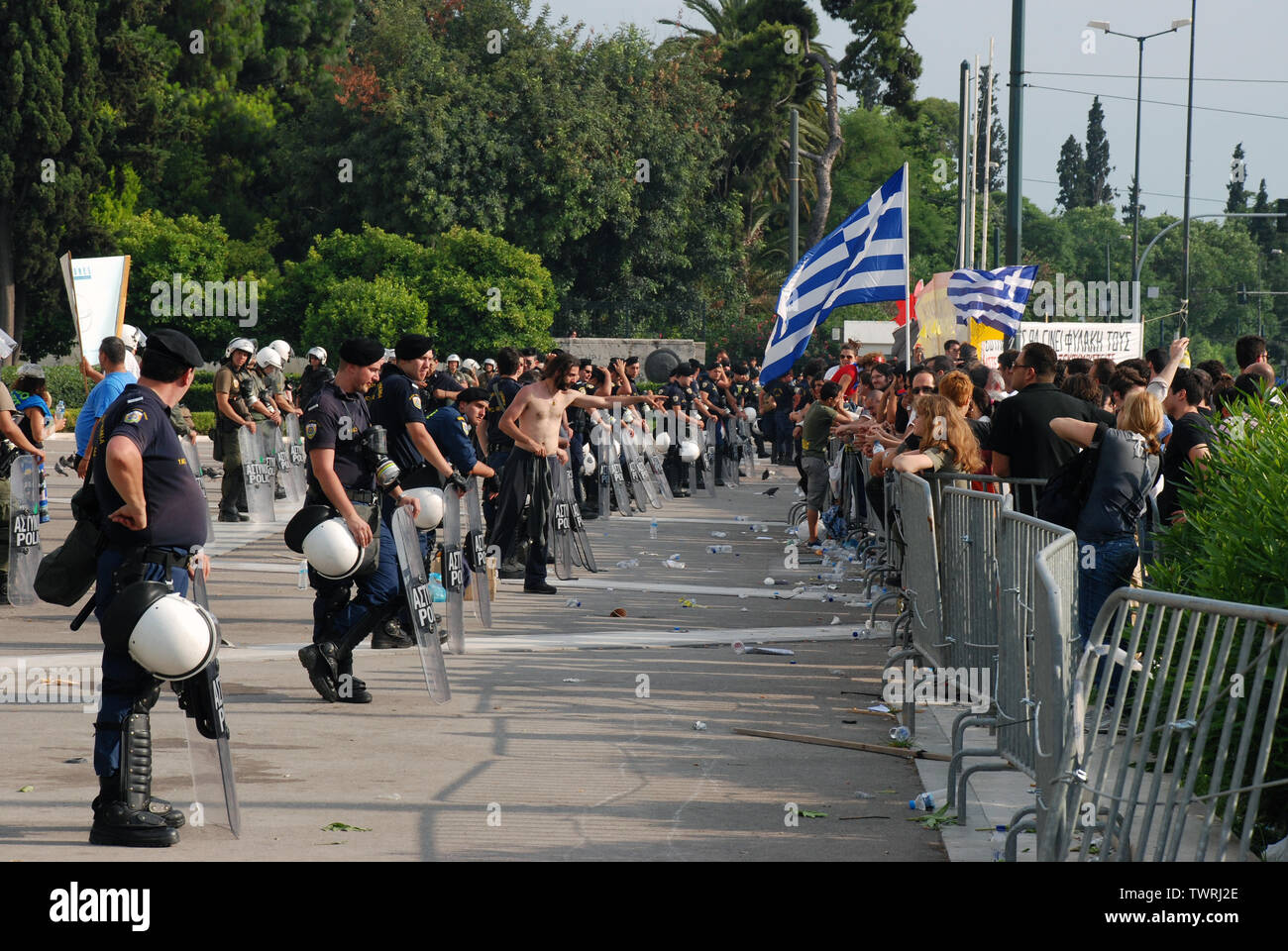
The 2011 protests were a series of interconnected global demonstrations driven by systemic economic inequality, political corruption, and a widespread demand for democratic reform. Triggered by the Arab Spring in Tunisia, this "year of the protester" saw massive mobilizations in over 80 countries, including the Occupy Wall Street movement in the United States and anti-austerity uprisings across Europe.
The Socio-Economic Architecture of Global Unrest
To understand why 2011 became a flashpoint for global dissent, one must look at the preceding decade. The 2008 financial crisis had left a trail of high unemployment, particularly among the youth, and a perception that the "too big to fail" institutions were being protected at the expense of ordinary citizens. By 2011, the delayed effects of the recession had coalesced with rising global food prices and stagnant wages, creating a volatile environment.
In the Middle East and North Africa (MENA), these economic grievances were compounded by decades of authoritarian rule. In Europe and the United States, the focus was primarily on the widening wealth gap and the perceived erosion of the middle class. While the specific local triggers varied—a fruit vendor’s self-immolation in Tunisia, a police shooting in London, or a park occupation in New York—the underlying sentiment was a rejection of the status quo. This period marked a transition in how political movements were organized, moving away from traditional party structures toward decentralized, grassroots mobilization.
The Arab Spring: The Catalyst for Global Change
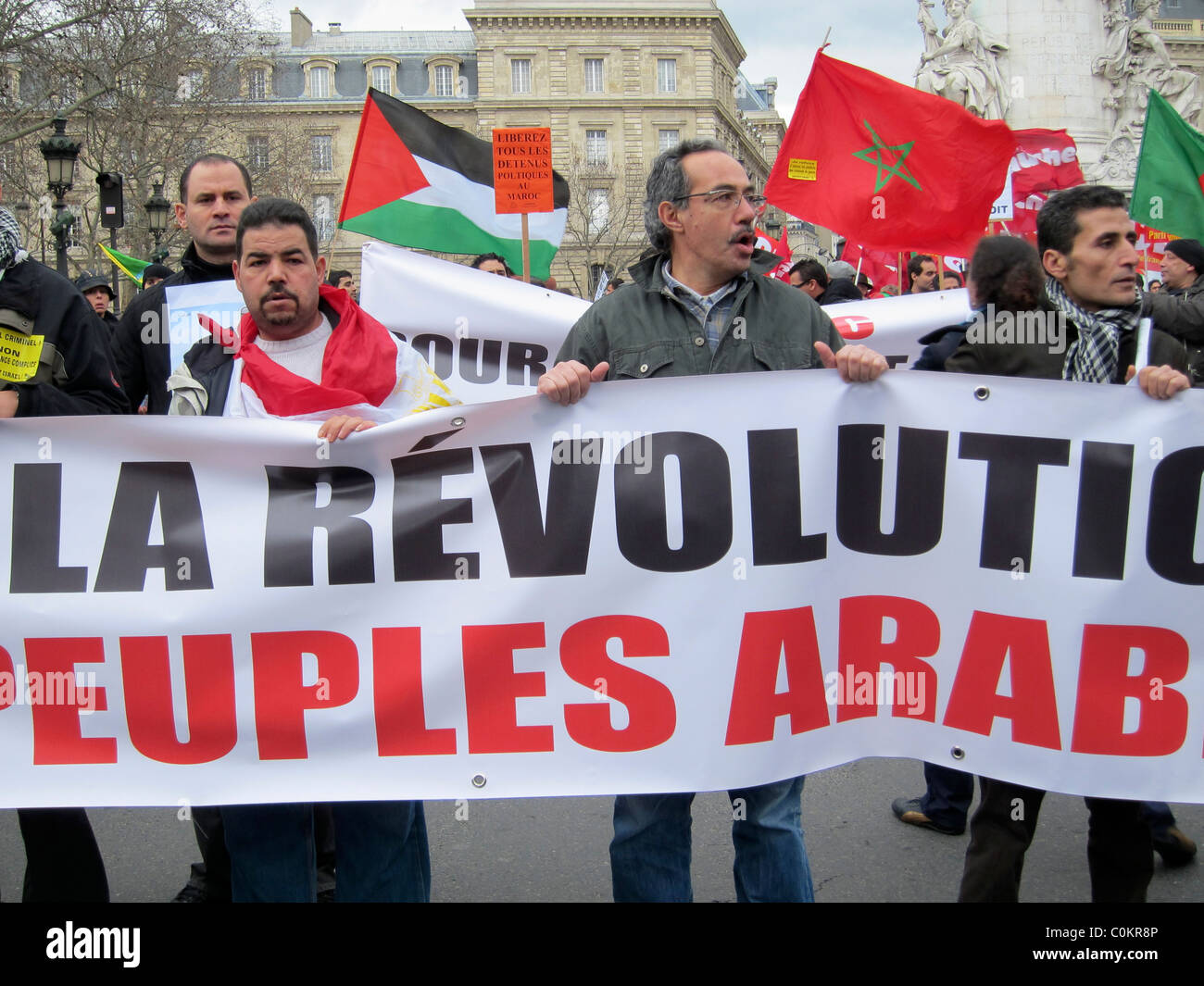
The 2011 protests effectively began in late December 2010 in Tunisia, but reached their global crescendo in early 2011. The self-immolation of Mohamed Bouazizi became the symbol of a population pushed to its limit by bureaucratic corruption and economic hopelessness. This event triggered the Jasmine Revolution, leading to the ousting of President Zine El Abidine Ben Ali in January 2011.
The success in Tunisia acted as a "proof of concept" for neighboring nations. Egypt followed almost immediately, with millions gathering in Tahrir Square to demand the resignation of Hosni Mubarak. The Egyptian uprising was a pivotal moment because it demonstrated that even the most entrenched regimes could be challenged by mass civilian action. However, the outcomes across the region were vastly different:
- Tunisia: Moved toward a fragile but functioning democratic transition.
- Egypt: Experienced a period of intense political instability, leading to a military-backed government.
- Libya and Syria: Descended into protracted civil wars as the regimes of Muammar Gaddafi and Bashar al-Assad responded to protests with significant military force.
- Bahrain and Yemen: Saw massive uprisings that were met with varying degrees of repression and external intervention.
The Arab Spring redefined the geopolitical landscape of the 21st century, showing both the power of popular will and the dangerous vacuum that can occur when institutional structures collapse without a clear alternative.
Occupy Wall Street and the "99 Percent" Narrative
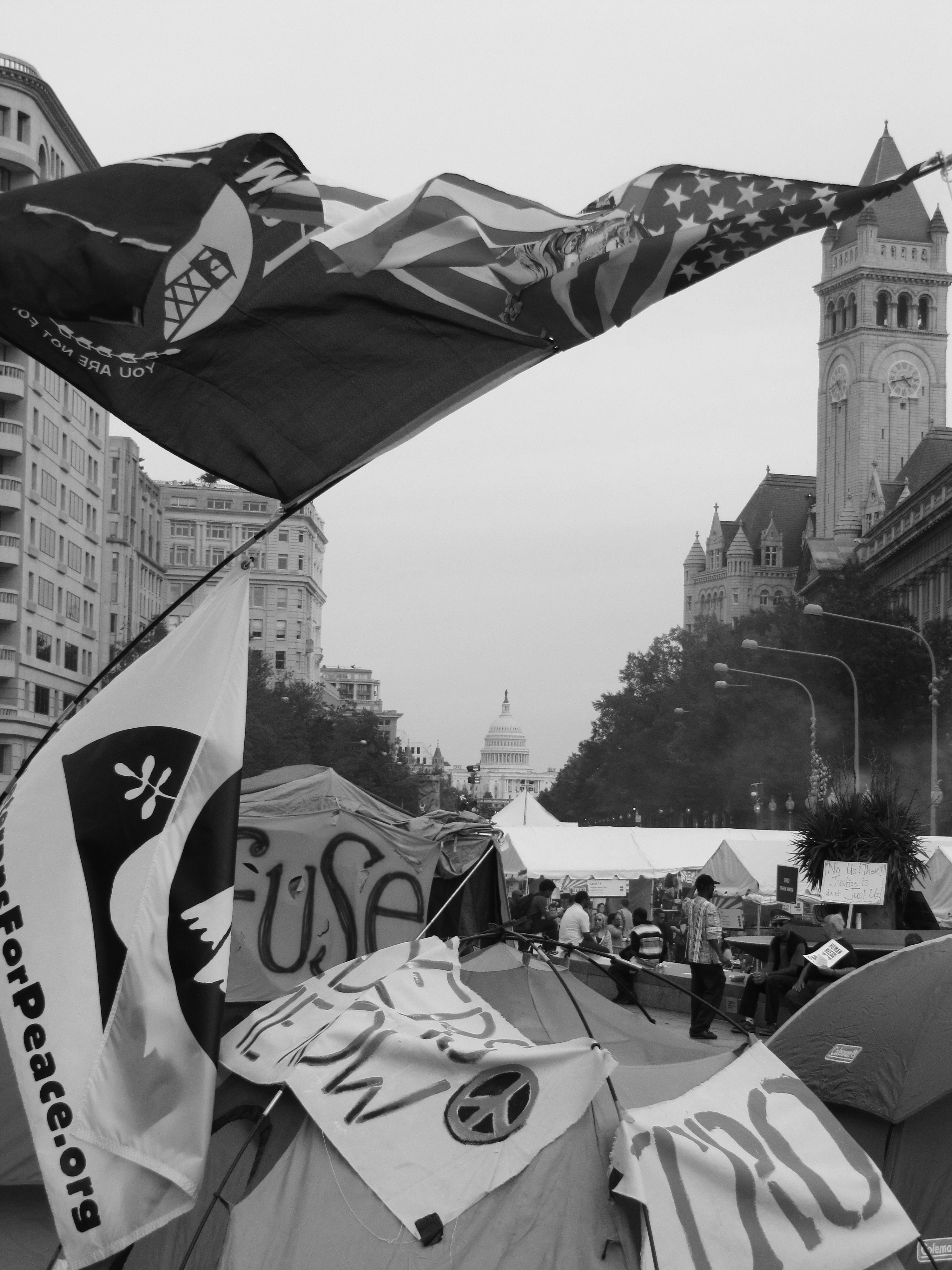
As the Arab Spring dominated headlines, a different kind of movement took root in the West. In September 2011, protesters occupied Zuccotti Park in New York City's financial district, launching "Occupy Wall Street" (OWS). The movement was characterized by its lack of formal leadership and its refusal to issue a specific list of demands, opting instead to highlight the general "injustice" of the global financial system.
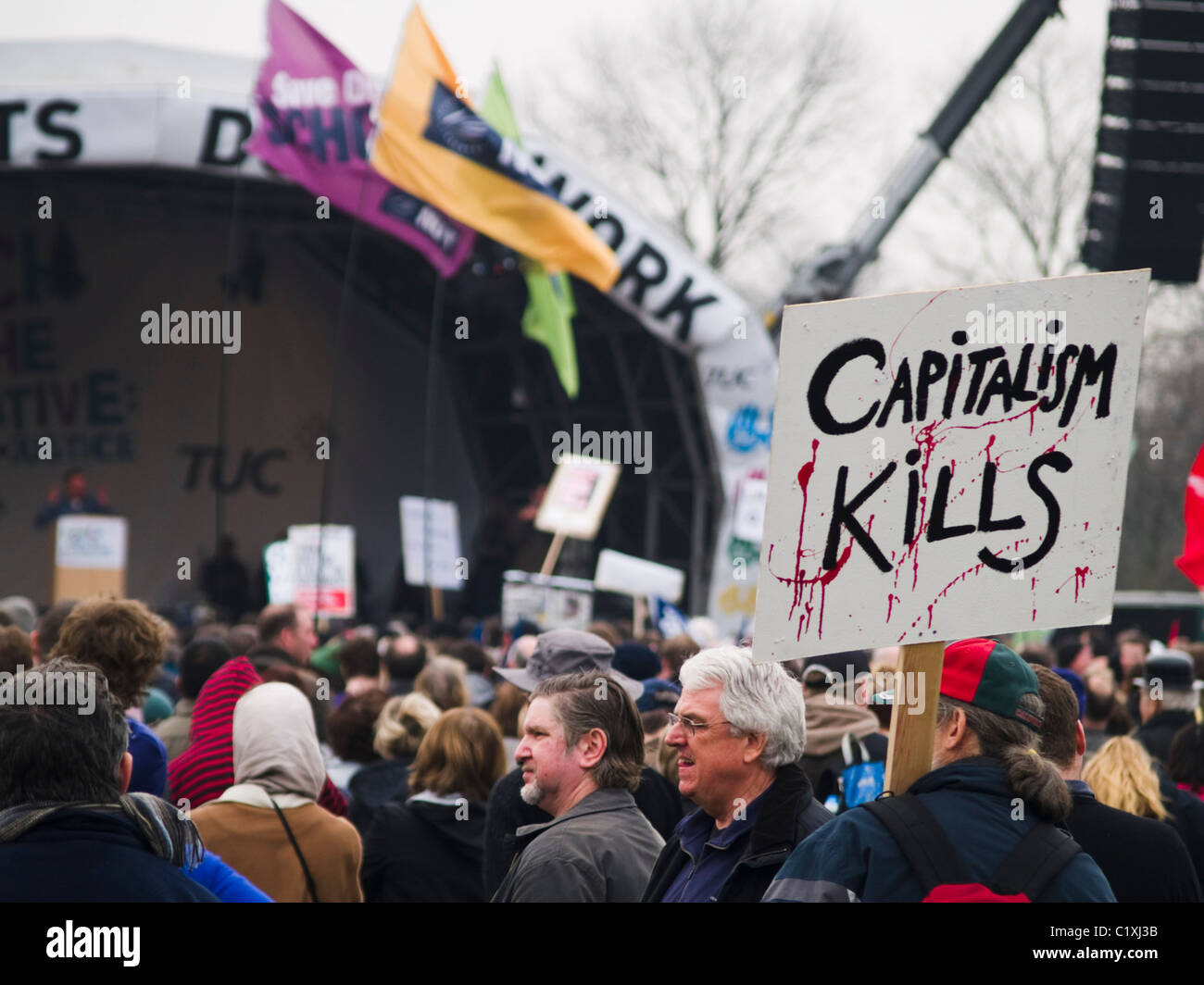
The slogan "We are the 99%" became a powerful linguistic tool that simplified complex economic data into a relatable political identity. It contrasted the vast majority of the population against the top 1% of earners who controlled a disproportionate share of wealth and political influence. While OWS did not result in immediate legislative changes, its impact on political discourse was profound. It forced the issues of income inequality and corporate lobbying into the mainstream, influencing subsequent political campaigns and the rhetoric of parties across the democratic world.
European Anti-Austerity and the Indignados
Simultaneously, Europe was grappling with the Eurozone debt crisis. In Spain, the Indignados (the indignant) or the 15-M movement took to the streets to protest high unemployment—which had surpassed 40% among youth—and the austerity measures imposed by the government to meet European Union fiscal requirements.
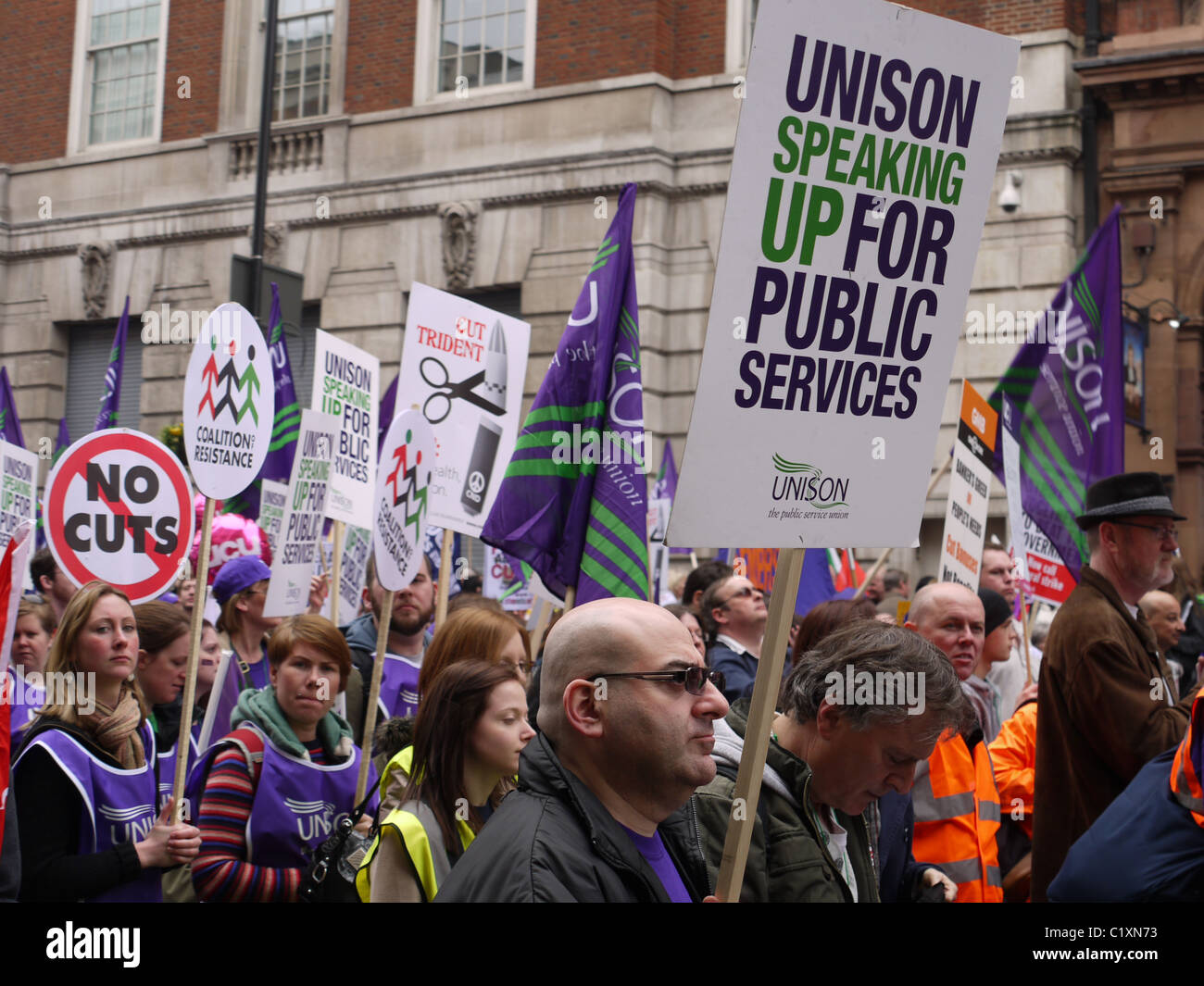
The Spanish protests were notable for their "encampment" strategy, which served as a direct precursor to the Occupy movement. Similar scenes played out in Greece, where the anti-austerity movement in Syntagma Square challenged the terms of international bailouts. These European protests were fundamentally about the "social contract": the idea that the state had failed in its duty to provide security and opportunity to its citizens while prioritizing the needs of international bondholders and banks.
Comparison of Major 2011 Protest Movements
The following table summarizes the primary characteristics and outcomes of the most significant protest waves during 2011.
| Movement | Primary Location | Key Drivers | Core Tactic | Primary Outcome |
|---|---|---|---|---|
| Jasmine Revolution | Tunisia | Unemployment, corruption | Mass street marches | Ousting of Ben Ali; Democratic transition |
| Tahrir Square Uprising | Egypt | Authoritarianism, police brutality | Centralized urban occupation | Resignation of Mubarak; Period of instability |
| Indignados (15-M) | Spain | Youth unemployment, austerity | City square encampments | Rise of new political parties (e.g., Podemos) |
| Occupy Wall Street | USA / Global | Wealth inequality, bank bailouts | Decentralized occupations | Shift in global discourse on inequality |
| UK Riots | United Kingdom | Social alienation, police conduct | Localized civil unrest | Extensive arrests and sentencing; Social reviews |
| Chilean Student Protests | Chile | Education costs, privatization | Student strikes and marches | Major reforms in higher education funding |
The Role of Digital Technology and Social Media
A defining feature of the 2011 protests was the role of digital communication. This was the first time that social media platforms like Twitter, Facebook, and YouTube were used as primary tools for mobilization, documentation, and circumventing state-controlled media.
In the MENA region, activists used encrypted messaging and social networks to coordinate "Days of Rage." In the West, digital platforms allowed the "99%" narrative to go viral, enabling the Occupy movement to spread to over 900 cities worldwide within a month. However, the role of technology is often debated by historians. While it facilitated organization, it also allowed regimes to track dissenters. Furthermore, some critics argue that "clicktivism" or "slacktivism"—online support without physical participation—sometimes diluted the focus of these movements.
Despite these critiques, the 2011 protests established a new template for modern activism: decentralized, digitally savvy, and visually oriented. The ability to broadcast live footage of police crackdowns directly to a global audience changed the stakes for governments attempting to suppress dissent.
Successes, Failures, and the 15-Year Perspective
Looking back from 2026, the legacy of 2011 is complex. In terms of immediate "regime change," the results were mixed. While some dictators fell, the resulting power vacuums often led to further conflict or a return to autocracy. In the West, the fundamental economic structures targeted by Occupy and the Indignados remain largely intact, though the political conversation has shifted significantly toward populist and progressive economic policies.
One of the most enduring legacies is the realization that systemic change requires more than just the removal of a leader or the occupation of a park. It requires the building of new institutions. The 2011 protests were highly effective at "diagnostic" politics—identifying what was wrong—but often struggled with "proscriptive" politics—agreeing on what should come next.
Key Long-Term Impacts:
- Political Realignment: The rise of populist movements on both the left and right can be traced back to the disillusionment documented in 2011.
- Surveillance Evolution: Governments worldwide significantly increased their digital surveillance capabilities in response to the mobilization tactics seen during this period.
- Economic Awareness: Terms like "wealth gap" and "the 1%" are now standard parts of the economic lexicon.
- Protest Tactics: The "occupy" model continues to be used by various groups, from climate activists to student organizations.
Frequently Asked Questions
What was the main cause of the 2011 protests?
The primary causes were a combination of economic hardship (high unemployment and food prices) and political frustration. In many countries, the 2008 financial crisis acted as a catalyst, exposing deep-seated inequalities and corruption within both democratic and authoritarian systems.
Did the 2011 protests achieve their goals?
The results were varied. In Tunisia, it led to a new constitution. In Egypt, it led to the fall of a dictator but also years of instability. In the US and Europe, it failed to trigger immediate legislative reform of the banking sector but succeeded in making income inequality a central political issue for the next decade and a half.
Why was 2011 called the "Year of the Protester"?
Time Magazine named "The Protester" as its Person of the Year in 2011 because of the unprecedented scale of global demonstrations. From the Arab Spring to the Indignados and Occupy Wall Street, it seemed as though the entire world was engaged in a simultaneous rejection of established power structures.
How did social media affect the 2011 protests?
Social media acted as an "accelerant." It allowed information to bypass state censors, helped activists coordinate logistics in real-time, and enabled the rapid spread of protest imagery, which garnered international sympathy and put pressure on governments to exercise restraint.
Were the 2011 protests related to the 2008 financial crisis?
Yes, heavily. The 2008 crisis created the economic conditions—such as massive bank bailouts and high youth unemployment—that fueled the anger of the 99% in the West and exacerbated the economic misery in developing nations, making the status quo untenable for millions of people.
Analyzing Historical Movements for Modern Context
For researchers and students of political science in 2026, the 2011 protests serve as a primary case study in "networked authoritarianism" and "horizontalist" social movements. To gain a deeper understanding, one should move beyond general histories and look at primary source documents from the era, such as the digital archives of the Tahrir Data Project or the internal communications of the Occupy General Assemblies.
Understanding the 2011 protests requires an acknowledgment that while the physical camps were eventually cleared, the grievances that built them have not been fully resolved. Future movements will likely continue to draw on the tactics of 2011 while attempting to solve the organizational challenges that prevented many of those protests from achieving long-term institutional stability.