The year 2011 served as the definitive pivot point for global media, marking the transition from traditional broadcast dominance to a decentralized, digital-first landscape. It was characterized by the rise of social media as a geopolitical force, the disruptive birth of the streaming economy, and a fundamental shift in how news is gathered, verified, and consumed.
The Tipping Point of Social Media as a Global Power
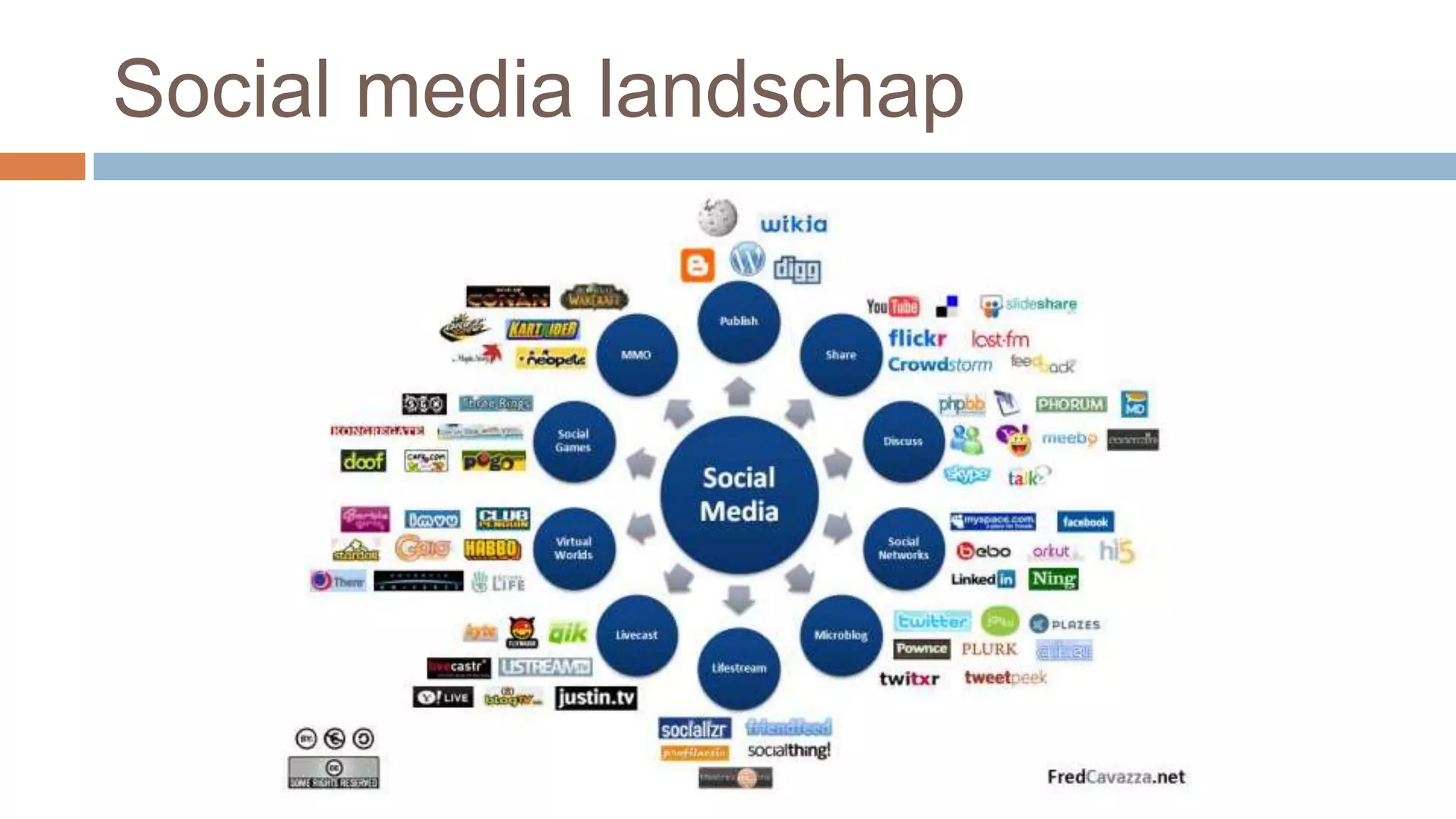
In 2011, social media transitioned from a niche networking tool into a primary engine for global news and political mobilization. The most prominent example was the Arab Spring, where platforms like Twitter and Facebook bypassed state-controlled media to organize protests and broadcast real-time events to a global audience. This period established the "Twitter Revolution" narrative, proving that decentralized information networks could challenge established power structures.
Beyond politics, 2011 saw intense competition for the "social graph." Google launched Google+ in June 2011, an ambitious attempt to challenge Facebook’s dominance by integrating social features across all Google services. While Google+ eventually struggled to maintain long-term engagement, its launch forced Facebook to accelerate its feature development, leading to the introduction of the "Timeline" profile layout later that year.
Simultaneously, the seeds of visual-centric and ephemeral media were planted. Snapchat (originally launched as Picaboo in July 2011) introduced the concept of disappearing content, a radical departure from the "permanent record" philosophy of Facebook. This shift began a decade-long trend toward privacy-focused, short-form visual communication that remains the standard in 2026.
The Great Streaming Pivot: Netflix and the Death of Physical Media
The year 2011 is perhaps most infamous in media business history for the Qwikster debacle. In July 2011, Netflix CEO Reed Hastings announced the company would split its DVD-by-mail service and its nascent streaming service into two separate entities. The move included a significant price hike—effectively 60% for customers who wanted both—and the DVD service was to be rebranded as "Qwikster."
The backlash was immediate and severe. Netflix lost approximately 800,000 subscribers in a single quarter, and its stock price plummeted. However, looking back from 2026, the 2011 pivot is recognized as a visionary, if poorly executed, necessity. By prioritizing streaming infrastructure, Netflix forced the entire entertainment industry—including traditional giants like HBO and Disney—to begin the long, painful transition to Direct-to-Consumer (DTC) models.
In the music sector, 2011 marked the official arrival of Spotify in the United States. While the service had been available in Europe since 2008, its US launch in July 2011 fundamentally changed the American music industry's revenue model. It shifted the consumer mindset from "owning" music via iTunes downloads or CDs to "accessing" a library via a subscription. This transition paved the way for the platform-dominated music ecosystem we inhabit today.
News and Journalism: The Ethics of a Real-Time World
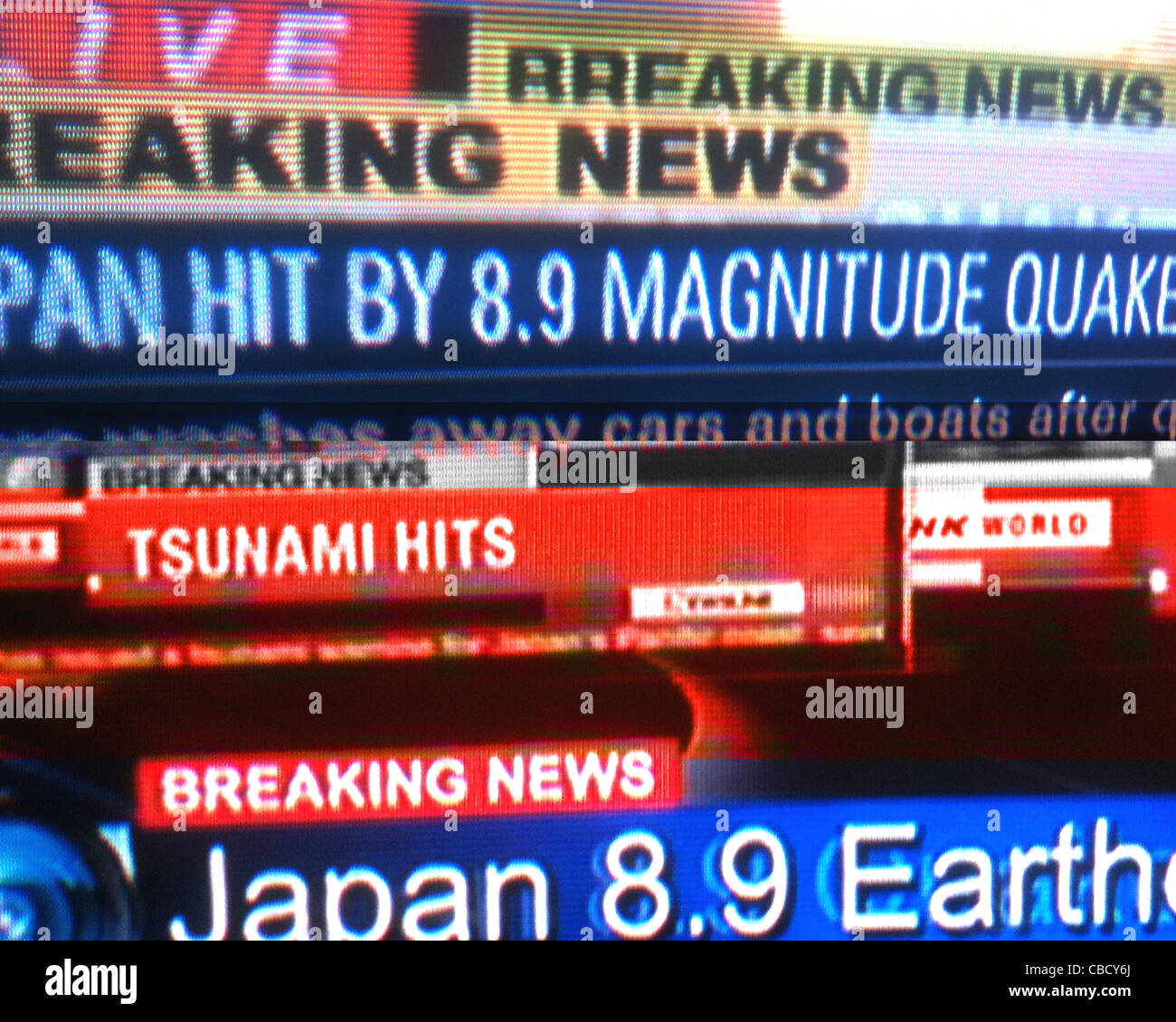
Journalism underwent a trial by fire in 2011, balancing the speed of social media with the necessity of traditional verification. Two major events defined the news media landscape that year: the death of Osama bin Laden and the News International phone-hacking scandal.
- The Death of Osama bin Laden: On May 1, 2011, the news broke on Twitter via an IT consultant in Abbottabad, Pakistan, who unknowingly live-tweeted the raid. This event remains a case study in how social media can scoop traditional news outlets, forcing major networks to adopt "social listening" as a core journalistic competency.
- The News of the World Scandal: In the United Kingdom, the closure of the 168-year-old News of the World tabloid following revelations of illegal phone hacking sent shockwaves through the industry. The subsequent Leveson Inquiry sparked a global conversation about media ethics, privacy, and the influence of media moguls like Rupert Murdoch.
These events forced a reckoning: news was no longer a one-way broadcast; it was a continuous, interactive, and often chaotic dialogue. The role of the "gatekeeper" was permanently weakened, giving rise to the citizen journalism and independent creator economy that dominates current media.
Hardware and Content Consumption Habits
The way media was consumed changed physically in 2011. Apple released the iPad 2 in March, which solidified the tablet as a legitimate device for media consumption rather than just a luxury curiosity. With a thinner design and front-facing cameras, the iPad 2 made mobile video conferencing (FaceTime) and portable HD video streaming mainstream.
In October 2011, the iPhone 4S introduced Siri, marking the beginning of natural language processing as a media interface. While Siri was rudimentary at launch, it signaled the shift toward "ambient media"—the idea that information and entertainment could be accessed via voice commands without the need for a screen.
Furthermore, 2011 saw the rise of the "Second Screen" phenomenon. Data from that year showed that a majority of TV viewers were using smartphones or tablets while watching broadcast programs. This led to the development of "Social TV" apps and hashtags, as networks attempted to capture the digital conversation happening alongside their linear broadcasts.
Comparative Media Landscape (2010 vs. 2011)
The following table highlights the specific shifts in media entities and consumer technology that occurred during this pivotal 12-month window.
| Category | Status in 2010 | Major Shift in 2011 | Long-term Impact (as of 2026) |
|---|---|---|---|
| Video Streaming | Netflix as a DVD-first service. | The Qwikster split; launch of Netflix Originals. | Total dominance of SVOD over linear TV. |
| Social Media | Text-heavy (Facebook/Twitter). | Launch of Snapchat; Instagram's first full year. | Visual-first, ephemeral communication. |
| Music | iTunes (Digital Ownership). | Spotify US Launch (Subscription Access). | Streaming accounts for >85% of industry revenue. |
| Mobile Tech | iPhone 4 (Focus on hardware). | iPhone 4S (Focus on AI/Siri). | Voice-activated and AI-curated media. |
| Journalism | Print-first/Web-second. | Phone-hacking scandal; Arab Spring. | Focus on real-time verification and ethics. |
Cultural Milestones and Entertainment Trends
While the technology shifted, the content of 2011 also reflected a world in transition. In film, the release of Harry Potter and the Deathly Hallows – Part 2 marked the end of a decade-long cinematic era, while the success of Thor and Captain America: The First Avenger proved that the Marvel Cinematic Universe was a sustainable multi-year media project.
In music, Adele’s album 21 dominated the charts, selling millions of physical and digital copies. It was, in many ways, the last great "monocultural" moment for the music industry before algorithmic personalization began to fragment the global audience into niche listener groups.
The rise of the "Indie" scene was also notable. In 2011, Minecraft was officially released, showcasing how independent developers could leverage digital distribution to create media franchises that rivaled traditional Hollywood IP. This democratized the path to success, allowing individual creators to find global audiences without the need for traditional studio backing.
Frequently Asked Questions about 2011 Media
What was the most significant media event of 2011?
While subjective, most analysts point to the Arab Spring as the most significant event. It demonstrated that social media was no longer just for entertainment but was a powerful tool for political change and real-time news reporting, fundamentally altering the relationship between governments and the press.
Why did the Netflix "Qwikster" move fail so badly?
The failure was primarily due to poor communication and price structure. By forcing users to manage two separate websites and billing systems while effectively doubling the price for those who wanted both DVDs and streaming, Netflix alienated its core user base. However, the move was strategically sound, as it allowed the company to focus exclusively on the global scaling of its streaming infrastructure.
How did the 2011 phone-hacking scandal change journalism?
The scandal led to the Leveson Inquiry in the UK, which resulted in stricter self-regulation for the press and a heightened global awareness of privacy rights. It discouraged the "checkbook journalism" and invasive tactics that had been common in tabloids for decades and pushed major outlets to adopt more transparent ethical guidelines.
What role did 2011 play in the rise of influencers?
In 2011, the "vlogger" culture on YouTube began to professionalize. Creators like Michelle Phan and Jenna Marbles reached millions of subscribers, proving that individual personalities could command audiences larger than some cable networks. This year provided the blueprint for the modern influencer-led marketing economy we see in 2026.
How did music consumption change in 2011?
The launch of Spotify in the US moved the industry from an "ownership" model (buying individual tracks or albums) to an "access" model. This changed how artists were paid, shifting the focus toward play counts and playlist placement rather than traditional album sales.
Looking Forward: Lessons from the 2011 Era
Understanding the media landscape of 2011 is essential for navigating the complexities of 2026. The shift from centralized to decentralized media that began fifteen years ago has reached its logical conclusion. For media professionals and consumers alike, the key takeaway from 2011 is the importance of agility and ethical vigilance.
As we continue to integrate artificial intelligence and immersive technologies into our daily lives, we must look back at 2011 as a warning and a guide. The Qwikster debacle taught us that while the technology may change, the user experience and brand trust are paramount. The Arab Spring taught us that information is a powerful tool for liberation but can also be manipulated. By studying these historical milestones, we are better equipped to handle the rapid-fire media evolutions of the future.