Fashion in 2011 was characterized by a high-contrast blend of vivid color-blocking, the peak of the "Indie Sleaze" aesthetic, and the emergence of structured silhouettes like peplum and bandage dresses. Influenced by the rapid rise of Tumblr and Pinterest, the era favored bold statement accessories, feathered hair extensions, and a distinct "hipster" sensibility that bridged late-2000s maximalism with mid-2010s minimalism.
The Cultural Landscape: Why 2011 Looked the Way It Did
To understand 2011 fashion, one must recognize it as the final frontier of the pre-algorithm internet. In 2026, looking back fifteen years, we see 2011 as a pivotal year where the "Street Style" blog moved from the fringes of the industry to its center. Platforms like Lookbook.nu and Tumblr allowed teenagers in suburbs to influence high-fashion designers in Paris and Milan. This democratization of style led to a "magpie" approach to dressing, where high-street brands like Zara and H&M rapidly replicated runway looks from Jil Sander or Proenza Schouler.
The year was also defined by a sense of global transition. Economically, the world was still recovering from the 2008 recession, leading to a "high-low" mix—pairing designer investment pieces with thrifted finds. Culturally, the wedding of Prince William and Catherine Middleton in April 2011 sparked a massive resurgence in classicism and lace, while the pop-dominance of Lady Gaga and Rihanna encouraged a theatrical, often "weird" approach to everyday attire.
Defining Women’s Fashion Trends
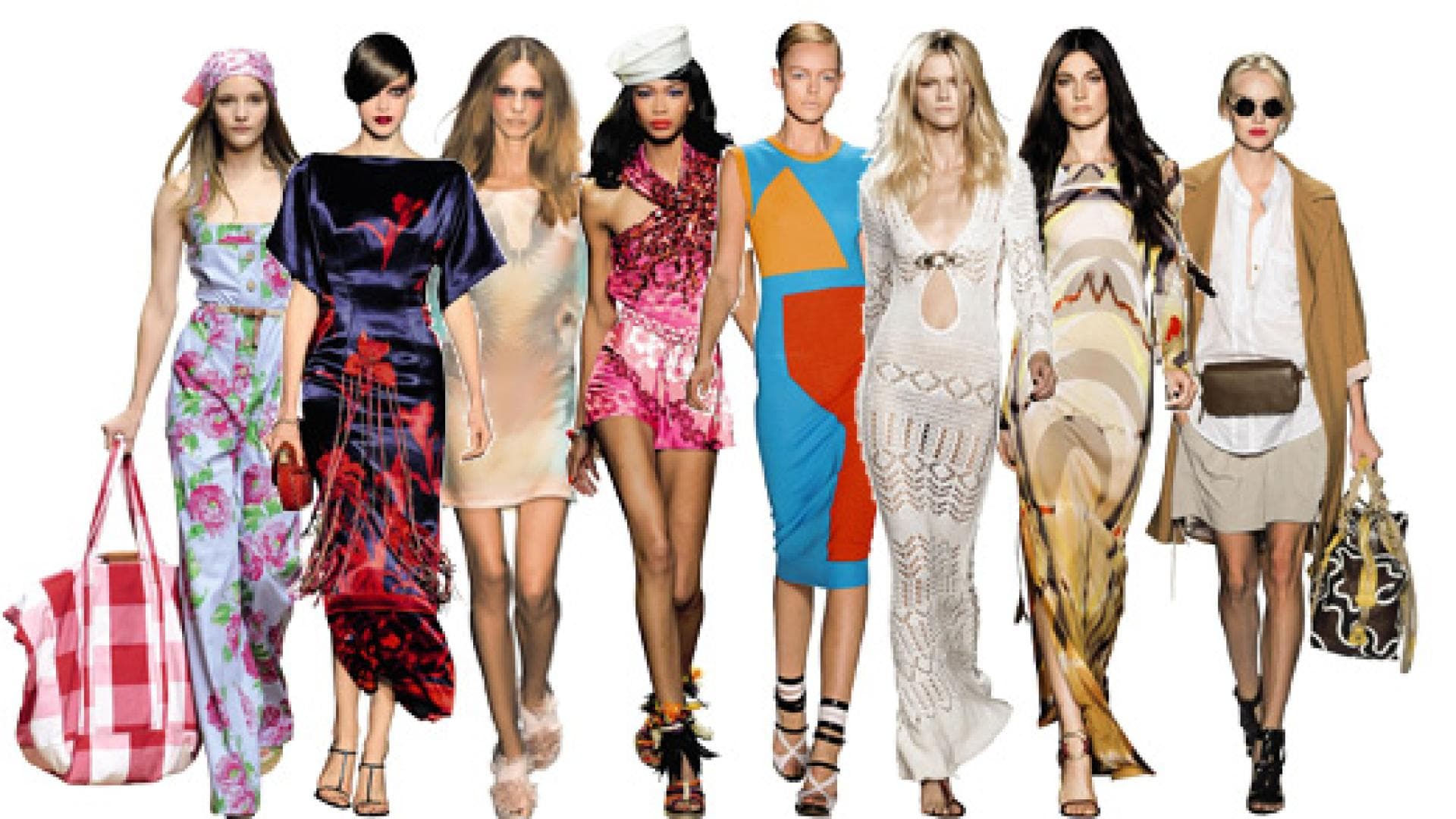
The silhouette of 2011 was remarkably varied, often swinging between extreme structure and fluid, "boho-chic" remnants. Several key trends dominated the retail landscape and the red carpet.
The Color-Blocking Phenomenon
Perhaps no trend defines 2011 more than color-blocking. Spurred by the Spring/Summer 2011 collections of Jil Sander and Gucci, fashionistas began pairing solid blocks of clashing, vibrant colors. It was common to see a bright orange silk blouse tucked into a fuchsia pencil skirt, often finished with a teal belt. This trend signaled a move away from the muted grays and blacks of the late 2000s, embracing a sense of optimism and visual noise.
The Peplum Revival
The peplum—a short, gathered, or pleated strip of fabric attached at the waist of a jacket, blouse, or dress—became an inescapable silhouette in 2011. Designers used it to create an exaggerated hourglass figure. While initially viewed as a sophisticated, architectural choice, its mass-market saturation eventually led to its decline. However, in 2011, it was the go-to look for "night-out" attire and office-to-evening transitions.
Tribal and Galaxy Prints
Digital printing technology allowed for a surge in complex, vibrant patterns. "Tribal" or "Aztec" prints appeared on everything from leggings to oversized cardigans, often associated with the "Urban Outfitters" aesthetic. Simultaneously, Christopher Kane’s influence led to the "galaxy print" craze, where nebulae and star-scapes were printed on t-shirts and tight-fitting dresses, symbolizing the era's fascination with the "space age" and digital surrealism.
The Rise of Digital Subcultures: Indie Sleaze and Tumblr Chic
2011 was the golden age of the "Hipster" and the "Indie Sleaze" aesthetic. This subculture prioritized a look that appeared messy, authentic, and slightly vintage, though often carefully curated.
- Indie Sleaze: Characterized by smeared eyeliner, American Apparel disco pants, oversized flannels, and messy top-knots. This look was heavily documented by photographers like Mark Hunter (The Cobra Snake) and mirrored by celebrities like Sky Ferreira and Alexa Chung.
- The Twee Aesthetic: On the opposite end of the indie spectrum was "Twee," popularized by Zooey Deschanel and the film 500 Days of Summer. This involved Peter Pan collars, A-line skirts, cardigans, and ballet flats, often accompanied by a ukulele or a vintage-style bicycle.
- Seapunk and Soft Grunge: Toward the end of 2011, niche internet subcultures like Seapunk (incorporating turquoise hair and 90s web graphics) and Soft Grunge (denim jackets, combat boots, and flannel) began to percolate on Tumblr, setting the stage for the massive trends of 2012 and 2013.
Men’s Fashion: The Move Toward "Heritage" and Slim Fit
For men, 2011 was a year of "cleaning up." The baggy silhouettes of the early 2000s were officially dead, replaced by a preference for slim-cut tailoring and "heritage" brands.
Americana and Workwear
The "Workwear" or "Americana" trend reached its peak in 2011. Men began investing in high-quality denim (often raw or selvedge), Red Wing boots, and flannel shirts from brands like Filson or Pendleton. The goal was to look like a rugged craftsman, even if one worked in a digital agency. This was often paired with the "lumbersexual" beard, which began its mainstream ascent this year.
The New Preppy
Influenced by shows like Gossip Girl and the general ivy-league revival, preppy style took a modern turn. Slim-fit chinos in "fun" colors (like Nantucket Red or Mustard Yellow) were paired with fitted blazers and boat shoes. The look was less about the country club and more about a sharp, urban interpretation of classic collegiate attire.
Iconic Footwear and Accessories of 2011
Accessories in 2011 were rarely subtle. They were designed to be "statement" pieces that served as focal points for an outfit.
| Category | Hero Item | Brand/Origin | Cultural Impact |
|---|---|---|---|
| Shoes | The "Lita" Boot | Jeffrey Campbell | A 5-inch platform lace-up boot that defined the "Tumblr girl" look. |
| Shoes | Wedge Sneakers | Isabel Marant | The ultimate "model-off-duty" shoe, blending sport and height. |
| Bags | The PS1 Satchel | Proenza Schouler | The "It-Bag" of the year, moving away from logos toward craftsmanship. |
| Jewelry | Statement Necklaces | J.Crew / BaubleBar | Large, colorful bib necklaces worn over collared shirts or dresses. |
| Hair | Feather Extensions | Steven Tyler influence | Thin feathers tied into the hair, popularized by Kesha and Selena Gomez. |
| Eyewear | Oversized Wayfarers | Ray-Ban | Often worn with clear lenses as "geek chic" or "nerd" glasses. |
Celebrity Influence and the Red Carpet
The fashion events of 2011 provided some of the most memorable moments of the decade. The Alexander McQueen: Savage Beauty exhibition at the Metropolitan Museum of Art celebrated the late designer’s legacy and cemented 2011 as a year where fashion was truly viewed as high art.
- The Royal Wedding: Sarah Burton for Alexander McQueen designed Catherine Middleton's wedding dress. Its long lace sleeves and classic silhouette influenced bridal fashion for the next decade, moving the industry away from strapless gowns.
- Lady Gaga’s Vessel: At the 2011 Grammys, Lady Gaga arrived inside a giant egg-shaped vessel, a peak "performance art" fashion moment that challenged the boundaries of celebrity appearances.
- Rihanna’s Red Hair: Rihanna’s vibrant red hair during the Loud era became a massive trend, influencing hair salons globally and complementing the year's obsession with bright colors.
2011 Fashion in the Context of 2026
In 2026, the "15-year rule" of fashion cycles has brought 2011 back into the spotlight. As Gen Z and Gen Alpha look for alternatives to the hyper-minimalism of the early 2020s, they are rediscovering the chaotic energy of 2011.
Thrift markets and resale platforms like Depop are seeing a surge in "vintage" 2011 items, particularly Jeffrey Campbell Litas, American Apparel basics, and anything with a mustache or galaxy print. The "Indie Sleaze" revival is more than just a trend; it is a rejection of the overly filtered, "clean girl" aesthetic that dominated the years prior. Today’s consumers value the tactile, messy, and experimental nature of 2011 style, viewing it as a time of genuine creative exploration before the total homogenization of social media.
FAQ: Common Questions About 2011 Fashion
What was the most popular shoe in 2011?
The Jeffrey Campbell "Lita" boot was the most iconic shoe of 2011. It featured a hidden platform, a chunky wooden heel, and lace-up detailing. Available in hundreds of colors and patterns—from glitter to tapestry—it was a staple for the "fashion blogger" community and appeared in nearly every street-style photograph of the era.
Why was "Mustache" merchandise so popular?
The mustache trend, often referred to as "Movember-core," was a viral aesthetic where finger-mustache tattoos, mustache-printed t-shirts, and jewelry were ubiquitous. It originated from a blend of ironic hipster humor and charity awareness but quickly became a defining "quirky" motif of the early 2010s digital culture.
Was 2011 the start of fast fashion dominance?
While fast fashion existed before 2011, this year marked a significant acceleration. Brands like Zara and H&M became more efficient at replicating runway looks within weeks. The rise of "Haul" videos on YouTube further incentivized mass consumption, making the latest trends accessible to a wider demographic than ever before.
How did the "Hipster" look change in 2011?
By 2011, the "Hipster" look transitioned from a niche Brooklyn subculture to the global mainstream. It moved away from the 1980s-inspired neon of the late 2000s and toward a more "authentic" vintage look, incorporating elements like suspenders, bow ties, thick-rimmed glasses, and a fascination with "old-world" crafts and coffee culture.
What was the "Arm Party" trend?
The "Arm Party" was a term coined by blogger Leandra Medine (The Man Repeller) to describe the trend of stacking as many bracelets, watches, and bangles as possible on one wrist. This maximalist approach to accessorizing was a key component of 2011's "more is more" philosophy regarding jewelry.
Practical Recommendations for 2011-Themed Styling
If you are looking to recreate the 2011 look in 2026, focus on balance and texture. To avoid looking like a costume, choose one "hero" element—such as a peplum top or a pair of colored skinny jeans—and pair it with modern, neutral basics.
For those interested in the Indie Sleaze revival, look for authentic vintage American Apparel pieces or oversized leather jackets. The key to the 2011 aesthetic is a sense of "undone" effort; hair should be slightly messy, and accessories should feel personal rather than perfectly matched. Finally, remember that 2011 was the year of the "statement." Whether it is a bold lip color (like MAC’s Candy Yum-Yum) or a chunky necklace, ensure your outfit has a singular, clear point of focus.