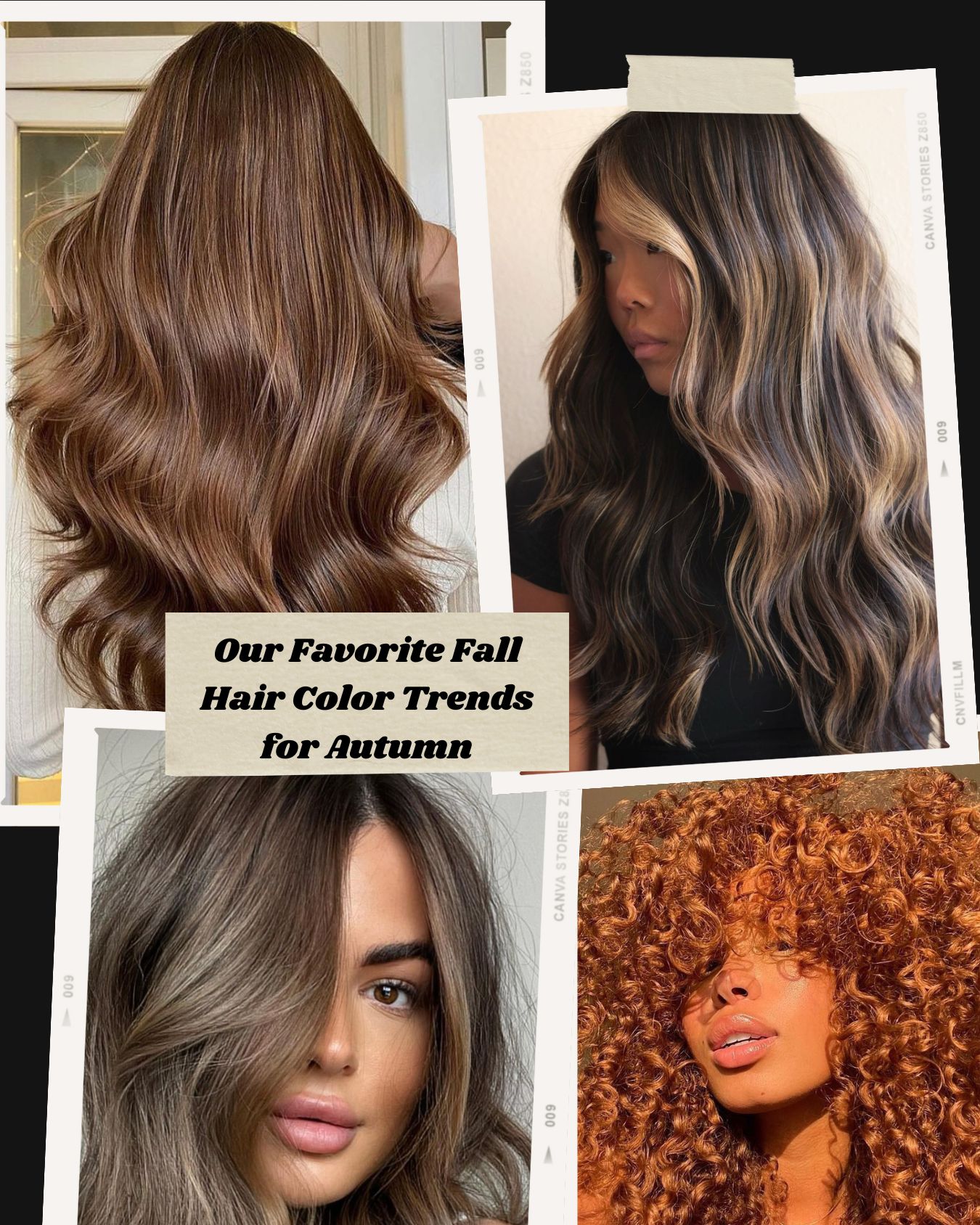
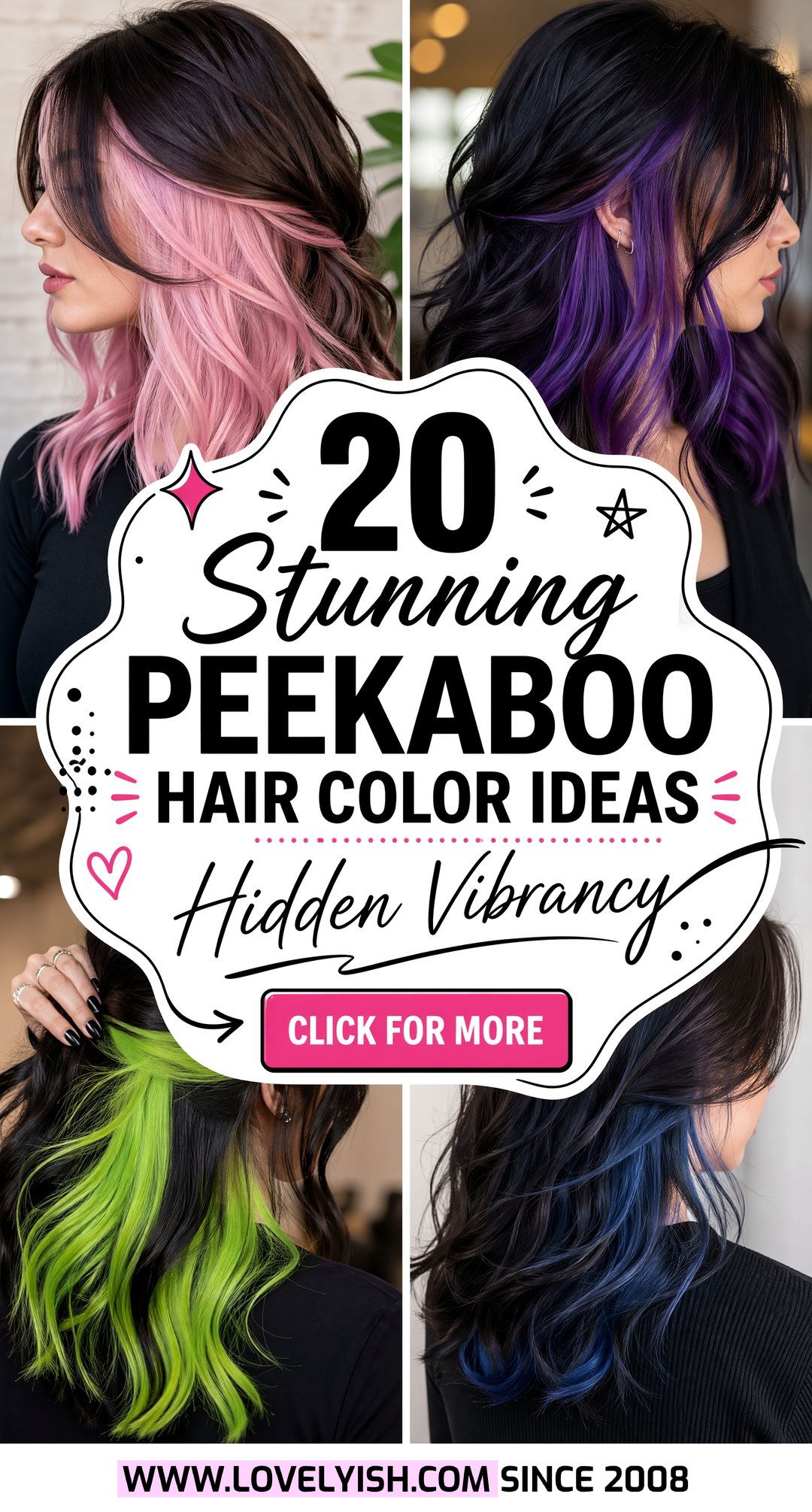
In 2010, hair color trends shifted away from the heavy, "chunky" highlights of the late 2000s toward more seamless, multidimensional techniques like ombré and "bronde." This pivotal year marked the intersection of effortless beach aesthetics and high-fashion edge, introducing gradients and vibrant tones that continue to influence modern cosmetology in 2026.
The Technological Shift in 2010 Hair Color
To understand why 2010 was a watershed year for hair color, one must look at the evolution of salon technology and formulation. Before 2010, many mainstream hair colors relied heavily on high-ammonia formulas that often sacrificed hair integrity for pigment depth. However, by 2010, the industry saw a surge in ammonia-free permanent color and oil-delivery systems. These innovations allowed stylists to achieve lifting and depositing without the harsh chemical odor or excessive cuticle damage common in previous decades.
Furthermore, 2010 was the year "hair health" became as marketable as the color itself. Professionals began prioritizing bond-preserving treatments (the precursors to the advanced plex-technologies we use in 2026) and sulfate-free maintenance routines. This focus on hair health was essential because the year's most popular styles—specifically high-contrast ombrés and platinum blondes—required significant chemical processing. Without the improvement in conditioners and post-color sealants, the "lived-in" look that defined 2010 would have appeared damaged rather than stylish.
15 Stunning Hair Color Shades and Styles of 2010
The 2010 aesthetic was characterized by a specific tension: the desire for hair to look "natural" and "sun-kissed" versus the rise of unapologetically bold, "artificial" colors. Here are the 15 shades and styles that dominated the landscape.
1. The Classic High-Contrast Ombré
The absolute "it-look" of 2010 was the ombré. Unlike the soft "sombré" (subtle ombré) that followed years later, the 2010 version was often high-contrast. It featured dark, natural roots—often an espresso or deep chestnut—transitioning into bright honey or golden blonde tips. The transition point usually began at the jawline or mid-shaft, creating a "dip-dyed" effect that suggested a summer spent on a surfboard.
2. "Bronde" (The Brown-Blonde Hybrid)
Popularized by supermodels like Gisele Bündchen, "bronde" was the solution for brunettes who wanted to go lighter without the maintenance of a full blonde. Stylists achieved this by using a combination of hand-painted highlights (balayage) and traditional foils, focusing on shades like caramel and dark honey over a light brown base.
3. Icy Platinum Blonde
Inspired by the meteoric rise of pop icons and high-fashion models like Agyness Deyn, icy platinum was the "cool girl" choice of 2010. This required a double-process bleach and tone, aiming for a stark, almost white-blonde with minimal yellow undertones. It was a high-maintenance look that demanded frequent root touch-ups and purple shampoo to neutralize brassiness.
4. Cherry Red (The Rihanna Influence)
Toward the end of 2010, the world saw a massive spike in vibrant, primary-red hair. This trend was almost single-handedly driven by Rihanna's Loud era. The shade was a true, bright cherry red that didn't attempt to look natural. It required a high-pigment deposit and was notorious for fading quickly, leading to a boom in color-depositing conditioners.
5. Golden Honey Blonde
While platinum was for the edgy, honey blonde was for the "girl next door" archetype. This shade featured warm, golden tones that added glow to the skin. In 2010, this was often achieved with a "global" color (all over) followed by subtle highlights to provide dimension.
6. Rose Gold
Long before it became a smartphone color, rose gold was a niche hair trend in 2010. It was often a shimmering blonde with a distinct pinkish-copper undertone. It was frequently used as a "toner" over pre-lightened hair, offering a whimsical but sophisticated alternative to traditional blonde.
7. Deep Espresso Brown
In contrast to the lighter trends, many opted for a monochromatic, "expensive-looking" deep brown. This espresso shade was nearly black but maintained warmth, preventing the skin from looking washed out. The key to this 2010 look was the high-shine finish, often achieved with a clear gloss treatment.
8. Copper Auburn
2010 saw a resurgence of "natural-looking" redheads. Shades of auburn and rich copper were popular among those who wanted a warm, seasonal shift. These tones were typically achieved using a demi-permanent color to ensure the red remained vibrant and multidimensional.
9. Lavender and Pastel Accents
Influenced by the "indie sleaze" and "twee" subcultures, pastel hair began its journey into the mainstream. Lavender was the most prominent choice, often applied as "peek-a-boo" highlights or diluted all-over color on pre-bleached hair. This trend set the stage for the massive "unicorn hair" movement of the mid-2010s.
10. Caramel Highlights on Dark Bases
For those with dark chocolate or black hair, caramel highlights provided necessary depth. In 2010, these were often concentrated around the face (face-framing) to brighten the complexion. The contrast was intentional, with the highlights being several levels lighter than the base.
11. Jet Black with Blue Undertones
The "goth-lite" or "emo" influence of the late 2000s persisted into 2010 via jet-black hair. This wasn't a natural black; it was a saturated, cool-toned black that often had a blue or violet "flash" when caught in the light.
12. Ash Brown
As a reaction against the brassy tones of previous years, "cool" or "ash" brown became a major request in 2010 salons. This shade removed all red and orange pigment, resulting in a mushroom-like brown that paired perfectly with the decade's smokey-eye makeup trends.
13. Sun-Kissed Balayage
While ombré was the bold sibling, balayage was the refined one. This French free-hand painting technique allowed for a more graduated, natural look than foils. In 2010, it was the preferred method for achieving that "I just returned from the Maldives" aesthetic.
14. Peachy Pink
Lighter than the cherry red but warmer than lavender, peachy pink was a favorite for those with warm skin tones. It was often used in a "washed out" or "watercolor" style, where the color looked like it had naturally faded over several weeks.
15. Multi-tonal Burgundy
Burgundy in 2010 wasn't just a flat dark red. It was often layered with plum and violet tones to create a "jewel-toned" effect. This was particularly popular for winter styles and was a staple for those with darker natural hair who wanted a visible color change without bleaching.
Comparison of 2010's Top Color Trends
The following table compares the most influential trends of the year based on maintenance, technique, and suitability.
| Trend Name | Primary Technique | Maintenance Level | Best Suited Skin Tone |
|---|---|---|---|
| High-Contrast Ombré | Backcombing & Painting | Low (no root regrowth issues) | All (Universal) |
| Icy Platinum | Double Process Bleach | Very High (3-4 week touch-ups) | Cool / Fair |
| Cherry Red | High-Pigment Deposit | High (fast fading) | Neutral / Warm |
| Bronde | Balayage & Lowlights | Medium | Warm / Olive |
| Ash Brown | Cool-Toned Glossing | Medium (requires toning) | Cool / Pink |
| Rose Gold | Pastel Toning | High (fades in 2-3 weeks) | Fair / Peach |
| Deep Espresso | Global Permanent Color | Low | Deep / Tan |
The Role of Celebrity and Media in 2010
Search volume for these hair colors in 2010 was largely driven by red-carpet appearances and the burgeoning influence of "street style" blogs. The most significant influencer of the year was undoubtedly the "Gossip Girl" cast, specifically Blake Lively and Leighton Meester. Their hair—characterized by rich, multi-tonal blondes and brunettes—set the standard for what was considered "aspirational" color.
Simultaneously, the music industry pushed the boundaries of what was acceptable in a professional setting. When stars like Katy Perry or Nicki Minaj debuted vivid neons or pastels, it signaled a shift that made "fashion colors" more accessible to the average consumer. By the end of 2010, what was once considered a "punk" aesthetic had been refined into a high-fashion statement, paving the way for the color-melting techniques that would dominate the next fifteen years.
Maintenance and Preservation Techniques
In 2010, as today in 2026, the longevity of these shades depended on specific chemical-care routines. The popularity of the "lived-in" look meant that consumers were washing their hair less frequently—a trend that led to the mass-market explosion of dry shampoo.
- Water Temperature: Stylists in 2010 began emphasizing the importance of rinsing with cool water, especially for red and pastel shades, to keep the hair cuticle closed and lock in pigment.
- UV Protection: With the rise of balayage and ombré, hair was often left more porous. UV-protectant sprays became a salon staple to prevent the sun from turning golden blondes into brassy oranges.
- Color-Depositing Products: To combat the rapid fading of shades like cherry red and rose gold, many brands launched shampoos that deposited small amounts of pigment during the wash cycle.
Common Mistakes When Recreating 2010 Styles
When looking back or attempting to recreate these vintage 2010 looks, there are several technical pitfalls to avoid:
- The "Line of Demarcation": A common error in 2010 ombrés was a harsh, horizontal line where the dark hair met the light hair. Professional results required "teasylights" or heavy blending to create a blur.
- Over-Processing the Ends: Because the ends of the hair are the oldest, the high-lift required for 2010's platinum tips often resulted in breakage. Modern recreations should utilize bond-builders to ensure the hair stays intact.
- Ignoring the Undertone: Many people attempted "ash brown" but used a neutral dye, resulting in a muddy color. Achieving a true 2010 ash requires a green or blue-based toner to counteract underlying warmth.
What was the most popular hair color of 2010?
The high-contrast ombré was the most defining trend. It transitioned from a dark espresso or chocolate brown at the roots to a bright golden blonde at the ends. This style was revolutionary because it allowed for months of growth without a visible "root line," making it the first high-fashion trend that was also low-maintenance.
How did "Bronde" get its name?
"Bronde" is a portmanteau of "Brown" and "Blonde." It was coined to describe a color that was too dark to be blonde and too light to be brown. It typically involves a light brown base with heavy, sun-kissed balayage highlights, creating a shimmering, sandy effect that was popularized by supermodels.
Was 2010 the year red hair became popular?
Yes, specifically late 2010. While red is always a classic, the "Cherry Red" trend sparked by pop music icons made it a global phenomenon. Unlike the natural copper-reds of previous years, the 2010 red was vibrant, artificial, and highly saturated.
Is the 2010 hair color look still relevant in 2026?
Absolutely. Many of the techniques perfected in 2010, such as hand-painted balayage and gradient ombré, are the foundations of modern "lived-in" hair. While today's 2026 trends might be more subtle or use different chemical formulas, the core concept of multidimensional, personalized color remains the same.
Recommendations for Reviving 2010 Trends
If you are looking to bring back a 2010-inspired shade, the best approach is to focus on the "Bronde" or "Balayage" techniques. These offer the most timeless appeal and are the easiest to maintain. Always consult with a professional colorist who can assess your hair's porosity before attempting high-lift styles like platinum or cherry red. To maintain the 2010 "high-shine" finish, incorporate a weekly glossing treatment and a high-quality heat protectant, as these styles were almost always paired with voluminous, heat-styled waves.