2010 culture represented a transformative bridge between the analog-influenced 2000s and the hyper-connected digital landscape. It was defined by the mainstream adoption of smartphones via the iPhone 4, the birth of Instagram, the dominance of maximalist electro-pop music, and a "hipster" fashion aesthetic centered on indie-sleaze and retro-irony.
The year 2010 serves as a unique chronological marker. As we look back from the vantage point of 2026, it is clear that 2010 was the moment the "online world" stopped being a destination and started becoming a constant state of being. It was a year of massive technical hardware shifts, a radical reimagining of how we consume visual media, and a pop-cultural explosion that favored high-concept spectacle over the gritty realism of the late 2000s. To understand the cultural DNA of the 2020s, one must first analyze the seismic shifts that occurred during this pivotal twelve-month period.
The Hardware Revolution: How the iPad and iPhone 4 Redefined Mobility
In 2010, the way humans interacted with information underwent a fundamental change. Before this year, mobile internet was often a truncated, frustrating experience. Two specific product launches from Apple changed this trajectory: the iPad and the iPhone 4.
The iPad, launched in April 2010, was initially met with skepticism by critics who dismissed it as "just a large iPhone." However, it fundamentally altered the media consumption landscape. It carved out a "third category" of device between the smartphone and the laptop, encouraging long-form reading, digital illustration, and a new tactile relationship with the internet. For the first time, the "tablet" became a viable household item, eventually leading to the decline of the netbook market and changing how children and seniors interacted with technology.
Equally significant was the iPhone 4, released in June 2010. It introduced the Retina Display, making pixels invisible to the naked eye and setting a new standard for mobile visual fidelity. It also featured the first front-facing camera in the iPhone lineup, which, alongside the "Antennagate" controversy, became its defining legacy. The front-facing camera was the hardware prerequisite for the "selfie" culture that would dominate the coming decade. Without the iPhone 4’s high-resolution display and dual-camera system, the visual-heavy social platforms of the 2010s might never have gained such rapid traction.
The Birth of Visual Social Media: Instagram and the End of the "Status Update"
While Facebook remained the dominant social network in 2010, the launch of Instagram in October of that year signaled a shift in social priorities. Before Instagram, social media was primarily text-based—think Facebook wall posts or early Twitter's 140-character limit. Instagram shifted the focus to the image.
The app's early success was built on its "filters," such as X-Pro II and Earlybird. These filters allowed users to mask the relatively low quality of early smartphone cameras with a "vintage," "Lomography-style" aesthetic. This created a culture of curated reality. From its inception, 2010-era Instagram encouraged users to view their daily lives through a cinematic lens, focusing on aesthetic value rather than just informational updates. This was also the peak of Foursquare, an app that popularized "checking in" to physical locations, effectively gamifying movement and paving the way for the location-based services we take for granted today.
Maximalist Pop: The Sonic Reign of Lady Gaga and Katy Perry
Musically, 2010 was the year of "Electro-Pop" and "Dance-Pop." The industry had fully recovered from the guitar-heavy emo and garage rock eras of the mid-2000s, embracing synthesizers, Auto-Tune, and high-concept music videos.
Lady Gaga was the undisputed icon of this era. Following the massive success of The Fame (2008), her 2010 presence was defined by The Fame Monster and the "Meat Dress" she wore to the MTV Video Music Awards. Her music and public persona pushed the boundaries of performance art, blending avant-garde fashion with radio-ready hooks. Simultaneously, Katy Perry released Teenage Dream, an album that would go on to tie Michael Jackson’s record for the most number-one singles from a single album.
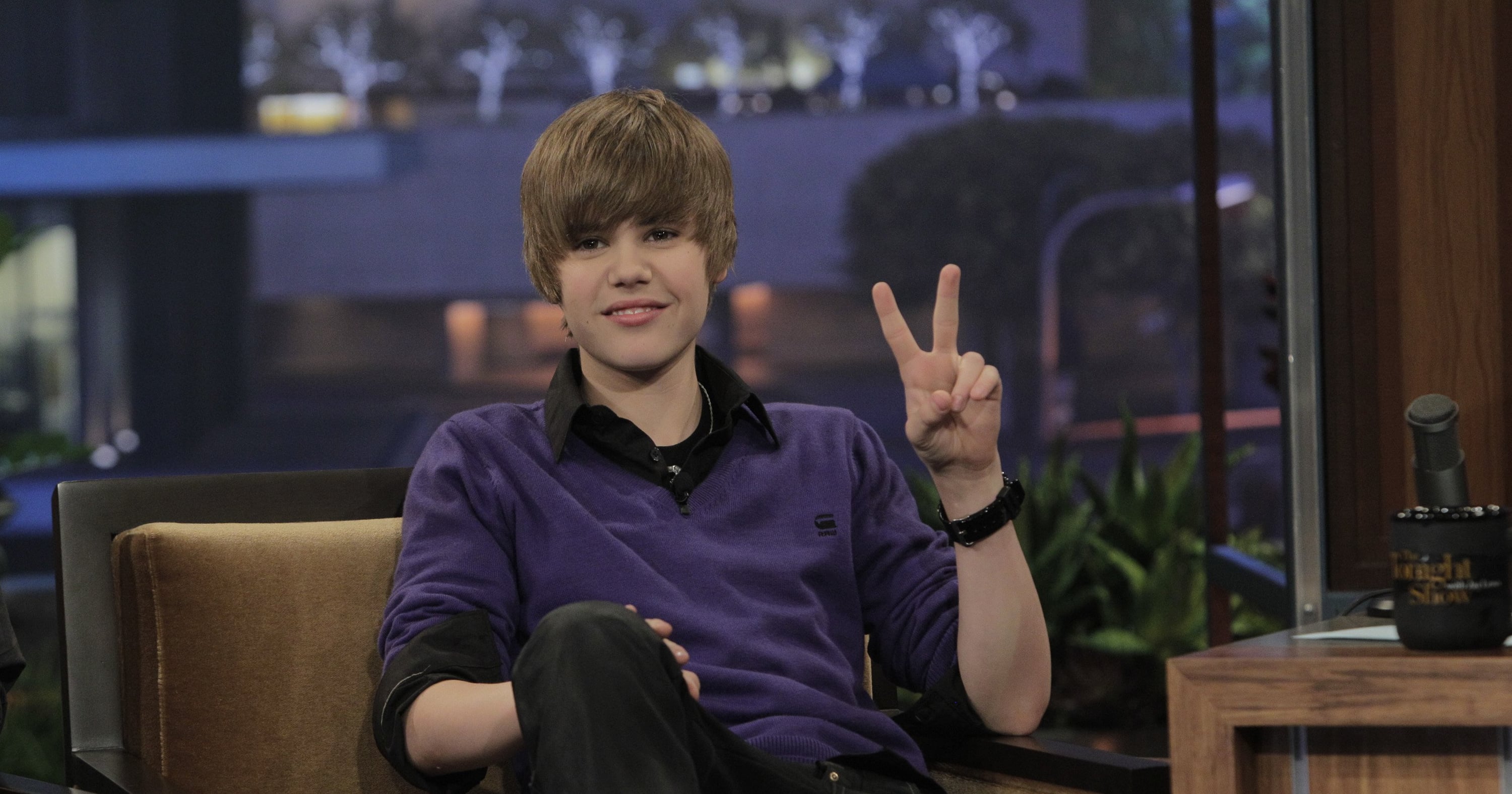
The charts were a reflection of this high-energy, neon-soaked aesthetic. Artists like Kesha (then stylized as Ke$ha) debuted with "Tik Tok," a song that epitomized the "sleazy-chic" party culture of 2010. At the same time, a young Justin Bieber became a global phenomenon with "Baby," marking the transition of the "teen idol" from traditional TV channels like Disney or Nickelodeon to the viral power of YouTube.
| Cultural Category | Key 2010 Milestone | Impact on Future Culture |
|---|---|---|
| Technology | Launch of the Apple iPad | Shifted computing toward tablets and mobile-first media. |
| Social Media | Launch of Instagram | Transitioned social interaction from text to image-based curation. |
| Music | Peak of Electro-pop (Gaga, Katy Perry) | Solidified the dominance of EDM-influenced production in pop. |
| Cinema | Release of Inception | Popularized high-concept, "puzzle" blockbusters in the mainstream. |
| Fashion | Indie Sleaze / Hipster Peak | Influenced the 2020s "retro" revival and thrift-store aesthetic. |
| Global Events | FIFA World Cup (South Africa) | The "Vuvuzela" year; first World Cup on African soil. |
The Aesthetic of Irony: Hipsters, Indie Sleaze, and 2010 Fashion
In 2010, the "Hipster" subculture reached its cultural zenith. This era of fashion is often categorized today as "Indie Sleaze." It was a chaotic mix of 1980s neon, 1970s shag haircuts, and a relentless commitment to irony.
Key fashion elements included:
- Skinny Jeans: Often worn in vibrant colors or extremely dark washes, regardless of gender.
- Wayfarer Sunglasses: Ray-Ban and various knock-offs became the universal eyewear of the "cool" demographic.
- American Apparel: The brand was the aesthetic backbone of 2010, known for its deep V-necks, metallic leggings, and controversial ad campaigns.
- The "Mustache" Motif: A bizarre trend where the mustache appeared on everything from finger tattoos to t-shirts and jewelry.
- Galaxy Print: High-definition prints of nebulae and starscapes on leggings and backpacks.
This fashion was deeply tied to the rise of Tumblr, which became a digital mood board for "alt" culture. Tumblr allowed for the rapid spread of niche aesthetics, creating a "micro-trend" cycle that was the precursor to modern TikTok trends. The 2010 hipster wasn't just wearing clothes; they were participating in a self-aware, often cynical performance of "authenticity" through vintage-inspired consumerism.
Global Spectacle and Cinema: From the World Cup to the Dream World
The global culture of 2010 was punctuated by massive communal events. The FIFA World Cup in South Africa was a landmark moment, being the first time the tournament was held on the African continent. The sound of the vuvuzela became the literal soundtrack of the summer, a polarizing acoustic phenomenon that remains one of the most distinct sensory memories of the year.
In the world of cinema, 2010 was a year of profound storytelling that reflected the anxieties of the time. Christopher Nolan’s Inception was a rare "original" blockbuster that became a cultural touchstone, introducing the "BWAAAAAA" horn sound that would be parodied and used in movie trailers for the next decade. Meanwhile, David Fincher’s The Social Network arrived at the perfect moment, dramatizing the founding of Facebook just as the platform was reaching its peak cultural hegemony. It wasn't just a movie about a website; it was a critique of the new social order that 2010 was helping to cement.
The year also saw the tragic Deepwater Horizon oil spill in the Gulf of Mexico, which dominated the news cycle for months. This event triggered a global conversation about corporate accountability and environmental protection, providing a sobering counterpoint to the escapism found in pop music and cinema.
Digital Ephemera: The Last Great Era of Viral Video Culture
Looking back from 2026, 2010 feels like the "Golden Age" of YouTube. Before the platform was dominated by high-production-value "creators" and complex algorithms, it was a wild west of authentic, often accidental virality.
This was the year of "Double Rainbow," "Bed Intruder Song" (Antoine Dodson), and the "Old Spice Guy" commercials. These videos were communal experiences; they weren't served to us by an AI-curated "For You" page but were shared manually via email, Facebook walls, and early Twitter. The virality of 2010 felt more democratic and less engineered than the professionalized content creation of the mid-2020s. It was the last era where a person could become a global celebrity overnight simply by reacting to a meteorological phenomenon in their backyard.
Why is 2010 culture trending again?
The "20-year rule" of fashion and culture usually dictates that trends return after two decades, but the digital age has accelerated this cycle. In 2026, Gen Z and Gen Alpha are looking back at 2010 with "anemoia" (nostalgia for a time one didn't live through). They are drawn to the perceived "authenticity" of early digital life—a time when the internet was still a fun playground rather than a centralized, monitored utility. The "Indie Sleaze" revival in the 2020s is a direct result of this fascination with 2010’s raw, messy, and unpolished aesthetic.
What were the most popular apps in 2010?
Beyond the newly launched Instagram, the 2010 app landscape was dominated by Facebook, Angry Birds, Fruit Ninja, and Talking Tom Cat. These apps showcased the novelty of the smartphone's touch interface and accelerometer. Pandora was the primary way people discovered music via streaming, as Spotify was not yet available to the general public in the United States.
How did the 2008 financial crisis affect 2010 culture?
The cultural mood of 2010 was a direct reaction to the 2008 recession. The rise of "hipster" culture, with its emphasis on thrifting, DIY projects, and "shabby-chic" aesthetics, was partly a way to make lower-cost living look fashionable. Similarly, the escapist, high-energy pop music of the era provided a much-needed emotional distraction from a stagnant economy and high unemployment rates among young adults.
Was 2010 the year "The Noughties" ended?
Technically, 2010 is the start of a new decade, but culturally, it acted as the "final chapter" of the 2000s while introducing the "prologue" of the 2010s. It retained the chaotic energy of the late 2000s but added the high-definition polish and mobile connectivity that would define the rest of the century.
Preserving the Digital Legacy of 2010
To truly understand 2010 culture, one should look beyond the big-budget movies and chart-topping hits. The real history of 2010 is buried in archived Tumblr posts, old YouTube comments, and the low-resolution digital photos stored on forgotten hard drives. If you are researching this era or looking to recreate its aesthetic, the best path is to engage with primary digital sources. Visit the "Wayback Machine" to see what websites looked like before they were optimized for mobile-first scrolling. Seek out physical media like the original iPad or iPhone 4 to feel the weight of the hardware that started it all. Understanding 2010 is essential for anyone who wants to grasp how we became the hyper-connected, visually-driven society we are in 2026.