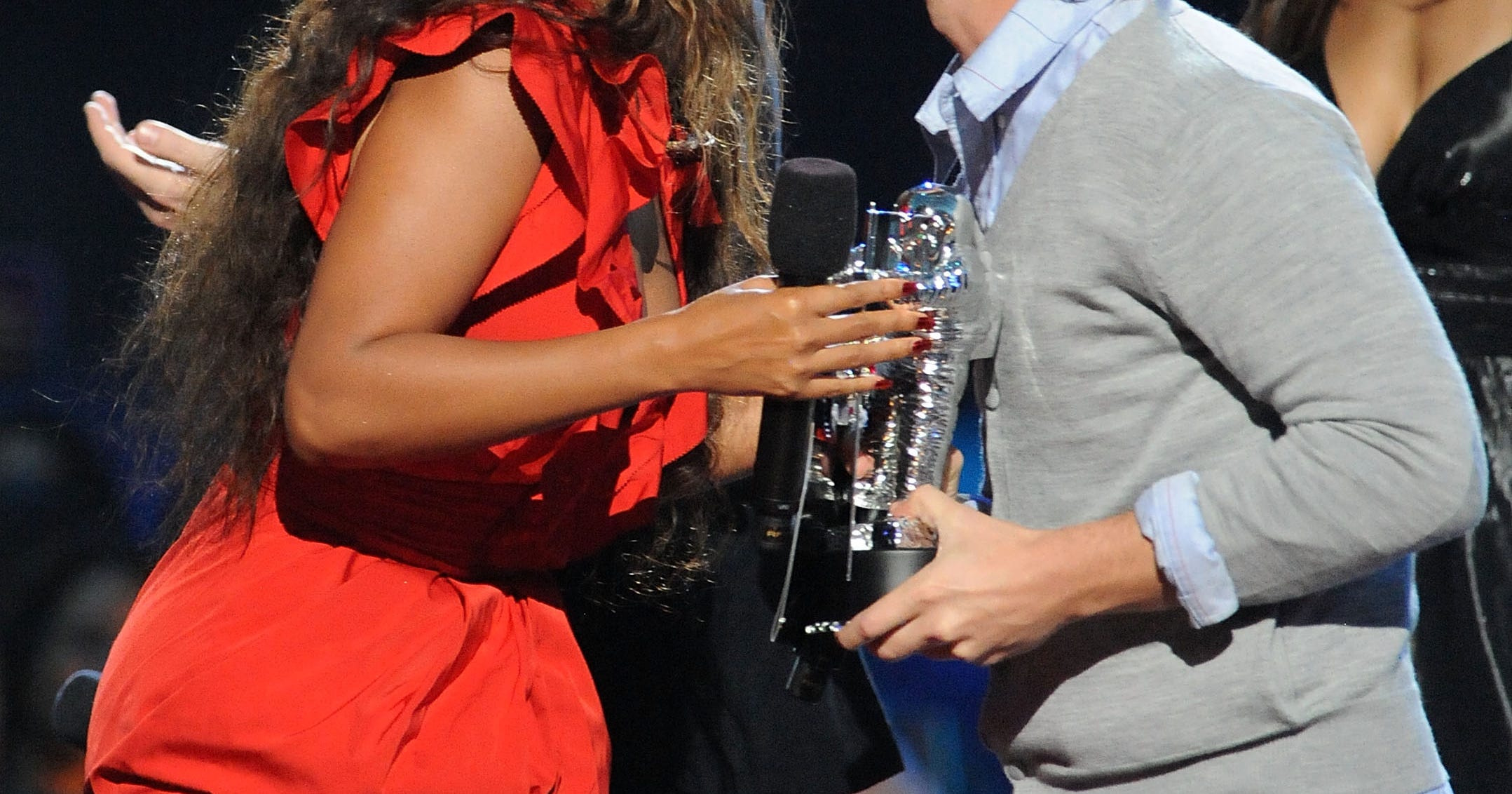
The 2009 MTV Video Music Awards, held on September 13, 2009, at Radio City Music Hall in New York City, remains one of the most culturally significant events in the history of music television. It is primarily remembered for an unscripted interruption during Taylor Swift’s acceptance speech for Best Female Video, which fundamentally altered the public trajectory of several major pop culture figures.
Historical Context and Production Overview
The 2009 MTV Video Music Awards (VMAs) occurred during a period of transition for the music industry, as digital consumption began to heavily influence how videos were viewed and ranked. Hosted by comedian Russell Brand, the ceremony aimed to maintain the high-energy, unpredictable reputation of the network's flagship event. By 2009, the VMAs had firmly established a format that combined high-budget musical performances with viral-ready moments, though the 2009 broadcast reached a level of notoriety that few televised awards shows have equaled since.
The production took place at the iconic Radio City Music Hall, a venue chosen for its grandeur and ability to provide a centralized, theater-style atmosphere. The event was broadcast live, which played a critical role in the immediate dissemination of the night's most controversial segment. From a technical and logistical perspective, the show followed standard industry practices for major award broadcasts: pre-production rehearsals, satellite coordination for international segments, and tightly managed stage direction. However, the organic interaction between the presenters and the nominees introduced variables that no amount of rehearsal could mitigate.
The Defining Moment of the Ceremony
The most analyzed aspect of the 2009 VMAs occurred when Taylor Swift won the award for Best Female Video for "You Belong with Me." As Swift began her acceptance speech, the rapper Kanye West ascended the stage, took the microphone, and declared that Beyoncé’s video for "Single Ladies (Put a Ring on It)" was "one of the best videos of all time."
This moment of stage interruption created a cultural ripple effect. For the industry, it highlighted the risks and benefits of live broadcasts. For the artists involved, it prompted a series of public apologies and statements that dominated headlines for months. Sociologically, the event is frequently cited in media studies as a prime example of the "live-event" phenomenon, where the spontaneity of broadcast television creates a shared cultural memory that persists long after the initial airing.
Categories and Award Recipients
While the interruption captured the primary news cycle, the ceremony honored several artists who were instrumental in the sound and style of the late 2000s. The voting process for the VMAs in 2009 involved a combination of public voting via the MTV website and industry professional input. The competitive landscape reflected the shifting dominance of R&B, hip-hop, and country-pop crossover acts.
The following table outlines the winners of the major categories for the 2009 show:
| Category | Winner | Title / Work |
|---|---|---|
| Video of the Year | Beyoncé | Single Ladies (Put a Ring on It) |
| Best Male Video | T.I. ft. Rihanna | Live Your Life |
| Best Female Video | Taylor Swift | You Belong with Me |
| Best New Artist | Lady Gaga | Poker Face |
| Best Pop Video | Britney Spears | Womanizer |
| Best Rock Video | Green Day | 21 Guns |
| Best Hip-Hop Video | Eminem | We Made You |
Technological and Cultural Impact
The 2009 VMAs served as a final high-water mark for the relevance of traditional music television before the total migration of music video discovery to platforms like YouTube. At the time, the Total Request Live (TRL) era was concluding, and MTV was beginning to pivot toward reality programming. The tension between the show's past as a music-centric outlet and its future as a general entertainment network was palpable during the broadcast.
The technical execution of the performances—featuring artists like Jay-Z, Alicia Keys, and Pink—demonstrated the peak of early 21st-century stage craft. These performances utilized complex rigging, live pyrotechnics, and sophisticated audio mixing designed to transition from the television broadcast to online clips. The 2009 event proved that music videos were still a powerful currency for fame, even as the medium moved away from broadcast television and toward internet-based streaming.
Public Reception and Legacy
In the years following the 2009 VMAs, the event has been extensively dissected in retrospective journalism and media analysis. It is often regarded as a catalyst that accelerated the personal brands of the artists involved. Taylor Swift’s poise during the interruption and Beyoncé’s later decision to share her own acceptance time with Swift helped establish a narrative of professionalism for both artists. Conversely, the moment became a significant point of scrutiny for Kanye West, leading to a temporary shift in his public image and relationship with the mainstream press.
Critics often point to the 2009 show as the last time a VMA moment felt truly "unfiltered." With the rise of social media and the professionalization of artist branding, later awards shows have seen a reduction in spontaneous, raw, or unscripted interactions. The 2009 ceremony remains a reference point for television producers when discussing the "live factor" in the age of global digital connectivity.
Frequently Asked Questions
Who hosted the 2009 MTV Video Music Awards?
The 2009 MTV Video Music Awards were hosted by the British comedian and actor Russell Brand. This was his second consecutive year hosting the event, following his 2008 debut.
Why is the 2009 VMA broadcast considered so significant?
The broadcast is significant because of a widely reported, unscripted incident involving Kanye West interrupting Taylor Swift during her acceptance speech. The event drew massive viewership and remains a primary reference point for pop culture spontaneity.
Where exactly were the 2009 VMAs held?
The ceremony was held at the historic Radio City Music Hall in New York City. This venue has hosted numerous high-profile award shows and performances due to its capacity and technical infrastructure.
Did the 2009 VMAs lead to changes in production protocols?
While formal policies are rarely publicized, major live broadcasts generally tightened security around stage access following the 2009 event. The incident served as a lesson in the unpredictability of live television, leading to more rigorous vetting of individuals permitted to move toward the stage during live segments.
How were winners determined in 2009?
The 2009 winners were chosen through a hybrid system involving public participation via MTV’s official online voting portals, combined with professional industry criteria that evaluated the technical and creative merits of the videos.
Next Steps for Researchers
For those interested in studying the 2009 VMAs from a media production or history perspective, the best approach is to access the original broadcast logs and the official archive of the event. Many clips from the ceremony are preserved in the MTV digital archives, though full-length historical analysis is best supported by contemporary news reports from 2009. Researchers should prioritize sources such as the New York Times music archives or industry journals like Billboard from the September 2009 period to understand the immediate critical reaction before it became historical lore.