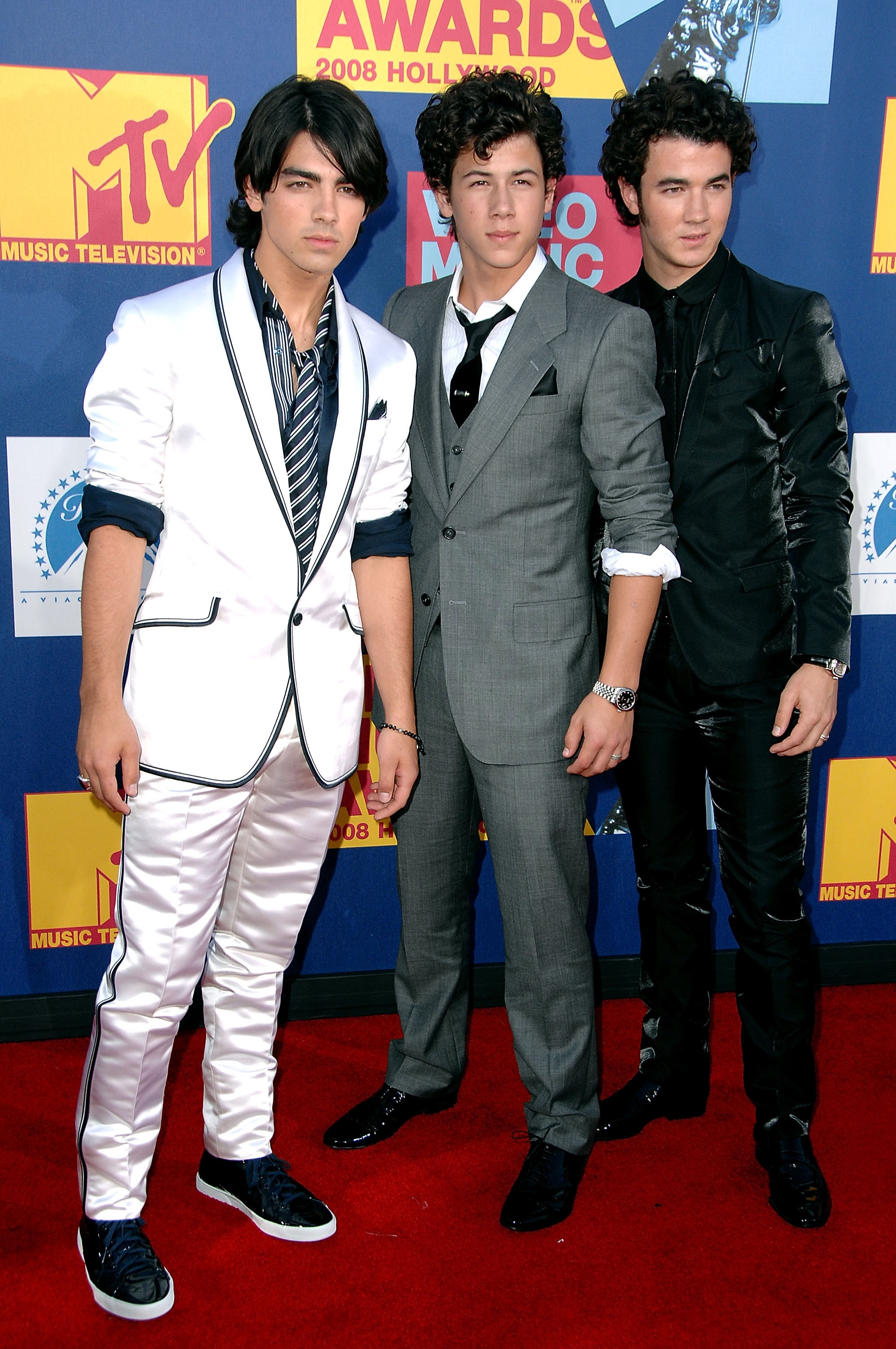
The 2008 MTV Video Music Awards, held on September 7, 2008, at the Paramount Pictures Studios in Los Angeles, stand as one of the most culturally significant and commercially watched ceremonies in the history of the network. Hosted by comedian Russell Brand in his first high-profile American television appearance, the event captured a pivotal transitional era in pop culture, bridging the decline of traditional mid-2000s music television and the dawn of the modern social media landscape.
Historical Context and Cultural Significance of the 2008 MTV Video Music Awards
The late 2000s marked a unique intersection for popular music, where established pop royalty shared charts with emerging digital-era superstars and alternative rock staples. By 2008, the MTV Video Music Awards had evolved from a straightforward video clip showcase into a global pop-culture spectacle where unscripted moments routinely overshadowed the actual competitive honors.
The 2008 ceremony took place against the backdrop of significant shifts in the music industry. Digital music downloads were rapidly overtaking physical CD sales, and YouTube was beginning to redefine how audiences consumed music videos. Despite these technological transformations, the VMAs remained the undisputed focal point for mainstream music promotion.
Russell Brand’s selection as host introduced a distinctively sharp, British sense of satire to American living rooms. His monologue immediately set a provocative tone, blending political commentary with pointed jabs at contemporary pop icons. This editorial framing transformed the broadcast from a standard awards gala into a volatile, unpredictable live television event where cultural friction was practically guaranteed.
The Major Winners and Competitive Highlights
Britney Spears emerged as the undisputed narrative and competitive center of the 2008 VMAs. Following a widely publicized personal and professional trough that included a critically panned performance at the previous year's ceremony, Spears made a triumphant return to the MTV stage. She swept the major competitive categories she was nominated for, securing Video of the Year, Best Pop Video, and Best Female Video for her track "Piece of Me."
| Category | Winner | Nominated Work |
|---|---|---|
| Video of the Year | Britney Spears | "Piece of Me" |
| Best Male Video | Chris Brown | "With You" |
| Best Female Video | Britney Spears | "Piece of Me" |
| Best New Artist | Tokio Hotel | "Ready, Set, Go!" |
| Best Rock Video | Linkin Park | "Shadow of the Day" |
| Best Hip-Hop Video | Lil Wayne | "Lollipop" |
| Best Dancing in a Video | The Pussycat Dolls | "When I Grow Up" |
The competitive landscape of 2008 reflected a diverse commercial ecosystem. While Britney Spears dominated the pop categories, urban contemporary and hip-hop acts enjoyed massive representation. Lil Wayne, who was at the absolute peak of his commercial dominance with the rollout of Tha Carter III, secured Best Hip-Hop Video for "Lollipop." Meanwhile, Chris Brown claimed Best Male Video for "With You," showcasing the era's preference for complex, high-energy choreography.
International acts also found a foothold on the main stage. German pop-rock outfit Tokio Hotel captured Best New Artist with "Ready, Set, Go!," highlighting the growing influence of global fan communities organized through early digital forums. Alternative mainstays Linkin Park took home Best Rock Video for "Shadow of the Day," proving that guitar-driven music still maintained a substantial footprint in mainstream rotation despite the encroaching dominance of electropop and urban dance tracks.
Unforgettable Live Performances
Live musical staging has always been the lifeblood of the VMAs, and the 2008 installment delivered a diverse array of sets that ranged from theatrical spectacles to stripped-down rock collaborations. The night’s performances were designed to maximize immediate shock value and long-term cultural recall.
Rihanna opened the show with a high-octane, leather-clad medley of "Disturbia" and "Seven Nation Army," establishing a darker, edgier aesthetic that signaled her transition from Caribbean pop princess to global dominant force. The choreography was sharp, industrial, and heavy on pyrotechnics, setting a rigorous performance standard for the remainder of the evening.
Kanye West delivered a emotionally charged debut of "Love Lockdown" from his forthcoming album 808s & Heartbreak. Utilizing an illuminated stage and autotune-heavy vocals, West’s performance was a stark departure from traditional hip-hop staging, foreshadowing the minimalist, electronic-infused direction that modern rap would take over the next decade.
Other notable musical moments included Katy Perry arriving on a giant inflatable lipstick to perform "I Kissed a Girl," Panic! At The Disco bringing theatrical vaudeville flair to the stage, and a collaborative grand finale featuring Lil Wayne, Travis Barker, and Paramore’s Hayley Williams. This cross-genre pairing of rap, punk rock, and alternative pop encapsulated the eclectic listening habits of late-2000s youth culture.
Red Carpet Fashion and Iconic Visual Statements
The 2008 red carpet served as an unfiltered time capsule for late-2000s fashion, displaying a distinct mix of recession-era glamour, indie-sleaze textures, and traditional Hollywood tailoring. Long before the era of dedicated luxury stylists dominating every celebrity appearance, red carpet looks at the 2008 VMAs often reflected the distinct, occasionally chaotic personal styles of the artists themselves.
Britney Spears walked the carpet in a metallic, silver Versace gown that was widely praised by fashion critics as a sophisticated, elegant return to form. Her appearance signaled a deliberate visual reset, contrasting sharply with the edgier, avant-garde choices made by her peers.
Conversely, Katy Perry leaned into her signature camp aesthetic, wearing playful, vintage-inspired silhouettes that aligned with the theatrical nature of her breakthrough single. Lady Gaga, though not yet the omnipresent cultural titan she would become by the following year, was already experimenting with theatrical, architectural silhouettes that hinted at her impending dominance over fashion discourse.
Male attendees favored a mix of skinny ties, tailored blazers, and rock-inspired leather jackets. The emergence of indie rock crossover appeal brought a casual, effortless aesthetic to the carpet, with musicians opting for slim-cut trousers and distressed footwear over traditional black-tie formality.
Frequently Asked Questions About the 2008 VMAs
Who hosted the 2008 MTV Video Music Awards?
British comedian and actor Russell Brand hosted the 2008 VMAs. This ceremony marked his debut as an American television host, where his satirical monologue and unscripted interactions with celebrities became one of the most talked-about elements of the evening.
Which artist won Video of the Year at the 2008 VMAs?
Britney Spears won Video of the Year at the 2008 VMAs for her single "Piece of Me." This victory capped off a major night for Spears, who also secured awards for Best Pop Video and Best Female Video during the ceremony.
What were the major musical performances of the night?
Key performances included Rihanna opening the show with a medley of "Disturbia" and "Seven Nation Army," Kanye West premiering "Love Lockdown" using heavy autotune and minimalist staging, and Katy Perry performing "I Kissed a Girl" after arriving on a giant lipstick prop.
Why is the 2008 VMAs considered a historic turning point for Britney Spears?
The 2008 ceremony marked Britney Spears' official career redemption and emotional return to the MTV stage following a turbulent period in her personal life. Sweeping her nominated categories provided a definitive narrative of professional recovery and enduring pop dominance.
Where were the 2008 MTV Video Music Awards held?
The 2008 ceremony took place at the Paramount Pictures Studios in Los Angeles, California. This marked a departure from traditional arena venues, allowing for custom-built outdoor stages and a distinct studio-lot atmosphere throughout the broadcast.
Archival Preservation and Long-Term Legacy
The 2008 MTV Video Music Awards occupy a secure space in television history as a masterclass in live entertainment volatility and pop-culture rehabilitation. By successfully balancing the emotional stakes of Britney Spears' triumphant return with boundary-pushing performances from artists like Kanye West and Rihanna, the ceremony captured an industry standing at the precipice of massive digital transformation. Examining the event today offers a clear window into an era when appointment television still held the power to captivate a global audience simultaneously, creating shared cultural touchstones that endure long after the final credits roll.