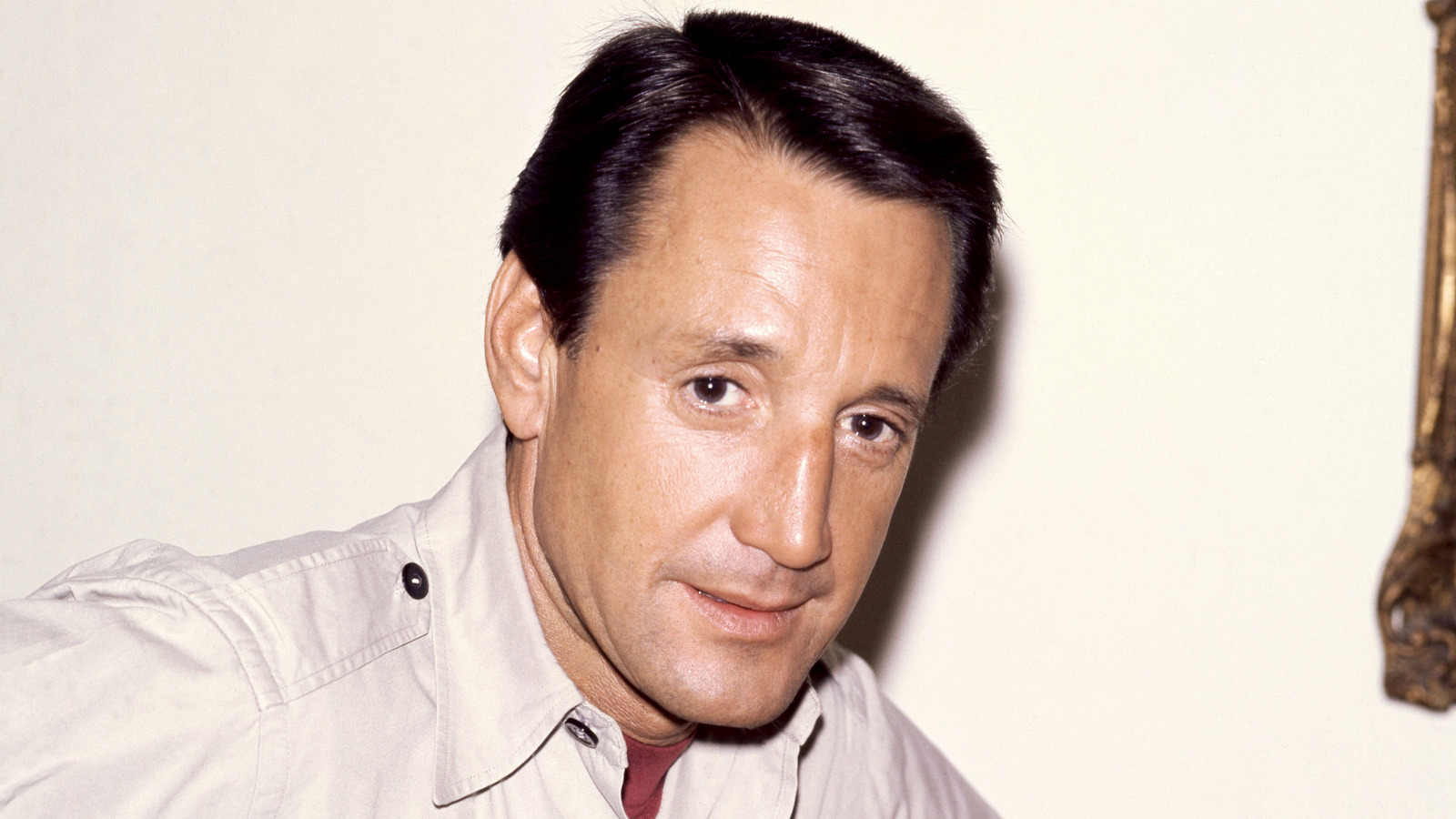
The year 2008 witnessed the passing of numerous global figures who fundamentally reshaped the landscapes of cinema, literature, politics, and science. From the tragic loss of Heath Ledger to the end of Paul Newman’s storied career and the silence of visionary writers like Arthur C. Clarke, these deaths marked the conclusion of era-defining contributions to modern society.
Cultural Icons of the Screen: Hollywood’s Profound Losses
The film industry in 2008 was overshadowed by the loss of several titans, ranging from rising stars to established legends. These individuals did more than just perform; they influenced the methodology of acting and the philanthropic standards of the entertainment world.
The Tragic Departure of Heath Ledger
On January 22, 2008, the world was shocked by the death of Heath Ledger at the age of 28. His passing occurred just months before the release of Christopher Nolan’s The Dark Knight, in which Ledger delivered a transformative performance as the Joker. This role later earned him a posthumous Academy Award for Best Supporting Actor, a rare feat that underscored his immense talent. Ledger’s death, attributed to an accidental overdose of prescription medications, sparked global conversations regarding the pressures of method acting and the importance of mental health awareness in the arts. Even from the vantage point of 2026, his portrayal of the Joker remains the definitive benchmark for the character.
Paul Newman: A Legacy of Art and Altruism
September 26, 2008, marked the passing of Paul Newman at age 83. Known for his piercing blue eyes and roles in classics like Cool Hand Luke and The Hustler, Newman was a multifaceted figure. Beyond his acting accolades, which included an Oscar and several nominations, he was a professional racing driver and a dedicated philanthropist. His "Newman’s Own" brand revolutionized the concept of social enterprise by donating 100% of its after-tax profits to charity. His death represented the loss of one of the last great stars of the "Golden Age" who successfully navigated the transition into New Hollywood.
Charlton Heston and Sydney Pollack
The year also saw the departure of Charlton Heston (April 5), famous for his epic roles in Ben-Hur and The Ten Commandments, and Sydney Pollack (May 26), a masterful director and producer responsible for Out of Africa. While Heston’s later years were marked by his outspoken political activism, his cinematic contributions remain foundational to the historical epic genre. Pollack, conversely, was a bridge between the old studio system and the auteur-driven 1970s, known for his ability to handle complex narratives with emotional intelligence.
Literary and Scientific Visionaries
In the realms of thought and imagination, 2008 saw the loss of individuals who helped humanity visualize its future while grappling with its past. These figures provided the blueprints for modern science fiction and the ethical frameworks for understanding historical atrocities.
Arthur C. Clarke: The Prophet of the Space Age
Sir Arthur C. Clarke passed away on March 19, 2008, in Sri Lanka. As the author of 2001: A Space Odyssey and a trained scientist, Clarke was instrumental in popularizing the concept of geostationary satellites, which are essential for modern telecommunications. His "Three Laws" of science and technology continue to be cited by futurists today. Clarke’s ability to blend rigorous scientific principles with philosophical inquiry made him a singular voice in the 20th century.
Alexander Solzhenitsyn: The Conscience of a Nation
On August 3, 2008, the world lost Alexander Solzhenitsyn, the Nobel Prize-winning author of The Gulag Archipelago. Solzhenitsyn’s writing was pivotal in exposing the horrors of the Soviet labor camp system to the Western world. His courage in the face of state persecution made him a global symbol of intellectual resistance. His death in Moscow marked the end of a life dedicated to historical truth, even when that truth was inconvenient for those in power.
Michael Crichton and the Techno-Thriller
The passing of Michael Crichton on November 4, 2008, was a significant blow to popular literature. As the creator of Jurassic Park and the television series ER, Crichton pioneered the "techno-thriller" genre. His medical background allowed him to write with a level of technical authority that made his speculative fiction feel grounded and urgent. He frequently explored the dangers of scientific hubris, a theme that remains incredibly relevant in 2026 as society navigates the complexities of advanced AI and biotechnology.
Political Shifts and the Passing of World Leaders
Politically, 2008 was a year of transition. Several long-standing and controversial figures passed away, leading to significant shifts in regional power dynamics and national identities.
- Suharto (January 27): The former President of Indonesia, who ruled for 31 years, died at the age of 86. His regime was characterized by significant economic growth but also by widespread corruption and human rights abuses. His death prompted a complex period of national reflection in Indonesia.
- Lansana Conté (December 22): The President of Guinea, who had been in power since 1984, passed away, immediately leading to a military coup. This event highlighted the fragility of democratic transitions in post-colonial African nations during that era.
- Jörg Haider (October 11): The controversial Austrian politician died in a car accident. Haider was a leading figure in the European far-right movement, and his death significantly impacted the political landscape of the European Union, where he had been a divisive figure for decades.
Music and Comedy: The Voices That Fell Silent
The world of entertainment lost some of its most distinctive voices in 2008, individuals who used their platforms to challenge social norms and bring joy to millions.
George Carlin: The Master of Linguistic Subversion
George Carlin, who died on June 22, 2008, was more than a comedian; he was a social critic and a philosopher of the mundane. Famous for his "Seven Words You Can Never Say on Television" routine, Carlin spent his career fighting against censorship and hypocrisy. His later work became increasingly cynical and profound, focusing on the decay of American culture and the absurdity of the human condition. His influence is still seen in the fearless style of contemporary stand-up comedy.
Isaac Hayes and Eartha Kitt
The music world mourned Isaac Hayes (August 10), the "Black Moses" of soul who won an Oscar for the Theme from Shaft, and Eartha Kitt (December 25), the versatile singer and actress known for her distinctive voice and portrayal of Catwoman. Hayes was a pioneer in the development of Southern soul and disco, while Kitt was a trailblazer for African American women in the entertainment industry, surviving being blacklisted in the U.S. for her opposition to the Vietnam War.
Bernie Mac: A Unique Comedic Force
Bernie Mac’s death on August 9, 2008, at the age of 50 was a major loss for the comedy community. Rising from the Chicago stand-up scene to become one of the "Kings of Comedy," Mac’s raw, honest, and hilariously authoritative style endeared him to a diverse audience. His television show and film roles often highlighted his persona as a tough-loving but deeply caring family man.
Notable 2008 Deaths and Their Contributions
| Name | Date of Death | Primary Field | Notable Work/Contribution |
|---|---|---|---|
| Heath Ledger | January 22 | Acting | The Dark Knight, Brokeback Mountain |
| Suharto | January 27 | Politics | 2nd President of Indonesia (1967–1998) |
| Arthur C. Clarke | March 19 | Science Fiction | 2001: A Space Odyssey |
| Charlton Heston | April 5 | Acting | Ben-Hur, The Ten Commandments |
| Sydney Pollack | May 26 | Film Direction | Out of Africa, Tootsie |
| George Carlin | June 22 | Comedy | Social critique and free speech advocacy |
| Randy Pausch | July 25 | Education | The Last Lecture |
| Alexander Solzhenitsyn | August 3 | Literature | The Gulag Archipelago |
| Bernie Mac | August 9 | Comedy | The Bernie Mac Show, The Original Kings of Comedy |
| Isaac Hayes | August 10 | Music | Shaft, Stax Records pioneer |
| Paul Newman | September 26 | Acting/Philanthropy | Cool Hand Luke, Newman's Own |
| Michael Crichton | November 4 | Literature | Jurassic Park, Andromeda Strain |
| Eartha Kitt | December 25 | Music/Acting | "Santa Baby", Catwoman in Batman |
The Societal Impact of Notable Deaths in 2008
The collective loss of these figures in 2008 had a measurable impact on public discourse. The death of Randy Pausch, a Carnegie Mellon professor who gave a viral "Last Lecture" after being diagnosed with terminal pancreatic cancer, shifted how the world viewed terminal illness and the importance of legacy. His book, published shortly before his death on July 25, became a global bestseller and remains a staple in motivational literature.
Furthermore, the death of Bobby Fischer on January 17, 2008, marked the end of one of the most enigmatic and controversial figures in sports history. Fischer, the former World Chess Champion, had spent his later years as a fugitive and a recluse. His passing prompted a re-evaluation of his genius versus his personal descent into extremism, a narrative that continues to fascinate historians of the Cold War.
In the realm of sports, the death of Gene Upshaw (August 20) was a pivotal moment for the NFL. As the long-time head of the NFL Players Association, Upshaw was instrumental in securing free agency and improved benefits for players, though his legacy was also complicated by the growing awareness of CTE (Chronic Traumatic Encephalopathy) and the needs of retired players.
Frequently Asked Questions
Did Heath Ledger win an Oscar for his role in 2008?
Yes, Heath Ledger was posthumously awarded the Academy Award for Best Supporting Actor in early 2009 for his performance as the Joker in The Dark Knight. This marked only the second time in history that a posthumous acting Oscar was awarded (the first being Peter Finch in 1977). His family accepted the award on his behalf, and the win was widely seen as a validation of his immense contribution to the craft of acting.
What was the cause of Paul Newman's death?
Paul Newman died of complications from lung cancer. A long-time smoker, Newman had been battling the illness for several months before passing away at his home in Westport, Connecticut. His death was met with a global outpouring of grief, not just from the film community, but from the many charitable organizations that had benefited from his "Newman’s Own" foundation.
Who was Randy Pausch and why was his death significant?
Randy Pausch was a computer science professor at Carnegie Mellon University. He became a household name after his "Last Lecture," titled Really Achieving Your Childhood Dreams, went viral. He gave the talk after being told his pancreatic cancer was terminal. The lecture focused on living life with purpose and overcoming obstacles. His death in July 2008 at age 47 sparked a massive increase in awareness and funding for pancreatic cancer research.
How did the death of Alexander Solzhenitsyn impact Russia?
Alexander Solzhenitsyn’s death was treated as a state event in Russia. Although he had been a fierce critic of the Soviet government, he was respected by later Russian leaders, including Vladimir Putin, as a patriot who sought to preserve Russian culture and history. His passing prompted a national discussion about how to reconcile the country's turbulent 20th-century history with its modern identity.
What happened to George Carlin’s legacy after his death?
George Carlin’s legacy has only grown in the years since 2008. He is frequently cited by modern comedians as the "gold standard" of stand-up. His observations on politics, religion, and social behavior are often shared on social media as they continue to feel prophetic and relevant to current events. In 2008, he was posthumously awarded the Mark Twain Prize for American Humor.
Reflecting on a Year of Transition
As we look back from the perspective of 2026, the deaths of 2008 serve as a reminder of the inevitable cycle of generational change. While the loss of such talent was significant, the work they left behind—whether in the form of film, literature, scientific advancement, or social change—continues to inform our culture today. For those interested in exploring these legacies further, many of the foundations established by these individuals, such as the Newman’s Own Foundation or the Arthur C. Clarke Foundation, remain active and continue to support the causes these icons championed during their lifetimes.
For more information on the historical context of these figures, readers can consult the Nobel Prize archives regarding Solzhenitsyn or the Academy of Motion Picture Arts and Sciences for detailed records on Ledger and Newman’s cinematic contributions.