In 2007, fashion shows transitioned from traditional runway presentations to massive global spectacles, characterized by John Galliano’s 60th-anniversary celebration for Dior at Versailles and Fendi’s historic show on the Great Wall of China. This year solidified the "It-Girl" culture and introduced the architectural silhouettes and "Indie Sleaze" aesthetics that remain influential in 2026.
The year 2007 stands as a pivotal monument in the history of the garment industry. It was a period of extreme creative excess and high-budget production, occurring just before the global financial crisis of 2008 necessitated a shift toward more conservative presentations. For any student of fashion history or professional designer, analyzing the 2007 circuit provides an essential understanding of how luxury branding evolved into the experiential marketing we recognize today.
The Cultural Landscape: Why 2007 Mattered
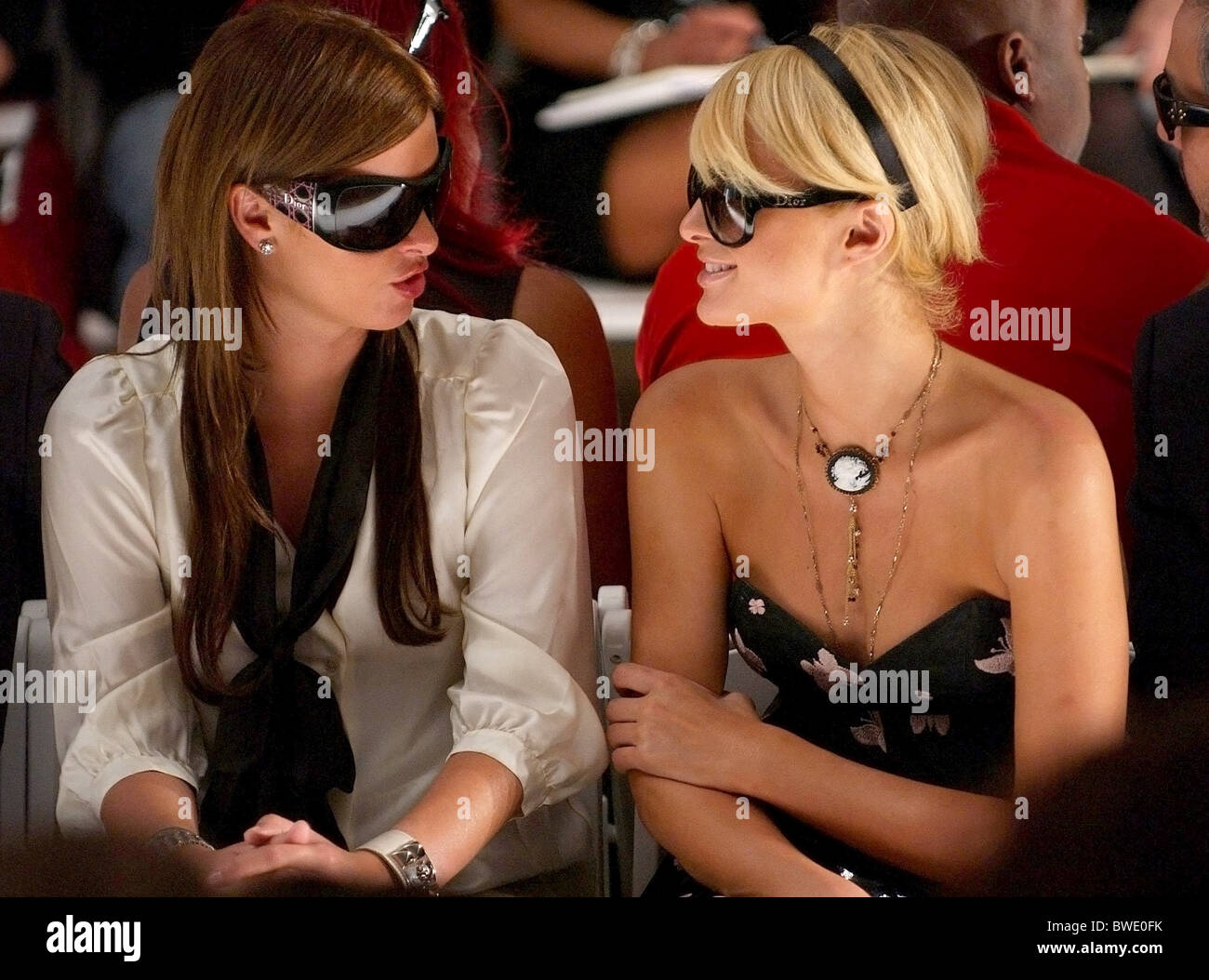
To understand a 2007 fashion show, one must understand the cultural climate of the mid-to-late 2000s. This was the era of the "hyper-celebrity," where front rows were increasingly populated by socialites like Paris Hilton and the burgeoning influence of the early digital blogosphere. While the industry was still controlled by major houses, the seeds of democratic fashion were being sown via the first generation of street-style photographers like Scott Schuman (The Sartorialist).
The aesthetic of 2007 was a rejection of the minimalist 1990s and the bubblegum pop of the early 2000s. It was a year of paradoxes: the rise of "Indie Sleaze"—characterized by smudged eyeliner, skinny jeans, and neon accents—coexisted with a return to ultra-feminine, structured haute couture. Designers were experimenting with volume, particularly the "bubble" hem and the "tulip" skirt, while also pushing the boundaries of what a physical runway could be.
Iconic Runway Moments: The 2007 Circuit
Several shows from 2007 are now considered "masterclasses" in creative direction. These events were not merely about the clothes; they were about narrative, heritage, and the sheer audacity of production.
Christian Dior: The 60th Anniversary at Versailles
Held in July 2007, John Galliano’s Fall/Winter Haute Couture show for Dior remains one of the most expensive and visually arresting events in fashion history. To celebrate 60 years of the house, Galliano utilized the Orangerie at the Palace of Versailles.
The collection, titled "The Bal des Artistes," drew inspiration from legendary painters like Renoir, Degas, and Picasso. Models including Gisele Bündchen, Naomi Campbell, and Linda Evangelista walked the runway in gowns that were literal interpretations of 19th-century portraiture. The technical craftsmanship involved—layers of hand-painted silk, intricate corsetry, and architectural millinery by Stephen Jones—set a standard for couture that many argue has not been surpassed even by 2026 standards.
Fendi on the Great Wall of China
Perhaps the most ambitious logistical feat of the year was Fendi’s Spring/Summer 2008 show, held in October 2007. Karl Lagerfeld, ever the visionary, convinced the Chinese government to allow a runway to be built on the Great Wall at the Juyongguan Pass.
This was not just a fashion show; it was a geopolitical statement of luxury's expansion into the Asian market. The runway spanned 1,500 feet, and the show cost an estimated $10 million to produce. The collection focused on clean lines, luxurious furs, and the iconic "Double F" logo, but the true legacy was the scale of the event, proving that for the right price, the entire world could be a stage.
Alexander McQueen: "In Memory of Elizabeth Howe, 1692"
Lee Alexander McQueen’s Fall/Winter 2007 collection was a somber, deeply personal exploration of his own ancestry. Discovering that one of his ancestors was executed during the Salem Witch Trials, McQueen created a dark, pagan-inspired show. The runway featured a massive inverted pentagram on the floor, and the clothes utilized leather, velvet, and feathers to evoke a sense of historical trauma and mystical power. This show underscored McQueen's ability to use the runway for social and historical commentary, a hallmark of his technical brilliance.
Technical Innovations and Trends of 2007
Beyond the spectacle, the technical construction of garments in 2007 saw a significant shift. Designers were moving away from the low-rise silhouettes of the early 2000s toward a more structured, high-waisted look.
| Feature | 2007 Technical Focus | Key Proponents |
|---|---|---|
| Silhouette | The "Cocoon" and "Tulip" shapes; exaggerated volume at the hips. | Balenciaga (Nicolas Ghesquière), Prada |
| Footwear | The "Platform Talon" and the rise of the gladiator sandal. | Yves Saint Laurent, Balmain |
| Textiles | High-shine patent leather, metallic lamé, and industrial zippers. | Marc Jacobs for Louis Vuitton, Christopher Kane |
| Accessory | The "Status Bag"—oversized, heavy hardware, and recognizable branding. | Chloe (Paddington), Chanel (2.55 reissues) |
| Color Palette | Electric blue, "high-lighter" yellow, and slate grey. | Lanvin, Versace |
The "See Now, Buy Now" model did not yet exist in 2007, meaning the technical cycle from runway to retail was a strict six-month window. This allowed for a level of anticipation and "editorial slow-burn" that modern 2026 cycles often lack due to instant social media saturation.
The Victoria's Secret Phenomenon
It is impossible to discuss 2007 fashion without mentioning the Victoria's Secret Fashion Show held in November. At this time, the brand was at the absolute zenith of its cultural power. The 2007 show featured a performance by the Spice Girls—their first televised performance since their reunion—which merged the worlds of pop music and high-budget lingerie.
While the "Angels" (Adriana Lima, Alessandra Ambrosio, Karolina Kurkova) represented a specific, idealized beauty standard that has since been critiqued and evolved, the 2007 show was a masterclass in broadcast marketing. It was one of the first major fashion events to successfully leverage "webisodes" and digital behind-the-scenes content, laying the groundwork for the influencer-driven landscape of the 2020s.
Navigating the Legacy: Common Questions
How did the 2007 fashion shows influence the modern "Indie Sleaze" revival?
The 2007 shows by designers like Hedi Slimane (then at Dior Homme) and the early work of Christopher Kane introduced the "rock-star" aesthetic—skinny silhouettes, metallic fabrics, and a sense of "undone" glamour. In 2026, we see this reflected in the resurgence of vintage 2007 pieces on resale platforms, as Gen Z and Alpha seek out the gritty, authentic feel of that era’s nightlife-driven fashion.
What were the dominant fabrics of the 2007 runway?
Patent leather was the undisputed king of 2007. From the shiny trenches at Burberry to the accessories at Miu Miu, "plastic-chic" was everywhere. Additionally, metallic jersey and heavy silk radzimir were frequently used to create the stiff, architectural volumes that defined the year's "New Look" revival.
How did the 2007 shows handle diversity?
By modern 2026 standards, the 2007 runways were significantly less inclusive in terms of body type and ethnic representation. However, 2007 was a year of "The Brazilian Bombshell," where models like Gisele Bündchen and Isabeli Fontana dominated. There was also a notable increase in Eastern European models (the "alien look"), with Vlada Roslyakova and Sasha Pivovarova becoming the faces of the season.
Why is Fendi's 2007 show still discussed in 2026?
The Fendi Great Wall show is cited as the ultimate example of "Logistical Fashion." It proved that a runway could be a tool for global diplomacy and brand dominance. In 2026, where luxury brands often hold "Destination Shows" (in Seoul, Mexico City, or Egypt), they are all essentially following the blueprint Karl Lagerfeld drew in 2007.
Moving Forward: Researching 2007 Archives
For those looking to integrate 2007 aesthetics into modern wardrobes or design projects, the best course of action is to study the digital archives of the period.
- Analyze the "Big Four" Weeks: Focus on Paris and Milan for the most influential technical silhouettes. New York in 2007 was heavily focused on the "Contemporary" market (Proenza Schouler, Marc Jacobs), which provides a more wearable perspective.
- Study Editorial Context: Look at the September 2007 issues of major fashion publications. These issues represent the "Bible" of the era, showcasing how the avant-garde runway pieces were translated for the consumer.
- Sourcing Authentic Pieces: If you are a collector, look for "2007" tags from Balenciaga under Ghesquière or Lanvin under Alber Elbaz. These are currently reaching their peak "vintage" value and are considered the most technically significant garments of the decade.
The 2007 fashion show was more than just a parade of clothes; it was the final era of unbridled luxury excess. By understanding the blend of historical reverence (Dior/McQueen) and futuristic ambition (Fendi/Balenciaga) present that year, one gains a clearer view of the trajectory of 21st-century style.