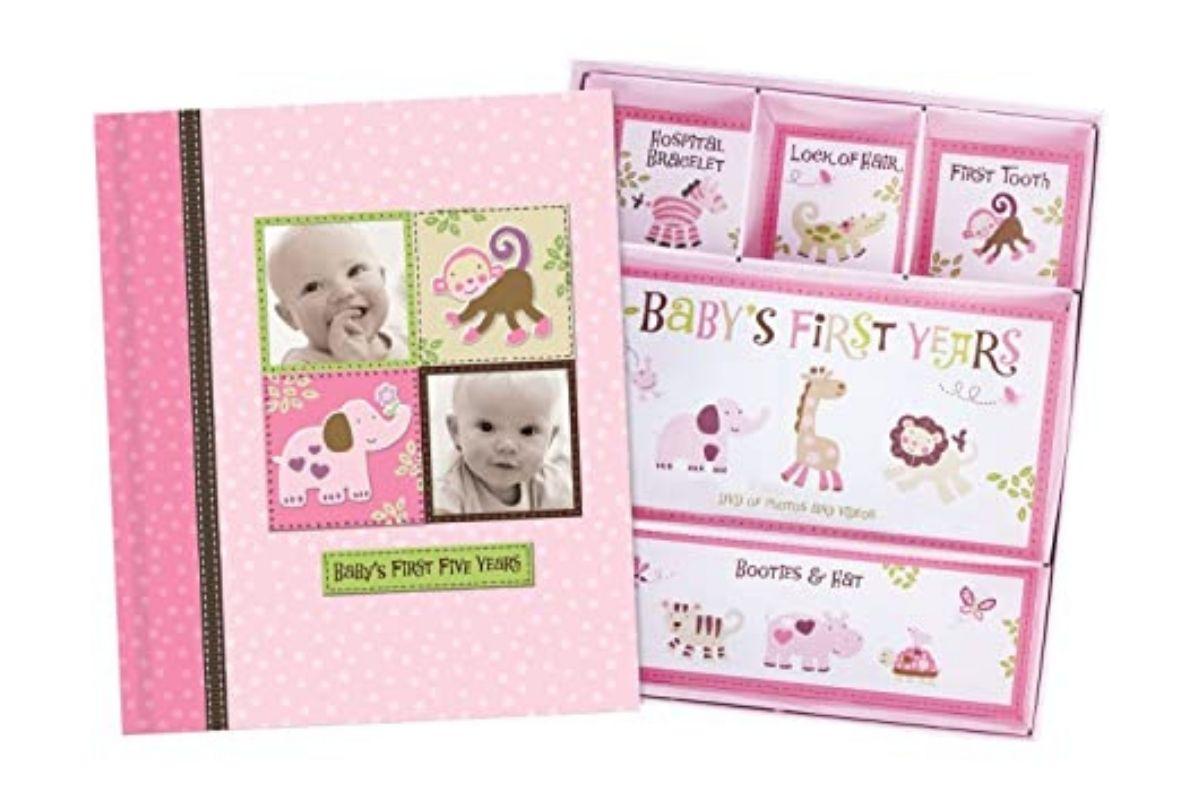
In 2026, the babies born in 2006 are now turning 20 years old, marking a significant transition into young adulthood. Preserving these memories involves digitizing physical scrapbooks, recovering files from obsolete media like CD-Rs, and contextualizing developmental milestones within the unique cultural and technological landscape of the mid-2000s.
The Cultural Landscape of 2006: The World Your Baby Entered
To understand the "baby memories" of 2006, one must first recall the world as it existed two decades ago. For parents today looking back, 2006 was a pivotal "bridge year" between the analog past and the hyper-digital future. It was the year Twitter (now X) launched, Google acquired a fledgling site called YouTube, and the Nintendo Wii changed how families interacted with technology.
If you were a parent in 2006, your world was defined by the transition from film to digital. While digital cameras were becoming the standard, they were often limited to 5 or 8 megapixels. The "cute photos" of that era, often stored on early SD cards or burned onto CD-Rs, represent some of the first fully digital childhoods. Culturally, your baby was born into the era of High School Musical, the final books of the Harry Potter series, and the ubiquity of the Motorola Razr flip phone.
Understanding this context is vital for 2026 retrospectives. When you look at those photos today, the graininess or the specific fashion trends (like oversized sunglasses or layered polo shirts) aren't just "old photos"—they are artifacts of a specific moment in digital evolution.
Key Developmental Milestones: The First Year of a 2006 Baby
While the world changes, the biology of infancy remains consistent. However, the way we tracked these milestones in 2006 often involved physical "Baby Books" rather than the smartphone apps used today. If you are reconstructing a 2006 memory book now, here are the standard milestones your child likely hit during that first year:
The First Three Months: Discovery and Social Smiles
In the early months of 2006, your baby began to transition from the "fourth trimester" into an interactive human being.
- Social Smiling: Usually occurring between 6 and 8 weeks, this is often the first "cute photo" parents prioritized.
- Pushing Up: By month three, most 2006 babies were gaining the neck strength to lift their heads during tummy time—a practice that was heavily emphasized by pediatricians following the "Back to Sleep" campaigns of the era.
Four to Seven Months: Mobility and Solid Foods
This period usually saw the introduction of high chairs and messy face photos.
- Rolling Over: Most babies mastered rolling from tummy to back by five months.
- First Solids: In 2006, the standard recommendation was often starting rice cereal or pureed carrots around six months.
- Sitting Up: Achieving an unsupported sit-up position usually occurred by the seven-month mark, leading to iconic photos of babies sitting among their toys.
Eight to Twelve Months: Language and First Steps
By the end of 2006, or early 2007 for late-year babies, the transition to toddlerhood began.
- Babbling and First Words: Names for parents ("Mama," "Dada") typically emerged here.
- Crawling and Cruising: The "army crawl" or traditional crawl usually stabilized by nine months, followed by "cruising" (walking while holding onto furniture).
- The First Birthday: The "Cake Smash" photo trend was already gaining momentum in 2006, often captured on point-and-shoot digital cameras.
The Technology of 2006: Challenges in Recovering "Cute Photos"
In 2026, many parents face the "Digital Dark Age" problem. Photos taken in 2006 were often stored on media that is now failing or difficult to access. If you are looking for those "cute photos" today, you are likely dealing with several specific formats.
The Point-and-Shoot Era
Most candid photos in 2006 were taken on cameras like the Canon PowerShot or the Sony Cyber-shot. These cameras used SD cards (often 512MB or 1GB) or Memory Stick Duos. If you still have these cards, the data may be at risk of "bit rot"—the spontaneous degradation of data over time.
The Rise of the DSLR
For parents who were photography enthusiasts in 2006, the Canon EOS Digital Rebel XTi (400D) was a massive hit. It offered 10.1 megapixels, which was revolutionary at the time. These photos are the ones most likely to hold up under modern 2026 viewing standards, as the resolution is high enough for decent prints even by today's metrics.
Obsolete Storage Media
Many parents in 2006 "backed up" their baby memories by burning them onto CD-Rs or DVD-Rs. In 2026, we know that these discs have a limited lifespan. Cheap dyes used in mid-2000s discs can delaminate, making the data unreadable. If you have 2006 milestones on discs, your immediate priority should be professional data recovery or attempting to rip the discs using a high-quality external drive before they become "coasters."
Comparing Baby Trends: 2006 vs. 2026
The way we parented in 2006 differs significantly from the standards of 2026. This table highlights the shifts in how memories and milestones were managed.
| Feature | 2006 Standard | 2026 Standard |
|---|---|---|
| Primary Camera | 5MP Digital Point-and-Shoot | 48MP+ AI-Integrated Smartphone |
| Storage Medium | CD-Rs, SD Cards, Physical Albums | Encrypted Cloud (iCloud/Google Photos) |
| Milestone Tracking | Physical Baby Books / Paper Calendars | AI-Powered Apps (e.g., Wonder Weeks) |
| Video Format | MiniDV Tapes or Early .AVI files | 4K/8K HDR Cinematic Mobile Video |
| Social Sharing | Early MySpace / Emailing Attachments | Real-time Social Media / Private Groups |
| Safety Standard | Drop-side cribs (mostly phased out) | Breathable mesh / Smart Snuza monitors |
Preserving 2006 Memories: A Step-by-Step Action Plan
Since these babies are now 20, 2026 is the perfect time to compile a "Two-Decade Retrospective." This requires moving beyond just finding the photos; it involves curation and modernization.
Step 1: Centralizing the Source Material
Gather all old hard drives, old laptops (like the white MacBooks or Dell Latitudes popular in 2006), and any loose memory cards. Do not forget to check old email accounts; many "cute photos" were sent as attachments to grandparents and might still reside on legacy servers.
Step 2: Digital Upscaling and Repair
Photos from 2006 often suffer from low resolution or "noise." In 2026, AI-driven upscaling tools (such as Topaz Photo AI or Adobe’s Super Resolution) can take a 2-megapixel photo and intelligently add detail, making it look as though it was taken on much newer hardware. This is essential if you plan on printing a large canvas for a 20th birthday celebration.
Step 3: Organizing by Milestone
Use the metadata (EXIF data) attached to digital files to sort photos chronologically. Even if the file name is "IMG_0042.JPG," the internal data usually records the exact date and time. This allows you to align the "cute photos" with the specific milestones mentioned earlier, such as the first steps or the first holiday season.
Step 4: The Physical-to-Digital Bridge
If you have a physical scrapbook from 2006, do not just leave it on the shelf. Use a high-resolution flatbed scanner to digitize the pages. This ensures that if the physical book is damaged by moisture or fading, the layout and handwritten notes are preserved.
FAQs: Addressing Common 2006 Memory Questions
How do I recover photos from a 2006-era CD that won't read?
Start by cleaning the disc with a lint-free cloth and a small amount of isopropyl alcohol, wiping from the center outward. If the disc is scratched, a professional resurfacing service or specialized data recovery software like ISOBuster may be able to bypass the "bad sectors" and retrieve the images.
What were the most popular baby names in 2006?
According to the Social Security Administration, the top names for 2006 were Jacob and Emily. Other highly popular names included Michael, Ethan, Joshua, Isabella, and Madison. If your 2006 baby has one of these names, they share a "memory" with a significant portion of their graduating class.
My 2006 videos are in .MOV or .AVI format and won't play. What should I do?
These legacy codecs can sometimes be finicky on modern 2026 operating systems. Use an open-source media player like VLC, or a conversion tool like Handbrake, to transcode these files into a modern, universally accepted format like H.264 or H.265 (MP4).
Is it safe to use AI to "fix" my 2006 baby photos?
Yes, AI upscaling is generally safe and effective for increasing resolution. However, be cautious with "AI Colorization" or "AI Face Enhancement," as these can sometimes alter the features of the child, making them look slightly different from reality. It is best to keep the original files as a "master" and save the AI-enhanced versions as copies.
How can I find out what happened on the specific day my baby was born in 2006?
The "On This Day" archives from major news outlets like the New York Times or the BBC are excellent resources. You can also use the Wayback Machine (Internet Archive) to see what popular websites looked like on your child’s birth date, which adds a fascinating layer to a memory book.
Next Actions for 2006 Memory Preservation
As your 2006 baby enters their third decade, the most valuable gift you can provide is a secure, accessible history of their early years. Your next step should be the "3-2-1 Backup Rule": Ensure you have three copies of these 2006 memories, stored on two different types of media (e.g., a physical SSD and a cloud service), with one copy located off-site.
Given that 2006 was the dawn of the "Digital Era," these photos and milestones are the foundation of your child's lifelong digital footprint. Taking the time in 2026 to curate, upscale, and protect these memories ensures they will remain intact for the next 20 years and beyond.