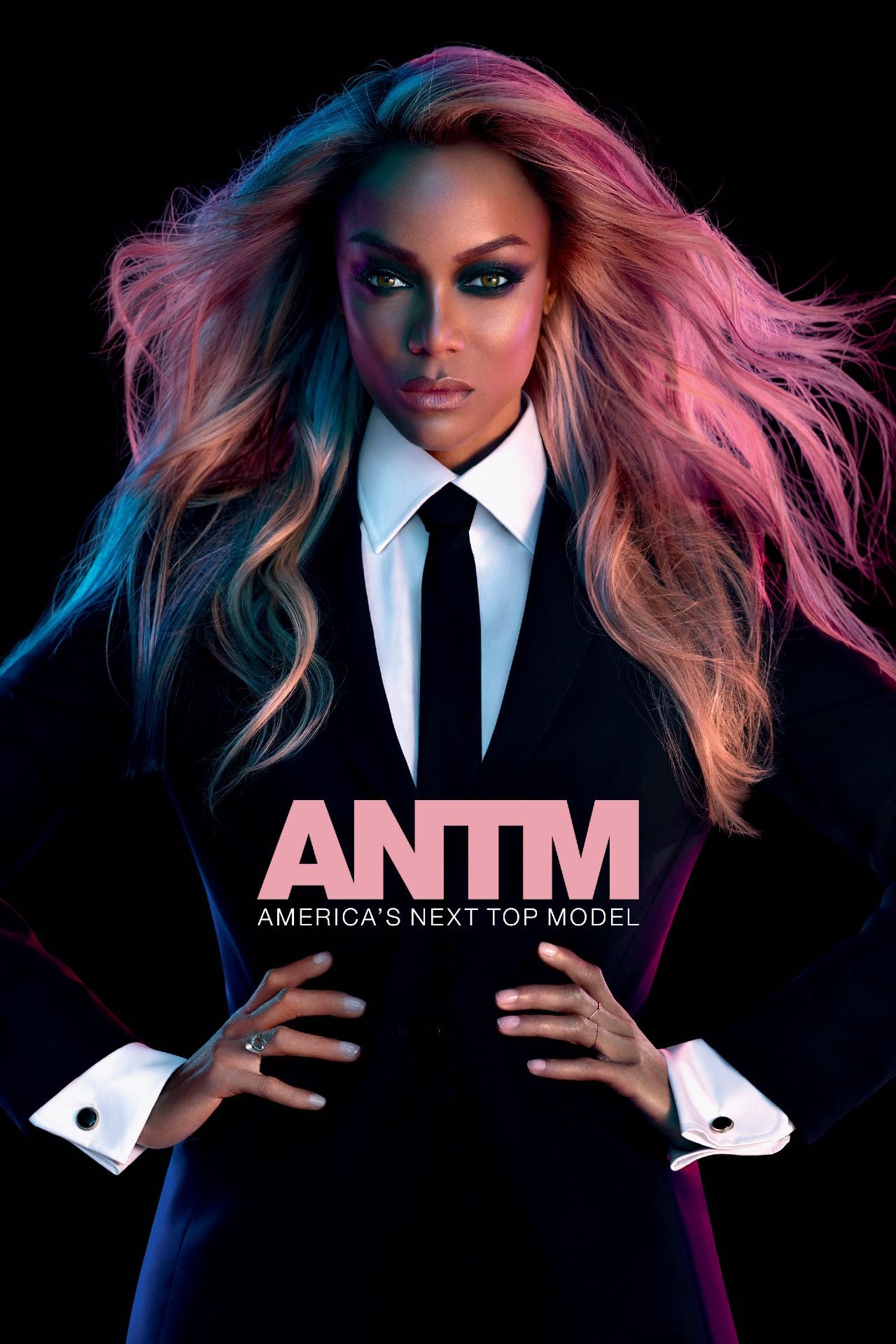
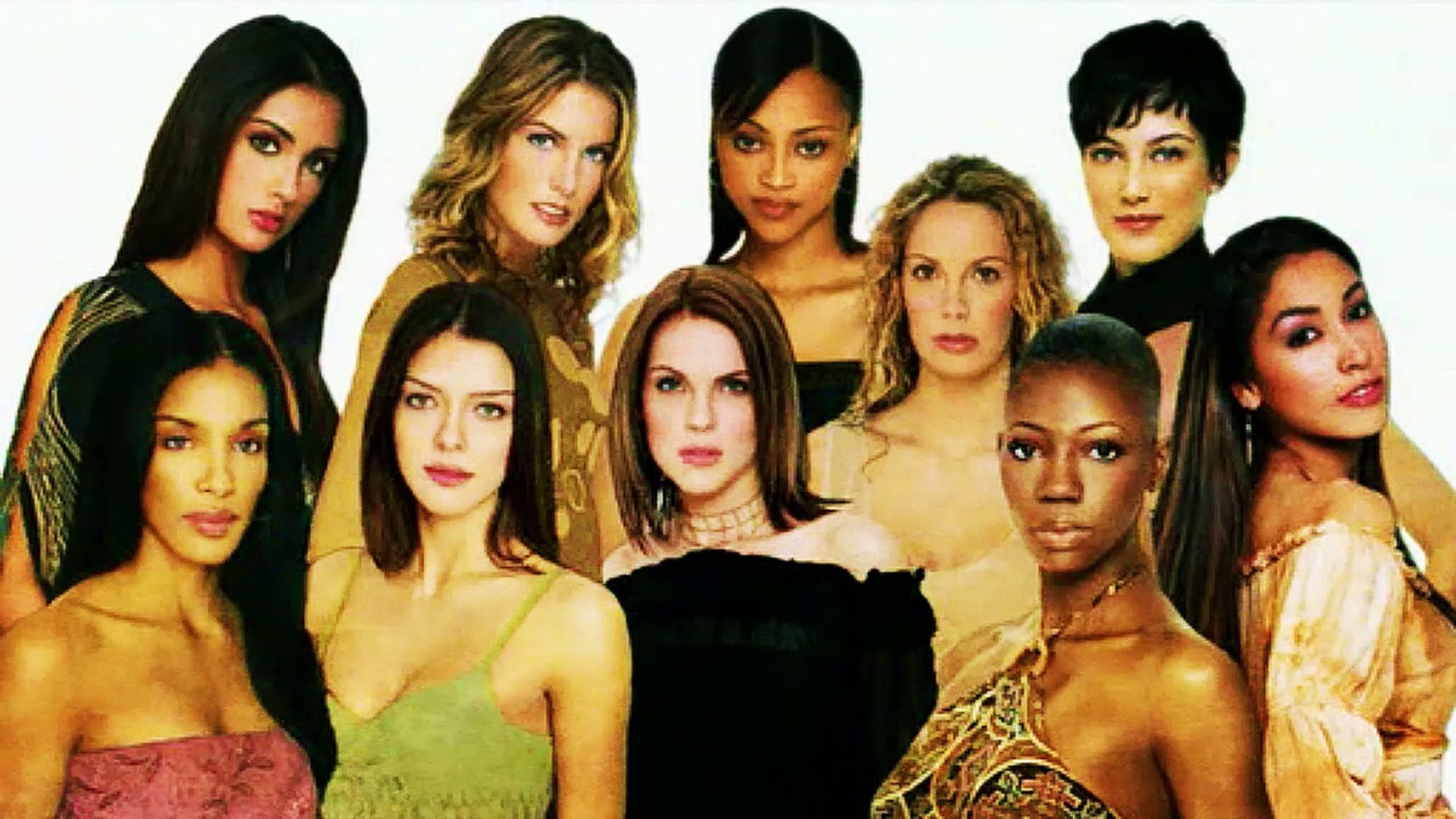
In 2006, America’s Next Top Model (ANTM) reached its cultural and commercial zenith, airing two of its most influential seasons: Cycle 6 and Cycle 7. This pivotal year defined the show’s legacy through iconic contestants like Danielle Evans and Jade Cole, while navigating the high-stakes transition from the UPN network to the newly formed CW.
For fans and media scholars looking back from 2026, the year 2006 represents the "Golden Age" of the franchise. It was a period where the show balanced genuine high-fashion aspirations with the burgeoning tropes of reality television drama. These two cycles did more than just crown winners; they shifted the conversation around beauty standards, dental aesthetics in modeling, and the archetypal "reality TV villain." To understand the full cycle legacy of 2006, one must look at the specific production shifts, the caliber of the contestants, and the lasting impact these women had on the industry.
The Dual-Cycle Phenomenon: Cycle 6 and Cycle 7 Overview
The year 2006 was unique because it hosted two distinct "vibes" of the series. Cycle 6, which aired in the spring, is widely regarded by enthusiasts as the best season in the show's history. It featured a cast with immense modeling potential and arguably the strongest "Top Two" the series ever produced. Cycle 7, airing in the fall, marked the beginning of a more theatrical, high-concept era that coincided with the show becoming a flagship program for The CW.
Cycle 6: The Standard of Excellence
Cycle 6 was defined by its professionalism and the emergence of Danielle (now Dani) Evans. The season moved away from the more amateurish feel of earlier cycles and leaned into high-fashion photography. The cast was exceptionally strong, featuring Joanie Dodds, who set a record for the most "Best Photos" in a single season at the time, and Jade Cole, whose self-assured persona became the blueprint for future reality TV personalities.
Cycle 7: The Dawn of The CW Era
As the first cycle to air on The CW after the merger of UPN and the WB, Cycle 7 leaned heavily into the "Model-turned-Actress" narrative. The photoshoots became more elaborate and, at times, more "camp." This cycle gave us CariDee English, whose bubbly personality and striking look made her a fan favorite, and Melrose Bickerstaff, whose intense work ethic created a polarizing "professional vs. party girl" narrative that fueled the season's ratings.
The Cultural Impact of the "Gap-Tooth" Controversy
One of the most enduring legacies of the 2006 cycles, specifically Cycle 6, was the debate surrounding Danielle Evans’ diastema (the gap between her front teeth). Tyra Banks famously pressured Evans to close the gap, stating that it wasn't "marketable." Evans eventually compromised by having it partially closed, but the incident remains a major talking point in 2026 regarding industry pressure and the homogenization of beauty.
Ironically, years later, a gap-tooth became a highly sought-after "quirk" in the high-fashion world, with models like Lara Stone and Georgia May Jagger rising to prominence. The 2006 legacy is thus tied to a moment where the show was simultaneously trying to push boundaries while still adhering to the rigid, often narrow standards of the mid-2000s fashion industry.
Production Evolution and the UPN-to-CW Transition
The technical legacy of 2006 cannot be ignored. The transition to The CW meant higher production budgets and a more polished visual style. We saw a shift in how the "challenges" were structured—moving from simple walking drills to elaborate, multi-stage obstacle courses and improv acting sessions.
| Feature | Cycle 6 (Spring 2006) | Cycle 7 (Fall 2006) |
|---|---|---|
| Network | UPN | The CW |
| Winner | Danielle Evans | CariDee English |
| Runner-Up | Joanie Dodds | Melrose Bickerstaff |
| International Destination | Bangkok/Phuket, Thailand | Barcelona, Spain |
| Key Judging Panel | Tyra Banks, Nigel Barker, Twiggy, J. Alexander | Tyra Banks, Nigel Barker, Twiggy, J. Alexander |
| Iconic Photoshoot | Elephant in the Jungle | Circus Freaks / Bullfighting |
| Agency Prize | Ford Models | Elite Model Management |
This table illustrates the structural consistency maintained by executive producer Ken Mok during the 2006 transition while highlighting the shift in international scope and agency partnerships.
The Archetype of the "Ace of Spades": Jade Cole’s Legacy
The 2006 legacy is inextricably linked to Jade Cole from Cycle 6. Referred to as the "Ace of Spades" and the "Undiscovered Supermodel," Jade redefined the role of the antagonist. Unlike previous "villains" who were often portrayed as merely mean, Jade was performative, philosophical, and unintentionally hilarious.
Her impact on the show's legacy includes:
- The Vocabulary of ANTM: Terms like "broken down doll" and the concept of "modeling from H-to-T" (Head to Toe) were often filtered through her unique perspective.
- Reality TV Meta-Commentary: Jade was one of the first contestants to seem aware of her "character," paving the way for the self-aware influencers who would dominate reality TV a decade later.
- The Judging Room Dynamic: Her interactions with the judges, particularly her refusal to be humbled, forced the panel—and the audience—to question the power dynamics of the industry.
High Fashion vs. Commercial Viability: The 2006 Divide
The 2006 cycles highlighted the ongoing struggle of the ANTM franchise: the gap between winning a reality show and succeeding in the actual fashion industry.
Danielle Evans (Cycle 6) remains one of the most successful winners in the show's history. Her legacy is built on her longevity; she moved to New York, signed with major agencies, and walked for designers like Michael Knight and Zang Toi. Her success validated the show’s premise in 2006.
Conversely, CariDee English (Cycle 7) found more success in the commercial and entertainment sectors, hosting shows and becoming a spokesperson for psoriasis awareness. This "split legacy" of 2006 demonstrated that the show could produce two different types of stars: the "working model" and the "television personality."
Technical Specifications of the 2006 Shoots
The 2006 era saw a significant leap in the technical quality of the photoshoots. Photographers like Gilles Bensimon and Barry Lategan were brought in, lending a veneer of legitimacy to the competition.
- The Thailand Shoots (Cycle 6): Utilizing the lush landscapes of Phuket, these shoots focused on lighting and interaction with the environment (e.g., the iconic "Elephants" shoot).
- The Barcelona Shoots (Cycle 7): These were characterized by high-concept styling, such as the "Wind Tunnel" and the "Bullfighting" shoots, which required models to maintain "fashion" poses under extreme physical duress.
The 2006 legacy is marked by these shoots because they balanced the "gimmick" (which the show would later become known for) with genuine, high-end editorial aesthetics.
Frequently Asked Questions
Who were the winners of the 2006 ANTM cycles?
Danielle Evans won Cycle 6 in May 2006, and CariDee English won Cycle 7 in December 2006. Both are considered iconic winners for different reasons: Danielle for her high-fashion editorial potential and CariDee for her relatable personality and striking commercial appeal.
Why is Cycle 6 considered the best cycle by fans?
Cycle 6 is often cited as the "gold standard" due to the high caliber of the contestants. The final three (Danielle, Joanie, and Jade) were all exceptionally strong models who provided both great photos and compelling television. The "Top Two" of Danielle and Joanie is frequently debated as the most difficult decision the judges ever had to make.
What happened to the gap in Danielle Evans' teeth?
During the filming of Cycle 6 in 2006, Tyra Banks and the judges pressured Danielle to have the gap in her front teeth closed. After initial resistance, Danielle agreed to a compromise where the gap was significantly narrowed but not completely shut. In the years following her win, Danielle has spoken about the importance of maintaining one's identity in the face of industry pressure.
How did the UPN and WB merger affect the show in 2006?
The merger created The CW, which led to a rebranding of America's Next Top Model. The show became more polished and was used as a foundational "hit" to launch the new network. This transition resulted in larger-scale production, more integrated marketing (such as the CoverGirl sponsorships), and a shift toward more dramatic, "made-for-TV" photoshoot concepts.
Where can I watch the 2006 cycles today?
As of 2026, most cycles of America’s Next Top Model are available through major streaming platforms that carry legacy Paramount or CBS content, as well as digital retailers. Cycle 6 and 7 are frequently included in "Best Of" collections due to their high viewership and cultural relevance.
Reevaluating the 2006 Era for Modern Viewers
For a viewer in 2026, watching the 2006 cycles offers a fascinating time capsule of mid-2000s culture. To get the most out of this retrospective experience, it is recommended to watch the cycles in chronological order to appreciate the subtle shift in production value and judging tone that occurred during the network transition.
One should also pay close attention to the evolution of the "CoverGirl" partnership. In 2006, this was the pinnacle of commercial success for a model. Seeing how Danielle and CariDee handled their final commercials provides insight into the "Commercial-Couture" balance that the show spent years trying to perfect. Finally, observing the career trajectories of non-winners like Jade Cole or Melrose Bickerstaff serves as a reminder that in the world of reality television, the "legacy" is often built by the personalities that the audience can't stop talking about, regardless of who took home the title.