The 2005 sports film landscape was defined by a transition toward gritty realism, biographical accuracy, and social commentary. Key releases such as Cinderella Man, Coach Carter, and the documentary Murderball moved beyond simple underdog tropes to explore the intersection of athletics with economic hardship, educational reform, and physical disability, cementing 2005 as a high-water mark for the genre.
The Cultural Significance of Sports Cinema in 2005
Looking back from 2026, the year 2005 remains a cornerstone for sports cinema, primarily because it shifted the focus from the "big game" to the "big picture." While the 1990s often leaned into the aspirational and sometimes fantastical elements of sports, 2005 grounded its narratives in historical truth and raw human struggle. This was the year that directors like Ron Howard and Thomas Carter proved that sports movies could be prestigious awards contenders while maintaining broad commercial appeal.
The socioeconomic climate of the mid-2000s favored stories of resilience. Audiences were drawn to narratives where the playing field served as a microcosm for the American Dream or a laboratory for social change. Whether it was the Great Depression setting of Cinderella Man or the urban challenges depicted in Coach Carter, these films resonated because they addressed universal themes of discipline, sacrifice, and the search for dignity. Furthermore, 2005 saw the rise of the "global" sports film with the release of Goal! The Dream Begins, signaling an acknowledgement of the worldwide soccer market that would only continue to grow over the following two decades.
Cinderella Man: A Masterclass in Period-Accurate Drama
Directed by Ron Howard, Cinderella Man is arguably the most critically acclaimed sports film of 2005. The movie chronicles the true story of James J. Braddock, a washed-up heavyweight boxer who returned to the ring during the Great Depression to provide for his family. Russell Crowe’s performance as Braddock anchored the film, providing a nuanced look at a man driven by necessity rather than vanity.
The film’s technical achievement lies in its choreography and cinematography. Unlike the stylized, rhythmic boxing seen in the Rocky franchise, Cinderella Man utilized a more visceral, punishing style of filming. The production team employed a "tire-cam" and other innovative rigs to put the audience inside the pocket with the fighters. Beyond the ring, the film provides a hauntingly accurate depiction of the Hoovervilles and the systemic poverty of the 1930s. It wasn't just a boxing movie; it was a survival movie. This commitment to historical fidelity earned it three Academy Award nominations and solidified its place as a quintessential example of the "comeback" narrative.
Coach Carter and the Intersection of Athletics and Academics
Released in early 2005, Coach Carter redefined the "high school coach" subgenre. Based on the real-life events involving Ken Carter at Richmond High School in 1999, the film stars Samuel L. Jackson as a man who famously locked his undefeated basketball team out of the gym because of their poor academic performance.
The film's depth comes from its refusal to offer easy answers. It explores the tension between a community that views sports as the only viable exit strategy from poverty and an educator who insists that a high school diploma is more valuable than a championship ring. Coach Carter challenged the "jock" stereotype and forced a national conversation about the responsibilities of student-athletes. From a technical standpoint, the film's basketball sequences were praised for their speed and authenticity, utilizing actual basketball players to ensure the on-court action felt legitimate. By 2026, the "Carter Effect" is still cited in educational and coaching circles as a pivotal moment in sports-related media.
Murderball: Redefining the Sports Documentary
While scripted features dominated the box office, 2005 was also the year that Murderball changed the public perception of the sports documentary. Focusing on the rivalry between the U.S. and Canadian quad rugby teams as they prepared for the 2004 Paralympic Games, the film stripped away the "inspirational" gloss often applied to athletes with disabilities.
Instead of portraying its subjects as "brave" or "heroic" in a condescending sense, Murderball depicted them as aggressive, competitive, and deeply flawed individuals. The film's title itself reflects the violent nature of the sport, where athletes in custom-built wheelchairs collide at high speeds. The documentary was a critical darling, winning the Audience Award at Sundance and receiving an Oscar nomination. It proved that a sports film didn't need a fictional script to be as tension-filled and emotionally resonant as any Hollywood blockbuster. It remains a mandatory watch for anyone studying the evolution of non-fiction sports storytelling.
Comparative Overview of Major 2005 Sports Releases
The following table compares the most impactful sports films released in 2005, highlighting their primary sport, commercial success, and central thematic focus.
| Film Title | Primary Sport | Notable Cast/Director | Primary Theme |
|---|---|---|---|
| Cinderella Man | Boxing | Russell Crowe, Ron Howard | Economic Resilience |
| Coach Carter | Basketball | Samuel L. Jackson | Academic Accountability |
| Goal! The Dream Begins | Soccer | Kuno Becker, David Beckham (cameo) | International Aspiration |
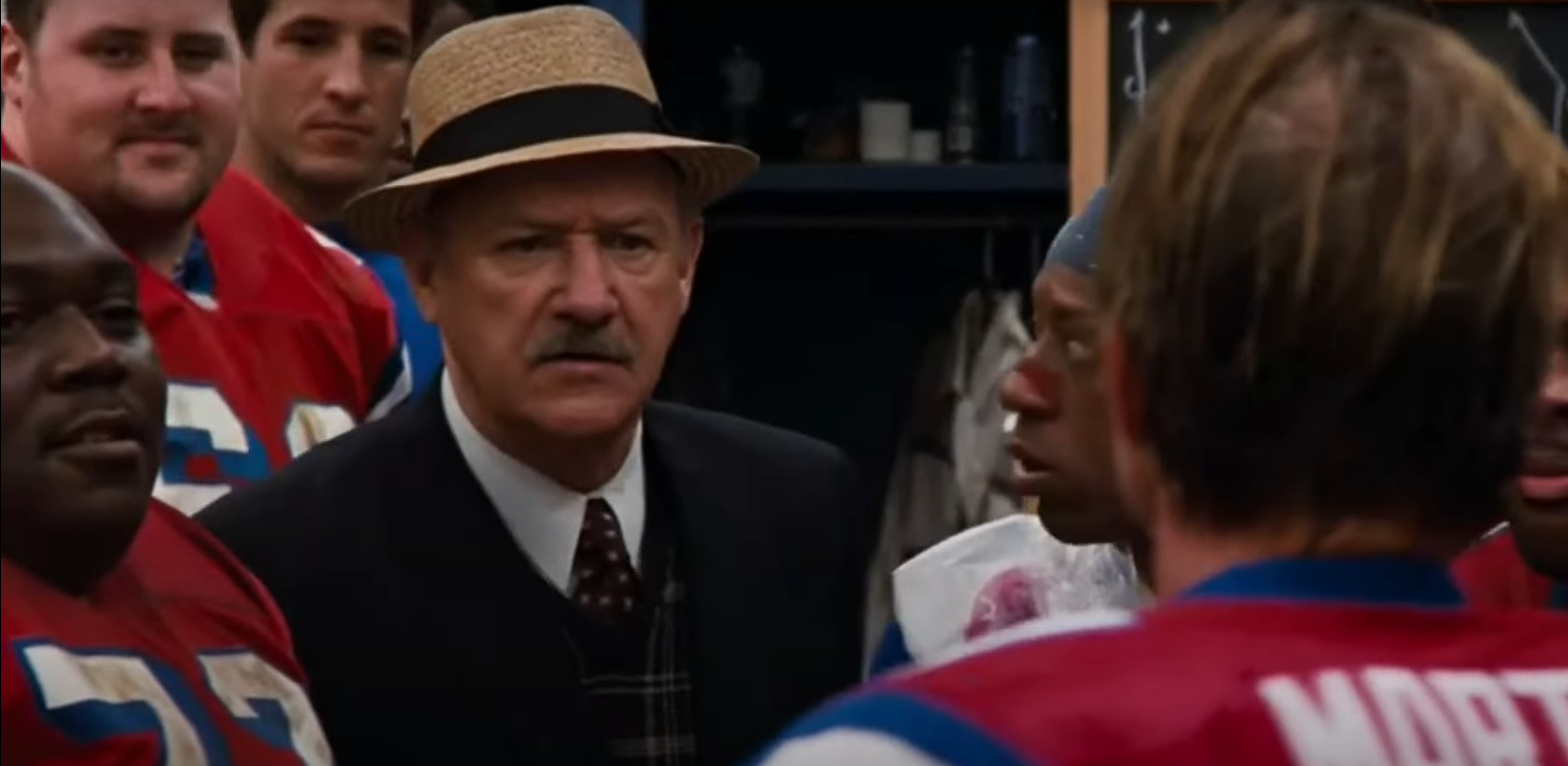
| The Longest Yard | Football | Adam Sandler, Chris Rock | Redemption & Brotherhood |
| Murderball | Quad Rugby | Mark Zupan, Joe Soares | Identity & Competition |
| The Greatest Game Ever Played | Golf | Shia LaBeouf, Bill Paxton | Class Struggle |
| Lords of Dogtown | Skateboarding | Heath Ledger, Emile Hirsch | Counter-Culture Growth |
| Two for the Money | Sports Betting | Al Pacino, Matthew McConaughey | Addiction & Manipulation |
Exploring Niche Sports and International Reach
The year 2005 was notable for expanding the scope of what constituted a "sports film." Lords of Dogtown, written by Stacy Peralta, brought the 1970s skateboarding revolution to life. It focused on the Z-Boys of Venice Beach, capturing the gritty, sun-bleached transition of skateboarding from a hobby to a global industry. The film’s handheld camera work and focus on "pool skating" provided a technical look at the sport's origins that resonated with the burgeoning X-Games generation.
Meanwhile, The Greatest Game Ever Played took a different approach, focusing on the 1913 U.S. Open. Directed by Bill Paxton, the film explored the class dynamics of early 20th-century golf, pitting an amateur from a working-class background against the British elites. These films demonstrated that the "sports film" label could be applied to a wide variety of activities, provided the human drama was compelling enough.
Internationally, Goal! The Dream Begins (often referred to simply as Goal!) attempted something unprecedented: a multi-film trilogy backed by FIFA. By following Santiago Muñez from the barrios of Los Angeles to the heights of the English Premier League with Newcastle United, the film captured the global passion for soccer. While it relied more on traditional tropes than Cinderella Man or Murderball, its success in international markets underscored the sport's massive cinematic potential.
Comedic Adaptations and Remakes
Not every 2005 sports film was a somber drama. The year also saw the release of The Longest Yard, a remake of the 1974 classic. Starring Adam Sandler and a host of former professional athletes and wrestlers, the film leaned into the "misfit" comedy that defined Sandler's career in the mid-2000s. While it didn't aim for the emotional depths of its dramatic counterparts, it was a massive commercial success, proving that the sports comedy genre remained a dominant force at the box office.
Similarly, Kicking & Screaming, starring Will Ferrell, tackled the world of youth soccer and the "overbearing parent" archetype. While these films were lighter in tone, they still adhered to the core sports film structure: the assembly of a team, the rigorous training montage, and the climactic final match. These releases provided a necessary balance to the year's more serious offerings, ensuring that sports cinema remained accessible to all demographics.
Common Questions Regarding 2005 Sports Films
Which 2005 sports film won the most awards?
Cinderella Man was the most recognized film of the year in terms of major award nominations. It received three Academy Award nominations, including Best Supporting Actor for Paul Giamatti, Best Film Editing, and Best Makeup. It also garnered multiple SAG and Golden Globe nominations, largely for Russell Crowe’s lead performance and Paul Giamatti’s supporting role.
Is Coach Carter based on a true story?
Yes, Coach Carter is based on the actual events that took place at Richmond High School in California in 1999. The real Ken Carter did indeed lock his team out of the gym and forced them to spend practice time in the library to raise their collective GPA. Many of the players featured in the film are based on real individuals, though some names and specific personal subplots were fictionalized for dramatic effect.
What is the most accurate sports documentary from 2005?
Murderball is widely considered one of the most accurate and raw sports documentaries ever made. Because it followed real athletes in real-time during their preparation for the 2004 Paralympics, there was no scripted "Hollywood" ending. The film is praised for its unflinching look at the physical and emotional realities of life with a spinal cord injury.
Why was Goal! The Dream Begins significant?
Goal! was significant because it was the first major Hollywood-style production to receive full cooperation from FIFA and professional clubs like Newcastle United. It featured real stadiums, real kits, and cameos from world-class players like David Beckham, Zinedine Zidane, and Alan Shearer. This level of branding and authenticity was a precursor to the modern era of sports media partnerships.
Are there any 2005 sports films for younger audiences?
Yes, Dreamer: Inspired by a True Story, starring Dakota Fanning and Kurt Russell, was a major 2005 release geared toward families. It tells the story of a father and daughter who rehabilitate an injured racehorse. The Greatest Game Ever Played is also considered family-friendly, though it deals with more mature themes of social class and perseverance.
Curating Your 2005 Sports Film Watchlist
If you are looking to experience the best of 2005 sports cinema in 2026, a curated approach is recommended to appreciate the year's diversity. Start with Cinderella Man for a high-budget, historical drama that showcases peak 2000s filmmaking. Follow this with Murderball to see how the year challenged traditional narratives of athleticism and disability.
For those interested in the social impact of sports, Coach Carter remains the gold standard for exploring the relationship between education and the playing field. If you prefer something lighter, The Longest Yard provides a quintessential look at the mid-2000s sports comedy. These films collectively offer a comprehensive view of a year that prioritized character depth and historical context over simple victory, leaving a lasting legacy that continues to influence sports media today.