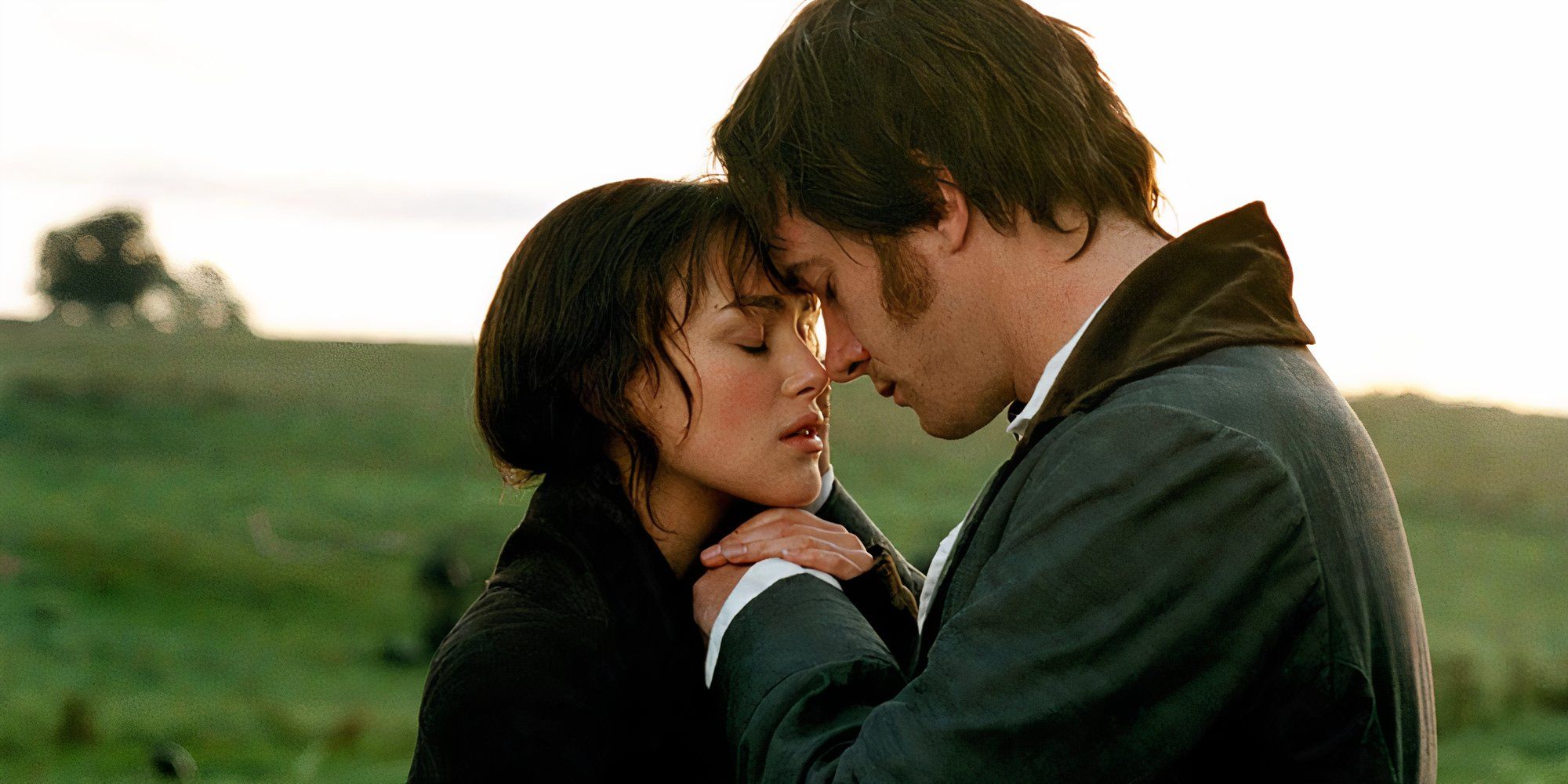
The year 2005 marked a transformative era for cinema, specifically regarding the "2005 film adaptation" of major literary works. From Joe Wright’s mud-flecked Pride & Prejudice to the high-fantasy spectacle of The Chronicles of Narnia, this year redefined how directors translated complex prose into visual narratives, balancing historical fidelity with modern cinematic sensibilities.
Cinema in 2005 was characterized by a shift away from the polished, stage-like adaptations of the 1990s toward a more immersive, visceral realism. This transition was not merely aesthetic; it involved significant technological leaps in digital intermediate color grading and a burgeoning interest in "reimagining" classic texts for a younger, more cynical audience. Whether you are a student of film theory or a casual viewer looking to revisit these classics in 2026, understanding the technical and narrative choices made during this period is essential for appreciating their lasting cultural impact.
The Definitive Impact of Joe Wright’s Pride & Prejudice
When scholars and fans refer to the "2005 film adaptation," the conversation almost inevitably begins with Joe Wright’s Pride & Prejudice. Adapted from Jane Austen’s 1813 novel, this film was a radical departure from the 1995 BBC miniseries that had previously defined the story for a generation.
Realism and the "Muddy Hem" Aesthetic
Joe Wright and screenwriter Deborah Moggach sought to strip away the "chocolate box" perfection of traditional period dramas. In 2005, the decision to show the Bennet household as a working farm—complete with livestock in the hallways and unkempt hair—was revolutionary. This grounded realism served to highlight the economic stakes of the plot. By making the setting feel lived-in and occasionally grimy, the film emphasized that marriage was a matter of survival, not just a romantic whim.
Technical Innovations in Cinematography
Roman Osin’s cinematography remains a benchmark for the genre. The film utilized long, sweeping tracking shots—most notably during the Netherfield Ball sequence—to create a sense of frantic energy and social claustrophobia. In 2026, these techniques are still studied for how they use movement to convey subtext without relying on dialogue. The use of natural light and the distinct "handheld" feel in certain outdoor scenes broke the static conventions of 19th-century adaptations.
High Fantasy and the Blockbuster Adaptation
While period dramas were finding a new sense of realism, the fantasy genre in 2005 was pushing the boundaries of what was possible with computer-generated imagery (CGI) and practical effects. Two major pillars of this year were The Chronicles of Narnia: The Lion, the Witch and the Wardrobe and Harry Potter and the Goblet of Fire.
The Chronicles of Narnia: Balancing Practical and Digital
Directed by Andrew Adamson, the adaptation of C.S. Lewis’s beloved book was a massive undertaking for Walden Media and Disney. The film is notable for its early, sophisticated use of hybrid characters. Weta Workshop provided intricate practical prosthetics for creatures like Mr. Tumnus, which were then augmented by digital animation. This "blended" approach helped the film maintain a sense of physical reality that many purely digital films of the mid-2000s lacked.
Harry Potter and the Darker Turn
Harry Potter and the Goblet of Fire, directed by Mike Newell, represented a significant tonal shift in the franchise. As an adaptation of the first "doorstopper" novel in J.K. Rowling’s series, the film had to condense a massive amount of lore. The technical challenge here was the Triwizard Tournament, which required a mix of underwater filming, massive set construction, and dragon-based CGI that, even by 2026 standards, holds up remarkably well in 4K restorations.
Literary Nuance in Brokeback Mountain and Memoirs of a Geisha
In 2005, the industry also proved that short stories and culturally dense novels could be expanded into sweeping epics. These films often dealt with the "unfilmable" aspects of internal monologue and cultural nuance.
Expanding the Short Story: Brokeback Mountain
Ang Lee’s adaptation of Annie Proulx’s short story is perhaps the most critically acclaimed adaptation of 2005. The challenge was expanding a concise, sparse text into a two-hour feature film. Screenwriters Larry McMurtry and Diana Ossana used the "silences" between characters to build tension, relying on the vast, indifferent landscapes of the American West to mirror the characters' isolation. The film's success proved that "prestige" adaptations could find mainstream commercial success while tackling sensitive social themes.
Visual Grandeur in Memoirs of a Geisha
Based on Arthur Golden’s best-selling novel, Rob Marshall’s Memoirs of a Geisha focused heavily on the visual translation of sensory descriptions in the book. While the film faced critiques regarding its casting and historical liberties, its technical achievements in costume design and cinematography (which won Academy Awards) created a stylized version of pre-war Kyoto that captivated audiences. The film's production design served as a masterclass in using color palettes to track a protagonist's emotional journey.
Comparison of Key 2005 Film Adaptations
The following table summarizes the primary technical and narrative details of the most significant adaptations released during this pivotal year.
| Film Title | Source Material | Primary Technical Focus | Critical Reception | Notable Adaptation Choice |
|---|---|---|---|---|
| Pride & Prejudice | Novel by Jane Austen | Long tracking shots; naturalism | High (87% RT) | Shifted setting to a more "gritty" farm environment. |
| Narnia: The Lion, the Witch and the Wardrobe | Novel by C.S. Lewis | Creature FX (Practical/CGI hybrid) | Positive (76% RT) | Enhanced the "Battle of Beruna" into a massive war epic. |
| Harry Potter and the Goblet of Fire | Novel by J.K. Rowling | Large-scale action sequences | High (88% RT) | Removed the S.P.E.W. subplot to focus on the tournament. |
| Brokeback Mountain | Short Story by Annie Proulx | Landscape cinematography | Universal Acclaim | Expanded a 30-page story into a sweeping 20-year saga. |
| Charlie and the Chocolate Factory | Novel by Roald Dahl | Stylized production design | Moderate (83% RT) | Added an extensive backstory for Willy Wonka. |
| V for Vendetta | Graphic Novel by Alan Moore | Stylized slow-motion; political subtext | Positive (73% RT) | Shifted the focus from 80s anarchism to post-9/11 allegory. |
Assessing Faithfulness vs. Cinematic Necessity
A recurring theme in the 2005 adaptation cycle was the tension between "faithfulness" to the source and "cinematic necessity." Directors in this era began to realize that a literal translation often resulted in a stagnant film.
- The "Elimination" Method: Films like Harry Potter and the Goblet of Fire famously cut hundreds of pages of content. This was a technical necessity; to keep the runtime under three hours, the screenwriters had to identify the "spine" of the story (the Triwizard Tournament and Voldemort's return) and discard the "ribs" (house-elf politics and secondary subplots).
- The "Atmospheric" Method: Joe Wright’s Pride & Prejudice changed the ending for US audiences and shifted the time period slightly to avoid the "empire waist" fashion that Wright felt was unflattering and overused. This was a choice to prioritize the film's visual appeal and modern relatability over strict historical accuracy.
- The "Structural" Method: Sin City (also 2005) took the opposite approach, using digital backlots to recreate the comic book frames exactly. This proved that "stylized faithfulness" could be its own genre of adaptation.
How to Access and Evaluate These Films in 2026
As of 2026, most of these 2005 adaptations have undergone significant digital restoration. For the best experience, viewers should look for the following:
- 4K UHD Blu-ray Releases: Pride & Prejudice and The Chronicles of Narnia have received 20th-anniversary 4K remasters. These versions correct the color grading issues found in earlier DVD releases, particularly the "bloom" effects common in 2005-era digital intermediates.
- Streaming Standards: Most major platforms (Netflix, Max, and Disney+) offer these titles in HDR10 or Dolby Vision. Because 2005 was a transition year for digital film, the HDR versions significantly enhance the shadow detail in darker films like V for Vendetta.
- Critical Re-evaluation: In 2026, critics have begun to view the 2005 cycle as the "Last Era of Mid-Budget Prestige." These were films with substantial budgets that weren't necessarily part of a 20-film cinematic universe, allowing for more idiosyncratic directorial choices.
H3: Why the 2005 Adaptations Still Matter
The enduring popularity of these films stems from their ability to bridge the gap between "old Hollywood" storytelling and "new Hollywood" technology. They were made just before the industry became dominated by franchise-building, meaning they were allowed to have definitive endings and distinct visual signatures.
Q: Which 2005 film adaptation is considered the most accurate?
The most "accurate" in terms of dialogue and plot points is often cited as Sin City, which used the graphic novel as a storyboard. However, in terms of capturing the "spirit" of the text, Brokeback Mountain is frequently lauded for its emotional fidelity to Annie Proulx’s prose, despite expanding the narrative significantly.
Q: Why did many 2005 adaptations change the endings of the books?
Endings are often changed to provide a more "cinematic" resolution. For example, the 2005 Pride & Prejudice added a final romantic scene between Elizabeth and Darcy at Pemberley (for the US market) because test audiences found the original, more understated ending of the book to be emotionally unsatisfying for a film format.
Q: Are there any 2005 adaptations that were considered failures?
While many were successes, Memoirs of a Geisha received a polarized response. While a technical masterpiece, it was criticized for its "Orientalist" lens and the decision to cast non-Japanese actresses in the lead roles—a topic that remains a significant point of discussion in film studies today.
Q: How did technology in 2005 change how books were adapted?
2005 was the year the "Digital Intermediate" process became standard. This allowed directors to manipulate the color of every frame digitally. This was crucial for films like Charlie and the Chocolate Factory and Narnia, allowing for the creation of color palettes that felt more "storybook-like" or "otherworldly" than previous film technologies allowed.
Recommended Viewing Order for Film Students
For those looking to understand the breadth of the 2005 film adaptation movement, it is recommended to watch these films in a sequence that highlights their technical evolution. Start with Pride & Prejudice to understand the shift in period-piece realism. Follow this with Brokeback Mountain to see how internal prose is translated into visual silence. Finally, watch The Chronicles of Narnia to observe the pinnacle of mid-2000s fantasy world-building. Comparing these three will provide a comprehensive view of how 2005 served as a bridge between traditional cinema and the digitally-driven spectacle of the following decades.