The 2002 Winter Olympics, officially the XIX Olympic Winter Games, took place in Salt Lake City, Utah, from February 8 to 24, 2002. These games were characterized by a massive organizational turnaround, heightened security following the September 11 attacks, and legendary performances that redefined the standards for international winter sports competitions.
Historical Context and the Post-9/11 Security Climate
The 2002 Winter Olympics were held in a global atmosphere of tension and uncertainty. Just five months prior to the opening ceremony, the terrorist attacks of September 11, 2001, had fundamentally altered the world’s approach to public safety and large-scale events. Consequently, the Salt Lake Games became the first major international sporting event to implement what would become the modern blueprint for high-intensity security.
The security budget surged to over $300 million, involving thousands of federal agents, military personnel, and local police. This environment of "Total Security" was designed to reassure athletes and spectators while ensuring the games remained a celebration of international unity. The "Light the Fire Within" motto resonated deeply during this period, as the games served as a symbol of resilience. The opening ceremony notably featured a tattered flag recovered from the World Trade Center site, carried by American athletes—a moment of profound emotional weight that set the tone for the fortnight.
Before the security concerns took center stage, the Salt Lake Organizing Committee (SLOC) faced a different kind of crisis: a massive bribery scandal involving the International Olympic Committee (IOC). In late 1998, it was revealed that Salt Lake bidders had provided excessive gifts and benefits to IOC members to secure the games. This led to the expulsion of several members and a complete overhaul of the SLOC leadership. Mitt Romney was brought in as president and CEO to rescue the games from financial ruin and ethical disgrace, ultimately turning a projected deficit into a significant surplus.
Key Sporting Highlights and Record-Breaking Performances
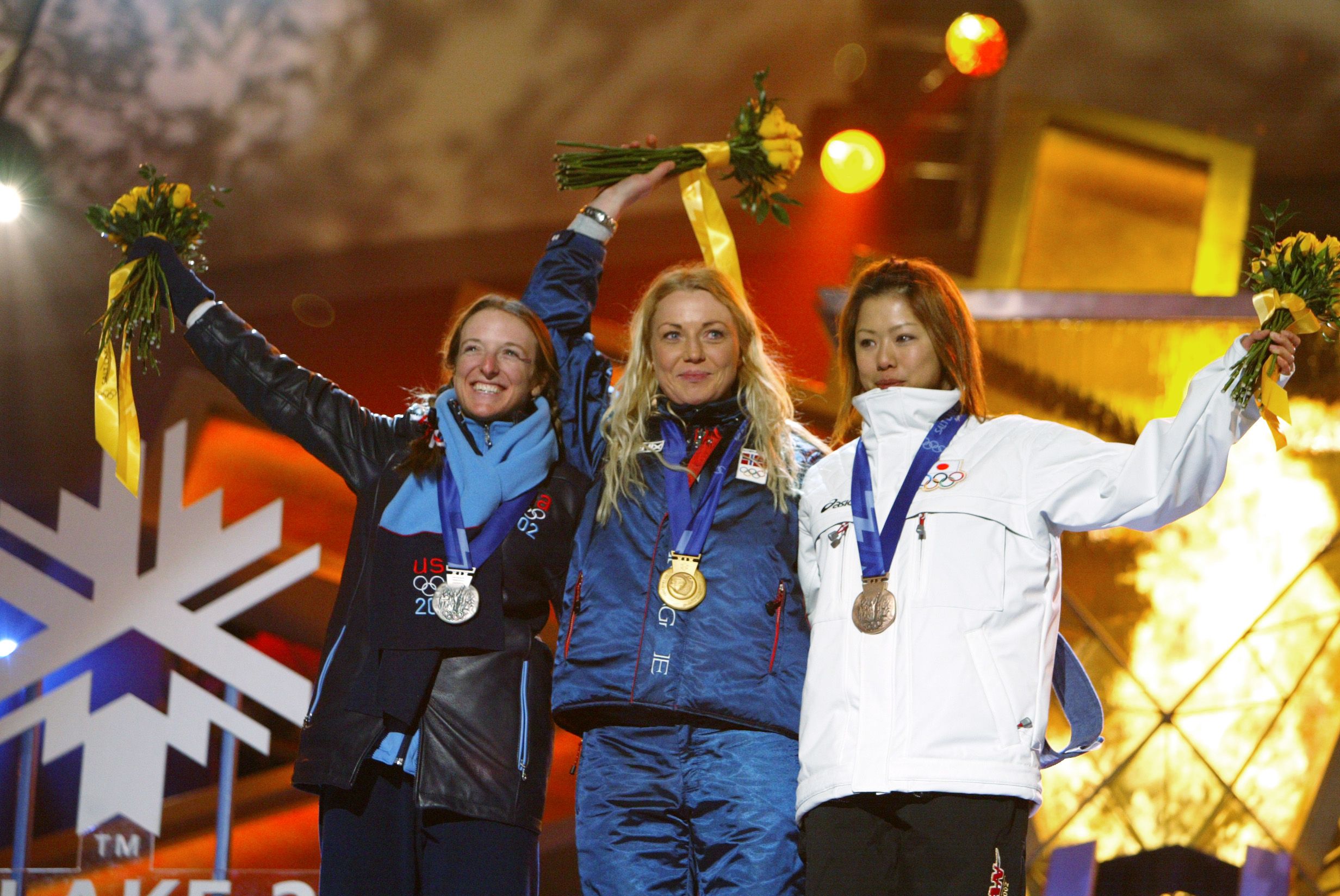
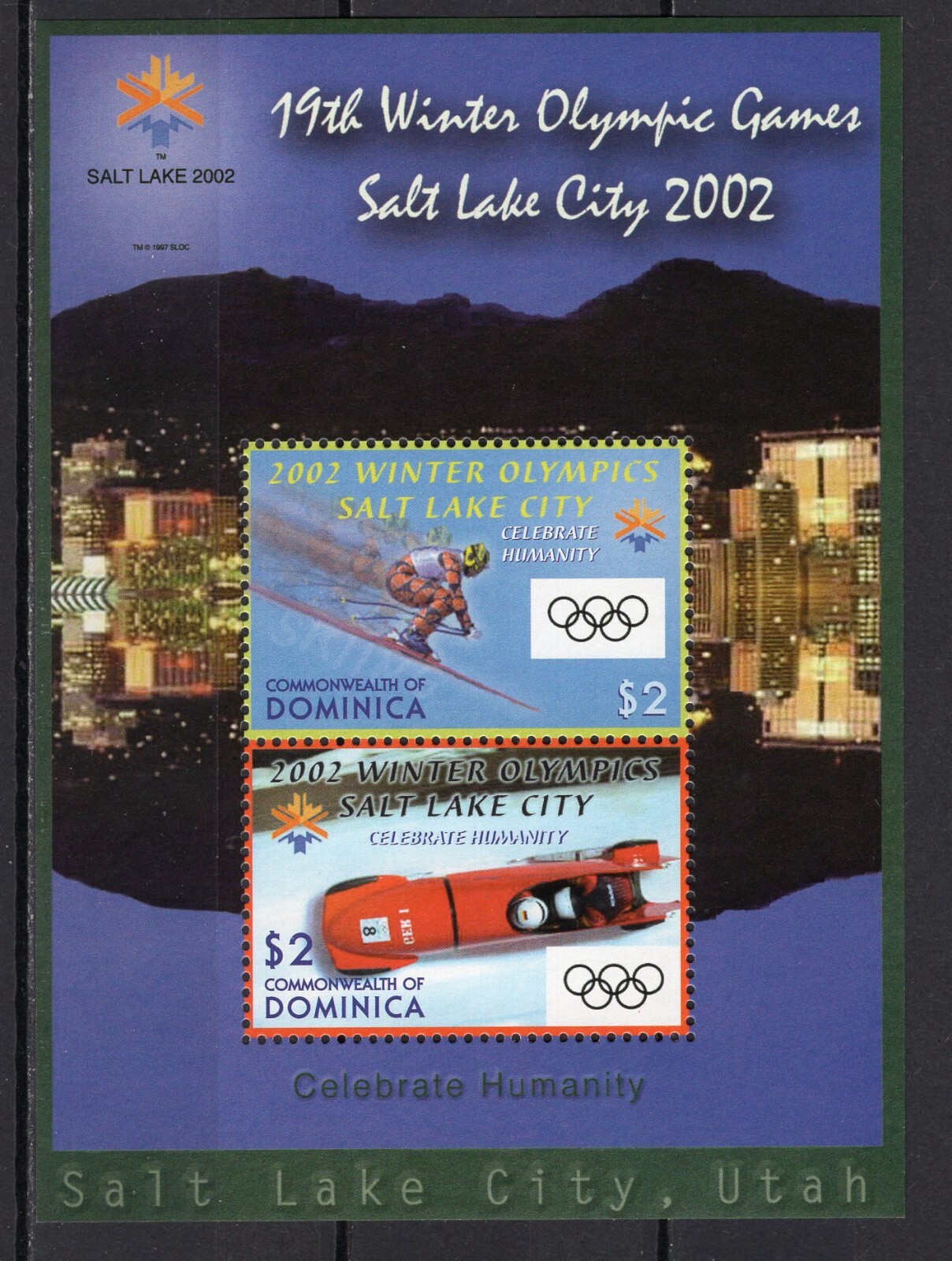
The 2002 Games featured 78 events across 15 disciplines, including the return of skeleton and the debut of women’s bobsleigh. The athletic achievements in Salt Lake City were marked by both individual dominance and historic firsts.
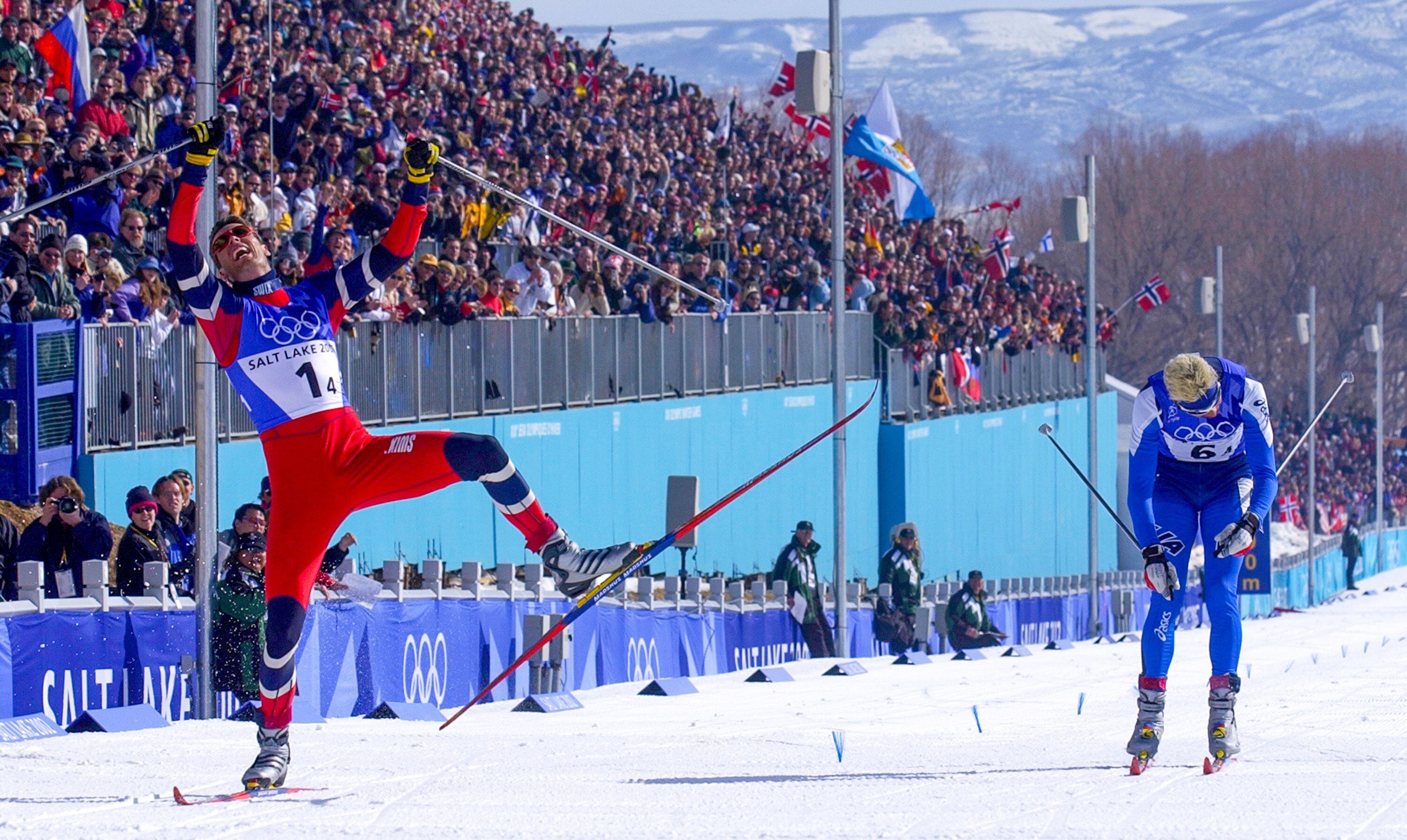
One of the most remarkable stories was that of Ole Einar Bjørndalen of Norway. He swept all four gold medals in the biathlon events, becoming the only biathlete to ever achieve such a feat in a single Olympic Games. His performance solidified his status as one of the greatest winter athletes in history. Meanwhile, in the alpine skiing events, Croatia's Janica Kostelić delivered an unprecedented performance by winning three gold medals and one silver, the first time a woman had won four alpine skiing medals at a single Olympics.
The 2002 Games also saw the rise of modern legends in American sports. Apolo Anton Ohno became a household name in short-track speed skating, winning gold in the 1500m and silver in the 1000m despite a dramatic crash in the latter. In figure skating, Sarah Hughes performed one of the greatest upsets in history. Entering the long program in fourth place, she delivered a technically flawless performance—including two triple-triple combinations—to jump to the gold medal position over favorites Michelle Kwan and Irina Slutskaya.
Furthermore, the 2002 Games were a milestone for diversity. Vonetta Flowers, a member of the U.S. women’s bobsleigh team, became the first Black athlete to win a gold medal in the Winter Olympics. This was followed by Jarome Iginla of the Canadian hockey team, who became the first Black male gold medalist in Winter Olympic history later that same week.
The Salt Lake City 2002 Figure Skating Scandal and Reform
Perhaps the most enduring controversy of the 2002 Winter Olympics occurred in the pairs figure skating competition. The Canadian pair, Jamie Salé and David Pelletier, delivered a seemingly flawless performance, while the Russian pair, Yelena Berezhnaya and Anton Sikharulidze, suffered a minor technical error. When the judges awarded the gold to the Russians, the crowd and international media erupted in protest.
An investigation quickly revealed that a French judge, Marie-Reine Le Gougne, had been pressured by her own federation to vote for the Russian pair in exchange for a favorable vote for the French team in the ice dance competition. This "vote-swapping" scandal threatened the integrity of the entire Olympic movement. In an unprecedented move, the IOC and the International Skating Union (ISU) awarded a second set of gold medals to Salé and Pelletier, allowing both pairs to share the title.
The long-term impact of this scandal was the complete abandonment of the traditional 6.0 scoring system. It was replaced by the ISU Judging System (IJS), which is a points-based cumulative system designed to be more objective and harder to manipulate. This transition changed the nature of figure skating forever, shifting the focus toward technical difficulty and verifiable execution over subjective artistry.
Infrastructure and the Economic Impact on Utah
Unlike many host cities that struggle with "white elephant" venues that fall into disrepair, Salt Lake City established a gold standard for Olympic legacy. The venues built for 2002 were designed with long-term use in mind, and most remain active training and competition centers today.
| Venue | Primary Use in 2002 | Current Status (as of 2026) |
|---|---|---|
| Rice-Eccles Stadium | Opening/Closing Ceremonies | Active (University of Utah Football) |
| Utah Olympic Park | Bobsleigh, Luge, Ski Jumping | Active (Training & Public Tourism) |
| Utah Olympic Oval | Speed Skating | Active (High-Performance Training) |
| Soldier Hollow | Cross-Country Skiing, Biathlon | Active (Year-round Recreation) |
| Maverik Center | Ice Hockey | Active (ECHL Hockey & Concerts) |
| Deer Valley Resort | Freestyle Skiing | World-Class Ski Destination |
The economic impact on Utah was profound. The games stimulated over $2 billion in economic activity and led to significant infrastructure improvements, including the expansion of the TRAX light rail system and major upgrades to the I-15 highway. Because the venues have been maintained and are still utilized for World Cup events, Salt Lake City remains a premier destination for winter sports athletes globally. This sustainable model was a key factor in Salt Lake City being selected to host the 2034 Winter Olympics, as the region demonstrated it could host the games without the massive environmental or financial costs associated with entirely new builds.
Medals Table and Dominant Nations
The 2002 Games saw a fierce battle for the top of the medal table. While Norway took the most gold medals, Germany achieved the highest total medal count, showcasing incredible depth across diverse disciplines like luge, bobsleigh, and speed skating.
The host nation, the United States, also had a record-breaking year, finishing second in the total medal count with 34 medals—at the time, the best performance by a U.S. team in any Winter Olympics. This was largely driven by a dominant showing in the newly popularized "extreme" sports like snowboarding and the return of skeleton.
Top 10 Nations by Medal Count (2002):
- Germany: 36 (12 Gold, 16 Silver, 8 Bronze)
- USA: 34 (10 Gold, 13 Silver, 11 Bronze)
- Norway: 25 (13 Gold, 5 Silver, 7 Bronze)
- Canada: 17 (7 Gold, 3 Silver, 7 Bronze)
- Austria: 17 (3 Gold, 4 Silver, 10 Bronze)
- Russia: 13 (5 Gold, 4 Silver, 4 Bronze)
- Italy: 13 (4 Gold, 4 Silver, 5 Bronze)
- France: 11 (4 Gold, 5 Silver, 2 Bronze)
- Switzerland: 11 (3 Gold, 2 Silver, 6 Bronze)
- Netherlands: 8 (3 Gold, 5 Silver, 0 Bronze)
Comparing the 2002 Games to Modern Olympic Standards
Looking back from the perspective of 2026, the 2002 Winter Olympics represent a bridge between the "old" Olympics and the high-tech, expanded versions we see today. In 2002, there were 78 events; by comparison, modern Winter Games now regularly exceed 100 events as the IOC continues to add disciplines like Big Air and mixed-team relays.
The broadcast of the 2002 Games was also a turning point. It was one of the last games where traditional television was the primary consumption method, though it saw the early stages of digital reporting. The 2002 Games achieved record-breaking viewership in the United States, proving that winter sports could command a massive commercial audience if the narrative—such as the American "resilience" story—was compelling enough.
Technologically, 2002 was the beginning of the "clink" era in speed skating, where the newly introduced clap skates were becoming standardized, leading to a slew of world and Olympic records being shattered on the fast ice of the Utah Olympic Oval (often called the "fastest ice on Earth" due to its high altitude).
Who won the most gold medals in the 2002 Winter Olympics?
Norway won the most gold medals with a total of 13. This was largely driven by Ole Einar Bjørndalen’s historic four-gold sweep in the biathlon and strong performances in cross-country skiing. Although Germany had more medals overall, Norway’s gold count placed them at the top of the official IOC medal table ranking.
What was the result of the 2002 figure skating controversy?
The controversy resulted in two gold medals being awarded in the pairs figure skating event. Initially, the Russian pair Berezhnaya and Sikharulidze won, but after evidence of a "vote-swapping" scheme was uncovered, the Canadian pair Salé and Pelletier were also awarded gold medals. This scandal led to the creation of a new, more objective scoring system for the sport.
How did the 2002 Olympics affect Salt Lake City's economy?
The games were a major economic success, generating a surplus of approximately $100 million, which was used to maintain the venues through the Utah Olympic Legacy Foundation. It transformed Utah into a global winter sports hub and significantly improved transportation infrastructure, including the light rail system and highway upgrades.
Which new sports were introduced in 2002?
The 2002 Games saw the reintroduction of skeleton, which had not been an Olympic sport since 1948. Additionally, women’s bobsleigh made its Olympic debut, providing a more equitable program for female athletes. These additions helped modernize the Winter Games and appealed to a younger, more diverse audience.
Why were the 2002 Olympics considered a success despite the scandals?
The games were considered a success because of their organizational efficiency and the high quality of the athletic competition. Mitt Romney’s leadership stabilized the financial situation, and the post-9/11 security measures were executed without disrupting the "Olympic spirit." The lasting legacy of the venues also sets it apart from many other host cities.
Exploring the Salt Lake Olympic Legacy
For those interested in experiencing the history of the 2002 Games firsthand, visiting the Utah Olympic Park in Park City is the recommended next step. The park remains a fully operational training facility for Olympic hopefuls and offers public access to museums, bobsleigh rides, and guided tours of the ski jumps. Observing the ongoing use of these facilities provides a clear understanding of why Salt Lake City remains a model for future Olympic bids. Additionally, researchers and sports historians can access the comprehensive digital archives of the International Olympic Committee for official reports and high-definition footage of the 2002 events.