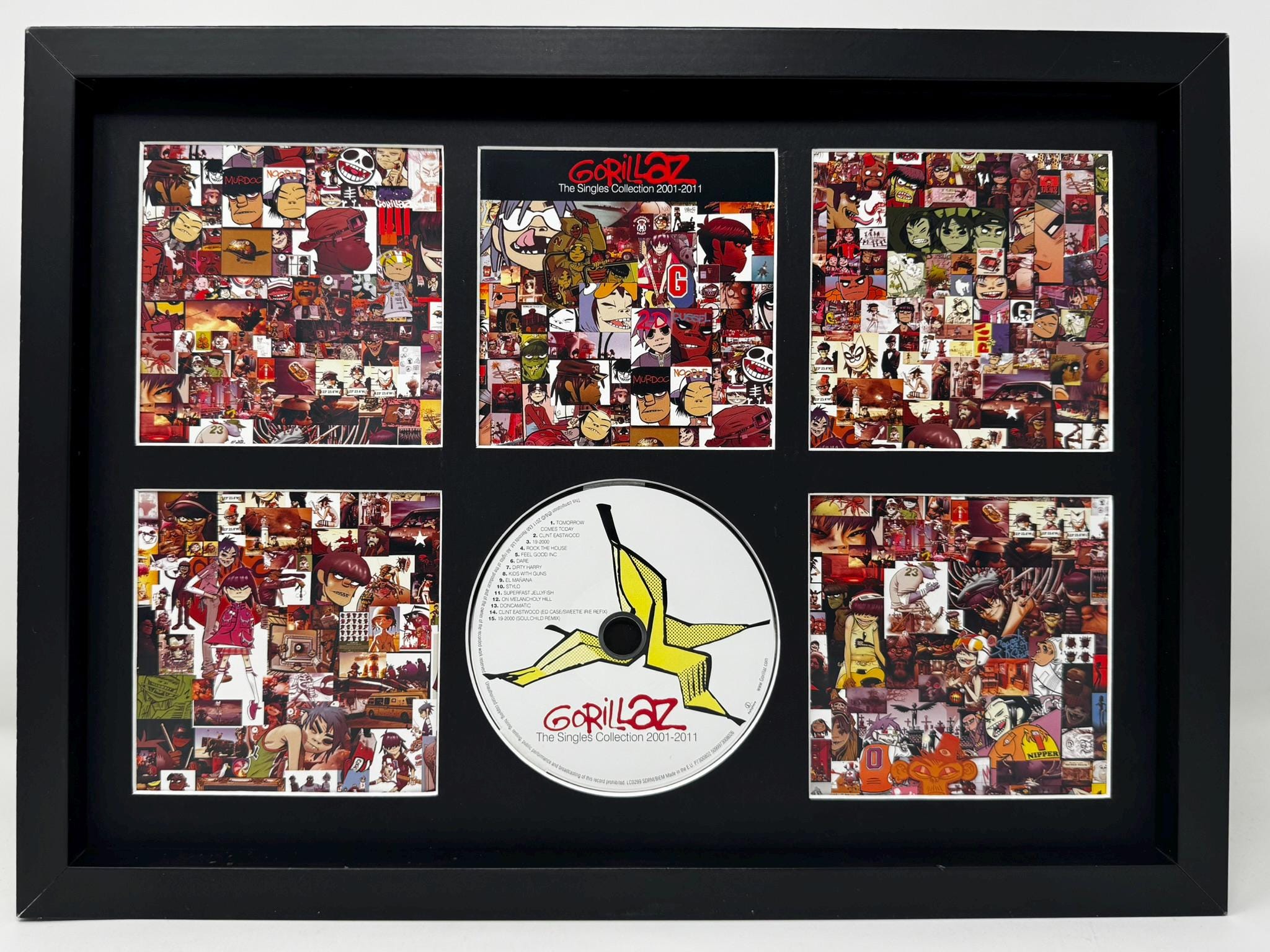
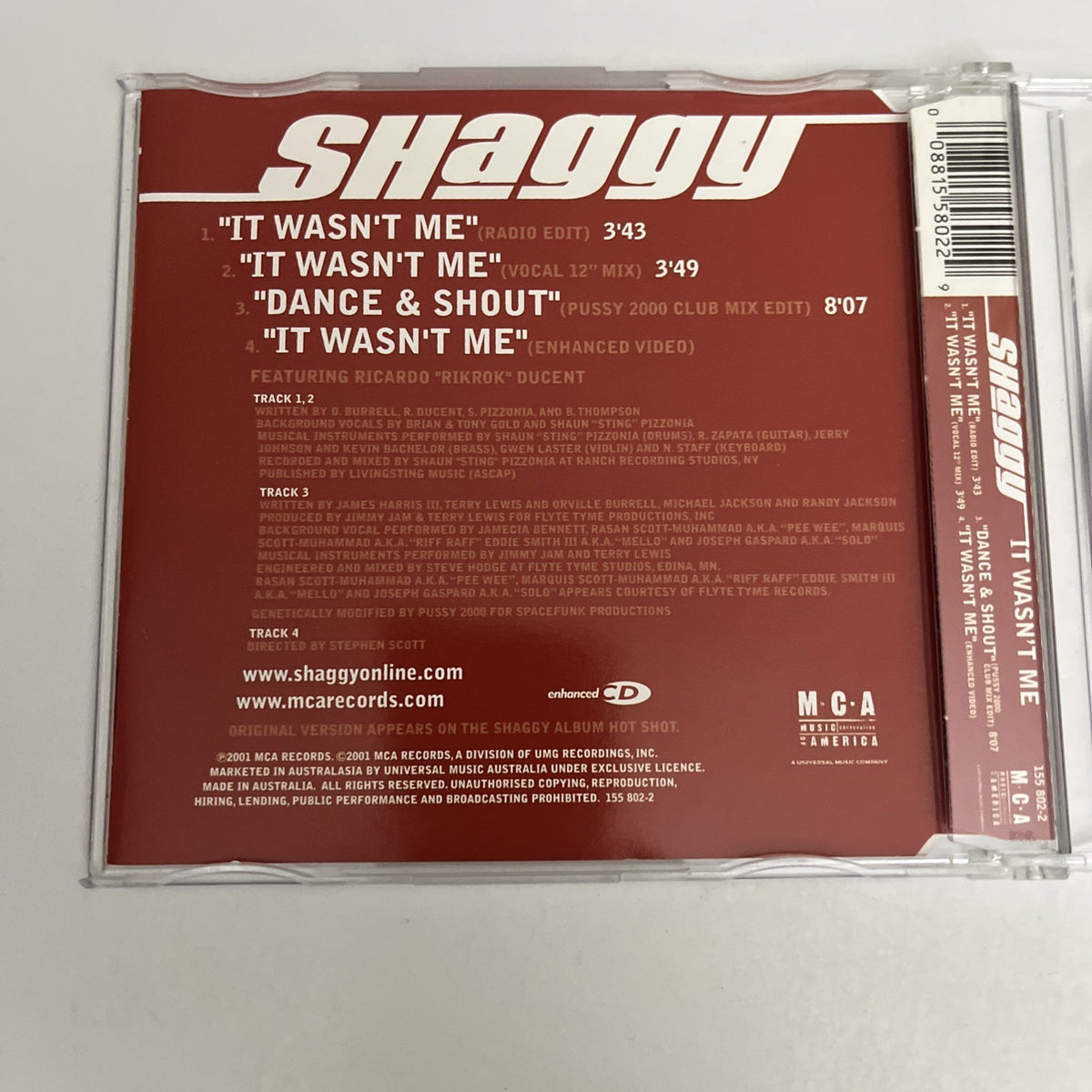
The music of 2001 represents a pivotal era in pop culture, bridging the gap between the late-90s teen-pop explosion and the rise of digital consumption. Dominated by a blend of R&B masterpieces, nu-metal anthems, and the "garage rock revival," 2001 singles like "Fallin’," "In the End," and "Lady Marmalade" defined a generation before the industry was forever changed by the digital revolution.
Looking back from 2026, the year 2001 remains one of the most eclectic and high-impact years in music history. It was a time when the CD single was still a physical commodity of great value, yet the looming presence of peer-to-peer file sharing was beginning to reshape how audiences discovered new tracks. This guide examines the most significant singles released or peaking in 2001, categorized by their cultural impact, genre-defining qualities, and lasting legacy.
The Cultural Landscape of 2001 Music
To understand the singles of 2001, one must understand the environment in which they were released. The year began with the dominance of "Total Request Live" (TRL) on MTV, which served as the primary barometer for a song's popularity among youth demographics. However, as the year progressed, two major shifts occurred: the legal battles surrounding Napster reached a fever pitch, and the tragic events of September 11 led to a profound shift in radio airplay and public sentiment.
In the first half of the year, pop-maximalism was still the standard. Artists like Britney Spears, *NSYNC, and Destiny's Child were releasing polished, high-budget singles that prioritized choreography-heavy music videos. By the second half of 2001, the soundscape began to darken and mature. The rise of nu-metal and post-grunge reflected a more angst-ridden youth culture, while the sudden popularity of "patriotic" or "comforting" ballads in late autumn showed how music serves as a societal balm during times of crisis.
R&B and Hip-Hop: The Golden Standard of 2001
In 2001, R&B and Hip-Hop weren't just genres; they were the primary drivers of the global pop charts. This year saw the emergence of Alicia Keys, whose debut single "Fallin'" spent six weeks at number one on the Billboard Hot 100. The song's blend of classical piano arrangements and soulful, gospel-inflected vocals signaled a shift toward "neo-soul," moving away from the more synthetic production styles of the late 1990s.
Missy Elliott and her long-time collaborator Timbaland also redefined the sonic boundaries of the era with "Get Ur Freak On." The track’s heavy use of bhangra elements and stuttering beats proved that experimental production could still yield massive commercial success. Meanwhile, Mary J. Blige reclaimed her "Queen of Hip-Hop Soul" title with "Family Affair," a Dr. Dre-produced track that introduced "hateration" and "holleration" into the popular lexicon.
The year was also marked by tragedy within the R&B community. The passing of Aaliyah in August 2001 led to a surge in popularity for her singles "We Need a Resolution" and the posthumously successful "Rock the Boat." These tracks showcased her forward-thinking "minimalist R&B" style, which would go on to influence artists for the next two decades.
The Peak of Nu-Metal and the Rock Revival
For rock fans, 2001 was the year that "Nu-Metal" moved from the fringes to the absolute center of the mainstream. Linkin Park’s "In the End" became a definitive anthem of the year, blending rap, rock, and melodic choruses in a way that resonated with millions. The single’s success helped their debut album, Hybrid Theory, become the best-selling album of 2001.
Simultaneously, a raw, stripped-back sound was emerging from New York and the UK. The Strokes released "Last Nite," a single that many critics credit with launching the "garage rock revival." This movement rejected the polished production of pop and the aggression of nu-metal in favor of a 1960s-inspired aesthetic. Other notable rock singles that dominated the airwaves included:
- "How You Remind Me" by Nickelback: A track that would eventually become one of the most-played radio songs of the entire decade.
- "Hanging by a Moment" by Lifehouse: A mid-tempo alternative rock track that became the Billboard Year-End number-one single.
- "Chop Suey!" by System of a Down: A frenetic, unconventional metal track that found surprising mainstream success despite its complexity.
Pop Icons and Collaborations
The year 2001 was a banner year for high-profile collaborations. Perhaps the most iconic was the cover of "Lady Marmalade" recorded for the Moulin Rouge! soundtrack. Featuring Christina Aguilera, Lil' Kim, Mya, and Pink, the single was a massive production that combined powerhouse vocals with a theatrical, cabaret-inspired visual. It spent five weeks at the top of the charts and remains a staple of 2000s pop nostalgia.
Britney Spears also pivoted her image significantly in 2001 with the release of "I'm a Slave 4 U." Produced by The Neptunes (Pharrell Williams and Chad Hugo), the song traded her previous bubblegum pop sound for a breathy, urban-influenced rhythm. This transition was famously cemented by her performance at the 2001 MTV Video Music Awards, where she performed the song while carrying a live python.
On the international front, Kylie Minogue achieved a massive career resurgence with "Can't Get You Out of My Head." The track’s "la-la-la" hook and sleek, robotic disco production made it a global phenomenon, topping the charts in over 40 countries and proving that European dance-pop still had a significant place in the global market.
Top Singles of 2001: Performance Comparison
The following table highlights some of the most statistically significant singles of 2001 based on their performance on the Billboard Hot 100 and their genre classification.
| Single | Artist | Genre | Peak Position | Weeks at #1 |
|---|---|---|---|---|
| "Fallin'" | Alicia Keys | R&B / Soul | 1 | 6 |
| "Lady Marmalade" | Various Artists | Pop / R&B | 1 | 5 |
| "All for You" | Janet Jackson | Dance-Pop | 1 | 7 |
| "How You Remind Me" | Nickelback | Post-Grunge | 1 | 4 |
| "Family Affair" | Mary J. Blige | R&B | 1 | 6 |
| "U Got It Bad" | Usher | R&B | 1 | 6 |
| "Hanging by a Moment" | Lifehouse | Alt Rock | 2 | 0 (Year-End #1) |
| "I'm Real (Remix)" | Jennifer Lopez ft. Ja Rule | Pop / Hip-Hop | 1 | 5 |
The Impact of September 11 on the Charts
The events of September 11, 2001, had an immediate and measurable impact on the music people consumed. In the weeks following the attacks, "Clear Channel" (now iHeartMedia) famously circulated a list of songs with "questionable lyrics" that program directors were advised not to play. This led to a temporary suppression of certain high-energy or aggressive tracks.
Conversely, songs that offered hope or reflection saw a massive surge in popularity. Enrique Iglesias's "Hero" and Five for Fighting's "Superman (It's Not Easy)" became unofficial anthems of the period. Enya's "Only Time" also saw a resurgence as it was used in numerous news montages, eventually peaking in the top 10—a rare feat for a New Age instrumental artist. This era marked a transition where the "escapism" of 1999 and 2000 was replaced by a demand for emotional sincerity.
Legacy and the Transition to Digital
By the end of 2001, the music industry was facing a crisis of identity. The launch of the first iPod in October 2001 didn't immediately kill the CD, but it provided the hardware necessary for the digital revolution that Napster had started. The singles of 2001 were among the last to be marketed primarily through physical sales and heavy rotation on linear television.
In 2026, these 2001 singles are viewed as "modern classics." They represent the last era of monoculture, where a single song could truly be known by everyone across different demographics. Whether it was the genre-blending of Linkin Park or the soulful debut of Alicia Keys, the singles of 2001 laid the groundwork for the diverse, playlist-driven music world of today.
Which 2001 single spent the most time at number one?
In 2001, Janet Jackson's "All for You" spent the longest consecutive time at number one on the Billboard Hot 100, totaling seven weeks. It was followed closely by Alicia Keys' "Fallin'" and Mary J. Blige's "Family Affair," which both enjoyed six-week reigns.
Why was "Hanging by a Moment" the #1 song of the year if it didn't reach #1?
The Billboard Year-End charts are calculated based on cumulative chart points throughout the entire year. While Lifehouse's "Hanging by a Moment" peaked at number two, its incredible longevity in the top 10 and consistent radio play across multiple formats earned it more total points than songs that reached number one but dropped off the charts more quickly.
What was the impact of the "garage rock revival" in 2001?
The garage rock revival, led by singles like "Last Nite" by The Strokes and "Fell in Love with a Girl" by The White Stripes, acted as a counter-movement to the highly produced teen-pop and rap-metal of the time. It brought a "back-to-basics" approach to rock music that paved the way for bands like Arctic Monkeys and Kings of Leon in the following years.
Who were the breakout artists of 2001?
The most significant breakout artists of 2001 included Alicia Keys, Linkin Park, and Shakira (who crossed over into the English-speaking market with "Whenever, Wherever"). Additionally, Michelle Branch and Blu Cantrell saw significant success with their debut singles, "Everywhere" and "Hit 'Em Up Style (Oops!)," respectively.
Curating Your 2001 Throwback Experience
If you are looking to revisit the sounds of 2001 in 2026, the best approach is to look beyond the top 10. While the major hits provide the "soundtrack" of the era, the deep cuts and genre-specific singles offer a more nuanced view of the year’s cultural shifts.
Start by building a playlist that contrasts the high-energy pop of the first half of the year (Britney, *NSYNC) with the more contemplative or aggressive sounds of the second half (Lifehouse, Linkin Park). This contrast captures the true essence of 2001—a year of transition, turbulence, and timeless melody.