The year 2001 was a transformative era for cinematic comedy, characterized by the birth of massive franchises like Shrek, the ascent of Reese Witherspoon in Legally Blonde, and the arrival of absurdist cult classics like Zoolander. It served as a bridge between the raunchy "gross-out" humor of the late 1990s and the sophisticated, character-driven satires that would define the mid-2000s.
The Cultural Landscape of Comedy in 2001
To understand the comedy of 2001, one must recognize the transition occurring in Hollywood at the time. The 1990s had been dominated by high-concept star vehicles (Jim Carrey, Adam Sandler) and the "Farrelly Brothers" style of physical, often cringe-inducing humor. By 2001, the audience's palate was diversifying. There was a growing demand for "smart" humor that didn't sacrifice laughs for heart, as well as a burgeoning interest in stylized, indie-inflected comedy.
This year saw the peak of the "parody" film with Not Another Teen Movie, but it also witnessed the perfection of the animated comedy. With the release of Shrek and Monsters, Inc., comedy was no longer just a "live-action" genre; it became the primary vehicle for family entertainment that appealed equally to adults through subversion and meta-commentary. Furthermore, 2001 introduced us to the "Frat Pack" era—a loose group of actors including Ben Stiller, Owen Wilson, and Will Ferrell—who would go on to dominate the box office for the next decade.
The Pillars of 2001: Defining Films and Their Impact
Several films released in 2001 did more than just provide entertainment; they altered the course of pop culture. These "pillars" represent the different directions comedy was taking at the start of the millennium.
Zoolander: The Dawn of Absurdist Satire
Directed by and starring Ben Stiller, Zoolander was initially a modest success that exploded in popularity on home video. It satirized the vapidity of the fashion industry through the lens of Derek Zoolander, a "really, really, ridiculously good-looking" male model. The film’s strength lay in its commitment to its own stupidity, utilizing a surreal plot involving international political assassinations and "Magnum" looks. It established a style of "cool" absurdity that paved the way for films like Anchorman and Dodgeball.
Legally Blonde: Subverting the "Dumb Blonde" Trope
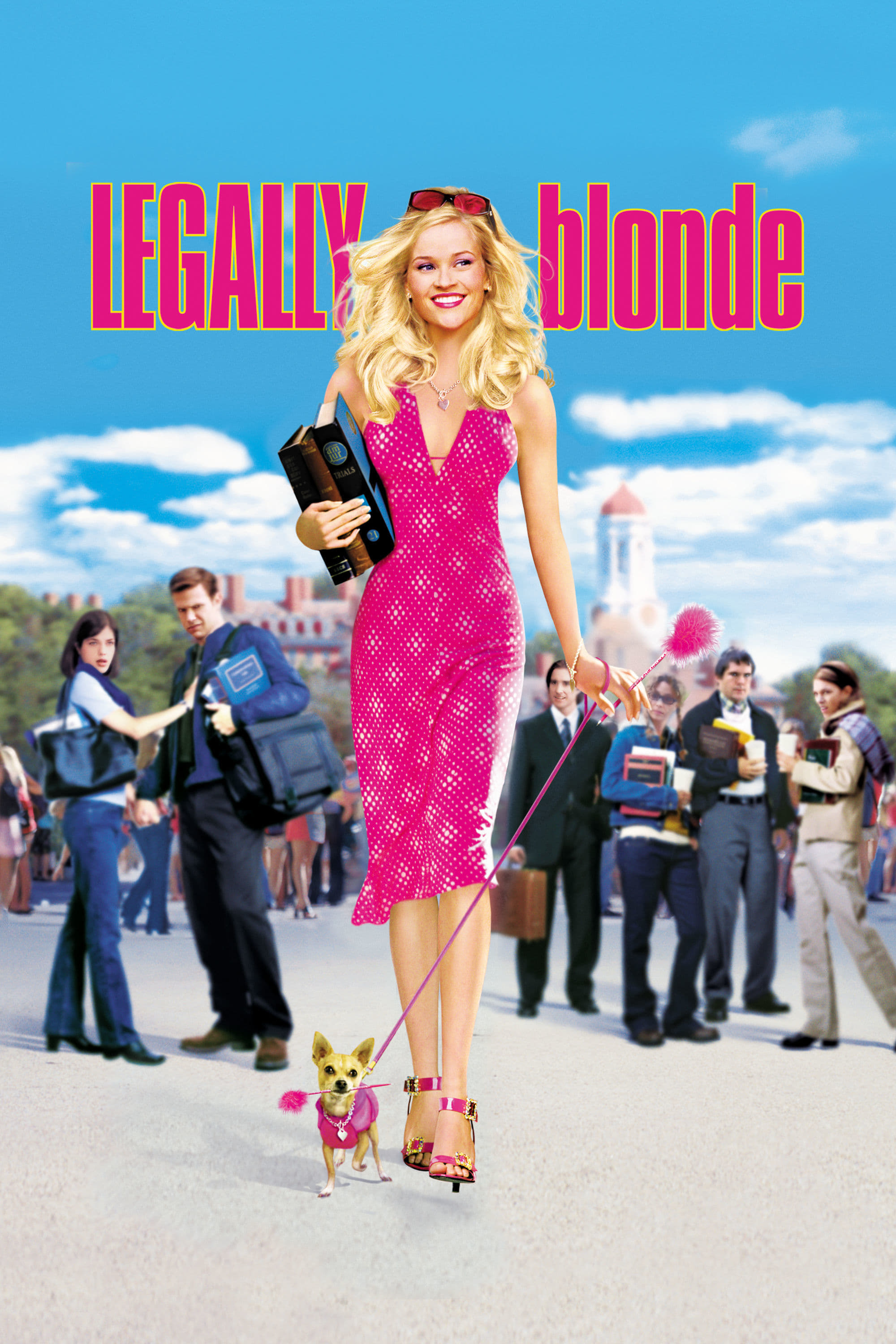
Reese Witherspoon’s portrayal of Elle Woods in Legally Blonde remains a masterclass in comedic timing and character development. The film took the "fish-out-of-water" archetype—a fashion-obsessed sorority girl attending Harvard Law School—and used it to critique societal prejudices. It was a commercial juggernaut because it balanced genuine laughs with an empowering message, proving that "feminine" and "funny" were not mutually exclusive.
Shrek: Deconstructing the Fairy Tale
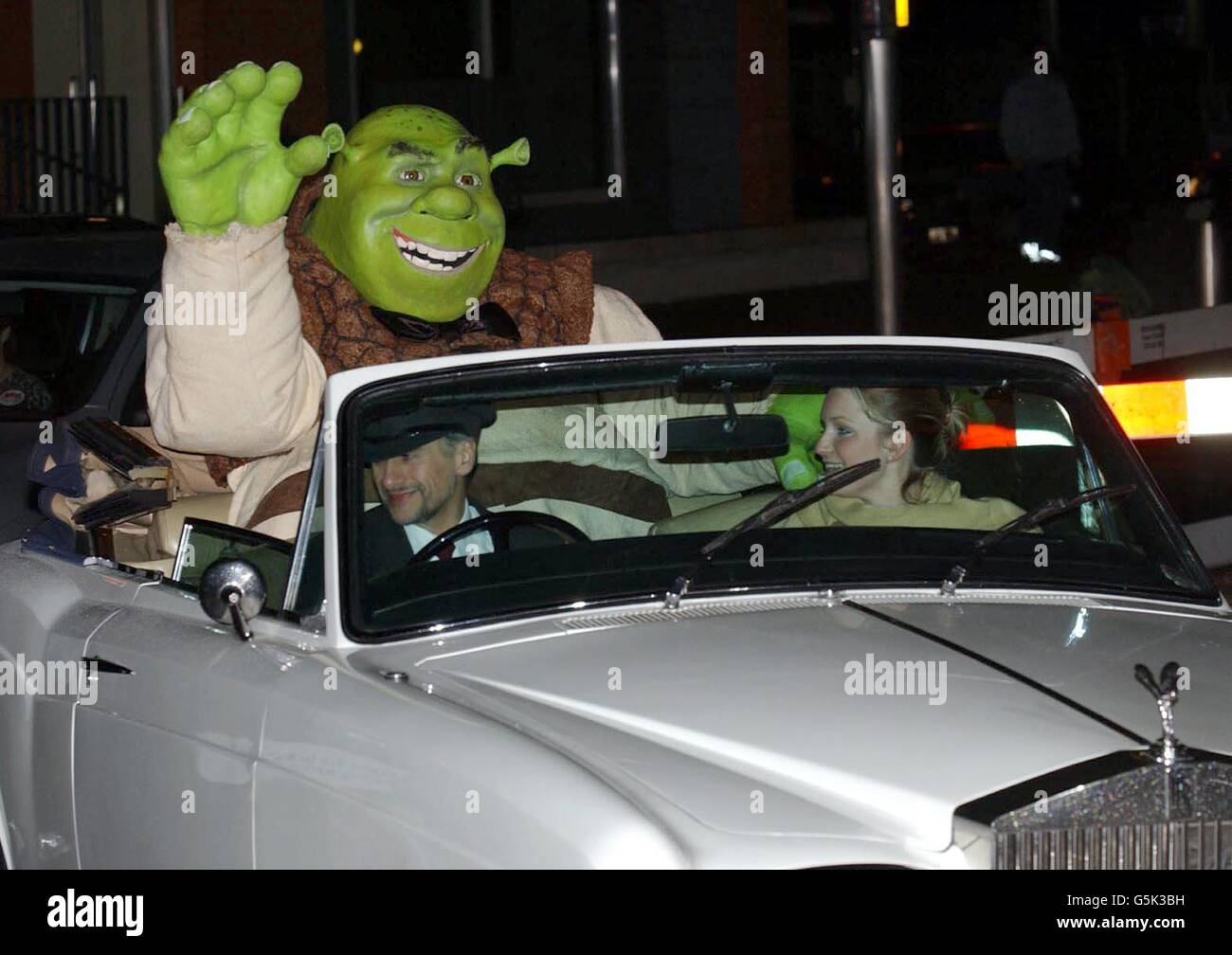
While technically an animated feature, Shrek was arguably the most influential comedy of the year. It took the tropes of Disney-style fairy tales and systematically dismantled them with sarcasm, pop-culture references, and a soundtrack featuring Smash Mouth. It changed the industry’s approach to animation, shifting the focus from earnest moralizing to self-aware humor, a trend that continues into 2026 with the modern "meta" animated landscape.
Diversification of the Genre: From Indie to Rom-Com
Beyond the blockbusters, 2001 was a fertile ground for specific sub-genres that appealed to niche audiences but eventually garnered broad acclaim.
- The Indie/Auteur Comedy: Wes Anderson’s The Royal Tenenbaums introduced a specific "deadpan" aesthetic that would influence indie films for decades. Its blend of melancholy and dry humor showed that comedies could be visually rigorous and emotionally complex.
- The British Rom-Com: Bridget Jones’s Diary brought a grounded, relatable clumsiness to the romantic comedy. Renée Zellweger’s performance humanized the genre, moving away from the "perfect" protagonists of the 90s toward someone more flawed and recognizable.
- The Heist Comedy: Ocean’s Eleven (2001) proved that comedy could be sleek and cool. Steven Soderbergh’s direction utilized ensemble chemistry—George Clooney, Brad Pitt, and Matt Damon—to deliver a film that was as much about the witty banter as it was about the central robbery.
Comparing the Giants: 2001 Comedy Box Office and Legacy
The following table compares the most significant comedy releases of 2001, looking at their primary comedic style and their long-term cultural standing as of 2026.
| Film Title | Primary Comedy Style | Key Performance | Cultural Legacy (2026 Status) |
|---|---|---|---|
| Shrek | Satirical / Meta-Animation | Mike Myers (Voice) | Multi-billion dollar franchise; Meme icon |
| Zoolander | Absurdist Satire | Ben Stiller | Quotable cult classic; Satire benchmark |
| Legally Blonde | Character-Driven / Fish-out-of-water | Reese Witherspoon | Feminist touchstone; Broadway musical adaptation |
| Monsters, Inc. | Slapstick / Heartfelt Animation | Billy Crystal & John Goodman | Pixar gold standard; Streaming staple |
| Bridget Jones's Diary | Realistic Rom-Com | Renée Zellweger | Definitive "single girl" narrative |
| The Royal Tenenbaums | Deadpan / Stylized | Gene Hackman | Defined the "Wes Anderson" aesthetic |
| Wet Hot American Summer | Surreal Parody | Ensemble (Rudd, Poehler, etc.) | Massive cult following; Netflix prequel/sequels |
The Rise of the Cult Classic: Wet Hot American Summer and Super Troopers
Not every comedy hit its stride in 2001. Two of the most significant films of the year were critical or commercial failures upon release, only to be rediscovered and celebrated years later.
Wet Hot American Summer, directed by David Wain, featured a cast of future superstars (including Paul Rudd, Bradley Cooper, and Amy Poehler) playing teenagers at a 1981 summer camp. Its humor was intentionally jarring, breaking the "rules" of traditional narrative. In 2026, it is viewed as a seminal work of alternative comedy that spawned a franchise on streaming platforms.
Similarly, Super Troopers by the Broken Lizard comedy troupe became a dorm-room staple. Its low-budget, high-energy approach to the "slacker cop" trope resonated with a younger demographic that was moving away from polished studio productions toward something more raw and improvisational.
How to Watch 2001 Comedies in 2026
As of 2026, most of these titles are readily available through major streaming services, though rights frequently shift between platforms.
- 4K Restorations: To celebrate the 25th anniversaries of these films, many (including Shrek and The Royal Tenenbaums) have received 4K Ultra HD restorations. These are the preferred way to view the films for the best color accuracy and audio quality.
- Streaming Bundles: Most 2001 comedies are categorized under "2000s Hits" or "Nostalgia" sections on platforms like Max, Netflix, and Disney+.
- Digital Ownership: For titles like Dogma (released slightly earlier but often associated with this era) or specific indie hits that face licensing hurdles, purchasing digital copies on stores like Apple TV or Fandango at Home remains the most reliable method of access.
Identifying the "Frat Pack" Origins
The year 2001 is often cited as the definitive starting point for the "Frat Pack" movement. This era was defined by a specific camaraderie among its actors, who frequently appeared in each other's films. Ben Stiller and Owen Wilson in Zoolander and The Royal Tenenbaums demonstrated a chemistry that would go on to fuel hits for the next ten years. This period moved away from the "solo star" model of the 90s toward ensemble-driven comedies where the humor came from the group dynamic rather than a single person's antics.
FAQ: Common Questions About 2001 Comedy
What was the highest-grossing comedy of 2001?
Shrek was the highest-grossing comedy of 2001, earning over $484 million worldwide. It wasn't just a commercial success; it was a cultural phenomenon that changed how animated films were marketed to adults.
Why is 2001 considered a "bridge year" for comedy?
It moved the industry away from the 1990s focus on "shock humor" and towards "concept humor." While films like Joe Dirt still utilized physical gags, the critical and commercial success of Legally Blonde and Zoolander showed that audiences were ready for more layered, satirical, and character-centric storytelling.
Were there any major parody movies in 2001?
Yes, Not Another Teen Movie was the most prominent. It parodied the "teen scream" and high school rom-com genres of the late 90s (She's All That, Can't Hardly Wait, 10 Things I Hate About You). While it received mixed reviews, it is now remembered for launching the career of Chris Evans.
Which 2001 comedy is considered the best by critics?
The Royal Tenenbaums usually holds the highest critical standing, often appearing on "Best of the Decade" lists. However, Shrek and Monsters, Inc. are frequently cited as the best in terms of script-writing and universal appeal.
How did the events of late 2001 affect the comedy genre?
Following the events of September 11, 2001, there was a temporary shift in the tone of comedy. Some films, like Zoolander (released in late September), faced a difficult box office environment as the public's mood darkened. However, this eventually led to a "escapism" boom in 2002 and 2003, where lighthearted, silly comedies became even more popular as a form of relief.
Planning Your 2001 Comedy Retrospective
If you are looking to revisit this era in 2026, the best approach is to curate a marathon that highlights the diversity of the year. Start with Shrek to see the evolution of animation, follow it with Legally Blonde for a classic character arc, and end with Wet Hot American Summer to experience the "alternative" side of the year's humor. By viewing these films together, you can see the clear threads of influence that still run through the comedies being produced today.