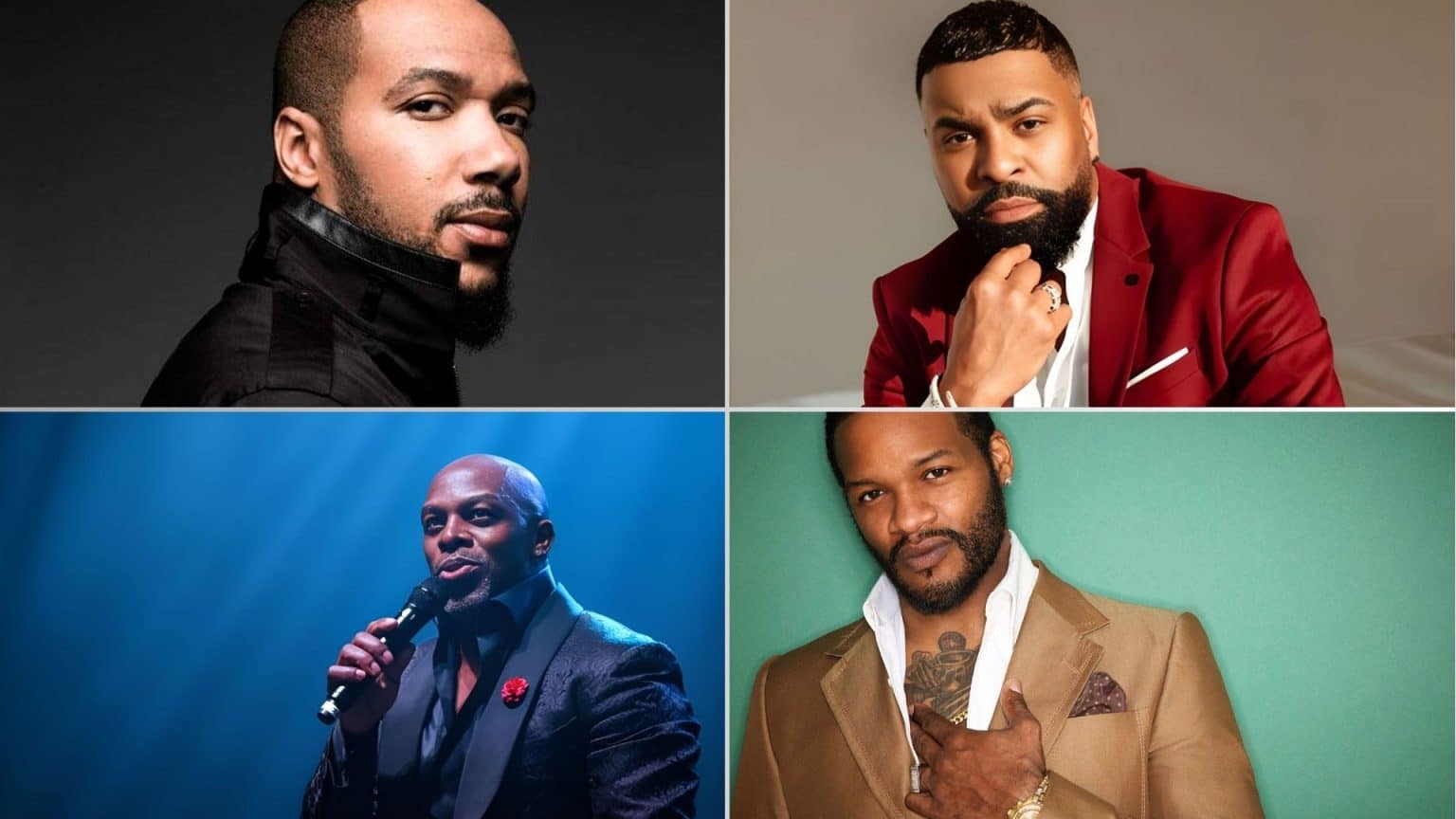
A 2000s singer is an artist who achieved career-defining success between the years 2000 and 2009, a decade marked by the transition from physical media to digital downloads. These artists, ranging from teen pop icons to R&B royalty, navigated a shifting industry while defining the sonic landscape of the early 21st century.
The landscape of popular music underwent a seismic shift at the turn of the millennium. As of 2026, we can look back at the 2000s not just as a period of nostalgia, but as the foundational era for the modern digital music economy. The decade began with the dominance of Total Request Live (TRL) and ended with the total subversion of the industry by social media and streaming prototypes. To understand the 2000s singer is to understand the bridge between the analog superstardom of the 20th century and the viral, algorithmic nature of today's music scene.
The Cultural Archetypes of the 2000s Music Scene
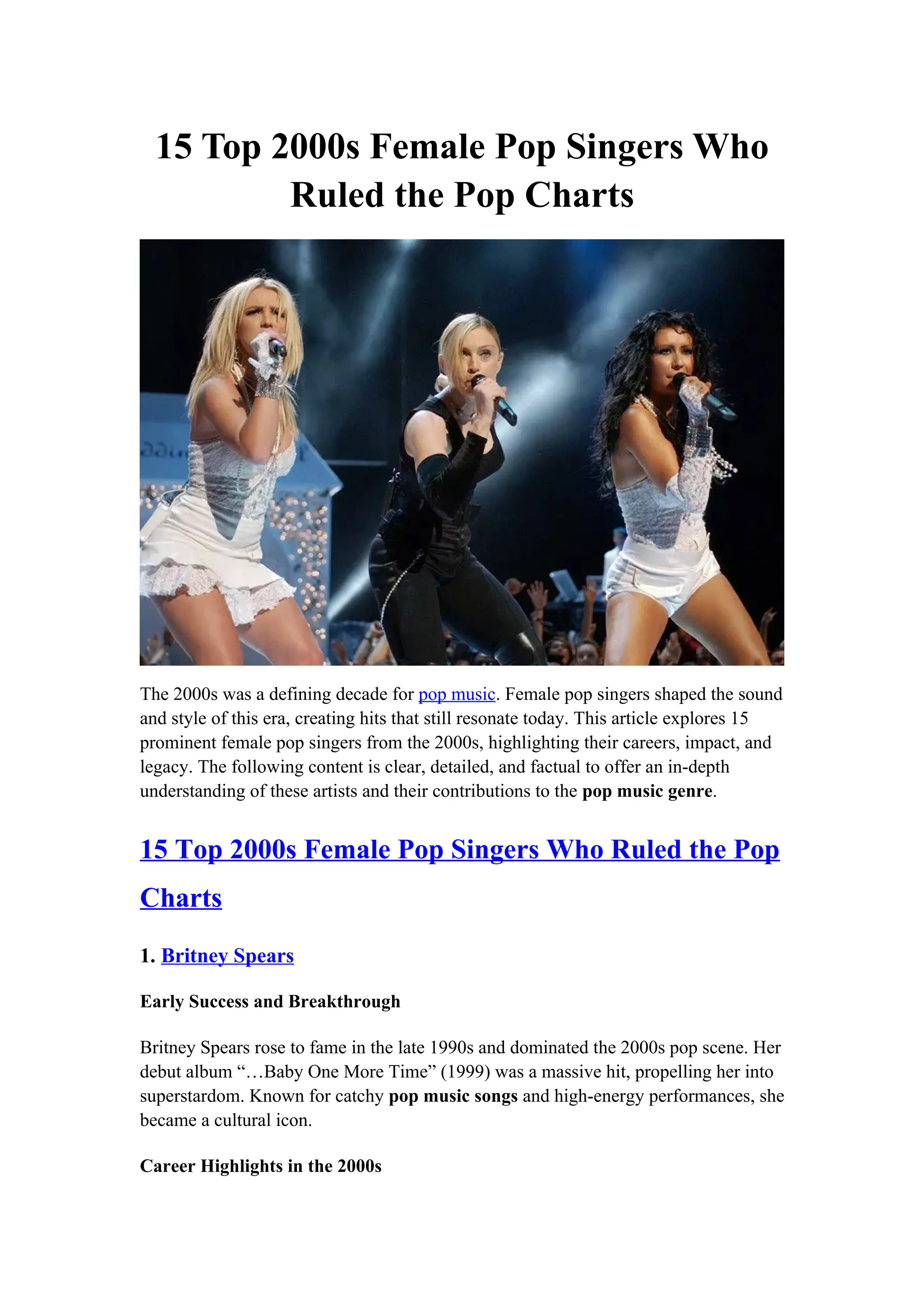
The 2000s did not have a monolithic sound; instead, it was defined by distinct "tribes" of artists who commanded massive, loyal fanbases. In the early part of the decade, the "Teen Pop" explosion of the late 90s reached its zenith. Artists like Britney Spears and Christina Aguilera evolved from manufactured idols into provocative, self-actualized performers. This transition was often fraught with media scrutiny, setting the stage for modern conversations regarding artist mental health and autonomy.
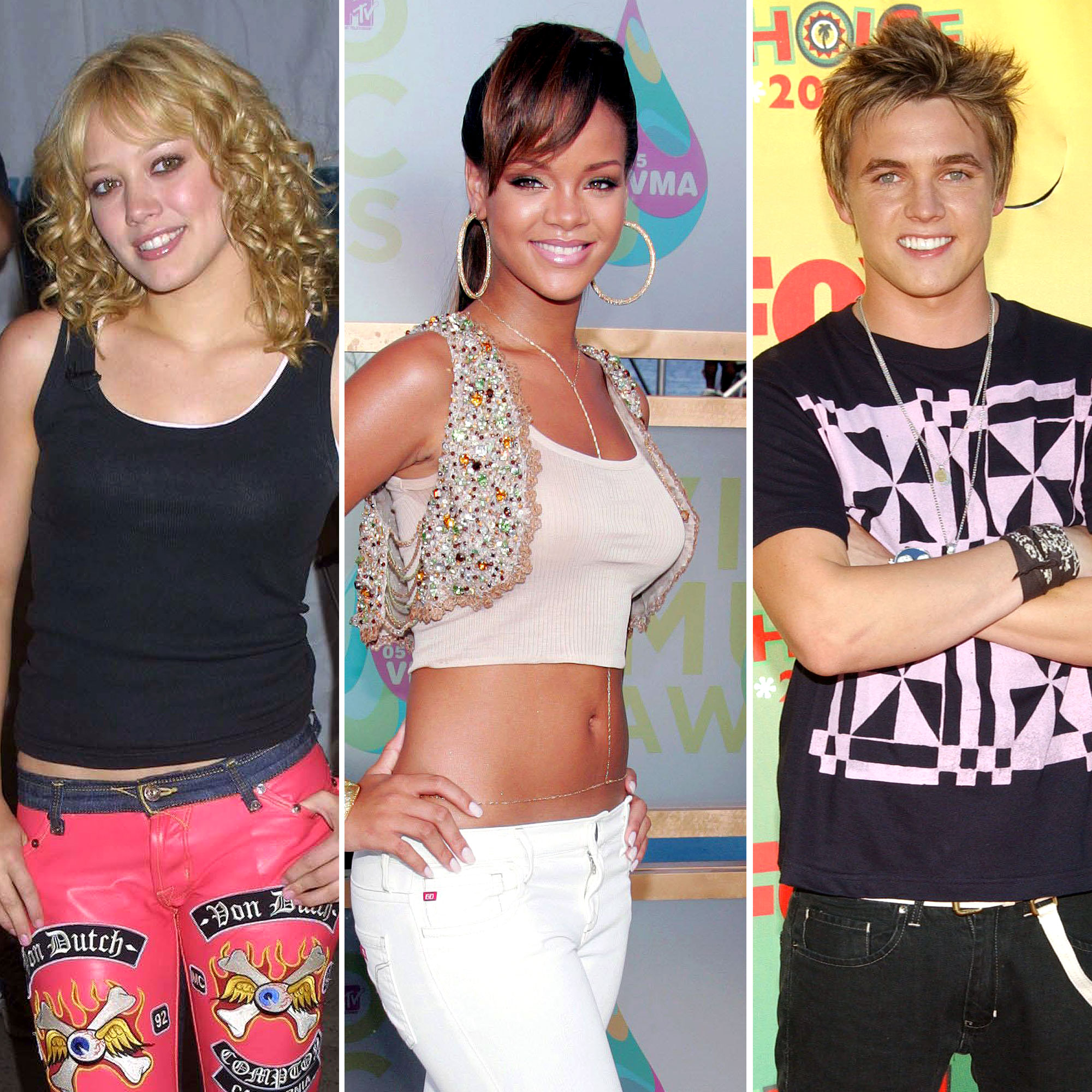
By the mid-2000s, the "Anti-Pop" movement gained significant traction. This was characterized by the "Pop-Punk Princess" aesthetic, pioneered by Avril Lavigne, and the rise of Emo bands that brought vulnerability and angst to the Billboard charts. These singers offered an alternative to the polished choreography of the boy bands and girl groups that had dominated the previous five years. The 2000s singer was often defined by their ability to sell a specific lifestyle or subculture, whether it was the skater-chic of Lavigne or the glamorous, high-fashion R&B of Beyoncé and Alicia Keys.
The Technological Shift: From CDs to the iPod Era
One cannot discuss the 2000s singer without addressing how fans consumed their music. At the start of 2000, the CD was king. Top-tier artists like NSYNC and Eminem were setting records for first-week sales that remained unchallenged for nearly two decades. However, the rise of Napster and subsequent peer-to-peer sharing networks created a crisis for the traditional record label model.
The introduction of the iTunes Store in 2003 and the ubiquity of the iPod fundamentally changed the "product" the 2000s singer was selling. No longer were fans forced to buy a full album for $18.99; they could purchase the "hit" for 99 cents. This led to the "Single Era," where singers focused heavily on high-concept music videos and ringtone-friendly hooks. By 2005, the RIAA (Recording Industry Association of America) began incorporating digital sales into certifications, a move that formally acknowledged the digital revolution. For the singer, this meant that touring and brand partnerships began to eclipse record sales as primary revenue streams—a business model that remains standard in 2026.
R&B and Hip-Hop: The Decade of Dominance
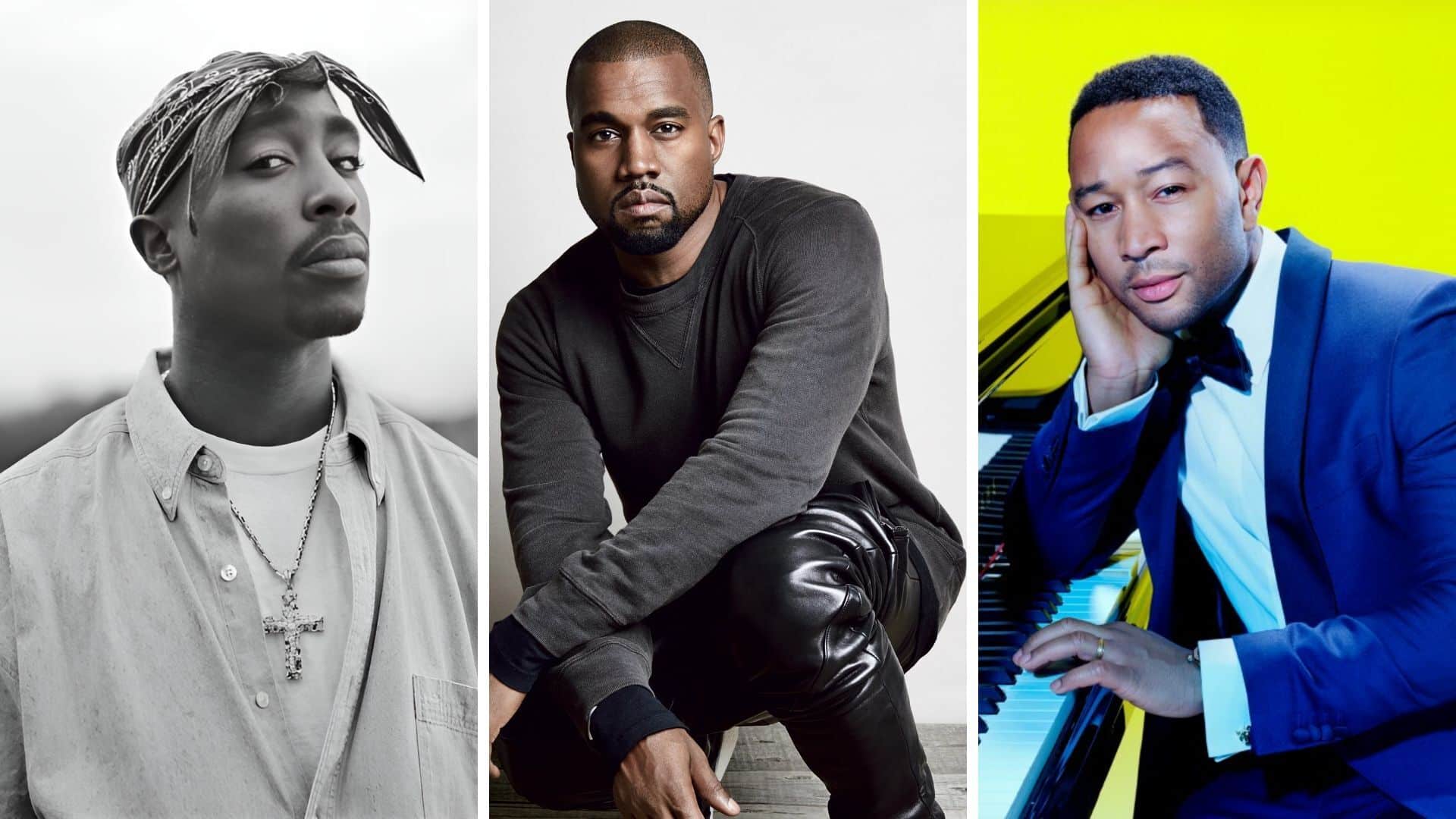
While pop was undergoing a digital identity crisis, R&B and Hip-Hop became the true "pop" music of the 2000s. Throughout the decade, the lines between these genres blurred almost entirely. Producers like The Neptunes, Timbaland, and Kanye West crafted a futuristic, percussion-heavy sound that defined the era's singers.
Usher’s 2004 album, Confessions, serves as a benchmark for this era, selling over a million copies in its first week and producing four consecutive number-one hits. Similarly, Beyoncé transitioned from the leader of Destiny’s Child to a global solo phenomenon with the release of Dangerously in Love in 2003. These artists utilized the "feature" culture of the 2000s—where a singer would collaborate with a prominent rapper—to dominate multiple radio formats simultaneously. This cross-pollination of genres ensured that the 2000s singer had a level of market saturation that is rarely seen in the fragmented streaming era of 2026.
The Reality TV and American Idol Phenomenon
The mid-2000s introduced a new path to stardom: the reality television competition. Before the 2000s, the path to a record deal involved years of touring and "paying dues." American Idol, which debuted in 2002, democratized the process of becoming a 2000s singer.
Kelly Clarkson and Carrie Underwood proved that a singer discovered on television could achieve the same—if not more—commercial longevity as an artist signed through traditional A&R (Artist and Repertoire) channels. This era marked the beginning of "the vote" as a metric of success, where fan engagement was measured in real-time through telephone and SMS voting. This directly foreshadowed the "stan culture" and social media metrics that define the careers of artists in 2026. However, it also led to a glut of "one-hit wonders" who struggled to maintain relevance once the television cameras stopped rolling.
Comparative Overview of Major 2000s Vocalists
The following table highlights the career trajectories and legacy status of several quintessential 2000s singers as viewed from the perspective of 2026.
| Artist | Peak Year(s) | Defining 2000s Work | Current Status (2026) |
|---|---|---|---|
| Britney Spears | 2000–2004 | Oops!... I Did It Again | Cultural icon; influential in artist rights movements. |
| Usher | 2001–2004 | Confessions | Legacy headliner; pioneer of the modern residency model. |
| Amy Winehouse | 2006–2008 | Back to Black | Posthumous legendary status; revived jazz/soul in pop. |
| Justin Timberlake | 2002–2006 | FutureSex/LoveSounds | Multi-hyphenate entertainer and seasoned film actor. |
| Avril Lavigne | 2002–2007 | Let Go | Resurgence figurehead for the pop-punk revival. |
| Alicia Keys | 2001–2007 | Songs in A Minor | Respected mogul, wellness advocate, and Broadway producer. |
| Eminem | 2000–2004 | The Marshall Mathers LP | Top-selling male artist of the decade; active elder statesman. |
The "British Invasion" and the Neo-Soul Revival
In the latter half of the 2000s, a distinct wave of British singers crossed the Atlantic, bringing a gritty, soulful sound that contrasted with the "sheen" of American electropop. Amy Winehouse’s Back to Black (2006) was the catalyst for this movement. Her blend of 60s girl-group aesthetics with modern, raw lyrics paved the way for artists like Adele and Duffy.
This movement was significant because it signaled a return to organic instrumentation. While much of the 2000s was dominated by synthesized production and Auto-Tune (made famous by T-Pain), the neo-soul revival reminded the public of the power of a singular, unvarnished voice. This tension between the "digital" and the "authentic" was a recurring theme for the 2000s singer and continues to be a point of debate in the 2026 music industry.
Survival and Legacy: The 2000s Singer in 2026
How does a 2000s singer maintain relevance two decades later? The most successful artists from that era have successfully pivoted from "hitmakers" to "legacy brands." By 2026, many of these singers have capitalized on the nostalgia cycle, which typically runs on a 20-year loop.
- The Residency Model: Las Vegas residencies, once considered the "retirement home" for singers, were rebranded by 2000s stars like Britney Spears and Usher as high-grossing, prestigious career moves.
- Intellectual Property (IP) Management: Many 2000s singers have sold their song catalogs to investment firms, a trend that accelerated in the early 2020s. This ensures their music continues to be licensed for films, commercials, and "throwback" playlists.
- The Independent Path: Several 2000s singers who were dropped by major labels during the industry contraction of 2010–2015 have found a second life as independent artists, using platforms like Patreon or direct-to-consumer sales to bypass traditional gatekeepers.
The 2000s singer was the last generation of artists to experience a world without ubiquitous high-speed internet but the first to have their careers built or destroyed by it. Their resilience in the face of these changes is what defines their enduring legacy.
FAQ: Understanding the 2000s Music Era
Who was the best-selling singer of the 2000s?
According to Billboard, Eminem was the top-selling artist of the decade (2000–2009) in the United States. His albums The Marshall Mathers LP and The Eminem Show moved millions of units, cementing hip-hop's place at the center of the commercial mainstream. Among female artists, Britney Spears and Beyoncé held the highest commercial stakes across the ten-year period.
What is the "Y2K Aesthetic" in music?
The Y2K aesthetic refers to the visual and sonic style prevalent from roughly 1998 to 2003. In music, this is characterized by futuristic, metallic imagery, high-budget music videos (often set in space or high-tech labs), and a sound that blends pop melodies with synthesized R&B beats. It was a reaction to the turn of the millennium and the "techno-optimism" of the early internet age.
Why did pop-punk become so popular in the 2000s?
Pop-punk provided a relatable, "DIY" alternative to the highly manufactured pop groups of the late 90s. Artists like Blink-182, Sum 41, and Avril Lavigne spoke to suburban teenage angst, skate culture, and the desire for authenticity. Its popularity was fueled by the "Warped Tour" culture and the rise of music videos on cable television.
How did the 2000s change music production?
The 2000s saw the widespread adoption of Pro Tools and the introduction of "Auto-Tune" as a creative effect rather than just a corrective tool. Cher’s "Believe" (late 1998) started the trend, but T-Pain and Kanye West (with 808s & Heartbreak) turned it into a genre-defining sound. This era also saw the rise of the "super-producer," where names like Max Martin and Pharrell Williams became as famous as the singers they recorded.
Are 2000s singers still influential in 2026?
Yes, the influence of the 2000s singer is immense in 2026. Modern stars frequently cite the vocal runs of Christina Aguilera, the branding of Beyoncé, and the genre-blending of Justin Timberlake as blueprints for their own careers. The "Y2K revival" in fashion and music production has brought the 2000s sound back to the top of the charts via Gen Z artists who grew up listening to these icons.
How to Explore the 2000s Catalog Today
For those looking to revisit the era or discover it for the first time in 2026, the best approach is to look beyond the "greatest hits." While the chart-toppers provide a sense of the cultural zeitgeist, the "deep cuts" on albums like Janet Jackson's Damita Jo or Gwen Stefani's Love. Angel. Music. Baby. offer a more nuanced look at how the 2000s singer pushed the boundaries of genre and production. Start by creating a chronological playlist that spans from the bubblegum pop of 2000 to the electropop explosion of 2008 to truly hear the evolution of the decade.