R&B in the 2000s represented a transformative era where the genre achieved total mainstream dominance by fusing traditional soul melodies with high-gloss hip-hop production and futuristic electronic textures. This decade saw the rise of the "super-producer," the global coronation of solo superstars like Beyoncé and Usher, and the commercial peak of the "hip-hop soul" aesthetic that defined the turn of the millennium.
The Architectural Shift of the R&B Sound
The transition from the 1990s to the 2000s was marked by a significant shift in production philosophy. While the 90s relied heavily on "New Jack Swing" rhythms and lush, live-instrumentation-heavy arrangements, the 2000s embraced a digitized, "space-age" sound. This was the era of the syncopated beat, where rhythm tracks became as complex and central to the song as the vocal performance itself.
Technical precision became the hallmark of the decade’s hits. Producers moved away from the warm, analog hiss of the previous era in favor of the "clean" sound afforded by early digital audio workstations (DAWs). This allowed for the layering of dozens of vocal tracks to create the "wall of sound" harmonies popularized by groups like Destiny’s Child and solo artists like Brandy. The rhythmic structures often utilized "stuttering" hi-hats and unconventional percussion samples—claps, snaps, and even non-musical sounds like chirps or water droplets—which gave the music an urgent, rhythmic energy that worked equally well on radio and in dance clubs.
Furthermore, the 2000s solidified the "Thug Love" duet formula. This involved a rugged hip-hop verse paired with a melodic, soulful chorus, a template perfected by labels like Murder Inc. and Bad Boy Records. By 2026, looking back at these recordings, we can see how this period effectively erased the hard boundaries between "Urban" radio and "Top 40" pop, creating a unified soundscape that dominated the Billboard Hot 100 for nearly ten consecutive years.
The Rise of the Super-Producer
In the 2000s, the producer often became as famous as the artist. The "sound" of a specific producer could define an entire year of music. This era moved away from the label-specific house sounds of the 80s and 90s toward individual "sonic architects" who were hired across different labels to guarantee a hit.
The Timbaland and Neptunes Era
Timbaland (Timothy Mosley) and The Neptunes (Pharrell Williams and Chad Hugo) were perhaps the most influential figures of the decade. Timbaland’s work with Aaliyah, Justin Timberlake, and Missy Elliott introduced avant-garde, off-beat rhythms that challenged listeners. His use of world music samples and beatboxing as percussion changed the technical requirements of an R&B track.
The Neptunes, conversely, favored a "stripped-back" minimalism. Their tracks often featured a signature four-count start, heavy synthesizer stabs, and a dry, percussive vocal delivery. Their influence extended from the street-level R&B of Clipse to the global pop-R&B of Usher’s "U Don't Have to Call" and Nelly’s "Hot in Herre."
The Darkchild and Stargate Influence
Rodney "Darkchild" Jerkins and the Norwegian duo Stargate provided the melodic backbone for the mid-to-late 2000s. Jerkins was a master of the "shuffling" R&B beat, most notably on Destiny’s Child’s "Say My Name." Stargate, meanwhile, specialized in "mid-tempo" ballads that utilized acoustic guitar loops paired with heavy 808 drums, a sound that propelled Ne-Yo and Rihanna to superstardom.
Defining Artists and Major Movements
The 2000s was the decade of the "megastar." While groups were highly successful in the early part of the decade, the industry eventually shifted toward solo powerhouses who could act as multi-hyphenate brands (singing, acting, and fashion).
- The Reign of Beyoncé: Following the hiatus of Destiny’s Child, Beyoncé Knowles-Carter became the era’s definitive icon. Her 2003 debut, Dangerously in Love, and the follow-up, B'Day (2006), showcased a technical vocal range and performance stamina that set a new standard for the genre.
- Usher and the Peak of Male R&B: Usher’s 2004 album Confessions remains one of the highest-selling R&B albums of all time. It successfully combined the "confessional" lyricism of classic soul with the high-octane production of the 2000s, proving that male R&B could still command massive album sales in a burgeoning digital age.
- The Neo-Soul Counter-Movement: As mainstream R&B became more electronic, a "Neo-Soul" movement thrived in the underground and eventually crossed over. Artists like Alicia Keys, Maxwell, Erykah Badu, and Jill Scott focused on live instrumentation, Rhodes pianos, and sociopolitical lyricism, providing a soulful alternative to the "Bling Era" production.
| Style / Movement | Key Characteristics | Representative Artists |
|---|---|---|
| Hip-Hop Soul | Heavy use of rap features, 808-heavy beats, street-oriented lyrics. | Mary J. Blige, Ashanti, Ja Rule |
| Crossover Pop-R&B | Clean production, high-gloss videos, universal themes. | Usher, Chris Brown, Rihanna |
| Neo-Soul | Live instruments, vintage synthesizers, jazz influences. | Alicia Keys, Musiq Soulchild, Erykah Badu |
| Futuristic / Avant-Garde | Unusual syncopation, digital vocal layering, experimental synths. | Aaliyah, Ciara, Amerie |
| Quiet Storm / Balladry | Mid-tempo, focus on romantic intimacy, smooth textures. | Joe, Tyrese, Tamia |
The Impact of Technology and Digital Distribution
The 2000s was a volatile period for the music industry's business model. At the start of the decade, physical CD sales were at an all-time high; by the end, digital piracy and the rise of the iTunes Store had fundamentally changed how R&B was consumed and produced.
The "Napster Era" forced R&B artists to focus more on "singles" than cohesive albums. This led to a hyper-focus on the "hook"—the most catchy, repeatable part of a song—to ensure ringtone sales, which were a massive revenue stream between 2003 and 2007. Tracks like "Laffy Taffy" or "Crank That" (while more hip-hop leaning) influenced the R&B space by emphasizing simple, repetitive melodies that could be easily digitized.
Technologically, the 2000s also saw the controversial introduction of Auto-Tune as a creative tool rather than a corrective one. While T-Pain is the most famous proponent of this "robotized" vocal sound, it influenced how background vocals were processed across the entire genre, leading to the highly polished, "perfected" vocal takes that defined the latter half of the decade.
Cultural Context: The "Bling Era" and Fashion
R&B in the 2000s was inseparable from the "Bling Era" of culture. Music videos, directed by visionaries like Hype Williams and Benny Boom, featured high-budget aesthetics: futuristic sets, luxury vehicles, and high-end streetwear. The fashion of R&B—velour tracksuits, oversized jewelry, and designer denim—became the global uniform of youth culture.
This era also saw R&B become the primary soundtrack for the "club" scene. Unlike the more melancholic R&B of the early 90s, the 2000s version was designed to be played at high volumes in social settings. This "Club R&B" blurred the lines between the genre and Hip-Hop even further, as the BPM (beats per minute) of R&B tracks increased to match the energy of the dance floor.
Summary of Technical Trends
To understand 2000s R&B from a technical perspective, one must look at three specific developments:
- Vocal Arrangement: The use of "stacked" vocals, where a singer records the same part 5–10 times to create a thick, choral effect, became standard.
- Drum Programming: The "syncopated" or "off-grid" drum pattern became the signature of the decade, moving away from the steady 4/4 "thump" of disco or early house.
- The "Bridge" Evolution: R&B songs in the 2000s often featured a dramatic shift in the "bridge" section—frequently involving a tempo change or a breakdown of the beat—before returning to a final, explosive chorus.
Frequently Asked Questions
What defined the "sound" of 2000s R&B compared to the 90s?
The 2000s sound was more digital, rhythmically complex, and integrated with hip-hop production. While 90s R&B focused on "swing" and analog warmth, 2000s R&B prioritized crisp percussion, synthesizers, and highly processed vocal layering. It was generally faster and more "club-ready" than the previous decade’s offerings.
Who were the most influential producers of the 2000s?
The Neptunes, Timbaland, Rodney "Darkchild" Jerkins, Jermaine Dupri, Bryan-Michael Cox, and Stargate were the most influential. These producers were responsible for the majority of the decade's number-one hits and defined the specific sub-genres of the era, from "futuristic" R&B to "acoustic" mid-tempo ballads.
Is Neo-Soul considered part of 2000s R&B?
Yes, Neo-Soul was a significant sub-genre within the broader R&B umbrella during the 2000s. It acted as a traditionalist counter-movement to the highly commercialized and electronic sound of mainstream R&B. Artists like Alicia Keys and Maxwell kept the "soul" in R&B by using live instruments and focusing on more organic song structures.
Why did R&B groups decline in the 2000s?
The decline was primarily due to the industry’s shift toward solo artists who were easier to market and manage. While groups like Destiny’s Child and 112 were massive in the early 2000s, the logistical and financial complexities of groups led labels to favor solo stars. By 2026, we see this trend continue, with solo "brands" dominating the landscape.
How did the rise of the MP3 affect R&B music?
The MP3 and digital piracy led to a decline in album sales, which forced the industry to focus on "singles." This resulted in R&B songs becoming more "top-heavy," with catchy hooks and high-energy production designed to grab attention immediately. It also birthed the "ringtone rap/R&B" era, where songs were specifically crafted to sound good through small phone speakers.
Exploring the Legacy of the 2000s
To truly appreciate the impact of 2000s R&B, listeners should explore the discographies of the decade's "Big Three" producers: Timbaland, The Neptunes, and Jermaine Dupri. Analyzing the evolution from 2000 to 2009 reveals a genre that began with the remnants of 90s soul and ended with the foundations of modern "Trap-Soul" and electronic-infused pop.
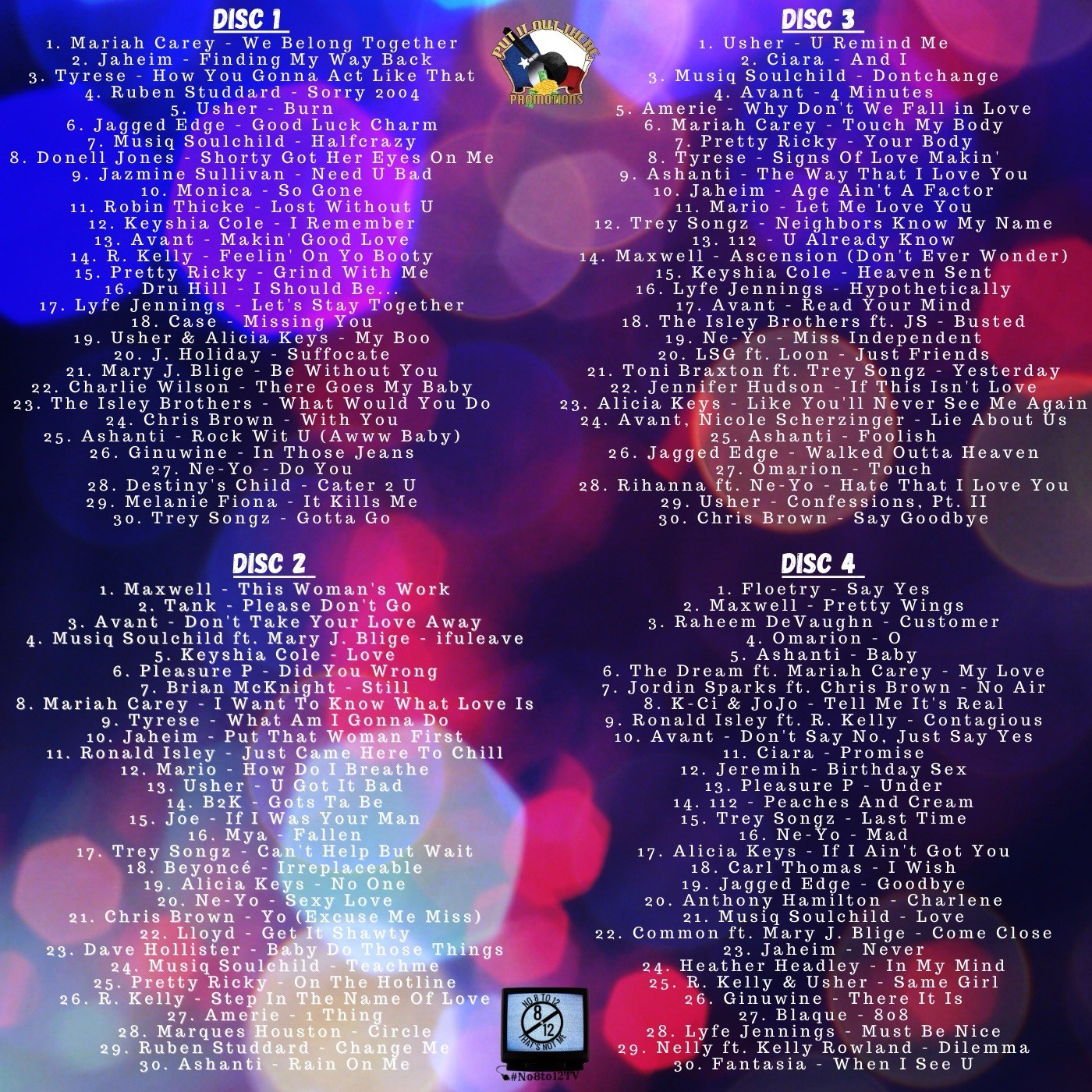
For those looking to build a definitive playlist or study the era's technical merits, focusing on the year 2004 provides the best snapshot, as it featured the commercial and creative peaks of Usher, Alicia Keys, and Destiny's Child simultaneously. Understanding these elements is essential for any modern producer or musicologist looking to capture the high-gloss, rhythmic energy that defines contemporary popular music.