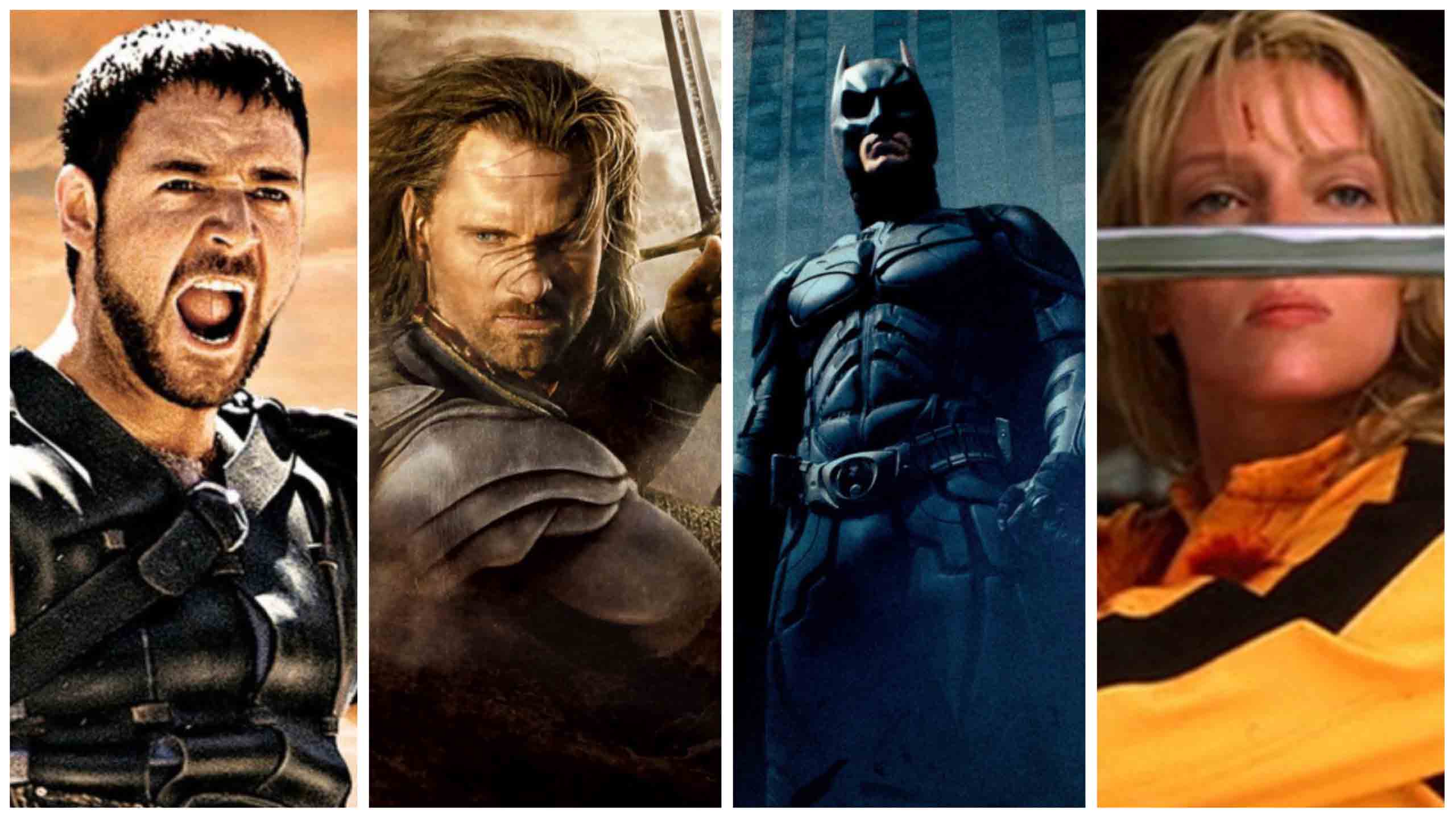
The 2000s film era represents a pivotal transition where digital technology, global perspectives, and massive franchise building converged to redefine modern entertainment. From the mainstreaming of high-fantasy to the birth of the Marvel Cinematic Universe and the "digital revolution" in cinematography, this decade laid the technical and narrative foundation for the industry's landscape in 2026.
The Technological Transition: From Celluloid to Digital Sensors
The most profound shift in 2000s film was the migration from traditional 35mm celluloid to digital cinematography. While the 1990s experimented with digital effects, the 2000s saw the first major motion pictures shot entirely on digital high-definition video. George Lucas’s Star Wars: Episode II – Attack of the Clones (2002) is frequently cited as the catalyst for this change, utilizing the Sony CineAlta HDW-F900 camera. This shift was not merely a change in medium; it altered the economics of filmmaking by reducing the costs of physical film stock and allowing directors to review footage instantly on set.
Digital technology also democratized the filmmaking process. The availability of high-quality digital cameras and prosumer editing software like Final Cut Pro enabled a new wave of independent creators to produce "festival-grade" content with fraction of the traditional budget. However, this transition faced significant resistance from purists who argued that digital sensors lacked the "latitude" and "grain" of organic film. By the mid-2000s, companies like ARRI and RED Digital Cinema (founded in 2005) began developing sensors that could rival the dynamic range of 35mm, eventually leading to the industry-wide standard we see today.
Furthermore, the 2000s saw the perfection of Performance Capture technology. Andy Serkis's portrayal of Gollum in The Lord of the Rings trilogy (2001–2003) proved that digital characters could convey deep emotional resonance. This evolution culminated at the end of the decade with James Cameron’s Avatar (2009), which utilized a virtual camera system to allow the director to "see" the digital world in real-time while filming actors, a technique that remains a staple in 2026 blockbuster production.
The Rise of the Mega-Franchise and Serialized Storytelling
Before the 2000s, sequels were often viewed as secondary cash-grabs with diminishing returns. The turn of the millennium changed this perception by proving that long-form, serialized storytelling could sustain massive global interest over multiple years. Peter Jackson’s The Lord of the Rings was a landmark experiment; by filming all three installments simultaneously, New Line Cinema took a $281 million gamble that transformed the industry. Its success proved that audiences were willing to commit to dense, multi-part narratives.
This decade also saw the rise of the "Cinematic Universe" concept. While Iron Man (2008) is the official starting point of the Marvel Cinematic Universe (MCU), the groundwork was laid by the X-Men (2000) and Spider-Man (2002) franchises. These films shifted the superhero genre from campy niche interest to the dominant force in global box offices. They introduced the idea that characters could exist in a shared continuity, encouraging viewers to watch every installment to understand the larger narrative arc.
The 2000s also solidified the "Tentpole Strategy," where studios rely on a few massive, high-budget releases to subsidize their entire yearly slate. The Harry Potter series (2001–2011) and the Pirates of the Caribbean franchise demonstrated that consistent, high-quality production values coupled with existing intellectual property (IP) could create reliable, long-term revenue streams through merchandising, theme parks, and home media.
Global Cinema and the International Breakthrough
The 2000s was a decade where international cinema broke through the "one-inch barrier" of subtitles more effectively than ever before. South Korean cinema, in particular, entered a "Golden Age" during this period. Directors like Park Chan-wook (Oldboy, 2003) and Bong Joon-ho (The Host, 2006) gained international acclaim, blending high-concept genre tropes with social commentary. This period established South Korea as a global cultural powerhouse, a trend that has only accelerated in the decades leading up to 2026.
Simultaneously, the "Three Amigos" of Mexican cinema—Guillermo del Toro, Alejandro González Iñárritu, and Alfonso Cuarón—risen to global prominence. Films like Amores Perros (2000), Y Tu Mamá También (2001), and Pan’s Labyrinth (2006) showcased a unique blend of magical realism and gritty naturalism. These directors successfully transitioned between their home countries and Hollywood, bringing a more diverse visual language to mainstream American cinema.
| Film | Release Year | Primary Impact/Innovation | Global Box Office (Est.) |
|---|---|---|---|
| Crouching Tiger, Hidden Dragon | 2000 | Mainstreamed Wuxia in the West | $213 Million |
| Shrek | 2001 | Established the CG-animation parody trope | $484 Million |
| The Lord of the Rings: ROTK | 2003 | Swept the Oscars; validated the epic genre | $1.1 Billion |
| The Dark Knight | 2008 | Redefined the "gritty" superhero film; IMAX use | $1.0 Billion |
| Avatar | 2009 | Revolutionized 3D and performance capture | $2.9 Billion |
Independent Film and the Mumblecore Movement
While blockbusters grew larger, the 2000s also fostered a thriving independent scene that rebelled against high-production values. The "Mumblecore" movement, characterized by low budgets, non-professional actors, and naturalistic, improvised dialogue, emerged in the mid-2000s. Directors like Greta Gerwig (as an actress/writer), Joe Swanberg, and the Duplass brothers focused on the interpersonal anxieties of twenty-somethings, utilizing digital handheld cameras to capture raw, unpolished moments.
This era also saw the rise of specialized "indie" arms of major studios, such as Fox Searchlight and Focus Features. These entities marketed sophisticated, character-driven films like Eternal Sunshine of the Spotless Mind (2004) and Little Miss Sunshine (2006) to a wider audience. The 2000s independent scene proved that psychological depth and unconventional narrative structures could still find a commercial foothold in an era increasingly dominated by CGI-heavy spectacles.
Animation: The Pixar Golden Age and the Decline of 2D
The 2000s marked the definitive shift from traditional hand-drawn animation to 3D computer-generated imagery (CGI). Pixar Animation Studios dominated the decade, releasing a string of critical and commercial successes including Monsters, Inc. (2001), Finding Nemo (2003), The Incredibles (2004), and WALL-E (2008). These films were notable for their "all-ages" appeal, combining sophisticated storytelling with technical prowess.
The Academy of Motion Picture Arts and Sciences recognized this cultural shift by introducing the Best Animated Feature category in 2001. While Disney struggled to adapt its traditional 2D pipeline early in the decade, the eventual acquisition of Pixar and the release of Bolt (2008) signaled the studio's full commitment to the CGI medium. This transition was a bittersweet period for the industry, as traditional cel animation became a niche art form, largely reserved for smaller productions or specialized studios like Studio Ghibli, which produced the Oscar-winning Spirited Away (2001).
Documentary and Social Impact Filmmaking
In the 2000s, documentaries became box-office contenders for the first time. Michael Moore’s Bowling for Columbine (2002) and Fahrenheit 9/11 (2004) demonstrated that non-fiction film could be both highly profitable and politically incendiary. Fahrenheit 9/11 remains one of the highest-grossing documentaries of all time, proving that audiences would pay theater prices for journalistic and polemic content.
Other documentaries like An Inconvenient Truth (2006) and March of the Penguins (2005) utilized high-definition cinematography to bring global issues and nature to the forefront of the public consciousness. This decade established the "advocacy documentary" as a powerful tool for social change, a genre that has expanded significantly through streaming platforms in the 2020s.
Frequently Asked Questions
What was the most influential film of the 2000s?
While "influential" is subjective, The Lord of the Rings: The Fellowship of the Ring (2001) is often cited for proving that complex, high-budget fantasy could be both a critical and commercial juggernaut. Its success paved the way for the "franchise-first" model that dominates Hollywood today. Additionally, The Dark Knight (2008) changed how studios approached superhero IP, favoring grounded, "prestige" storytelling over comic-book stylization.
How did digital cinematography change 2000s film?
Digital cinematography removed the physical limitations of film reels, allowing for longer takes and instant playback. It significantly lowered the entry barrier for independent filmmakers because they no longer had to pay for expensive film processing. By the end of the decade, digital sensors had improved enough to provide a "cinematic" look that was indistinguishable from film for the average viewer, leading to the near-total adoption of digital by the mid-2010s.
Why did the superhero genre take off in this decade?
The convergence of improved CGI and a cultural shift toward "escapist" yet grounded entertainment fueled the superhero boom. X-Men (2000) and Spider-Man (2002) proved the financial viability of these characters, while Batman Begins (2005) demonstrated that they could be treated with psychological depth. These films benefited from the burgeoning "fandom" culture on the early internet, which helped build anticipation and community around these releases.
What was the "Mumblecore" movement?
Mumblecore was a subgenre of independent film that prioritized dialogue and character interaction over plot. It emerged around 2005 with directors like Andrew Bujalski and Mark Duplass. These films were characterized by ultra-low budgets, digital video, and a focus on the mundane problems of young adults. It was a reaction against the increasingly polished and expensive nature of mainstream cinema.
How did 9/11 affect 2000s film?
The events of September 11, 2001, led to a period of "grim and gritty" filmmaking. Action movies became more visceral and less stylized, reflected in the Jason Bourne series and Daniel Craig’s James Bond debut, Casino Royale (2006). Themes of surveillance, moral ambiguity, and societal collapse became common in films like Children of Men (2006) and The Dark Knight (2008).
Accessing and Preserving 2000s Cinema
To truly appreciate the 2000s film era, viewers should seek out "Boutique" physical media releases from distributors like The Criterion Collection or Arrow Video. These editions often include high-bitrate transfers that preserve the specific look of early digital or the grain of the final years of pure celluloid. While streaming services provide easy access to the decade's biggest hits, physical media remains the gold standard for historical preservation and viewing the original theatrical cuts of films that may have been altered for modern digital platforms.
If you are a student of film or a casual enthusiast, focus on watching the "Best Picture" nominees from 2000 to 2009. This cohort represents a fascinating struggle between the "Old Hollywood" prestige dramas (like A Beautiful Mind) and the "New Hollywood" genre-bending masterpieces (like No Country for Old Men). Analyzing this tension provides a clear map of how the industry arrived at its current state in 2026.