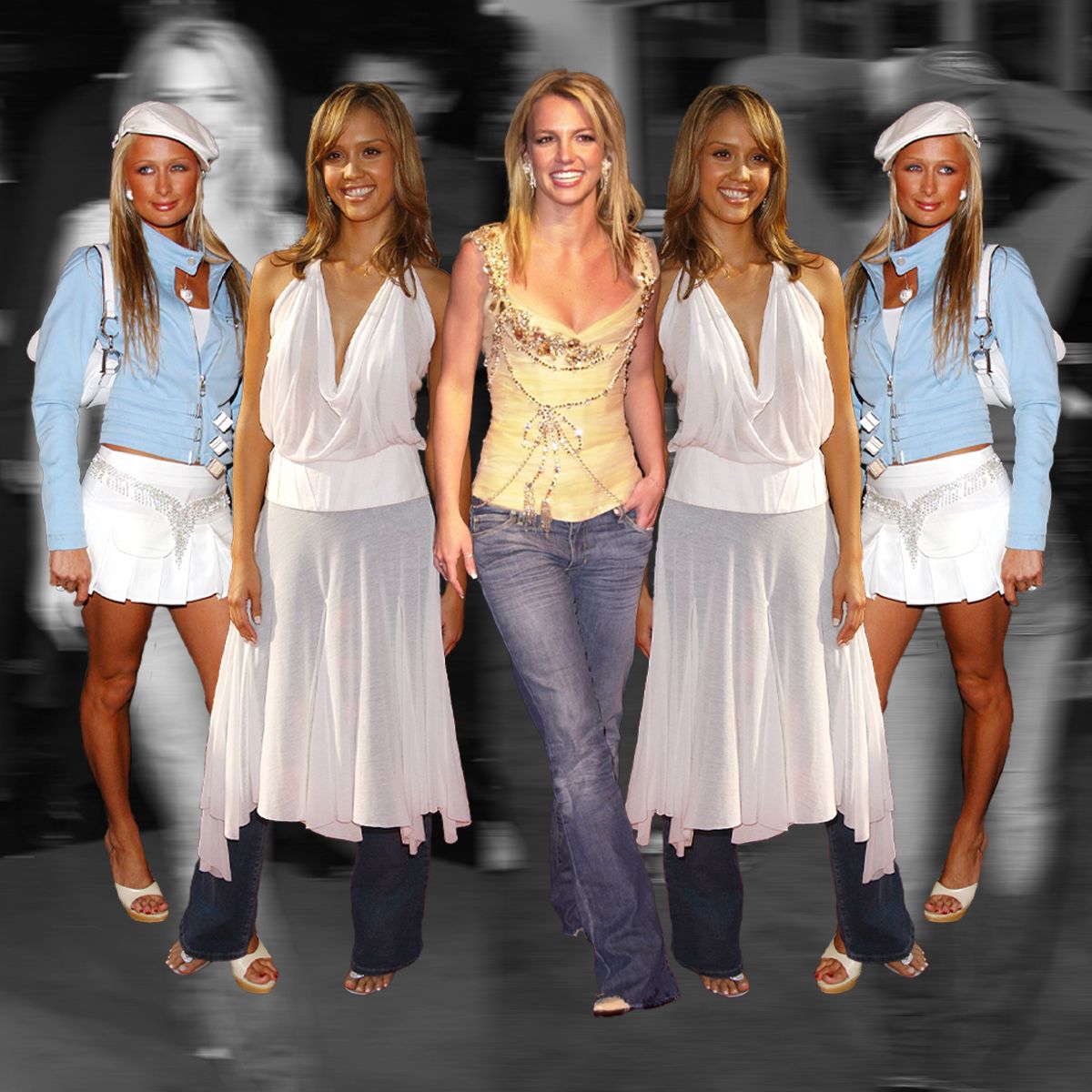
2000s fashion, frequently categorized as Y2K style, is a maximalist aesthetic defined by technological optimism, celebrity-driven "logomania," and a blend of sportswear with high-glamour. In 2026, it remains a cornerstone of global street style, driven by Gen Z’s digital archivism and a robust secondary market for authentic vintage designer pieces.
The fashion of the 2000s was not a monolithic movement but rather a decade of rapid transitions. It began with a sleek, metallic futurism inspired by the turn of the millennium and evolved into the "McBling" era of the mid-2000s, characterized by rhinestones and velour. By the decade's end, the aesthetic shifted again toward the darker, grittier "Indie Sleaze." Understanding these nuances is essential for anyone looking to navigate the current 2026 fashion landscape, where "new-vintage" 2000s items often command higher prices than contemporary releases.
The Cultural Origins of the Y2K Aesthetic
The term "Y2K" originally referred to the year 2000 computer bug, but in a fashion context, it represents the aesthetic transition from 1997 to 2003. This era was shaped by the sudden ubiquity of the internet and a fascination with the "digital frontier." Designers like Alexander McQueen and brands like Prada Sport embraced technical fabrics, silver hardware, and iridescent finishes to mirror the sleekness of new hardware like the iMac G3 and the Motorola Razr.
Pop culture served as the primary delivery mechanism for these trends. Music videos from artists like Britney Spears, Destiny’s Child, and NSYNC showcased a vision of the future that was bright, colorful, and heavily branded. This period marked the decline of the 1990s "heroin chic" and minimalism, replacing them with an energetic, body-conscious look that celebrated consumerism and global pop stardom.
As we view this from 2026, the resurgence of these styles is more than just nostalgia. It represents a reaction against the "minimalist beige" interiors and quiet luxury that dominated the early 2020s. Today’s consumers are using 2000s silhouettes to express individuality in a crowded digital space.
Essential Wardrobe Pillars of the 2000s
To accurately recreate or identify 2000s fashion, one must understand the specific garments that defined the decade. The silhouettes were often unconventional, emphasizing a lowered waistline and a playful, sometimes kitschy, approach to accessories.
Denim and the Rise of the Low-Rise
The defining garment of the decade was undoubtedly the low-rise jean. Popularized by brands like Alexander McQueen (via the "bumster" trousers) and later commercialized by Diesel, Miss Sixty, and True Religion, these jeans sat several inches below the hip bone. In the mid-2000s, this evolved into the "ultra-low-rise" trend, often paired with visible "whale tails" (exposed thong straps) or decorative belts.
The Velour Tracksuit
The velour tracksuit, spearheaded by Juicy Couture, transformed loungewear into a status symbol. Often seen on celebrities like Paris Hilton and Nicole Richie, these sets featured bold colors, rhinestone branding across the back, and a flared leg. This trend signaled the beginning of "athleisure," where comfort was prioritized but never at the expense of visible branding.
Baby Tees and Handkerchief Tops
Tops in the 2000s were generally cropped or asymmetrical. The "baby tee"—a tight-fitting, shortened T-shirt with graphic prints—was a staple of the early years. By the mid-2000s, handkerchief tops (triangular pieces of fabric tied at the back) and "going out tops" featuring sequins or halter necks became the standard for evening wear.
The McBling Era vs. Indie Sleaze
While the early 2000s were tech-focused, the mid-to-late part of the decade saw two distinct subcultures emerge: McBling and Indie Sleaze.
- McBling (2003–2008): This was the era of "more is more." It was characterized by an obsession with pink, luxury logos (Louis Vuitton’s Multicolore Monogram), and "bling" (excessive jewelry and rhinestones). It was a period of high-octane femininity and paparazzi culture.
- Indie Sleaze (2007–2010): As a counter-response to the polished McBling look, Indie Sleaze brought back 1980s-inspired elements with a disheveled twist. Key items included American Apparel gold leggings, oversized flannels, neon colors, and Smudged eyeliner. This look was popularized by the early days of Tumblr and digital photography.
Comparing 2000s Eras: A Technical Breakdown
| Feature | Early 2000s (Y2K Tech) | Mid-2000s (McBling) | Late 2000s (Indie Sleaze) |
|---|---|---|---|
| Primary Color Palette | Silver, Blue, Metallic White | Hot Pink, Gold, Pastel Purple | Neon, Black, Primary Red |
| Key Fabrics | Spandex, Leather, Mesh | Velour, Denim, Satin | Jersey, Cotton, Sequins |
| Footwear | Platform Sneakers (Buffalo) | UGG Boots, Stiletto Pointed Toes | Ballet Flats, Doc Martens |
| Leading Brands | Prada Sport, Dior (Galliano) | Juicy Couture, Baby Phat | American Apparel, Topshop |
| Iconic Accessory | Matrix-style Sunglasses | Trucker Hats (Von Dutch) | Shutter Shades, Headbands |
Influence of Hip-Hop and Streetwear
It is impossible to discuss 2000s fashion without acknowledging the massive influence of Black culture and hip-hop. The decade saw the birth of major "urban" fashion houses like Sean John (Sean Combs), Rocawear (Jay-Z), and Baby Phat (Kimora Lee Simmons).
Streetwear in the 2000s was characterized by oversized silhouettes—extra-long white tees, baggy cargo pants, and "tall tees." This era also saw the rise of high-end sneaker culture, with the Nike Air Force 1 becoming a cultural phenomenon, immortalized in songs and celebrity closets. Pharrell Williams and Nigo further pushed the boundaries by introducing Bathing Ape (BAPE) and Billionaire Boys Club, blending Japanese street style with bright, cartoonish luxury that redefined what "masculine" fashion could look like.
The 2026 Resurgence: Why Y2K is Back
As of 2026, 2000s fashion has transitioned from a fleeting trend to a permanent category in the retail industry. Several factors contribute to this enduring popularity:
- Sustainable Thrifting: Gen Z and Alpha consumers prioritize sustainability. The abundance of 2000s-era clothing in thrift stores and on apps like Depop or Vinted makes it the most accessible "vintage" style.
- Digital Nostalgia: Social media platforms allow for the rapid curation of "mood boards" featuring 20-year-old paparazzi photos. This has created a longing for an era that many current young consumers never actually experienced.
- The 20-Year Rule: Historically, fashion cycles repeat every 20 years as the children of a specific era reach adulthood and begin to influence the creative industries.
In the current market, authentic pieces from the early 2000s are viewed as archival investments. A 2003 Dior Saddle bag or a pair of 2005 BAPE Stas can fetch prices significantly higher than their original retail value, reflecting their status as cultural artifacts.
Sourcing Authentic 2000s Fashion
For those looking to build a wardrobe, sourcing is divided between "true vintage" and "contemporary Y2K-inspired" pieces. True vintage offers better craftsmanship and the unique patina of age, whereas contemporary pieces often benefit from modern sizing and more breathable fabrics.
When searching for authentic items, look for specific tag indicators such as "Made in the USA" (for brands like Juicy Couture) or specific license numbers on designer bags. Be wary of fast-fashion "recreations" which often use thin polyester and lack the structural integrity of original 2000s denim or leather.
Frequently Asked Questions
What are the most iconic 2000s brands for collectors?
Collectors typically target Dior during the John Galliano era, Louis Vuitton’s collaborations with Takashi Murakami, Juicy Couture for velour, and Evisu for denim. For streetwear, original BAPE (pre-2010) and Von Dutch trucker hats remain highly sought after.
How do I style low-rise jeans in 2026?
Modern styling of low-rise jeans often involves balancing the proportions. Pairing them with an oversized blazer or a structured "baby tee" helps maintain a contemporary look. Many stylists suggest using a decorative belt to lean into the decade's maximalism.
Is "Y2K" the same as 2000s fashion?
While the terms are used interchangeably, Y2K technically refers to the "techno-optimism" aesthetic of the late 90s and very early 2000s. "2000s fashion" is a broader term that encompasses the entire decade, including the later McBling and Indie Sleaze movements.
Why were trucker hats so popular?
Trucker hats became a "high-low" fashion statement when high-end designers and celebrities adopted a piece of working-class headwear. Brands like Von Dutch and Ed Hardy used them as canvases for bold logos, making them an essential part of the 2000s celebrity uniform.
How did 2000s fashion impact the environment?
The 2000s saw the rapid acceleration of "fast fashion" through retailers like H&M and Zara. This led to a massive increase in textile waste. However, the current trend of buying these items secondhand in 2026 is actually helping to extend the lifecycle of those garments.
Next Steps for Building Your 2000s Aesthetic
If you are ready to integrate 2000s elements into your current wardrobe, start by focusing on accessories. A small shoulder bag ("baguette" style) or a pair of rimless tinted sunglasses can instantly update a modern outfit without requiring a full wardrobe overhaul.
For a more dedicated look, prioritize high-quality denim. Look for mid-to-heavyweight denim with minimal stretch—typical of the early 2000s—and experiment with flared or bootcut silhouettes. Finally, utilize digital marketplaces to track specific archival pieces, as the value of authentic Y2K garments continues to rise in the 2026 secondary market.