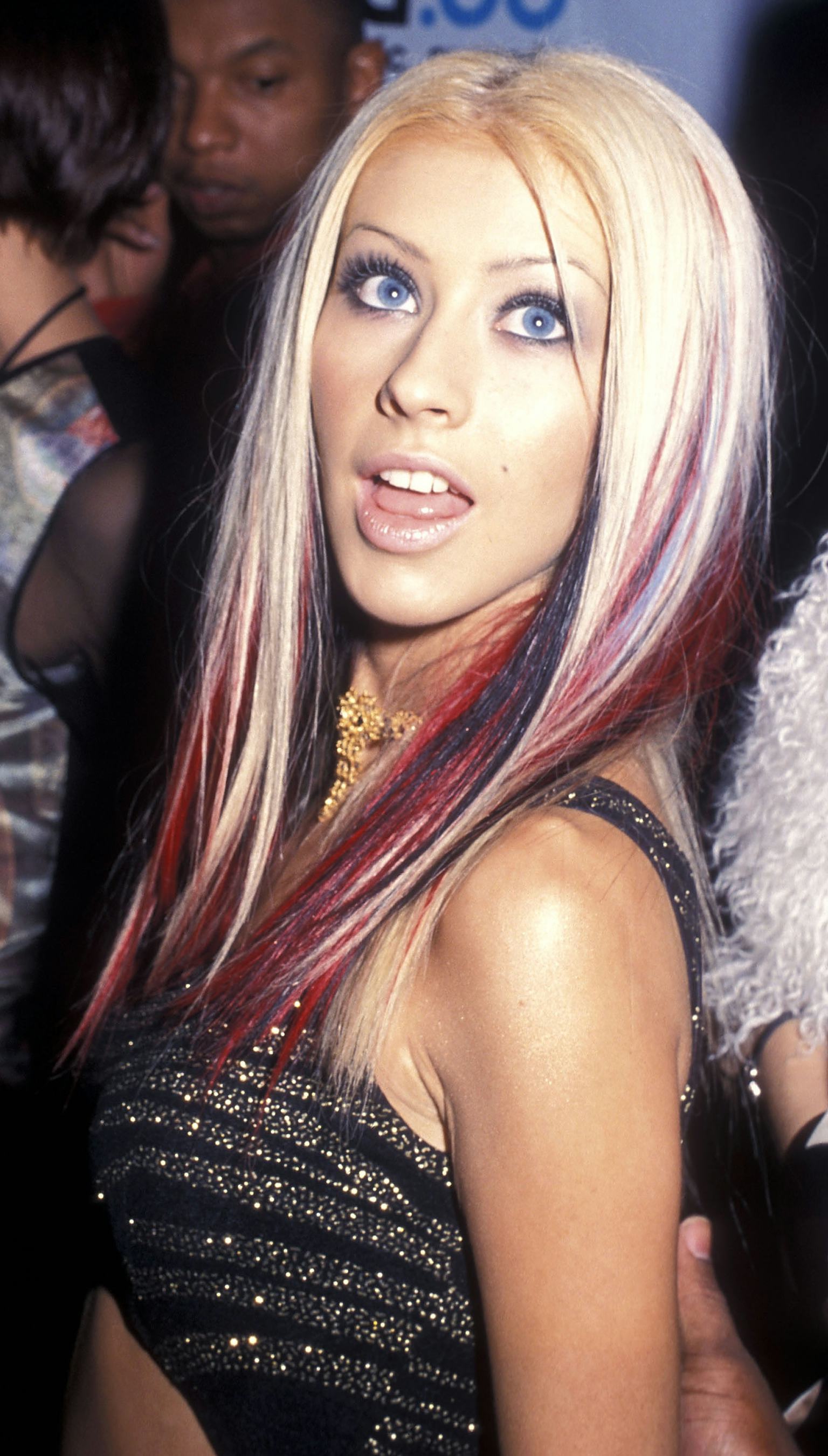
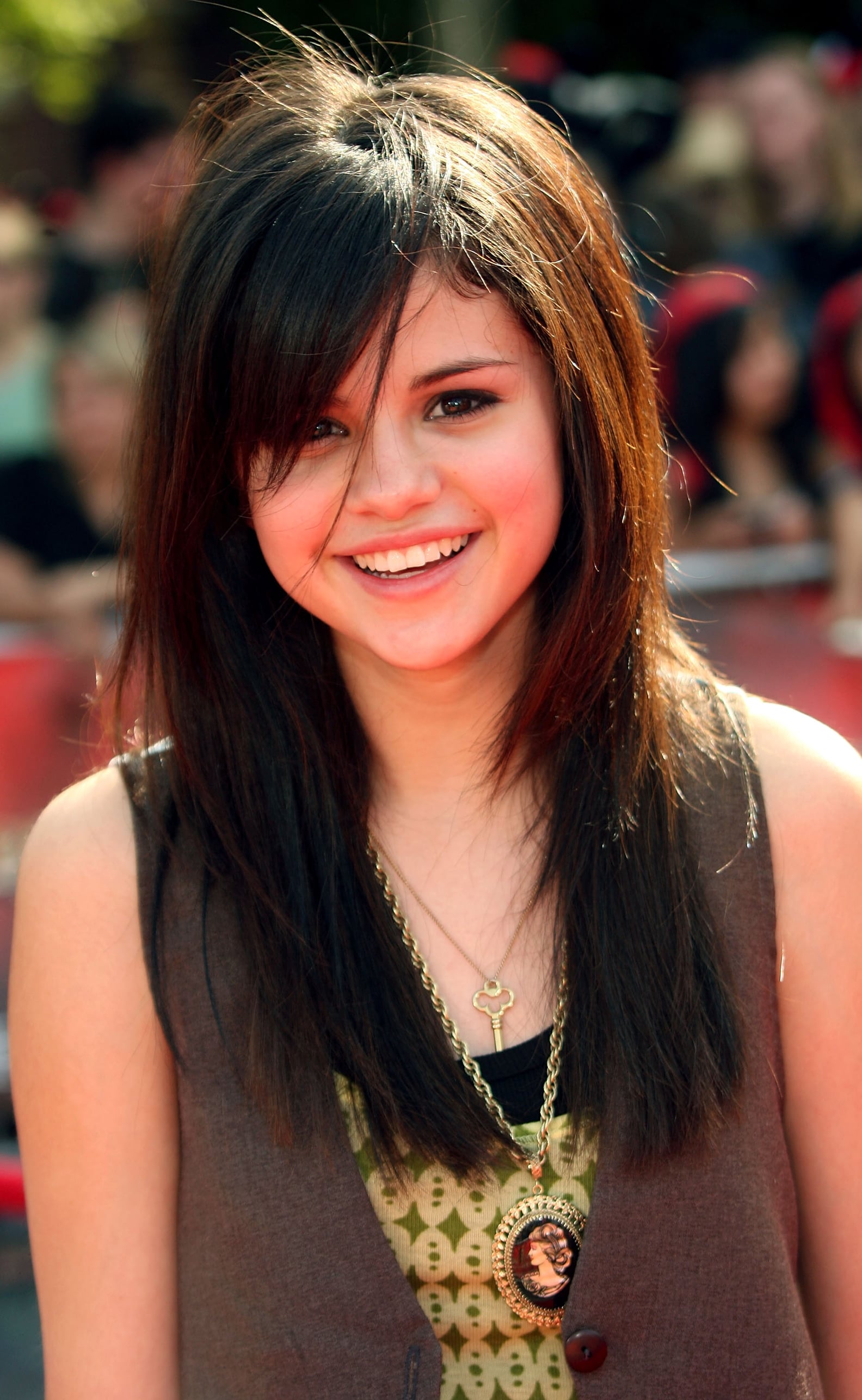
2000s beauty, frequently referred to as the Y2K aesthetic, is defined by a maximalist, playful approach to cosmetics featuring frosted eyeshadows, high-shine lip glosses, pencil-thin eyebrows, and sun-kissed, bronzed skin. Driven by the explosion of pop culture and the rise of digital media, this era prioritized a "glam-tech" look that blended futuristic metallics with a vibrant, celebrity-focused aesthetic.
The beauty landscape of the early 21st century was a radical departure from the minimalist, grunge-influenced styles of the 1990s. As we observe the beauty industry in 2026, it is clear that the 2000s remain one of the most influential periods for modern trends, with both Millennials and Gen Z revisiting the era's signature products and techniques. To understand why these looks are resurfacing, one must analyze the cultural drivers, the specific technical applications of the time, and the iconic products that defined the decade.
The Cultural Foundations of the Y2K Aesthetic
The beauty trends of the 2000s did not emerge in a vacuum. They were heavily influenced by the transition into the new millennium, which brought a sense of optimism, technological fascination, and an obsession with celebrity "paparazzi" culture. This period saw the rise of the "It Girl"—figures like Paris Hilton, Britney Spears, and Nicole Richie—whose red-carpet appearances and reality TV shows served as the primary blueprints for beauty.
Technological advancements also played a significant role. The digital boom led to a fascination with "cyberspace," which translated into makeup through holographic finishes, silver pigments, and iridescent textures. This was the "McBling" era, where everything from flip phones to eyelids was expected to sparkle. Unlike the matte, earthy tones of the previous decade, 2000s beauty was about being seen. The look was deliberately polished yet often experimental, characterized by a "more is more" philosophy that embraced color, shimmer, and high-contrast styling.
Complexion and the Obsession with the Sun-Kissed Glow
In the 2000s, a healthy complexion was synonymous with a heavy tan. This era marked the peak of tanning bed culture and the mainstreaming of self-tanning lotions. The goal was a deep, often orange-toned bronze that signaled a jet-set lifestyle.
The Rise of Bronzer and Matte Foundations
Unlike the "glass skin" or dewy finishes popular in the 2020s, the 2000s prioritized a velvety, matte finish. This was largely achieved through heavy-duty foundations. One of the most iconic products of the era was Maybelline Dream Matte Mousse, which promised a "cloud-like" texture but often resulted in a thick, mask-like application.
Bronzer was not used for subtle contouring as it is today; instead, it was applied liberally across the entire face, neck, and décolletage. The objective was to achieve a "just back from Cabo" look, regardless of the season. This often led to the "tide mark" phenomenon, where a visible line of foundation ended at the jawline—a common makeup mishap that has since become a nostalgic hallmark of the decade.
The Highlight and Shimmer Trend
While the base was matte, the high points of the face were often dusted with shimmering powders. These were not the refined, skin-like highlighters of 2026; they were chunky, glitter-heavy powders applied to the brow bone, the tops of the cheekbones, and even the collarbones. Products like MAC Strobe Cream (launched in 2000) became cult favorites for adding a futuristic, pearlescent glow under or over foundation.
Eye Makeup: Frosted Finishes and Smudged Liners
Eye makeup in the 2000s was divided into two primary camps: the ethereal, frosted "Pop Princess" look and the rebellious, "Indie Sleaze" smokey eye. Both styles utilized specific techniques that defined the decade’s visual identity.
Frosted Eyeshadow and Icy Hues
Frosted eyeshadow was the undisputed king of Y2K eye makeup. High-pigment silver, icy blue, and pale lilac were the colors of choice. These were often applied from the lash line all the way up to the brow bone, creating a stark, high-contrast look. The goal was to mimic the sheen of silk or the glow of a computer screen. Brands like Urban Decay and Hard Candy capitalized on this trend by releasing palettes with high-shimmer, metallic finishes that catered to the "club kid" and pop-star aesthetics.
The "Raccoon" Eyeliner
On the opposite end of the spectrum was the heavy, kohl-rimmed eye. Inspired by the pop-punk and emo movements, this look involved lining both the upper and lower waterlines with thick black pencil. The liner was rarely blended perfectly; instead, a slightly "slept-in" or smudged appearance was preferred. This look, often paired with pale, concealed lips, created a dramatic, moody contrast that defined the mid-to-late 2000s.
The Lip Revolution: Gloss over Substance
If one product could summarize 2000s beauty, it would be lip gloss. The matte lipsticks of the 90s were discarded in favor of high-shine, sticky, and often flavored glosses.
- The Texture: The ideal gloss was thick enough to catch the wind and trap stray hairs. It needed to provide a "wet" look that made the lips appear fuller.
- The Overlined Lip: A popular technique involved using a lip liner two or three shades darker than the natural lip color (usually a chocolate brown or deep mauve) and filling the center with a pale, shimmering gloss or "nude" lipstick.
- Iconic Products: Lancôme Juicy Tubes were the ultimate status symbol in a makeup bag. Available in dozens of scents and colors, they were the go-to for everyone from high school students to A-list celebrities. Similarly, MAC Lipglass provided the mirror-like finish that became the gold standard for the era.
Hair and Brows: Precision and Contrast
Hair and eyebrow trends in the 2000s were perhaps the most high-maintenance aspects of the entire beauty regime. These trends required frequent salon visits and significant daily "upkeep."
The Pencil-Thin Brow
The 2000s saw the decline of the natural, bushy brow. Brows were plucked, waxed, or threaded into incredibly thin, high-arched lines. This was intended to "open up" the eye area, providing more space for the aforementioned frosted eyeshadows. Unfortunately, the trend of over-plucking led to long-term hair follicle damage for many, making brow serums and microblading essential corrective industries in the decades that followed.
Chunky Highlights and "The Pob"
Hair in the 2000s was all about visible contrast. The "money piece" and chunky "skunk" highlights—where thick strips of blonde were bleached into dark hair—were ubiquitous. Stylists utilized high-contrast color palettes that would be considered "unblended" by modern standards.
In terms of cuts, the "Pob" (Posh Spice Bob), popularized by Victoria Beckham, featured a sharp, asymmetrical angle that was shorter in the back and longer in the front. For those with long hair, the "whale tail" (visible thong straps) was often paired with ultra-straight, flat-ironed hair or messy "beehive" updos secured with butterfly clips.
Comparative Analysis: 2000s Beauty vs. Modern Standards
To understand the 2000s aesthetic in 2026, it is helpful to compare its core components with the "Clean Girl" minimalism that dominated the early 2020s.
| Feature | 2000s Aesthetic (Y2K) | Modern Minimalism (2020s/2026) |
|---|---|---|
| Brows | Pencil-thin, high arches, over-plucked. | Fluffy, laminated, natural, or thick. |
| Foundation | Full coverage, matte, often orange-toned. | Sheer, dewy, skin-tinted, natural finish. |
| Lips | High-shine gloss, dark liner, frosted pinks. | Satin lip oils, blurred edges, natural nudes. |
| Eyes | Frosted blues, silver glitter, heavy kohl. | Neutral browns, "latte" makeup, subtle wing. |
| Hair | Chunky highlights, crimping, butterfly clips. | Balayage, "quiet luxury" sleekness, silk ties. |
| Skin | Heavy tanning (beds and lotions). | Sun protection (SPF focus), "glass skin." |
The Enduring Legacy and 2026 Revival
As we navigate 2026, the 2000s beauty revival has matured. It is no longer a literal carbon copy of the past but a refined "Version 2.0." Modern formulations have solved many of the technical issues of the original era. For instance, modern "frosted" shadows use finely milled pearls rather than chunky glitter, providing a glow that is sophisticated rather than "ashy."
The resurgence is driven by a desire for self-expression and "dopamine glam." After years of understated, "no-makeup" makeup, consumers are returning to the joy of color and shine. The 2000s aesthetic offers a sense of playfulness that resonates in a high-tech, fast-paced world. Furthermore, the availability of 2000s-style accessories—like rhinestone hair clips and zig-zag headbands—allows for a low-commitment way to participate in the trend.
How to Modernize the 2000s Look
For those looking to adopt 2000s beauty in a contemporary setting, the key is balance. If you are opting for a frosted blue eyelid, keep the rest of the face neutral and dewy. If you are using a high-shine gloss and dark liner, ensure the liner is well-blended rather than a harsh, unblended ring. The goal is to capture the spirit of Y2K—its boldness and optimism—without repeating the ergonomic or dermatological mistakes of the past.
Common Questions About 2000s Beauty
How can I fix my eyebrows after over-plucking them in the 2000s?
The most effective solutions in 2026 involve a combination of topical treatments and professional procedures. Peptides and prostaglandin-based lash/brow serums can stimulate dormant follicles. For permanent results, microblading or "nano-blading" can simulate natural hair strokes, while brow lamination can help reposition existing hairs to cover sparse areas.
What were the most popular drugstore brands in the 2000s?
Maybelline, CoverGirl, and L'Oréal dominated the mass market. Specific products like the Maybelline Great Lash Mascara (in the iconic pink and green tube) and the Bonne Bell Lip Smacker glosses were essential for younger consumers, while Max Factor was a go-to for more "sophisticated" looks before its temporary exit from the US market.
Is the "orange" tan look coming back?
While bronzing is popular in 2026, the "orange" hue of the 2000s has been replaced by olive-toned self-tanners and violet-based bronzers. These provide a more realistic sun-kissed effect without the streaking or artificial tint associated with early-2000s DHA formulas.
Why was blue eyeshadow so popular in the 2000s?
Blue eyeshadow was a carryover from the futuristic "space age" obsession of the late 90s. It was seen as the ultimate "cool girl" color, popularized by music videos and teen magazines. It represented a break from the "boring" browns and beiges of traditional makeup, signaling a youthful, rebellious spirit.
Implementing the Y2K Aesthetic Today
To successfully incorporate 2000s beauty into your routine, focus on one "hero" element at a time. Start with a high-shine lip gloss or a subtle touch of silver shimmer in the inner corners of the eyes. This allows you to reference the era's iconic style while maintaining a look that is compatible with modern professional and social environments. By merging the adventurous spirit of 2000s cosmetics with the advanced skincare and formulation technology of 2026, you can achieve a look that is both nostalgic and cutting-edge.