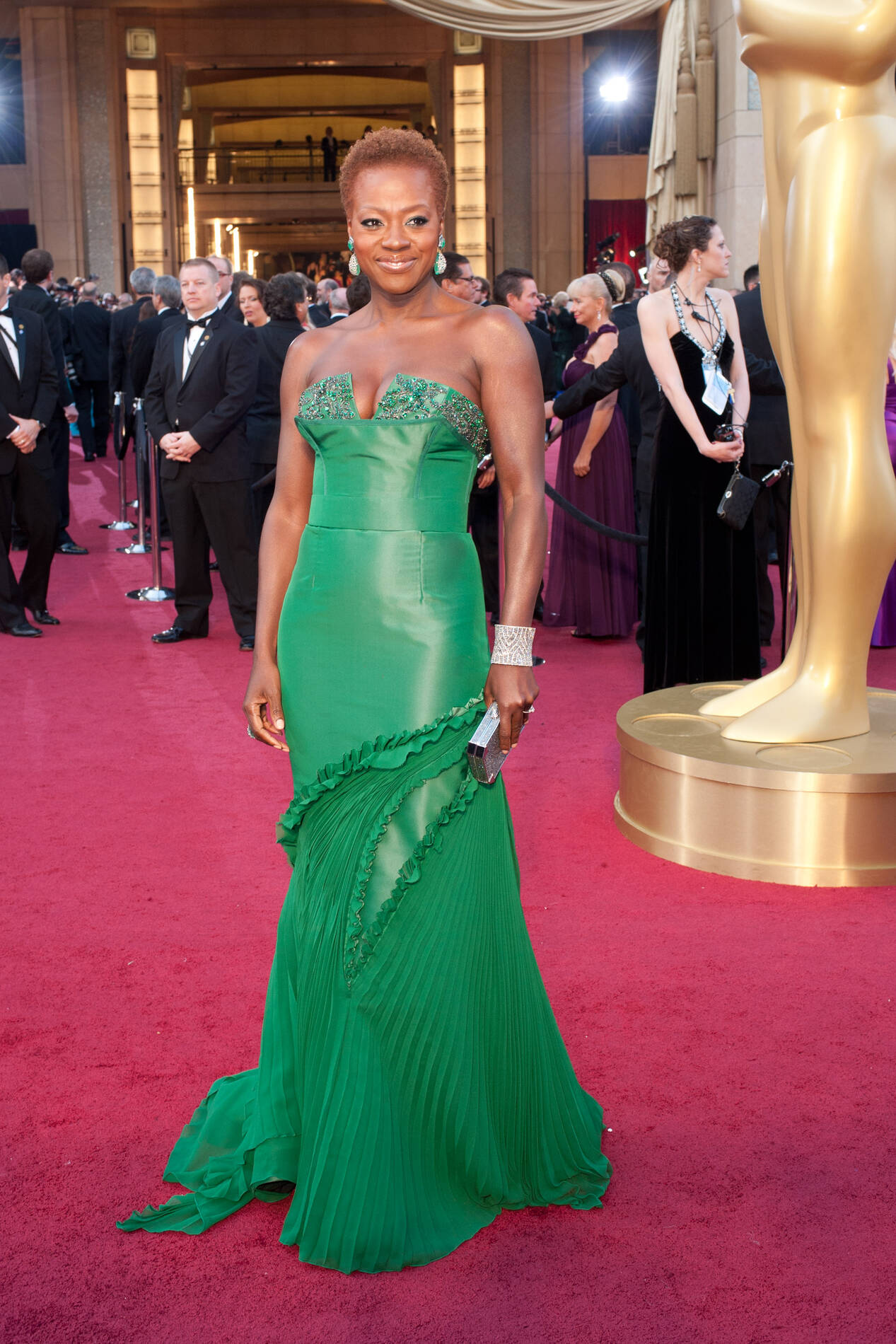
The 72nd Academy Awards, commonly known as the 2000 Oscars, took place on March 26, 2000, at the Shrine Auditorium in Los Angeles. Hosted by Billy Crystal, the ceremony celebrated films released in 1999, with DreamWorks' American Beauty dominating the evening, winning five awards, including Best Picture, Best Director, and Best Actor.
Historical Context and the Turn of the Millennium
The 72nd Academy Awards arrived at a unique juncture in cinematic history. As the world transitioned into the new millennium, the film industry was reflecting on a year widely considered one of the greatest in cinema history: 1999. The 2000 ceremony had the difficult task of honoring a diverse slate of films that ranged from subversive suburban dramas like American Beauty to groundbreaking science fiction like The Matrix and supernatural thrillers like The Sixth Sense.
The ceremony was held at the Shrine Auditorium for the last time before the Oscars moved to their permanent home at the Kodak Theatre (now the Dolby Theatre) in Hollywood. This move signaled the end of an era for the rotating venue system. Billy Crystal returned for his seventh stint as host, providing the familiar comfort of his musical medleys and "What the Stars are Thinking" segments, which helped ground an event that was otherwise marred by pre-show logistical crises and security concerns.
The 2000 Oscars also marked a period of transition in how films were campaigned. The "SOP" (Standard Operating Procedure) for Oscar campaigning was becoming increasingly aggressive, a trend largely attributed to the Miramax era. This led to intense competition between American Beauty and The Cider House Rules, the latter of which saw a massive promotional push from Harvey Weinstein’s camp. Despite the competition, the Academy ultimately favored the critical darling of the year, American Beauty.
The Dominance of American Beauty and Sam Mendes
The narrative of the night was undoubtedly the sweeping success of American Beauty. Directed by Sam Mendes, a newcomer to the film world who had previously established himself in British theater, the film resonated with the Academy’s voting body. It captured five major awards: Best Picture, Best Director (Mendes), Best Actor (Kevin Spacey), Best Original Screenplay (Alan Ball), and Best Cinematography (Conrad Hall).
Mendes’ win was particularly notable as he became one of the few directors to win the Oscar for his feature-film debut. The film’s exploration of suburban malaise, mid-life crises, and the search for beauty in the mundane struck a chord with late-90s audiences. While modern reappraisals of the film have been more mixed, particularly regarding its thematic handling of certain character dynamics, its dominance in 2000 reflected a specific cultural moment where Hollywood was willing to embrace darker, more cynical portraits of the American dream.
Kevin Spacey’s win for Best Actor over competitors like Russell Crowe (The Insider) and Denzel Washington (The Hurricane) solidified his status as a powerhouse of the era. This was Spacey’s second Oscar, having previously won Best Supporting Actor for The Usual Suspects in 1996. The film’s success showcased a rare alignment between critical acclaim, box office success, and Academy recognition.
Major Acting Winners and Breakthrough Performances
While American Beauty took the top honors, the acting categories featured several historic and career-defining moments. One of the most significant wins of the night was Hilary Swank’s Best Actress victory for her portrayal of Brandon Teena in Boys Don’t Cry. Swank, a relatively unknown actress at the time who had previously been fired from 90210, delivered a transformative performance that brought the struggles of the transgender community to a mainstream global audience. Her win beat out veteran Annette Bening, who was the frontrunner for American Beauty.
In the supporting categories, the Academy opted for a mix of legendary status and rising stardom:
- Michael Caine (Best Supporting Actor): Caine won his second Oscar for his role as Dr. Wilbur Larch in The Cider House Rules. His win was somewhat unexpected, as many predicted a posthumous win for the late Haley Joel Osment for The Sixth Sense or Tom Cruise for Magnolia. Caine’s gracious acceptance speech, where he praised his fellow nominees individually, remains one of the most memorable moments in the ceremony’s history.
- Angelina Jolie (Best Supporting Actress): Jolie won for her role as the charismatic and volatile Lisa Rowe in Girl, Interrupted. This win catapulted Jolie to A-list superstardom. Her eccentric red carpet appearance and her emotional, albeit controversial, acceptance speech where she expressed deep love for her brother, James Haven, became a major talking point of the evening.
Technical Innovation: The Matrix Sweeps the Crafts
While the dramatic films took the "Big Five" categories, the technical categories were dominated by a film that fundamentally changed action cinema: The Matrix. Directed by the Wachowskis, The Matrix won all four categories for which it was nominated: Best Film Editing, Best Sound, Best Sound Effects Editing, and Best Visual Effects.
The film's victory in the Visual Effects category was particularly significant, as it beat Star Wars: Episode I – The Phantom Menace. This was viewed by many as a changing of the guard, where the "Bullet Time" technology and the innovative blend of practical stunts with CGI outperformed the traditional VFX heavyweights. The success of The Matrix at the 2000 Oscars validated the genre of "intellectual action" and set a new standard for technical precision in filmmaking that would influence the next two decades of Hollywood blockbusters.
Logistics, Theft, and the Missing Statuettes
The lead-up to the 72nd Academy Awards was plagued by two major scandals that threatened the integrity of the ceremony. The first was the disappearance of 4,000 ballots in the mail, which forced the Academy to issue duplicate ballots and extend the voting deadline. This raised concerns about whether the final results would accurately reflect the will of the members.
The second, and more dramatic, incident involved the theft of 55 gold Oscar statuettes. The trophies were stolen from a loading dock in Bell, California, just weeks before the ceremony. The Academy was thrown into a panic, and R.S. Owens & Co., the manufacturer, had to rush to produce a new set of trophies.
In a bizarre turn of events, 52 of the stolen statuettes were found in a dumpster behind a grocery store by a man named Willie Fulgear. Fulgear was rewarded with $50,000 and two tickets to the ceremony. Host Billy Crystal famously joked about the incident during his opening monologue, thanking Fulgear for saving the night. These incidents added an air of unpredictability and tension to the 2000 Oscars that few other ceremonies have matched.
2000 Oscar Winners: Major Categories
The following table summarizes the winners in the primary categories of the 72nd Academy Awards.
| Category | Winner | Film |
|---|---|---|
| Best Picture | Bruce Cohen and Dan Jinks | American Beauty |
| Best Director | Sam Mendes | American Beauty |
| Best Actor | Kevin Spacey | American Beauty |
| Best Actress | Hilary Swank | Boys Don't Cry |
| Best Supporting Actor | Michael Caine | The Cider House Rules |
| Best Supporting Actress | Angelina Jolie | Girl, Interrupted |
| Best Original Screenplay | Alan Ball | American Beauty |
| Best Adapted Screenplay | John Irving | The Cider House Rules |
| Best Foreign Language Film | Pedro Almodóvar | All About My Mother (Spain) |
| Best Animated Short Film | Aleksandr Petrov | The Old Man and the Sea |
| Best Original Score | John Corigliano | The Red Violin |
| Best Visual Effects | John Gaeta, Janek Sirrs, Steve Courtley, and Jon Thum | The Matrix |
The Legacy of the 72nd Academy Awards
As of 2026, the 2000 Oscars are remembered as the end of the "90s style" of filmmaking and the beginning of a more global, technologically driven era. The ceremony highlighted the tension between traditional prestige dramas and the rising tide of high-concept genre films. It was also one of the last years where a single film—American Beauty—could dominate the cultural conversation so thoroughly before the fragmentation of media and the rise of streaming services.
Furthermore, the 2000 Oscars established several actors and directors who would remain pillars of the industry for decades. Sam Mendes transitioned from this win into a storied career that included James Bond films like Skyfall, while Hilary Swank went on to win another Best Actress Oscar just five years later for Million Dollar Baby. The technical sweep by The Matrix remains a benchmark for how the Academy rewards innovation in craft.
Frequently Asked Questions
Who hosted the 2000 Oscars?
The 72nd Academy Awards were hosted by comedian and actor Billy Crystal. This was his seventh time hosting the event. Crystal was widely praised for his ability to handle the "missing Oscar" scandal with humor and for his signature opening musical number that parodied the Best Picture nominees.
What film won the most Oscars in 2000?
American Beauty won the most awards of the night, taking home five Oscars: Best Picture, Best Director, Best Actor, Best Original Screenplay, and Best Cinematography. The Matrix followed closely with four awards, sweeping all the technical categories in which it was nominated.
Did The Sixth Sense win any Oscars?
Despite being a massive cultural phenomenon and receiving six nominations—including Best Picture, Best Director for M. Night Shyamalan, and Best Supporting Actor for Haley Joel Osment—The Sixth Sense did not win any Academy Awards. Its lack of wins is often cited as one of the major "snubs" of the 2000 ceremony.
What was the controversy with the South Park creators at the 2000 Oscars?
Trey Parker and Matt Stone, the creators of South Park, attended the ceremony because their song "Blame Canada" from South Park: Bigger, Longer & Uncut was nominated for Best Original Song. In a move that became legendary, the duo arrived on the red carpet wearing dresses—specifically, replicas of the famous green Versace dress worn by Jennifer Lopez and the pink dress worn by Gwyneth Paltrow at previous ceremonies. They later admitted they were under the influence of LSD at the time.
Why was Hilary Swank’s win for Boys Don't Cry significant?
Hilary Swank’s win was significant because it brought mainstream recognition to a low-budget independent film about a transgender man. At the time, such stories were rarely told in Hollywood. Her performance is still regarded as one of the most physically and emotionally demanding transformations in the history of the Best Actress category.
Recommendation for Film Researchers
For those looking to understand the evolution of the Academy Awards, the 2000 ceremony serves as an essential case study in transition. Researchers should look beyond the winners and examine the "Year of 1999" as a whole. Many films that were either snubbed or only won minor awards that year—such as Fight Club, Magnolia, and Being John Malkovich—have had a more lasting cultural impact than some of the winners.
To gain a full perspective, it is recommended to view the official Academy Archives or the "Behind the Oscar" retrospectives available through the Academy's digital library. These resources provide insight into the voting demographics of the time and the specific marketing strategies that led to the dominance of DreamWorks and Miramax during this era of Hollywood history.