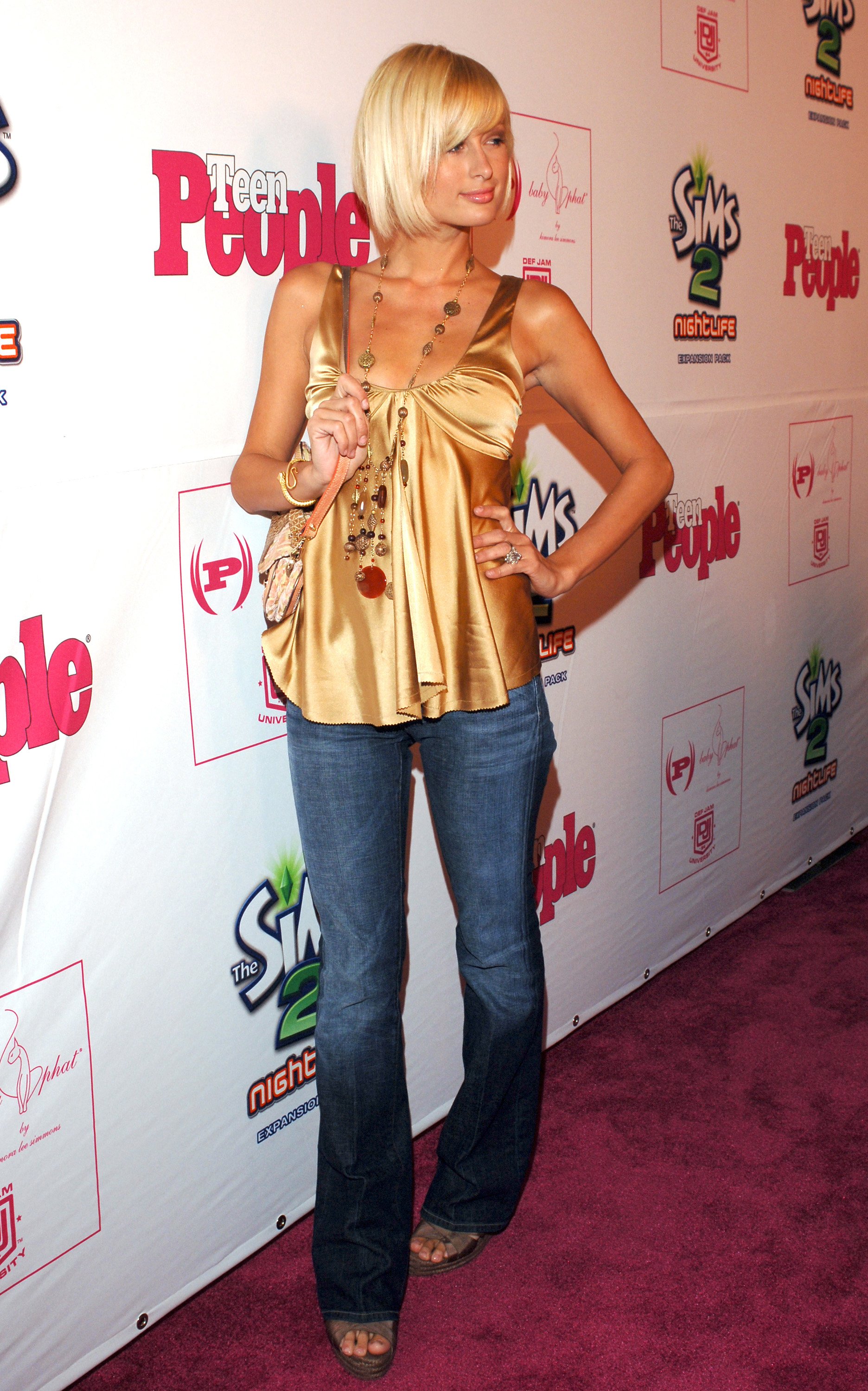
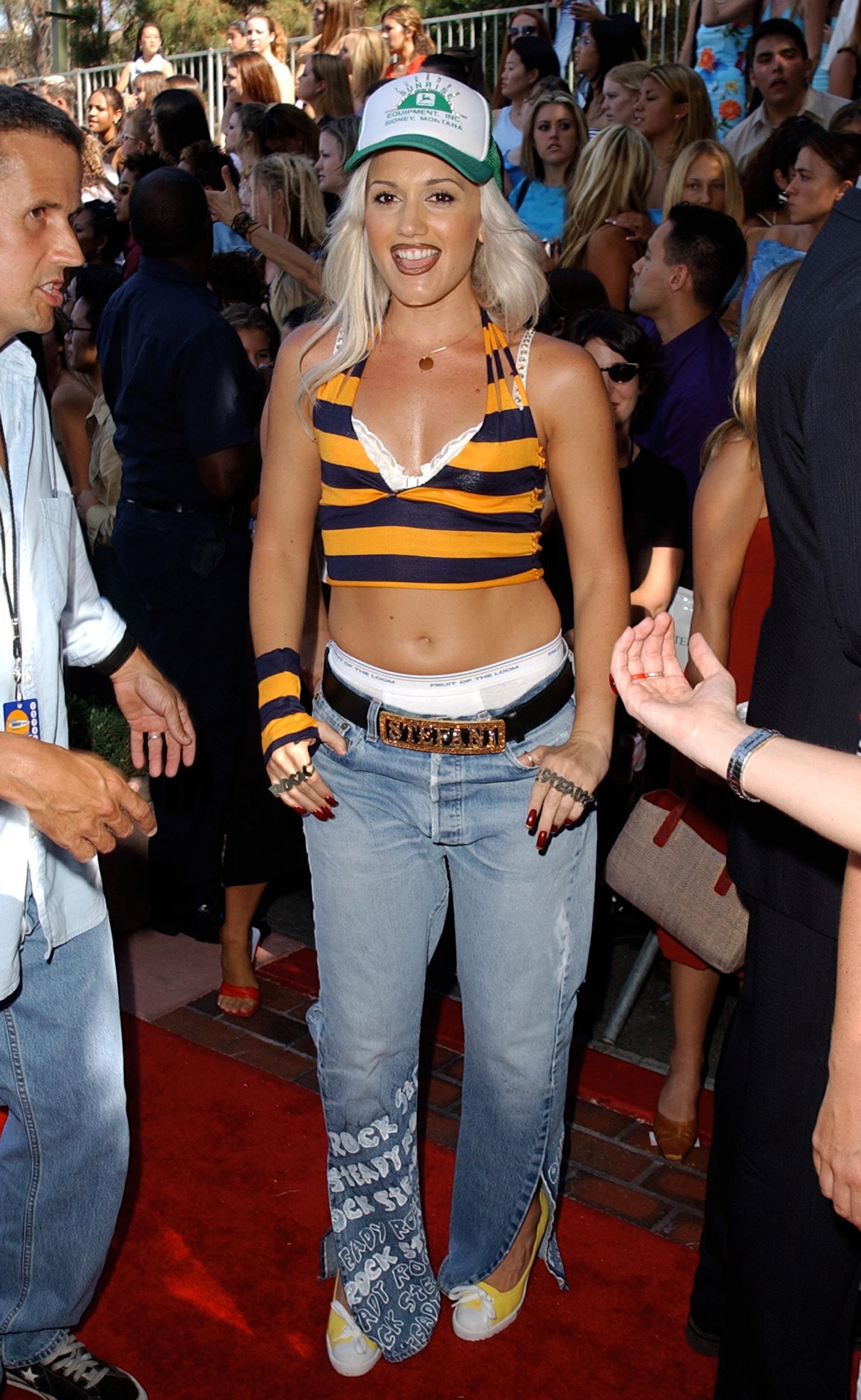
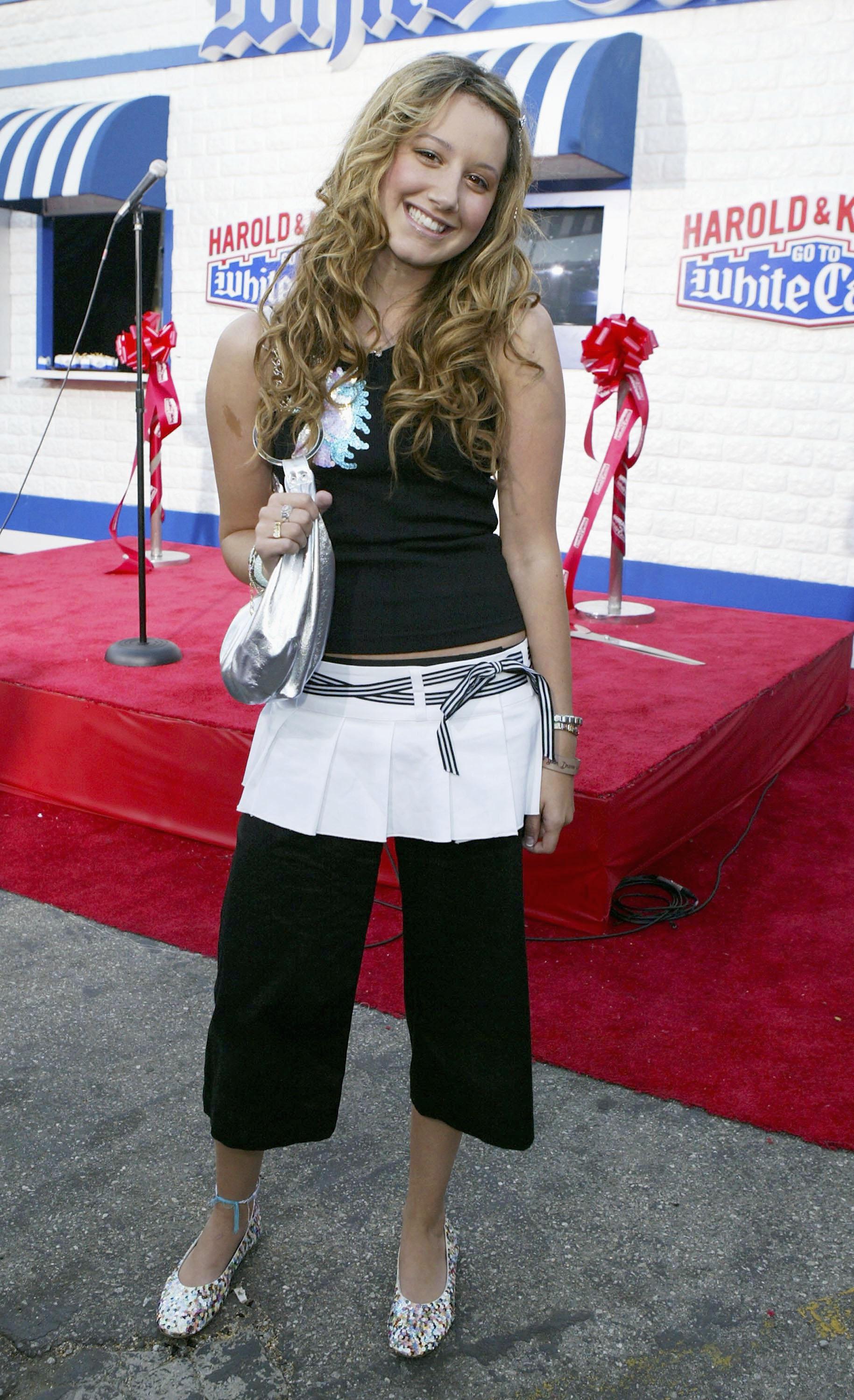
2000 fashion, commonly known as Y2K style, is defined by a distinct fusion of futuristic tech-optimism and playful streetwear. Key hallmarks include low-rise denim, velour tracksuits, metallic "space-age" fabrics, and cropped "baby tees." Heavily influenced by pop culture icons and the early digital revolution, the era prioritized bold silhouettes and kitschy, expressive accessories.
The Cultural Drivers of Early 2000s Aesthetics
To understand the fashion of 2000, one must look at the unique cultural climate of the turn of the millennium. The period was characterized by a profound sense of "tech-optimism." As the world moved past the Y2K bug fears, society embraced the digital future with enthusiasm. This was reflected in clothing through shiny, iridescent fabrics and sleek, streamlined designs that mimicked the look of new hardware, such as the translucent colors of the iMac G3 released in the late 1990s.
Pop culture was the primary engine for trend dissemination. In 2000, MTV's Total Request Live (TRL) was at its peak, and music videos by artists like Britney Spears, Destiny’s Child, and *NSYNC served as visual blueprints for what was considered "cool." Unlike previous decades where trends might take years to filter from runways to the public, the burgeoning internet and 24-hour entertainment cycle accelerated the adoption of specific looks.
Furthermore, the rise of the "paparazzi culture" began to shift the focus from what celebrities wore on the red carpet to what they wore while running errands. This "off-duty" look birthed the luxury leisure trend, most notably the rise of the velour tracksuit. Fashion became less about traditional elegance and more about a high-low mix of designer labels and street-inspired kitsch.
Defining Silhouettes: The Era of Low-Rise and Cropped Cuts
The most recognizable silhouette of 2000 was undoubtedly the combination of low-rise bottoms and cropped tops. This era saw the waistline of trousers and skirts drop to unprecedented levels, often resting several inches below the hip bone. Alexander McQueen is often credited with pioneering this look with his "bumster" trousers in the mid-90s, but by the year 2000, the trend had reached the mass market through brands like Miss Sixty and Diesel.
Women’s Style Markers
For women, the "baby tee" was a staple. These were tight-fitting, cropped t-shirts that often featured graphic prints, glitter, or ironic slogans. When paired with wide-leg "raver" pants or ultra-low-rise flare jeans, it created a balanced silhouette that emphasized the midriff. Another essential item was the mini-skirt, often rendered in denim or pleated khaki, frequently paired with UGG boots—a trend that defied seasonal logic.
Men’s Style Markers
Men’s fashion in 2000 moved away from the grunge aesthetic of the 90s toward a cleaner, albeit baggier, look. Cargo pants with excessive straps and pockets (often called "paratrooper pants") were ubiquitous. Denim was also central to the male wardrobe, though the wash was typically darker or heavily distressed. The influence of hip-hop was massive, leading to the popularity of oversized jerseys, velour sweatpants, and tall tees. Layering was also common, such as wearing a short-sleeved graphic tee over a long-sleeved thermal shirt.
Essential Fabrics and Materials of the Y2K Era
The materials used in 2000 fashion were just as important as the cuts. There was a fascination with synthetic materials that felt "modern" or "industrial."
- Velour: This soft, plush fabric became the hallmark of the Juicy Couture era. It offered a sense of "approachable luxury" and was favored for its comfort and vibrant dyeability.
- Metallic and Iridescent Synthetics: Inspired by the "space age" and the movie The Matrix (1999), leather, PVC, and nylon were often treated with a high-shine finish. Silver was the dominant metallic, symbolizing the sleekness of new technology.
- Denim-on-Denim: The year 2000 saw the height of the "Canadian Tuxedo." Denim wasn't just for pants; it was used for hats, bags, boots, and even dresses. The famous 2001 American Music Awards appearance by Britney Spears and Justin Timberlake in matching denim outfits remains the most cited example of this material obsession.
- Sheer Fabrics: Mesh tops and organza overlays were frequently used for layering, adding a "cyber" feel to even basic outfits.
Iconic Brands and the Celebrity Influence
In 2000, brand logos were not just identifiers; they were status symbols. Logomania was in full swing, and having a recognizable brand name across one's chest or backside was a key fashion goal.
| Category | Key Brands of the Era | Primary Characteristics |
|---|---|---|
| Luxury Streetwear | Baby Phat, Rocawear, Von Dutch | Bold logos, trucker hats, and hip-hop aesthetics. |
| Casual/Mall Brands | Abercrombie & Fitch, Gap, Hollister | Preppy aesthetics, low-rise flares, and heavy branding. |
| High Fashion | Dior (Galliano era), Gucci (Tom Ford era) | Slinky silhouettes, "Logomania," and provocative marketing. |
| Footwear | Sketchers, Steve Madden, UGG | Platform sneakers, chunky slides, and sheepskin boots. |
| Activewear | Juicy Couture, Adidas | Velour tracksuits and side-stripe "popper" pants. |
Celebrities acted as the ultimate brand ambassadors. Paris Hilton and Nicole Richie helped turn Von Dutch and Juicy Couture into global powerhouses. Meanwhile, the aesthetic of the "Pop Princess" (epitomized by Christina Aguilera and Britney Spears) blended girl-next-door charm with provocative, midriff-baring stage costumes that influenced an entire generation of teenagers.
Accessories: The Finishing Touches of 2000
Accessories in 2000 were rarely subtle. They were used to add a sense of playfulness and "clutter" to an outfit, often leaning into a DIY or hyper-feminine aesthetic.
The Baguette Bag: popularized by Fendi and seen frequently on Sex and the City, this small, under-the-arm handbag became the "it-bag" of the decade. It signaled a move away from large, utilitarian totes toward something more decorative.
Hair Accessories: Butterfly clips, scrunchies, and "zigzag" headbands were essential for creating the intricate, often multi-bun hairstyles of the time. Hair was frequently treated with glitter or crimped to add texture.
Trucker Hats: Transitioning from blue-collar workwear to high-fashion kitsch, trucker hats (specifically those by Von Dutch) became a mandatory accessory for both men and women. They were often worn perched high on the head rather than pulled down.
Tech-as-Accessory: The first generation of mobile phones and portable CD players were often integrated into the look. Phone charms and decorative cases began to emerge, marking the start of personal technology as a lifestyle statement.
Recreating the 2000 Aesthetic in 2026
As of 2026, the "Y2K Revival" has matured from a niche internet trend into a staple of the vintage market. To recreate this look authentically today, one must focus on the "proportions" rather than just the items. Modern interpretations often mix genuine vintage pieces from the early 2000s with contemporary sustainable fabrics.
When styling Y2K today, consider the "Rule of One." If you are wearing ultra-baggy cargo pants, pair them with a structured, modern bodice or a minimalist baby tee. This prevents the outfit from looking like a costume and instead makes it a curated fashion statement. High-quality materials are also a key differentiator; while the original 2000s clothes were often made of fast-fashion synthetics, the 2026 approach favors recycled nylon and organic cotton while maintaining the iconic high-shine or velour textures.
Resale platforms have become the primary source for authentic 2000s garments. Collectors specifically look for "Made in the USA" Juicy Couture tags or early 2000s Dior saddle bags, which have seen a significant appreciation in value over the last two decades.
How to Authenticate Vintage 2000s Pieces
- Check the Labels: Look for brands that are now defunct or have changed their logos significantly (e.g., early 2000s Bebe or XOXO).
- Fabric Composition: Authentic pieces often use heavy polyester or thick, non-stretch denim, which differs from the stretch-heavy denim common in the 2010s.
- Hardware: Look for chunky, silver-toned zippers and oversized grommets, which were standard for the "industrial" side of Y2K fashion.
Common Style Mistakes to Avoid
- Over-matching: While the 2000s loved a set, wearing a matching velour tracksuit, matching shoes, and a matching bag can look dated rather than retro-chic.
- Poor Fit: The low-rise look requires specific tailoring to avoid discomfort. Modern "mid-rise" interpretations are often more practical for daily wear while still capturing the aesthetic.
- Ignoring the Context: Y2K fashion was inherently fun and a bit chaotic. If an outfit feels too serious or "perfect," it likely misses the spirit of the era.
Frequently Asked Questions
What is the difference between Y2K and McBling fashion?
Y2K fashion (roughly 1998–2002) is characterized by tech-optimism, silver/metallic colors, and a futuristic "cyber" vibe. McBling (roughly 2003–2008) is a subset that followed, focusing more on overt displays of wealth, pink aesthetics, rhinestones (bling), and the peak popularity of the Juicy Couture tracksuit. While they overlap, Y2K is more "Matrix," while McBling is more "Mean Girls."
Why are low-rise jeans so controversial?
Low-rise jeans are often associated with the "thin-ideal" body standards of the early 2000s, which many found exclusionary. However, in the 2020s and into 2026, the trend has been reclaimed by a more diverse range of body types, utilizing better tailoring and styling techniques to make the silhouette more accessible and comfortable.
Were trucker hats actually considered high fashion in 2000?
Yes, primarily due to "ironic" fashion movements and celebrity endorsement. Designers like Christian Dior and Von Dutch brought the trucker hat to the runway and high-end boutiques, making it a staple of the "paparazzi-ready" look of the era.
What shoes were most popular in 2000?
The footwear of 2000 was dominated by chunkiness. Platform sneakers (like Buffalo shoes or Skechers Energy), Steve Madden "Slinky" slides, and UGG boots were the primary choices. For more formal occasions, "pointed-toe" kitten heels were the standard.
How did the Y2K bug influence fashion?
The Y2K bug—the fear that computers would crash at the turn of the millennium—created a cultural obsession with technology. This led to a "survivalist" aesthetic (cargo pants, tactical vests) blended with a "digital" aesthetic (metallics, circuit-board patterns, and sleek black leather).
Selecting the Right Pieces for Your Wardrobe
When building a 2000-inspired wardrobe, prioritize versatility. A pair of well-fitting flare jeans and a few high-quality baby tees can serve as the foundation for dozens of looks. If you are looking to invest in a "hero" piece, a vintage designer handbag (like the Fendi Baguette or the Dior Saddle) or a genuine leather blazer are excellent choices, as these items have proven to hold their cultural and financial value through 2026.
Focus on accessories to tip a modern outfit into the Y2K realm. Small touches like tinted sunglasses (specifically in blue, pink, or yellow) and a "chunky" belt can transform a basic outfit without requiring a full wardrobe overhaul. Remember that the essence of 2000 fashion is experimentation; it was a time of transition and excitement for the future, and your style should reflect that same sense of playfulness.