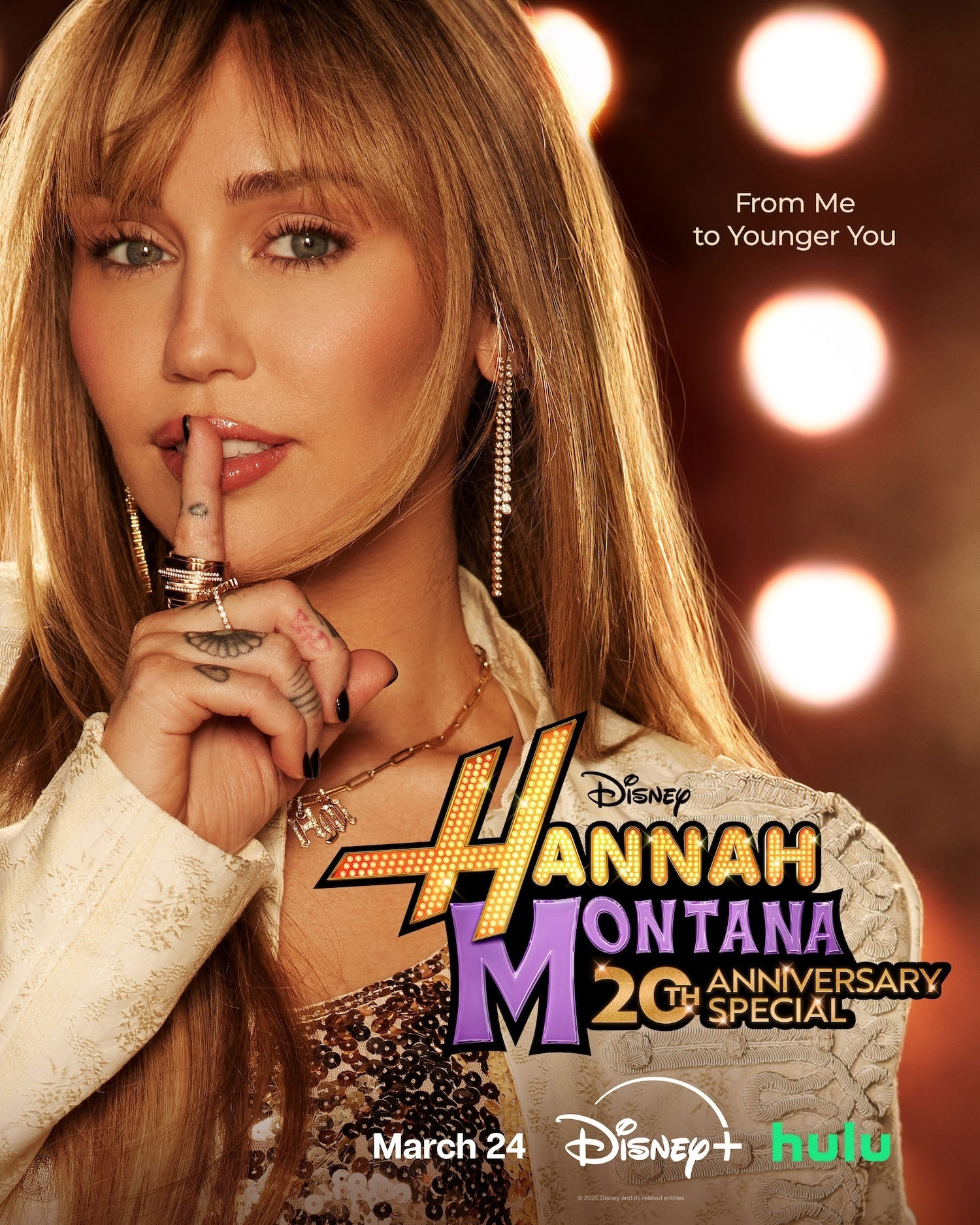
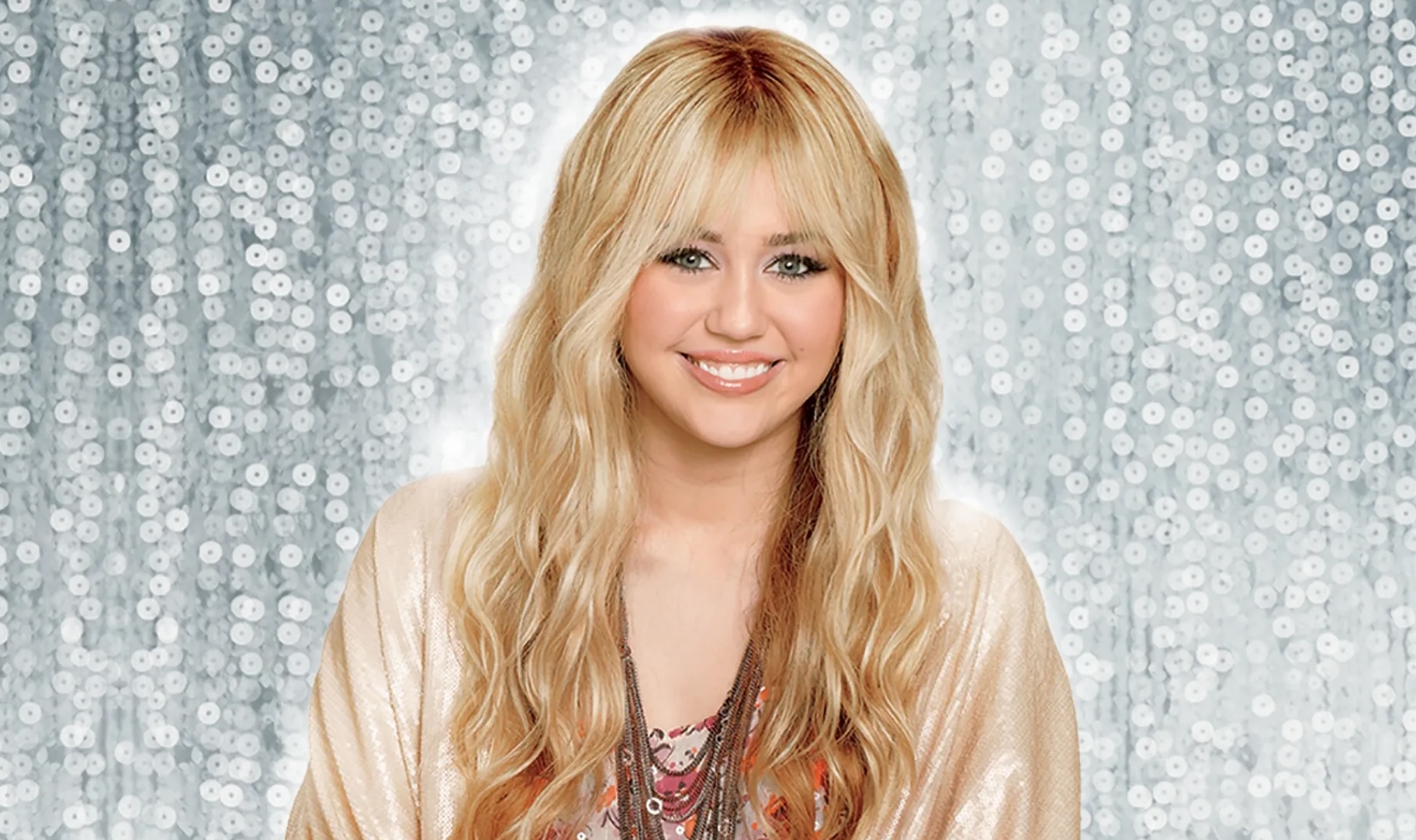
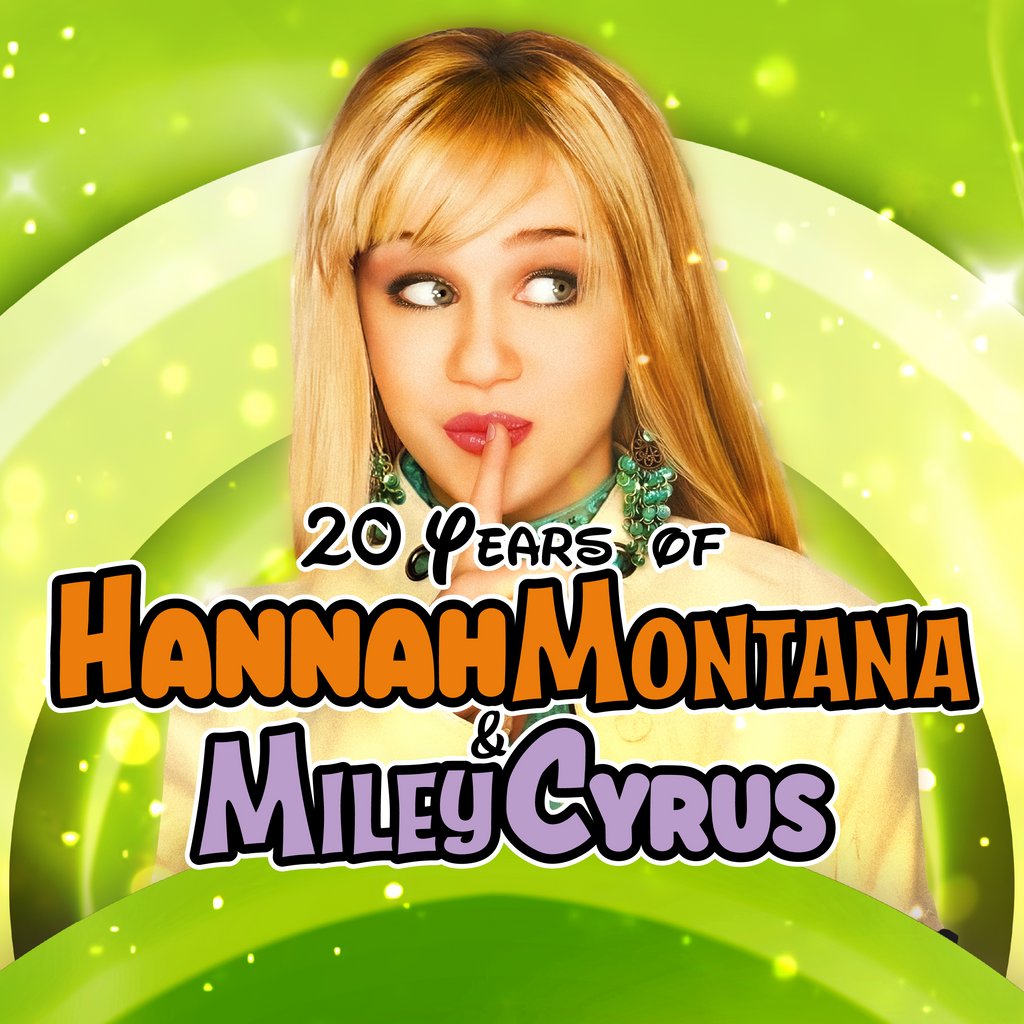
Two decades after its 2006 premiere, Hannah Montana remains a definitive pillar of pop culture, having transformed Miley Cyrus into a global superstar and redefined the "teen idol" blueprint. By blending music, sitcom humor, and the "secret identity" trope, the series created a billion-dollar franchise that continues to resonate through streaming and nostalgia.
The Premiere That Changed Disney Channel Forever
On March 24, 2006, Disney Channel debuted a show that would fundamentally alter the trajectory of children's entertainment. Hannah Montana followed Miley Stewart, a typical teenager who moved from Tennessee to Malibu, living a double life as a world-famous pop star. The premiere attracted 5.4 million viewers, a record-breaking figure at the time that signaled the birth of a phenomenon.
The brilliance of the show's inception lay in its casting. While the role of Miley Stewart was originally conceived for other actors, the production team eventually chose Miley Cyrus, the daughter of country music star Billy Ray Cyrus. This decision allowed for an authentic father-daughter dynamic on screen, as Billy Ray portrayed Robby Ray Stewart, Miley’s father and manager. This grounded the high-concept premise in a relatable family unit, providing an emotional anchor for the zany sitcom antics that defined the early seasons.
By 2026, looking back at these early episodes, the show serves as a time capsule for mid-2000s fashion, technology, and social dynamics. Yet, the core theme—the struggle to balance a public persona with a private life—remains more relevant than ever in the age of social media influencers and digital branding.
Anatomy of a Phenomenon: The Double-Life Narrative
The "secret identity" trope was not new to television, but Hannah Montana executed it with a specific focus on the burgeoning celebrity culture of the 2000s. The show explored the "Best of Both Worlds"—the title of its iconic theme song—by contrasting the glamour of stadium tours with the mundane challenges of high school, such as getting a driver's license or dealing with unrequited crushes.
Miley Stewart’s wig became more than a prop; it was a symbol of the boundary between the person and the product. The show’s writers utilized this duality to create comedic tension, often involving Miley’s best friends, Lilly Truscott (Emily Osment) and Oliver Oken (Mitchel Musso), who were the only ones outside the family in on the secret initially. This "inner circle" dynamic created a sense of intimacy with the audience, making viewers feel like they were part of the secret.
Technically, the show adhered to the multi-camera sitcom format, utilizing a live studio audience to punctuate the physical comedy and catchphrases. This format, while traditional, was elevated by high-production music videos and concert sequences that integrated Disney’s music division directly into the television narrative.
The "Best of Both Worlds" Business Model
Disney’s strategy with Hannah Montana was a masterclass in 360-degree branding. Every aspect of the show was designed to support a wider ecosystem of products, including soundtracks, concert tours, clothing lines, and feature films. The synergy between Disney Channel, Hollywood Records, and Disney’s consumer products division turned a television show into a lifestyle brand.
| Milestone | Year | Significance |
|---|---|---|
| Series Premiere | 2006 | Launched with record-breaking cable ratings. |
| First Soundtrack | 2006 | Debuted at #1 on the Billboard 200. |
| Best of Both Worlds Tour | 2007-08 | Sold-out arena tour featuring the Jonas Brothers. |
| The Movie | 2009 | Grossed over $155 million worldwide. |
| Series Finale | 2011 | Concluded the four-season arc with Miley revealing her identity. |
| 20th Anniversary | 2026 | Sustained relevance through Disney+ and digital legacy. |
The "Best of Both Worlds" Tour (2007) was a pivotal moment in this business model. It was a dual-headline event where Miley Cyrus performed as both Hannah Montana and herself. This served two purposes: it satisfied fans of the character while simultaneously introducing Miley Cyrus as a standalone musical artist, easing the eventual transition away from the Disney brand.
The Supporting Cast: More Than Just Sidekicks
While Miley Cyrus was the undisputed star, the longevity of Hannah Montana was bolstered by a strong supporting ensemble. Each character filled a specific comedic and emotional niche:
- Lilly Truscott (Emily Osment): As the fiercely loyal best friend, Lilly provided the "everyman" perspective. Her alter ego, Lola Luftnagle, allowed for a secondary comedic dynamic that mirrored Miley's double life.
- Oliver Oken (Mitchel Musso): Initially the comic relief and "smitten" friend, Oliver's character evolved into a grounding force, eventually pursuing his own musical aspirations.
- Jackson Stewart (Jason Earles): Miley's older brother provided the slapstick humor essential for the younger demographic. His subplots, often involving his job at Rico’s Surf Shop, offered a counter-narrative to the high-stakes pop star world.
- Rico Suave (Moises Arias): The pint-sized antagonist added a layer of surrealist humor to the show, representing the "precocious child" trope taken to a villainous extreme.
The chemistry between these actors allowed the show to survive the transition from a "tween" comedy to a more mature teen drama in its final season, Hannah Montana Forever.
From Wig to Wildcard: Miley Cyrus’s Evolution
The 20-year retrospective of Hannah Montana is inextricably linked to the real-life career of Miley Cyrus. Unlike many child stars who struggle to find their footing after a career-defining role, Cyrus utilized the platform as a launching pad for a highly successful and eclectic music career.
The transition began within the show itself. As the seasons progressed, the music shifted from bubblegum pop to more rock-influenced sounds. The 2009 film, Hannah Montana: The Movie, acted as a bridge, bringing Miley back to her Tennessee roots and introducing the hit "The Climb," which signaled a shift toward more serious, ballad-heavy vocal performances.
Post-Disney, Cyrus's career was marked by a deliberate dismantling of the "Hannah" persona, most notably during the Bangerz era. However, in the years leading up to 2026, she has embraced the legacy of the show. Her ability to acknowledge the character's impact while maintaining her own artistic identity has provided a roadmap for current Disney stars, such as Olivia Rodrigo, on how to navigate the transition from television star to global recording artist.
Cultural Impact and the "Nostalgia Economy" in 2026
In 2026, Hannah Montana enjoys a second life through the "nostalgia economy." Gen Z, who grew up with the show, now dictates many of the trends in streaming and social media. The show’s presence on Disney+ has allowed for continuous re-watching, while viral clips on platforms like TikTok keep the humor relevant for younger Gen Alpha viewers.
The show's influence on the "teen girl" aesthetic cannot be overstated. From the layered clothing and sequins of the 2000s to the concept of the "secret life," the show's DNA is visible in contemporary media. Furthermore, Hannah Montana was one of the first shows to successfully integrate a meta-narrative about fame, predicting the current era where almost everyone manages a public-facing digital identity.
The legacy of the show is also found in its music. Tracks like "Nobody's Perfect" and "He Could Be The One" are not merely nostalgic relics but are recognized for their solid pop craftsmanship. The soundtracks continue to garner millions of streams, proving that the songs have a shelf life far beyond the original broadcast dates.
FAQ
Where can I watch all seasons of Hannah Montana in 2026?
All four seasons of Hannah Montana, along with Hannah Montana: The Movie and the Best of Both Worlds concert film, are available for streaming on Disney+. The platform remains the primary hub for the entire franchise library, including special features and "behind the scenes" documentaries produced during the show's original run.
Why was the show called Hannah Montana Forever in the final season?
The fourth and final season was rebranded as Hannah Montana Forever to signify the conclusion of the series and the permanent resolution of Miley Stewart’s double life. This season focused heavily on the character's transition to adulthood and her ultimate decision to reveal her secret identity to the world, allowing her to attend college as herself.
Did Miley Cyrus write the songs for the show?
While Miley Cyrus performed all the songs, the majority of the Hannah Montana discography was written by a team of professional songwriters, including Matthew Gerrard and Robbie Nevil. However, as Cyrus matured, she began to take a more active role in the creative process, eventually contributing to the songwriting on her later albums and the movie soundtrack.
How many episodes of Hannah Montana were produced?
A total of 98 episodes were produced over four seasons. The series began in March 2006 and concluded in January 2011. Despite its relatively short five-year run, the high frequency of reruns and the massive volume of tie-in media gave the impression of a much longer-running series.
What happened to the blond wig used in the show?
Several wigs were used throughout the production to maintain the character's signature look. In various interviews, Miley Cyrus has mentioned that she kept one as a memento, while others have been featured in museum exhibits, including the Grammy Museum and the Rock & Roll Hall of Fame, as artifacts of 21st-century pop culture history.
Preserving the Legacy of a Disney Classic
To truly celebrate 20 years of Hannah Montana, viewers should look beyond the surface-level glitter and recognize the show's role in pioneering the modern multi-platform entertainment model. Whether you are a long-time fan revisiting the Stewart family’s Malibu home or a new viewer discovering the "Best of Both Worlds" for the first time, the series remains a masterclass in relatable storytelling and pop brilliance.
For those looking to engage with the legacy today, exploring the original soundtracks on high-fidelity streaming services offers a fresh appreciation for the production quality of the music. Additionally, observing the career trajectories of the cast members provides a fascinating look at how the "Disney machine" functioned as an elite training ground for the entertainment industry’s most resilient stars.