A 20 oz cup holds exactly 20 fluid ounces, which is approximately 591 milliliters (ml). It serves as a versatile, mid-to-large capacity vessel used extensively in coffee shops, fitness centers, and households. This specific size is widely favored because it balances high volume with portability, fitting most standard automotive cup holders.
As of 2026, the 20 oz cup has solidified its position as the "Goldilocks" of the beverage industry. It is large enough to sustain a commute or a workout without being so bulky that it becomes cumbersome. Whether you are looking at disposable paper versions for a quick caffeine fix or high-performance vacuum-insulated stainless steel tumblers, understanding the specifications and utility of this volume is essential for making an informed purchase.
Understanding the 20 oz Volume: Standardized Measurements and Conversions
To truly understand the capacity of a 20 oz cup, one must look at the mathematical breakdown of fluid measurements. In the United States, the fluid ounce is the primary unit of volume for liquid labeling. One US fluid ounce is roughly 29.57 milliliters. Therefore, a 20 oz cup provides a total capacity of 591.47 ml.
In a culinary context, 20 ounces is equivalent to 2.5 standard measuring cups (where one cup is 8 oz). For those tracking their daily hydration in 2026, drinking four of these cups per day nearly satisfies the general "8x8" rule (64 oz), though many health experts now suggest higher intake levels depending on activity.
The 20 oz size is particularly significant in the "to-go" beverage industry. While a 12 oz cup is considered a "Small" or "Tall" and a 16 oz cup is a "Medium" or "Grande," the 20 oz cup is almost universally recognized as the "Large" or "Venti" (specifically for hot drinks in certain chains). This volume provides enough space for a generous serving of liquid plus room for ice, milk, or foam without the risk of immediate overflow.
Material Science: Choosing the Right 20 oz Cup for Your Needs
The performance of a 20 oz cup depends heavily on its construction. By 2026, material science has advanced to offer high-efficiency insulation and sustainable alternatives to traditional plastics.
Stainless Steel (Vacuum Insulated)
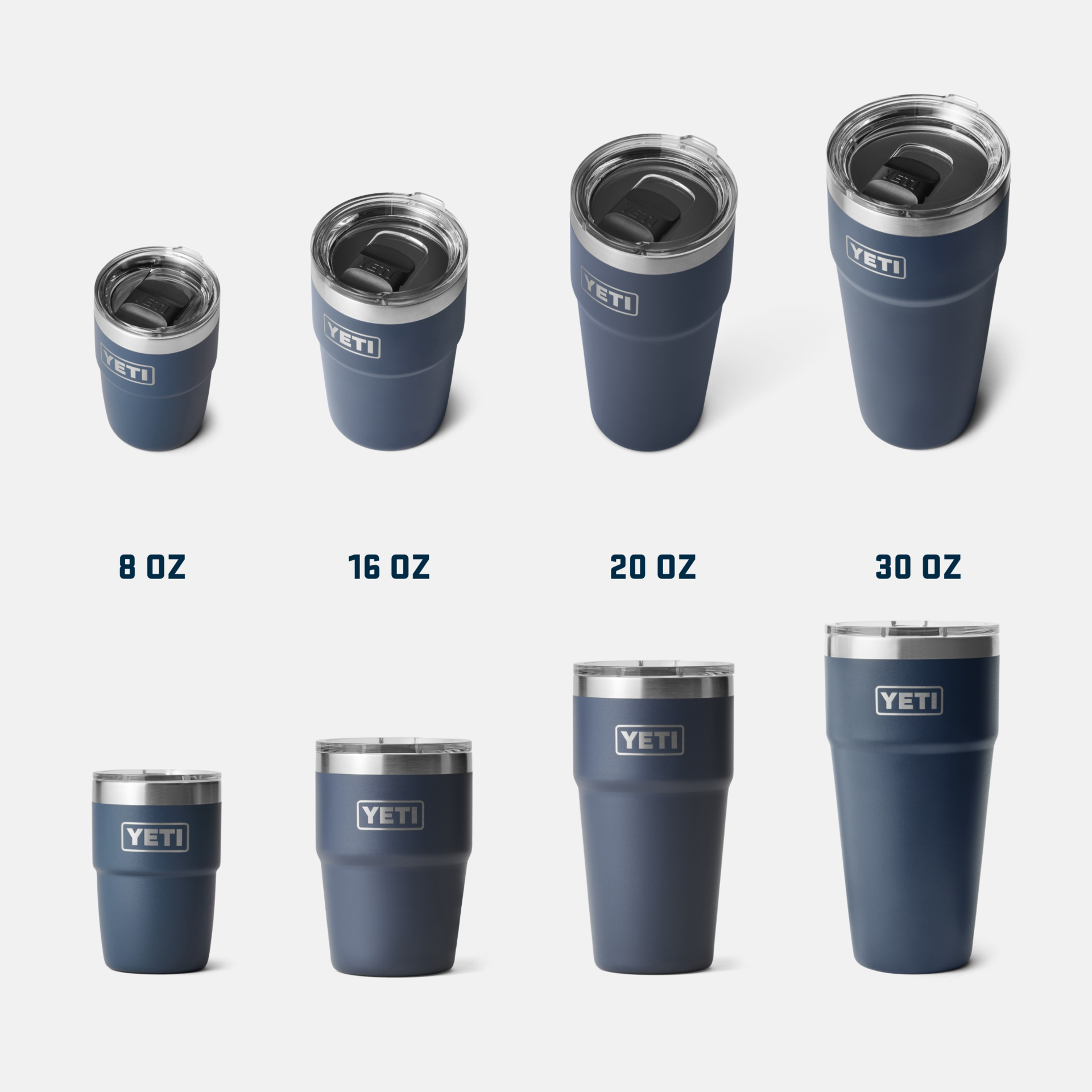
The most popular premium option is the double-wall, vacuum-insulated stainless steel tumbler. These cups use two layers of food-grade 18/8 stainless steel with a vacuum seal in between. Because a vacuum contains no atoms to vibrate, it effectively halts heat transfer by conduction and convection. In 2026, top-tier 20 oz stainless steel cups can keep beverages ice-cold for up to 24 hours or piping hot for 6 to 12 hours.
BPA-Free Plastics and Tritan
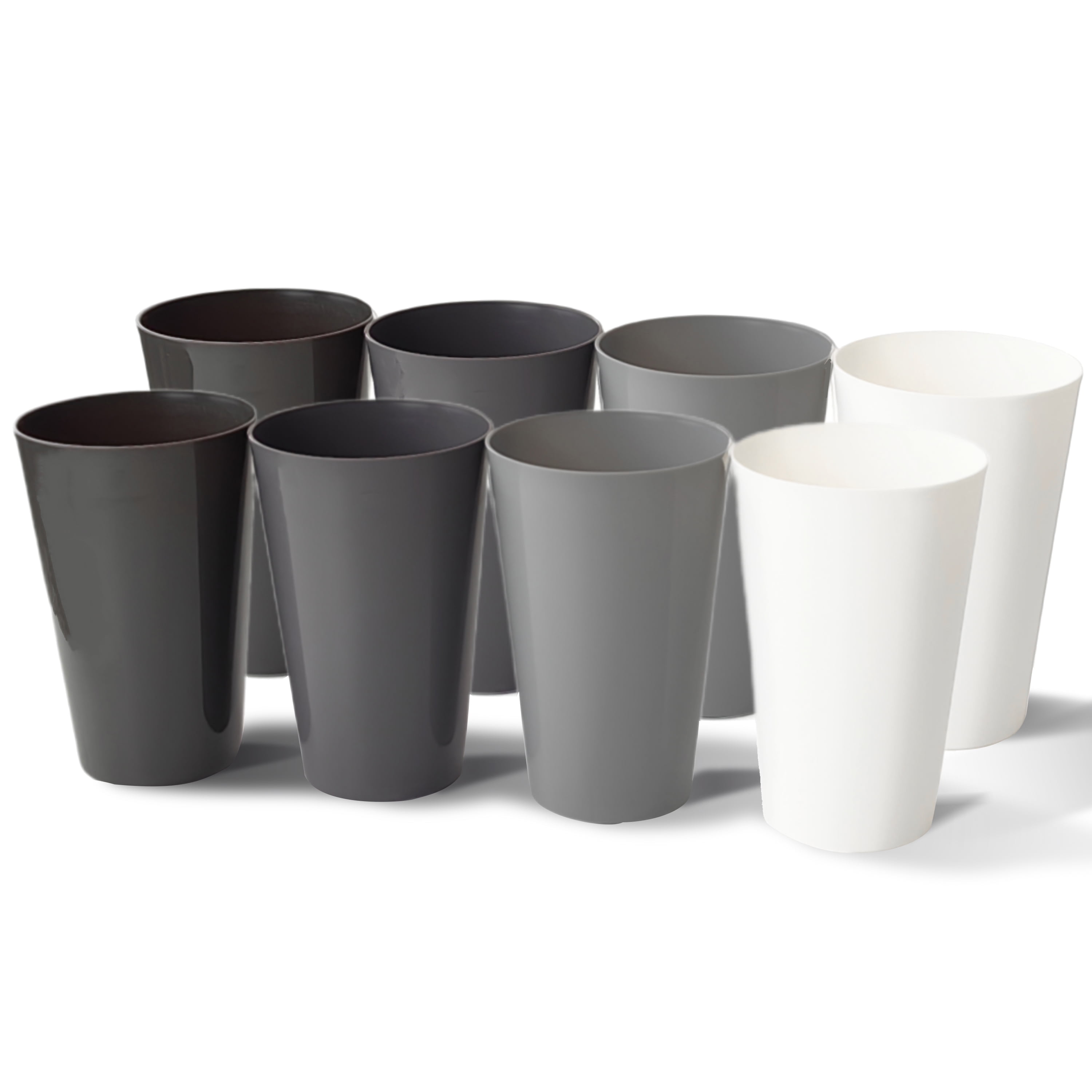
For those prioritizing weight and visibility, high-impact plastics like Tritan remain a staple. These are popular for gym use because they are shatter-resistant and lightweight. However, even in 2026, plastic lacks the thermal retention properties of metal. Its primary advantage is affordability and the ability to see the contents, which is useful for measuring supplement mixes or fruit-infused waters.
Ceramic and Glass
Ceramic 20 oz mugs are the standard for home and office environments. Ceramic is chemically inert, meaning it won’t leach metallic flavors into your coffee or tea. Glass offers the same flavor purity and is often used in "barista-standard" reusable cups, often protected by a silicone sleeve to prevent breakage and protect the user's hand from heat.
Disposable Paper and Compostables
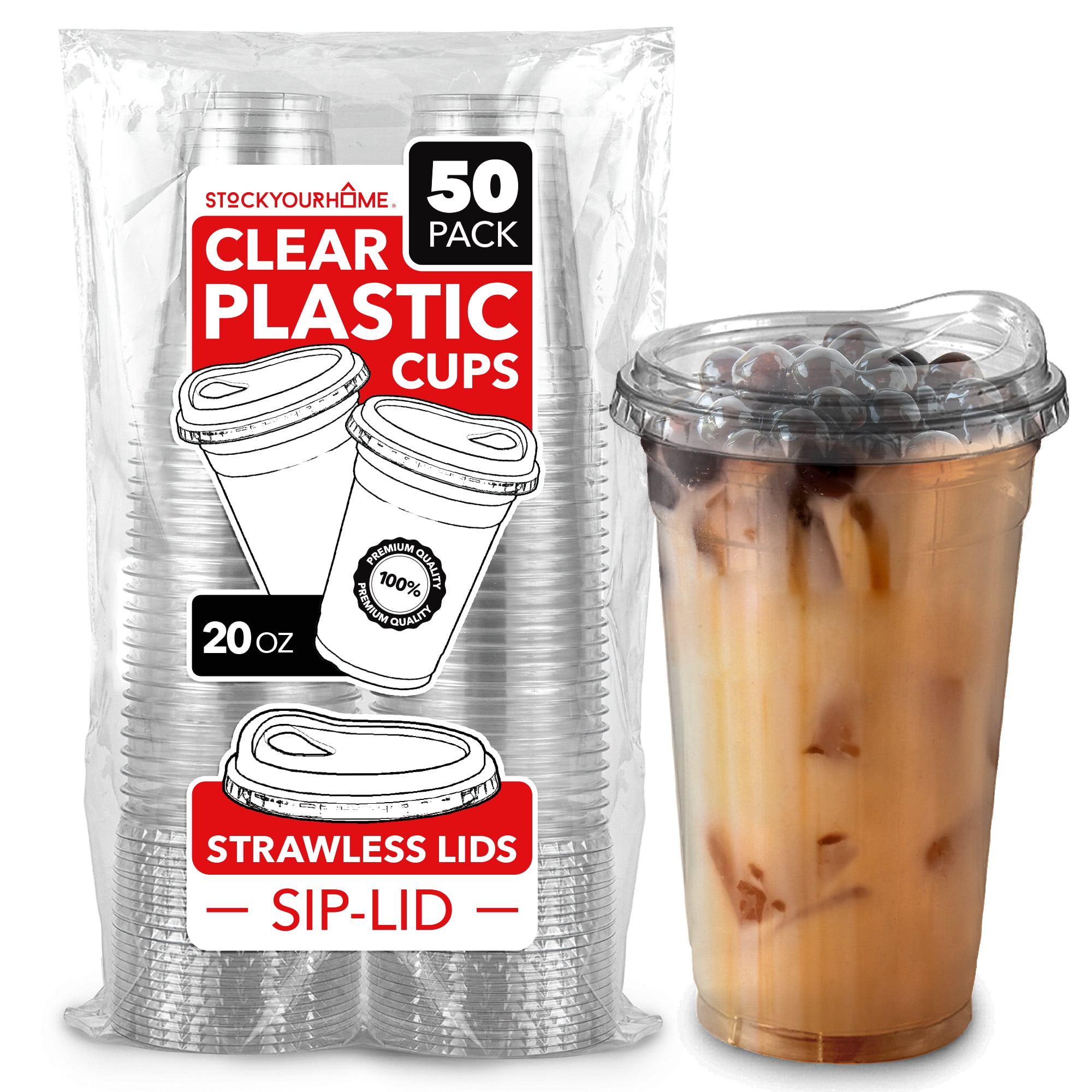
In the commercial sector, the 20 oz paper cup is a mainstay. Modern versions are often lined with aqueous coatings or PLA (polylactic acid) rather than traditional polyethylene to ensure they are compostable or more easily recyclable in 2026 municipal waste streams.
Physical Dimensions and Portability: Will It Fit?
One of the most frequent questions regarding the 20 oz cup is whether it is compatible with lifestyle accessories, specifically car cup holders and backpack side pockets. While dimensions vary by brand, a standard 20 oz tumbler follows a specific profile.
- Height: Most 20 oz cups stand between 6.5 and 7.5 inches tall. This height is designed to fit under most industrial espresso machines and home single-serve brewers (like Keurig or Nespresso) if the drip tray is removed.
- Base Diameter: To maintain car compatibility, the base usually measures between 2.7 and 2.9 inches. Standard automotive cup holders are typically 3 inches wide, meaning a 20 oz cup is almost always a "universal fit."
- Top Diameter: Many 20 oz cups feature a tapered design, where the top is wider (around 3.5 inches) to allow for easier cleaning and the addition of large ice cubes.
Lid design also plays a role in portability. By 2026, "splash-proof" lids have become the bare minimum, with many 20 oz models featuring fully leak-proof, magnetic, or locking slider mechanisms. These allow the cup to be tossed into a bag without fear of ruining electronics or documents.
Comparative Analysis of 20 oz Cup Types
The following table compares the four most common types of 20 oz cups based on thermal performance, durability, and primary use cases.
| Feature | Stainless Steel (Insulated) | BPA-Free Plastic | Ceramic Mug | Disposable Paper |
|---|---|---|---|---|
| Heat Retention | 6–12 Hours | < 1 Hour | 1–2 Hours | < 30 Minutes |
| Cold Retention | 24+ Hours | 1–2 Hours | < 1 Hour | < 30 Minutes |
| Durability | Extremely High | High (Shatter-resistant) | Moderate (Fragile) | Single-use |
| Flavor Purity | Good | Moderate | Excellent | Moderate (Paper taste) |
| Typical Use | Commuting, Outdoor, Travel | Gym, Hiking, Sports | Home, Office | Cafes, Events, Fast Food |
| Dishwasher Safe | Usually (Check brand) | Yes | Yes | No |
Industry Standards and Commercial Sizing
In the food and beverage industry, "20 oz" does not always mean the consumer receives 20 oz of liquid. There is a distinction between brimful capacity and nominal capacity.
Brimful capacity refers to the volume of the cup when filled to the very top edge. For a commercial 20 oz paper cup, the brimful capacity is often 21 or 22 ounces to ensure that when a lid is applied to a "20 oz drink," there is enough "headspace" to prevent spilling. When ordering an iced beverage at a coffee shop in 2026, the ice can displace 30% to 50% of the volume, meaning a 20 oz iced latte may only contain 10–12 ounces of actual fluid.
For the beer industry, 20 oz is the standard for a "British Pint" (Imperial Pint), whereas the standard US pint is 16 oz. This makes the 20 oz glass a favorite in pubs that serve craft ales, as it allows for a full 16 oz pour with a significant "head" of foam, or a true 20 oz pour for international beer styles.
Maintenance and Longevity of Reusable 20 oz Cups
To ensure a reusable 20 oz cup lasts through 2026 and beyond, proper maintenance is required. Stainless steel and plastic cups are prone to "biofilm" buildup—a thin layer of bacteria and residue—if not cleaned daily.
- Gasket Care: The silicone O-ring inside the lid is the most common failure point. These should be removed periodically and soaked in a mixture of white vinegar and water to kill mold and remove odors.
- Stain Removal: For coffee and tea drinkers, tannins can stain the interior of stainless steel or ceramic. A paste of baking soda and water, or dedicated oxygen-based cleaning tablets, can restore the surface without scratching the material.
- Hand Washing vs. Dishwasher: While many 20 oz tumblers are labeled as "dishwasher safe" in 2026, hand washing is often recommended to preserve the vacuum seal. The high heat of a dishwasher's drying cycle can occasionally cause the seal to fail over several years, compromising the cup's thermal properties.
- Avoiding Abrasives: Never use steel wool or harsh scouring pads on the exterior of a powder-coated 20 oz cup, as this will chip the finish.
Frequently Asked Questions
How many milliliters are in a 20 oz cup?
A standard US 20 oz cup contains approximately 591.47 milliliters. If the cup is manufactured to UK Imperial standards, 20 oz would be approximately 568 ml. Most commercial cups in the global market today adhere to the US fluid ounce standard for consistency.
Will a 20 oz tumbler fit in a standard bike bottle cage?
Most 20 oz insulated tumblers are slightly wider than standard cycling bottles. While a bicycle bottle cage is designed for bottles with a diameter of roughly 2.875 inches (73mm), many 20 oz tumblers have a tapered base that starts at 2.7 inches but widens quickly. It is generally safer to use a dedicated cycling bottle for riding, though some adjustable cages can accommodate a 20 oz tumbler.
Is a 20 oz cup too big for a single serving of coffee?
This depends on your caffeine tolerance. A standard "cup" of coffee in coffee maker terms is actually 5 to 6 ounces. Therefore, a 20 oz cup holds nearly four "servings" of brewed coffee. For espresso-based drinks like lattes, 20 oz is the standard "Large" size, typically containing 2 to 3 shots of espresso combined with a large volume of steamed milk.
Can I put carbonated drinks in a vacuum-insulated 20 oz cup?
Yes, but with caution. If the 20 oz cup has a pressure-fit lid or a screw-down lid without a vent, the buildup of CO2 can cause the lid to pop off or leak. For carbonated beverages, it is best to use a lid with a straw or one that is specifically rated for carbonation.
Why does my 20 oz stainless steel cup rattle?
If you hear a rattling sound, it usually means the small "getter" (a piece of material used during the vacuum-sealing process to absorb residual gases) has come loose between the two walls. While this is annoying, it does not always mean the vacuum seal is broken, though it is often a sign of a manufacturing defect or a hard drop.
Choosing Your 20 oz Beverage Companion
When selecting a 20 oz cup in 2026, prioritize the material that matches your most frequent environment. If you are a commuter who spends hours in a vehicle, a vacuum-insulated stainless steel tumbler with a tapered base is the non-negotiable choice for its thermal retention and car-compatibility.
For those who prioritize flavor purity above all else—such as specialty tea enthusiasts or coffee purists—a ceramic-lined stainless steel cup offers the best of both worlds: the durability and insulation of metal with the inert surface of ceramic. Regardless of your choice, the 20 oz size remains the industry benchmark for a reason: it provides ample hydration without the ergonomic sacrifices of larger 32 oz or 40 oz containers.