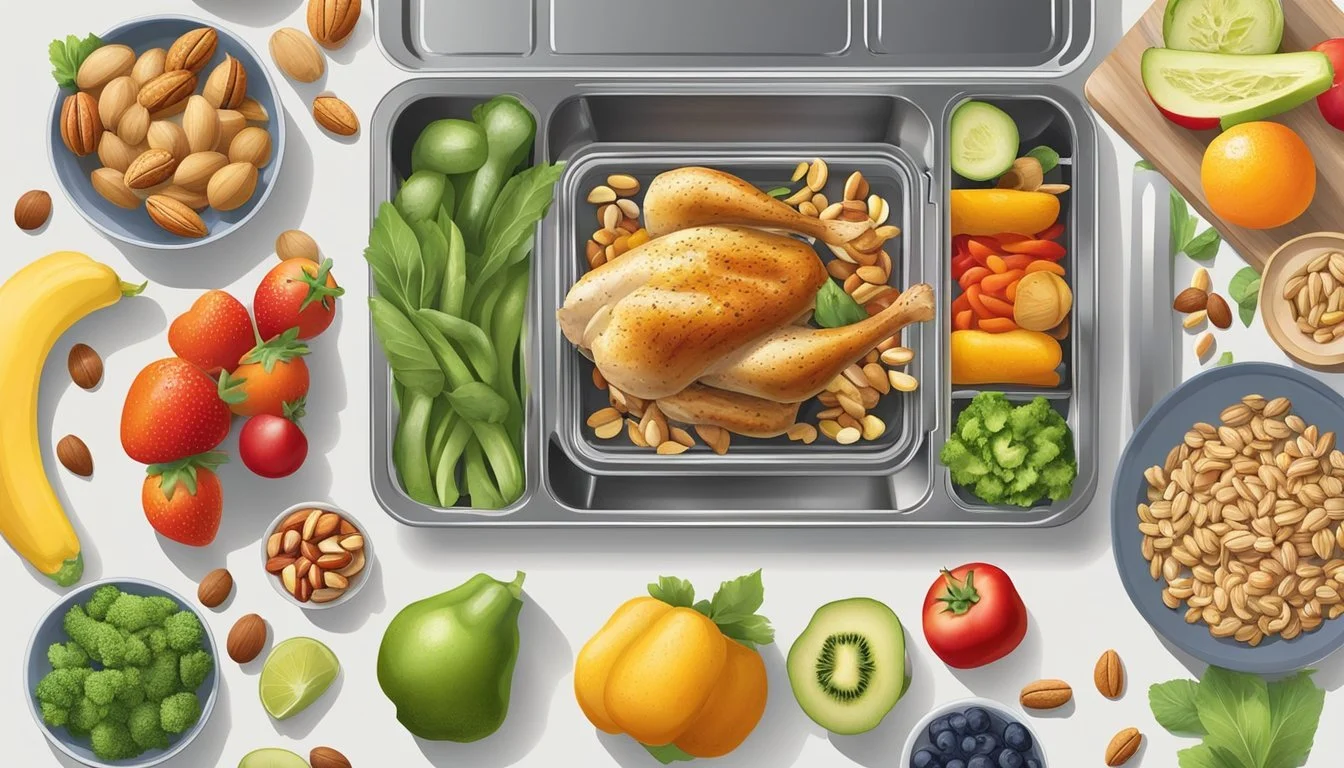
Achieving a successful Whole30 kickstart requires shifting your focus from restriction to the abundance of nutrient-dense, flavorful whole foods. By mastering meal preparation, understanding label nuances, and prioritizing high-quality fats and spices, you can transform the 30-day elimination program from a challenge into a sustainable culinary reset.
The Whole30 program is a dietary reset designed to help you identify how specific food groups—such as sugar, grains, dairy, and legumes—impact your energy, sleep, digestion, and mood. Unlike traditional diets, it is not a weight-loss plan, though body composition changes often occur. By eliminating potentially inflammatory foods for 30 days and then systematically reintroducing them, you gain a clear "baseline" of your health. To make this journey not only bearable but truly delicious, you must approach your kitchen with a strategy that emphasizes flavor and variety.
The Foundation of a Whole30 Reset
Before diving into specific culinary tips, it is essential to understand the "why" behind the rules. The program operates on a strict "yes/no" list to remove the decision fatigue that often leads to dietary slips. By removing psychological triggers (like "paleoified" desserts) and physiological disruptors (like added sugars), the body can recalibrate its hormonal responses to hunger and satiety.
The following tips are curated to ensure your 2026 Whole30 journey is packed with flavor, reducing the "deprivation mindset" that often plagues first-timers.
20 Tips for a Flavorful and Sustainable Kickstart
1. Master the "Dump Ranch" Technique
One of the most common complaints on Whole30 is dry, boring salads and proteins. Learning to make a "Dump Ranch"—an emulsion of light olive oil, egg, lemon juice, and herbs—provides a creamy, compliant base for dressings and dips. This replaces processed, sugar-laden store versions and adds healthy fats to every meal.
2. Prioritize High-Smoke-Point Fats
Flavor starts with the fat you use for searing. Ghee (clarified butter) is a Whole30 staple because the milk solids are removed, leaving a rich, buttery fat that won't burn at high temperatures. Use it for roasting root vegetables or searing steaks to achieve a restaurant-quality crust without non-compliant oils like soybean or canola.
3. Embrace the Power of Umami with Coconut Aminos
Soy is prohibited on Whole30, but you can achieve that salty, savory "umami" flavor using coconut aminos. It is thinner and slightly sweeter than soy sauce but serves as an excellent base for stir-fries, marinades, and dipping sauces.
4. Audit Your Spice Cabinet
Many pre-mixed spice blends contain sugar (as a flow agent) or cornstarch. To keep your meals delicious and compliant, transition to individual organic spices. Smoked paprika, cumin, and chipotle powder can transform a simple ground beef skillet into a gourmet taco-style bowl.
5. Utilize the "Protein Prep" Strategy
A common pitfall is reaching for non-compliant snacks when hunger hits. Every Sunday, prepare two types of "emergency proteins": hard-boiled eggs and shredded chicken breast. Having these ready prevents the temptation to graze on items that don't align with your goals.
6. Make Your Own Infused Oils
Store-bought truffle or garlic oils can be expensive and sometimes contain hidden additives. Making your own by gently heating olive oil with fresh rosemary, garlic cloves, or chili flakes provides an instant flavor upgrade for roasted potatoes or steamed greens.
7. Focus on Texture with Nuts and Seeds
A "delicious" meal often relies on a variety of textures. Since croutons and crispy noodles are off the table, use toasted pepitas (pumpkin seeds), walnuts, or sliced almonds to add crunch to your salads and "zoodle" dishes.
8. Use Acid to Brighten Heavy Meals
When a dish tastes "flat," it usually needs acid, not more salt. Keep a variety of compliant vinegars (apple cider, balsamic, red wine) and fresh citrus on hand. A squeeze of lime over a carnitas bowl or a splash of ACV in a beef stew can elevate the flavor profile instantly.
9. Master the Art of the "Whole30 Bowl"
The most successful participants use a formula for their meals: 1-2 palm-sized portions of protein, a massive heap of vegetables, and a thumb-sized portion of healthy fat. To make this delicious, layer different temperatures—hot roasted sweet potatoes with cold, crisp greens and a warm protein.
10. Don't Fear the Potato
In earlier versions of the program, white potatoes were restricted. In 2026, they are fully compliant. Use them for energy, but avoid the "food freedom" trap of recreating deep-fried chips. Instead, try air-frying potato wedges with sea salt and rosemary.
11. Invest in an Immersion Blender
This tool is the secret to Whole30 sauces. Whether you are making a compliant hollandaise for your eggs or blending a creamy butternut squash soup (without dairy), an immersion blender allows for smooth textures that make meals feel indulgent.
12. Create "Social" Mocktails
Social isolation can be a challenge. To feel included at gatherings, mix sparkling mineral water with a splash of 100% fruit juice and fresh mint. It provides the ritual of a cocktail without the alcohol or added sugars.
13. Learn to Read Labels for "Hidden" Sugars
Sugar hides under names like dextrose, maltodextrin, and evaporated cane juice. A successful kickstart requires vigilance. If a label has more than a few ingredients you don't recognize, it’s likely not compliant.
14. Use Mushroom Powder for Depth
Dried porcini or shiitake mushroom powder is a "secret weapon." Adding a teaspoon to soups or burgers provides an earthy depth that mimics the richness of dairy-based gravies.
15. Prep Your Own "No-Sugar" Bacon
Most commercial bacon is cured with sugar. Seek out brands with the "Whole30 Approved" label or visit a local butcher who can provide sugar-free pork belly or bacon slabs. The smoky fat is essential for flavoring Brussels sprouts or kale.
16. Rethink Breakfast as "Meal 1"
The "delicious" tip here is to stop chasing compliant pancakes (which are discouraged as "SWYPO"—Sex With Your Pants On). Instead, embrace savory leftovers. A steak and arugula salad for breakfast is often more satisfying and keeps blood sugar stable.
17. Batch Cook Roasted Root Vegetables
Vegetables like beets, carrots, and parsnips develop natural sweetness when roasted. Keep a container of mixed roasted roots in the fridge to add bulk and sweetness to any meal without needing added sweeteners.
18. Use Bone Broth as a Cooking Liquid
Instead of boiling your cauliflower or potatoes in water, use high-quality bone broth. It adds collagen, minerals, and a much more complex flavor profile to the finished dish.
19. Experiment with Fresh Herbs
Dried herbs are fine, but fresh cilantro, basil, and tarragon add a "brightness" that makes home-cooked meals feel like they came from a professional kitchen. Store them like flowers in jars of water to keep them fresh longer.
20. Prioritize Quality Over Quantity
Because you are eating fewer types of food, the quality of what you do eat matters more. Grass-fed beef, pastured eggs, and organic produce often have more robust flavors, making the elimination process feel like an upgrade rather than a sacrifice.
Whole30 Compliance Quick Reference
To help you navigate the grocery store and your pantry during your 30-day kickstart, refer to the following table for essential compliance guidelines.
| Category | Allowed (Delicious Staples) | Avoid (The "No" List) | Why? |
|---|---|---|---|
| Proteins | Grass-fed beef, wild-caught fish, eggs, pork, poultry. | Soy-based proteins (tofu), legumes, sweetened meats. | Removes common allergens and gut irritants. |
| Fats | Avocado oil, ghee, coconut oil, extra virgin olive oil. | Soybean oil, canola oil, corn oil, butter. | Prioritizes anti-inflammatory fatty acid profiles. |
| Vegetables | All vegetables, including white and sweet potatoes. | Corn, peas (except snow/snap), fermented soy. | Minimizes phytates and lectins found in grains/legumes. |
| Flavorings | Vinegar, salt, all herbs, coconut aminos, mustard. | Soy sauce, ketchup with sugar, most BBQ sauces. | Eliminates hidden sugars and industrial seed oils. |
| Beverages | Coffee (black/nut milk), tea, sparkling water. | Alcohol, soda, sweetened nut milks, fruit juices as a meal. | Stabilizes blood sugar and resets the "sweet" palate. |
Managing the Psychological Kickstart
The first ten days of a Whole30 are often referred to as the "Adjusting Phase." Your body is transitioning from burning sugar to burning fat for fuel. During this time, you may experience "carb flu" or irritability.
The key to staying "delicious" during this period is to ensure you are eating enough fat. Many people fail because they try to do "Low-Fat Whole30," which leads to extreme hunger and cravings. Incorporating half an avocado or a handful of olives into your meals provides the satiety necessary to push through the initial cravings.
Furthermore, the "Non-Scale Victory" (NSV) mindset is crucial. Instead of focusing on weight, track your "delicious" successes: having more energy in the afternoon, waking up without a "foggy" brain, or discovering a new favorite way to cook sea bass.
Frequently Asked Questions
Can I use honey or maple syrup if it's "natural"?
No. The Whole30 program prohibits all added sweeteners, both natural and artificial. This includes honey, maple syrup, agave, stevia, and xylitol. The goal is to break the psychological craving for sweet tastes and to reset your insulin response. If you need sweetness, rely on the natural sugars found in whole fruits like berries or apples.
Is it okay to eat "Whole30" snacks all day?
While there are many Whole30-approved snack bars, the program encourages you to stick to three main meals. Constant grazing prevents your digestive system from resting and can interfere with hormone regulation. If you find yourself hungry between meals, it is usually a sign that you didn't eat enough fat or protein at your previous meal.
Why are legumes like beans and peanuts not allowed?
Legumes contain high levels of phytates and lectins, which can interfere with nutrient absorption and cause digestive distress for many individuals. By removing them for 30 days, you can determine if they contribute to bloating or inflammation once you begin the reintroduction phase.
What happens if I accidentally eat something non-compliant?
The program guidelines technically require a "Day 1" restart if you consume a non-compliant ingredient. This is because the physiological reset requires a full 30 days of total elimination to be effective. However, the psychological impact is up to the individual; many choose to continue but extend their program by several days.
Can I use store-bought nut milks?
Only if they are free of carrageenan, sulfites, and added sugars. Many commercial almond or cashew milks use thickeners and sweeteners that are prohibited. Always check the ingredient list for "unsweetened" versions that contain only the nut, water, and perhaps sea salt.
Your Path Forward: The Reintroduction Phase
The true value of a successful Whole30 kickstart is revealed not on Day 31, but during the reintroduction phase. After your 30 days are complete, do not immediately return to your old eating habits. Instead, systematically reintroduce one food group at a time (e.g., legumes on Day 31, grains on Day 34) while keeping the rest of your diet Whole30-compliant.
This process allows you to isolate exactly which foods cause your skin to break out, your joints to ache, or your energy to crash. By the end of 2026, your goal should not just be "finishing the 30 days," but rather developing a "Food Freedom" plan that incorporates the delicious habits you learned during the program while allowing for occasional, intentional indulgences that you know your body can handle.