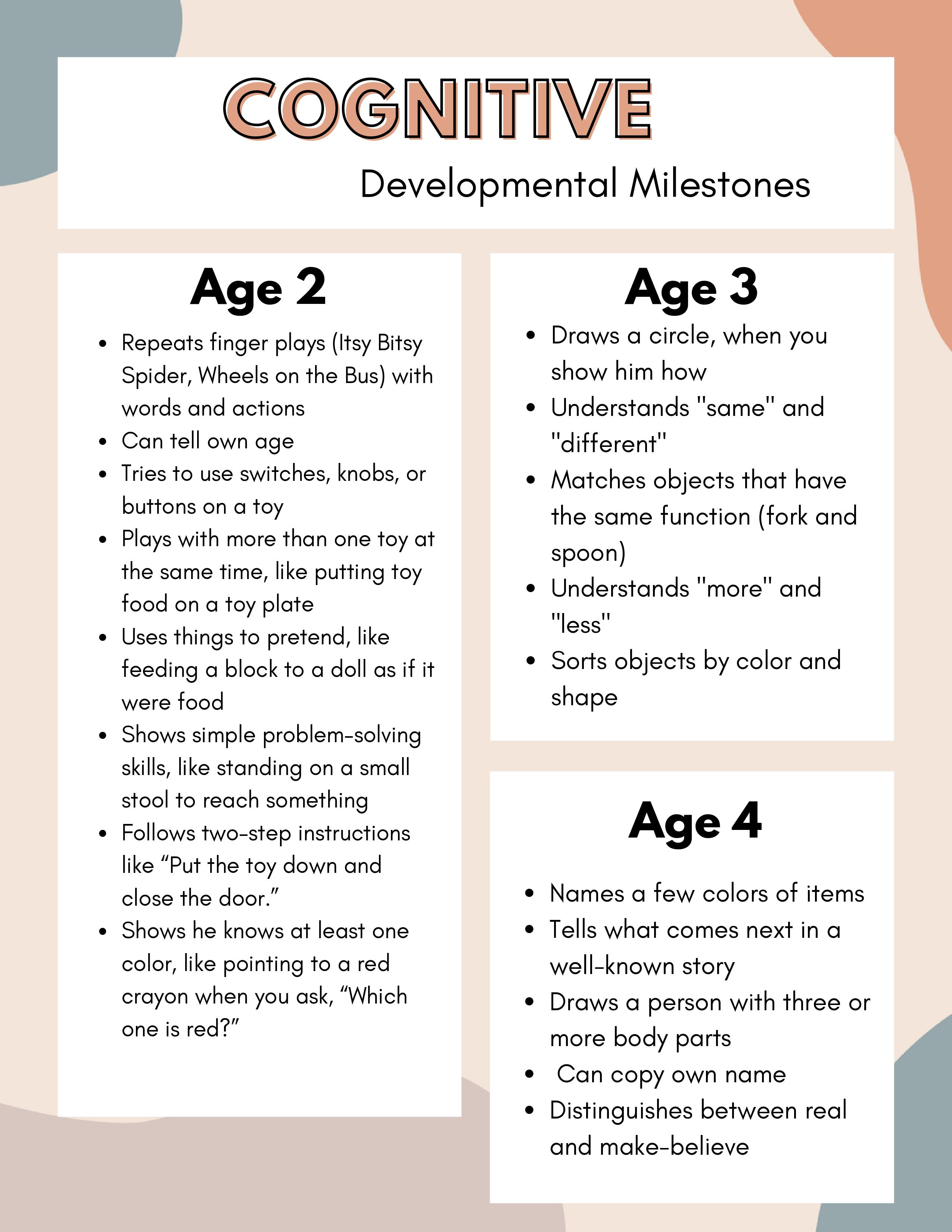
At age two, child development is characterized by a "language explosion," significant gains in physical coordination, and the emergence of a distinct sense of self. Most toddlers begin to use two-word phrases, follow simple instructions, and demonstrate basic problem-solving skills through play. Supporting this growth requires a balance of structured routine, nutritional support, and responsive caregiving to manage the emotional complexity of this transitional year.
The Architecture of the Toddler Brain: Cognitive and Emotional Evolution
By the time a child reaches their second birthday, their brain is approximately 80% of its adult size. This period in 2026 remains a critical window for neuroplasticity, where "serve and return" interactions—the back-and-forth communication between a child and caregiver—literally shape the brain's neural pathways.
Cognitively, a 2-year-old is moving away from purely sensory exploration into the realm of symbolic thought. They begin to understand that one thing can stand for another, which is the foundation of imaginative play. You might observe your child "feeding" a stuffed animal or using a block as a phone. This represents a massive leap in abstract thinking. They also start to sort objects by shape and color and can find things even when they are hidden under two or three covers.
Emotionally, the "terrible twos" is a bit of a misnomer; it is more accurately a period of "assertive autonomy." Toddlers at this age realize they are individuals separate from their parents. This realization leads to a desire for control, which often manifests as the word "No!" or the infamous temper tantrum. These outbursts are not signs of bad behavior but are physiological responses to a brain that has big emotions but lacks the prefrontal cortex development to regulate them. Caregivers in 2026 are encouraged to view these moments as opportunities for co-regulation, helping the child name their feelings to eventually manage them.
The Language Explosion: From Words to Sentences
The transition from 24 to 36 months is often the most dramatic period for linguistic development. While every child follows their own timeline, the "language explosion" typically occurs during this window. At the start of the second year, a child may have a vocabulary of 50 words; by the end, it may exceed 200 or even 300 words.
Language development at age two involves more than just vocabulary size; it involves the beginning of syntax. Toddlers start using "telegraphic speech"—short, two-to-four-word sentences like "Mommy go" or "More juice." They also begin to use pronouns (though they may mix up "me" and "I") and can point to things in a book when you name them.
To support this, the American Academy of Pediatrics emphasizes the importance of reading aloud daily. In 2026, despite the prevalence of digital media, physical books remain the gold standard for language acquisition. The tactile experience of turning pages combined with the focused attention of a caregiver provides a rich linguistic environment that tablets cannot replicate.
Physical Development: Mastery of Gross and Fine Motor Skills
Physically, 2-year-olds are becoming more stable and adventurous. The "toddle" that defined their first steps disappears, replaced by a more confident gait. Gross motor skills—those involving large muscle groups—see significant refinement.
Most 2-year-olds can:
- Run with increasing balance: They are learning to navigate corners and stop without falling.
- Kick a ball: This requires the neurological coordination to balance on one foot momentarily.
- Climb on and off furniture: While a safety concern, this demonstrates growing spatial awareness.
- Walk up and down stairs: Often using the railing and placing both feet on each step.
Fine motor skills—the coordination of small muscles in the hands and fingers—also advance. You will notice your child attempting to use a fork, stacking towers of six or more blocks, and showing a preference for one hand over the other (though true "handedness" may not be fully established until age 5). In 2026, pediatricians continue to emphasize the importance of "unstructured movement." Allowing a child to explore different textures and terrains—like grass, sand, and mulch—is essential for developing proprioception, which is the body's ability to sense its location and movements.
Milestone Tracking for 2-Year-Olds
The following table outlines the typical developmental milestones observed between 24 and 30 months. It is important to remember that these are averages; some children meet these earlier or slightly later.
| Developmental Domain | Typical Milestones at Age 2 (24–30 Months) | Activity to Support Growth |
|---|---|---|
| Social/Emotional | Shows defiant behavior; plays mainly next to other children (parallel play). | Provide opportunities for "choice" (e.g., "Do you want the blue or red shirt?"). |
| Language | Points to things when named; uses 2-word phrases; knows names of familiar people. | Narrate your day; use "expansion" (if they say "Car," you say "Yes, a big red car"). |
| Cognitive | Begins to sort shapes/colors; follows 2-step instructions (e.g., "Get your shoes and put them by the door"). | Use sorting toys and simple memory games. |
| Physical | Stands on tiptoe; begins to run; kicks a ball; climbs without help. | Safe outdoor play; "Simon Says" for body awareness. |
Nutritional Requirements and the "Picky Eating" Phase
Nutrition for a 2-year-old is often a source of stress for parents. During this year, a child's growth rate actually slows down compared to the first year, which means their appetite may fluctuate wildly. This is also the peak age for "neophobia"—the fear of new foods.
In 2026, the CDC nutrition guidelines suggest that 2-year-olds should consume roughly 1,000 to 1,400 calories a day, depending on their activity level. However, rather than counting calories, parents should focus on the quality of the food group.
- Protein: Essential for muscle and tissue repair.
- Iron: Crucial for brain development; found in lean meats, beans, and fortified cereals.
- Calcium/Vitamin D: Needed for bone density; most 2-year-olds should transition to 2 cups of cow's milk (or a fortified alternative) per day.
- Healthy Fats: Toddlers still need dietary fat for brain growth, often sourced from avocados, nuts (in safe forms), and full-fat dairy.
The best strategy for managing picky eating is "Division of Responsibility." The parent is responsible for what, when, and where food is served; the child is responsible for if and how much they eat. Pressuring a child to eat often backfires, creating a power struggle that can lead to long-term feeding issues.
Sleep Patterns and the Transition from the Crib
Sleep remains a cornerstone of development. A 2-year-old typically requires 11 to 14 hours of sleep in a 24-hour period, which usually includes one afternoon nap of 1.5 to 3 hours.
In 2026, a common question is when to transition from a crib to a toddler bed. Many pediatric experts recommend waiting as long as possible—ideally until the child is closer to age 3—unless they are climbing out of the crib and posing a safety risk. Once the transition occurs, the entire bedroom effectively becomes a "crib," requiring meticulous child-proofing of furniture, outlets, and windows.
Consistent bedtime routines are vital. A predictable sequence (bath, pajamas, reading, and cuddles) helps lower the child's cortisol levels and signals the brain that it is time for melatonin production. Avoiding screens at least one hour before bed is critical, as blue light can disrupt the circadian rhythm of a developing brain.
Developmental Red Flags: When to Consult a Professional
While every child develops at their own pace, there are certain "red flags" that warrant a conversation with a pediatrician or an early intervention specialist. Early identification of developmental delays is one of the most effective ways to ensure long-term success.
Contact your pediatrician if your 2-year-old:
- Does not use two-word phrases (e.g., "Drink milk").
- Does not know what to do with common objects (e.g., a brush, phone, or spoon).
- Does not copy actions or words.
- Does not follow simple instructions.
- Loses skills they once had (regression).
- Does not walk steadily.
- Has difficulty with eye contact or social engagement.
In many regions, early intervention services are available and can provide speech, occupational, or physical therapy. The Mayo Clinic notes that many delays are temporary and can be corrected quickly with the right support.
What should I do if my 2-year-old isn't talking yet?
If your child is not using at least 50 words or combining two words by age two, you should request a developmental screening. While some children are simply "late talkers," a speech-language pathologist can rule out hearing issues or other developmental delays. Early intervention is highly effective at this age because the brain is so adaptable.
How much screen time is okay for a 2-year-old in 2026?
The current recommendation is to limit screen time to no more than one hour of high-quality programming per day, and ideally, a caregiver should watch with the child to explain what they are seeing. Excessive screen time at this age is linked to shorter attention spans and delays in language development because it replaces the "serve and return" interaction essential for growth.
Why does my child have so many tantrums now?
Tantrums are a normal part of development because a 2-year-old's emotional desires often exceed their physical or linguistic abilities. They want to do something (like pour their own milk) but lack the motor skills, leading to intense frustration. Since the part of their brain responsible for logic is not yet fully functional, they "melt down."
Is it normal for my 2-year-old to be afraid of things they used to like?
Yes. As cognitive skills grow, so does a child's imagination. They are beginning to understand that there are things in the world that can be "scary," but they cannot yet distinguish between fantasy and reality. Fears of the dark, loud noises, or costumed characters are very common at this age.
When should we start potty training?
Most children show signs of readiness between 24 and 30 months, but some may not be ready until age 3. Signs of readiness include staying dry for two hours at a time, being able to follow simple directions, and expressing discomfort with a dirty diaper. Forcing the process before a child is ready often leads to longer training times and significant stress.
Establishing a Supportive Environment for Future Growth
The most important "next action" for a caregiver of a 2-year-old is to establish a predictable, nurturing environment. While milestones provide a helpful map, the quality of the relationship between the caregiver and the child is the primary driver of development. Focus on providing a variety of sensory experiences—outdoor play, music, art, and reading—while maintaining firm but gentle boundaries.
In 2026, the emphasis in early childhood education has shifted toward "play-based learning." Instead of focusing on flashcards or academic drills, allow your child to learn through exploration. If you have concerns about any aspect of your child's growth, schedule a 24-month or 30-month well-child visit. These appointments are designed specifically to track these milestones and provide you with the resources necessary to support your child’s unique developmental journey.