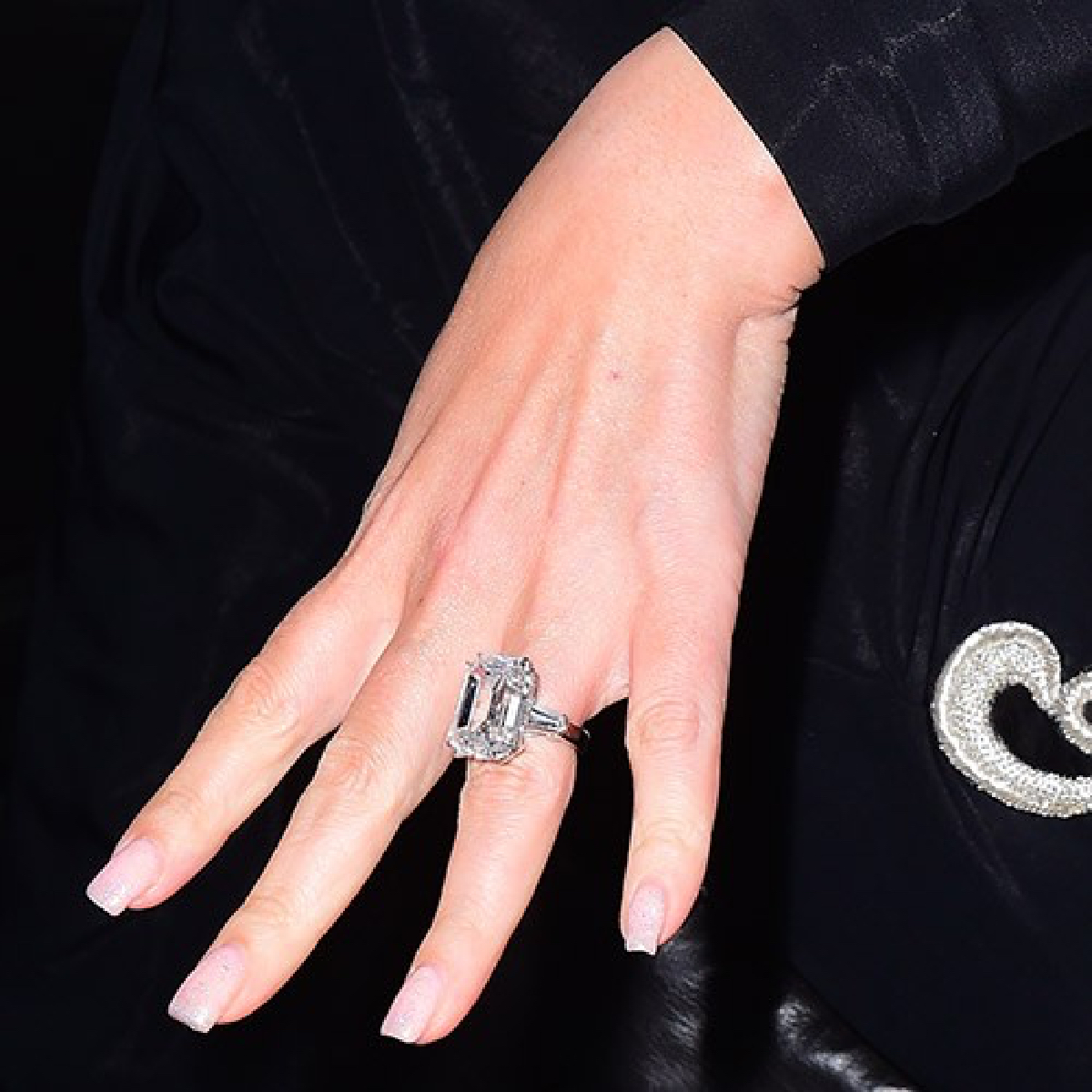
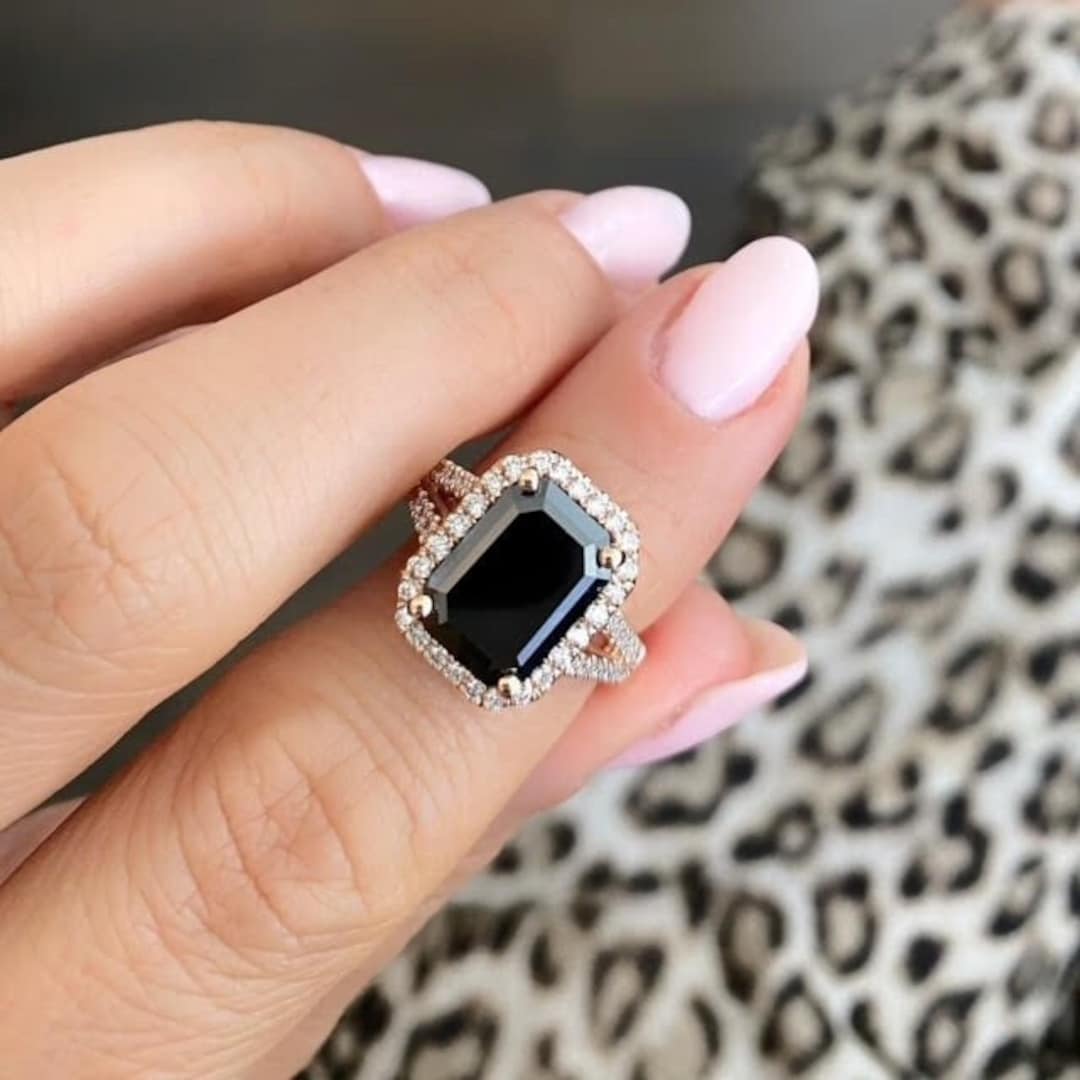
Acquiring a $2 million engagement ring represents a move into the "ultra-high-net-worth" tier of the jewelry market, where the purchase functions as both a profound emotional symbol and a significant portable asset. At this level, buyers move beyond retail showrooms and into the realm of private salons, international auction houses, and bespoke gemological sourcing.
A $2 million engagement ring is defined by extreme rarity, typically featuring an investment-grade center stone such as a 10-carat+ D-color internally flawless diamond or a rare fancy-colored diamond. In 2026, the market for these "trophy stones" is driven by a combination of diminishing natural supply and a rigorous demand for GIA-certified provenance. This guide provides the technical framework, valuation metrics, and logistical considerations necessary for a transaction of this magnitude.
The Anatomy of an Investment-Grade Diamond
When the budget reaches the seven-figure mark, the "4Cs" (Cut, Color, Clarity, and Carat weight) are no longer about compromise; they are about perfection. A $2 million price tag usually demands that at least three of the four categories reach the pinnacle of the grading scale.
Color and Clarity: The Search for Purity
For colorless (white) diamonds, the benchmark for a $2 million investment is almost exclusively the "D" color grade—the highest possible rating on the GIA scale, indicating a completely colorless stone. In terms of clarity, the preference is for Internally Flawless (IF) or Flawless (FL). These stones possess no inclusions visible under 10x magnification, making them exceptionally rare. At this price point, even a VVS1 (Very, Very Slightly Included) stone may be viewed as a "discount" option unless the carat weight is significantly higher.
Carat Weight and the "Magic Numbers"
In 2026, a $2 million budget for a round brilliant colorless diamond typically targets the 12 to 15-carat range, provided the quality is D/IF. However, if the buyer chooses a "Fancy Cut" (such as Emerald, Oval, or Pear), they may be able to secure a stone closer to 18 or 20 carats. There are significant price jumps at "magic numbers" like 10, 15, and 20 carats. Crossing these thresholds increases the price per carat exponentially due to the rarity of large, gem-quality rough stones being unearthed.
Fancy Color Diamonds: Rarity Beyond Colorless
For many buyers, a $2 million engagement ring is the entry point into the world of fancy-colored diamonds. Unlike white diamonds, which are valued for their lack of color, colored diamonds are valued for the intensity and purity of their hue.
Pink and Blue Diamonds
Pink and blue diamonds are among the rarest minerals on Earth. A $2 million budget might secure a 1.5 to 2.5-carat Fancy Vivid Pink or a similarly sized Fancy Intense Blue. Since the closure of the Argyle Mine in late 2020, the supply of high-quality pink diamonds has remained constrained, leading to sustained price appreciation through 2026.
The Importance of Saturation
When evaluating a colored diamond at this level, the "Saturation" and "Tone" are the primary value drivers. A stone graded as "Fancy Vivid" will command a significantly higher price than one graded as "Fancy Intense" or "Fancy Deep." At $2 million, the buyer should insist on a GIA Colored Diamond Grading Report that confirms the color is of natural origin and not the result of High Pressure High Temperature (HPHT) treatment or irradiation.
Sourcing and Blue-Chip Jewelers
Purchasing a $2 million ring is rarely a "walk-in" experience. It involves a high-touch advisory process often referred to as "private client services."
The Elite Houses
Houses like Graff, Harry Winston, and Cartier specialize in stones of this caliber. These brands offer "Blue Chip" security; a ring from Graff, for instance, carries a brand premium that can aid in resale value and provenance. These jewelers often have "first look" rights at major mines, allowing them to secure stones that never reach the open market.
Private Ateliers and Sourcing Agents
Alternatively, many high-net-worth individuals work with independent gemological consultants or private ateliers. This route often provides more "stone for the money" by reducing the brand markup. These consultants search the wholesale bourses in Antwerp, Tel Aviv, and Hong Kong to find a specific stone, which is then set in a custom-designed mounting.
Technical Specifications and Market Comparison
The following table illustrates what a $2 million budget typically secures in the 2026 market across different diamond categories.
| Diamond Type | Typical Carat Weight | Color/Clarity Grade | Primary Value Driver |
|---|---|---|---|
| Colorless (Round) | 12 - 15 cts | D / Internally Flawless | Triple Excellent Cut & Purity |
| Colorless (Emerald/Oval) | 15 - 20 cts | E-F / VVS1 | Visual Scale & Presence |
| Fancy Vivid Pink | 1.0 - 2.0 cts | VS1+ | Color Saturation & Rarity |
| Fancy Intense Blue | 1.5 - 3.0 cts | VVS2+ | Hue Purity & Origin |
| Fancy Vivid Yellow | 30 - 50 cts | IF / VVS1 | Massive Size & Color Intensity |
Insurance, Security, and Asset Protection
Owning a $2 million piece of jewelry necessitates a robust risk management strategy. This is no longer a standard "homeowners insurance" rider; it requires specialized asset protection.
Specialist Insurers
Owners typically turn to high-value asset insurers such as Chubb or Pure. These policies offer "worldwide coverage" and "mysterious disappearance" clauses, which are essential for high-value items. Premiums generally range from 1% to 2% of the appraised value annually, meaning the carrying cost of a $2 million ring can be $20,000 to $40,000 per year.
Independent Appraisals and GIA Verification
Before finalizing the purchase, a third-party appraisal is mandatory. This appraisal should not come from the seller. Furthermore, the GIA report should be "fresh" (ideally within the last two years) to ensure the stone has not been chipped or altered. In 2026, many high-value stones also utilize blockchain-based provenance tracking to verify the ethical sourcing and ownership history of the diamond.
Security Protocols
For a ring of this value, security is a logistical reality. Many owners choose to have a "travel replica" (a high-quality cubic zirconia or lab-grown diamond set in silver or white gold) for daily wear or vacations, while the original remains in a bank vault or a high-security home safe (rated TL-15 or higher).
Investment Value and Resale Considerations
While an engagement ring is a personal gift, at $2 million, it is also a capital allocation. It is important to understand the liquidity of such an asset.
- Liquidity Timeframe: Unlike stocks, a $2 million diamond can take months or even years to sell at its full market value.
- Auction Houses: Sotheby’s and Christie’s are the primary secondary markets for stones of this caliber. They provide the global reach necessary to find a buyer willing to pay a premium for rarity.
- Lab-Grown Impact: By 2026, the distinction between natural and lab-grown diamonds is stark. At the $2 million level, the market remains almost exclusively focused on natural stones, as lab-grown diamonds do not currently hold significant resale value for investment purposes.
Common Pitfalls in High-Value Acquisitions
Even sophisticated buyers can make errors when navigating the top tier of the diamond market. One common mistake is overlooking the "Fluorescence" of a white diamond. In a D-color stone, "Strong Blue" fluorescence can make the diamond appear hazy or "oily" in sunlight, significantly devaluing it—sometimes by as much as 15-25%.
Another pitfall is the "Bow-tie Effect" in oval and pear-shaped stones. This is a dark shadow across the center of the stone caused by poor light reflection. At a $2 million price point, any visible bow-tie is considered a significant technical flaw that should disqualify the stone from purchase.
Is a $2 million engagement ring a good investment?
While diamonds generally appreciate over long periods, they are not highly liquid assets. A $2 million ring should be viewed as a store of wealth rather than a speculative investment. Its value is best preserved in high-carat, D-color, flawless natural stones or rare fancy-colored diamonds.
How do I verify the diamond is conflict-free?
In 2026, the industry uses the Kimberley Process alongside advanced laser-inscription and blockchain tracking (like De Beers' Tracr or Everledger). You should request a full "Chain of Custody" report that tracks the stone from the specific mine to the cutter and finally to the jeweler.
What is the typical "Markup" on a seven-figure ring?
At this level, markups are lower than at traditional retail (which can be 100%+). For a $2 million stone, the jeweler’s margin is often between 10% and 20%, as the sheer dollar volume allows for a lower percentage-based profit.
Should I buy a $2 million ring at auction or retail?
Auctions (Sotheby's/Christie's) can offer better "market prices," but they come with a "Buyer’s Premium" (often 20-25%) that must be added to the hammer price. Retail provides a more curated, private experience and often includes lifetime maintenance and bespoke design services that auctions do not.
Strategic Next Steps for the Discerning Buyer
If you are prepared to move forward with a $2 million acquisition, the first step is to engage an independent gemological advisor who does not hold inventory. This ensures unbiased guidance. Once you have defined your preference—whether it be a massive colorless emerald cut or a rare fancy pink—you should request a "Memo" (a professional viewing) of several stones in a secure, neutral location.
Always ensure that any transaction is contingent upon a final "Verification Report" from the GIA, performed immediately prior to the transfer of funds. This protects against any potential switching of stones or undisclosed damage. Finally, coordinate with your insurance provider to ensure the policy is "binder-ready" before the ring leaves the jeweler’s possession.