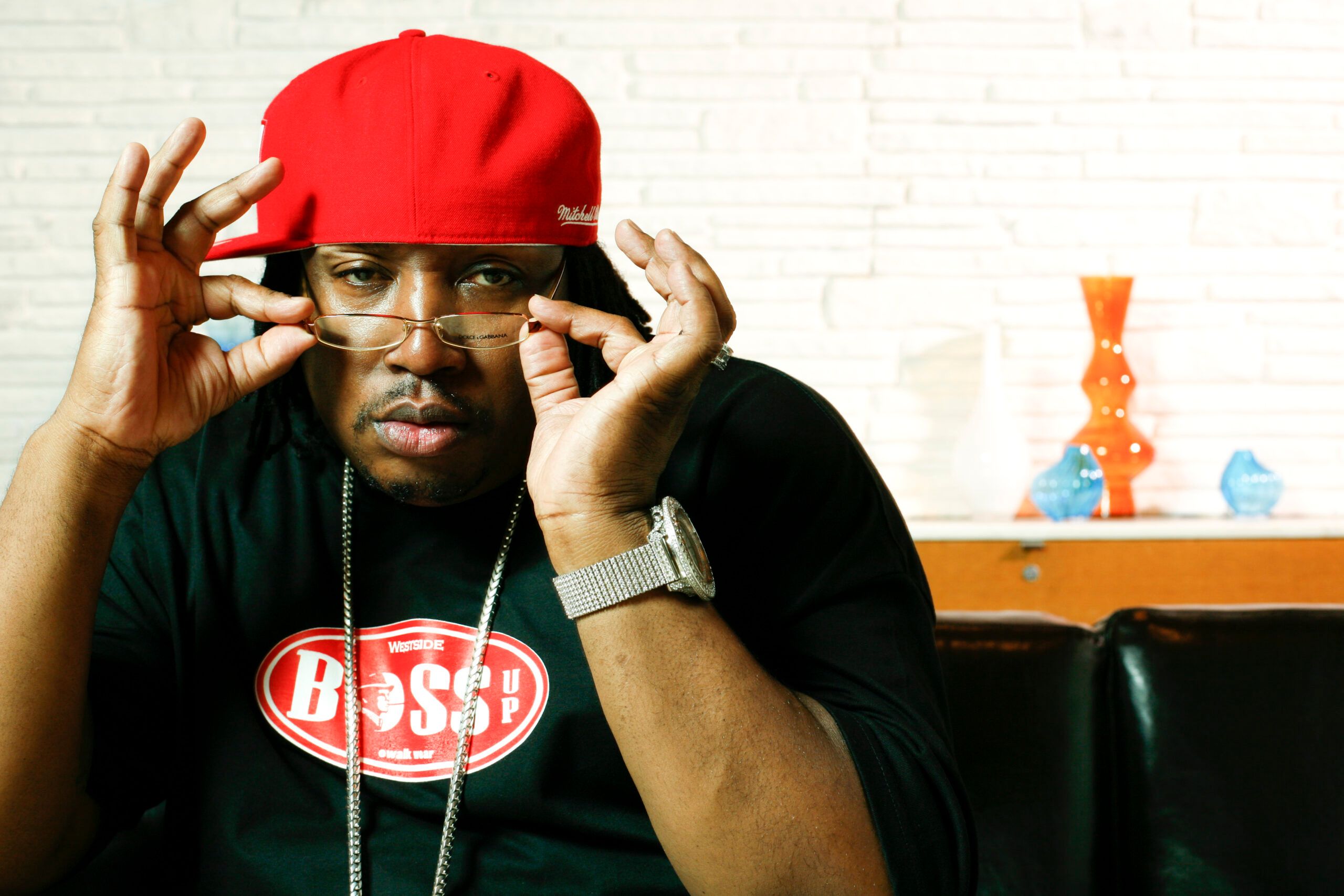
As of 2026, 2 Chainz, born Tauheed Epps, possesses an estimated net worth of approximately $12 million. This figure reflects his multi-decade career as a prominent figure in hip-hop, alongside strategic revenue streams derived from record sales, touring, brand partnerships, and various hospitality and lifestyle business ventures established during his career.
The Evolution of a Hip-Hop Career
Tauheed Epps, known globally as 2 Chainz, did not experience an overnight rise to fame. His journey began in the late 1990s as Tity Boi, one half of the Southern hip-hop duo Playaz Circle, signed to Ludacris’s Disturbing tha Peace label. During this foundational period, his earnings were modest, typical of an artist developing a regional following. The breakthrough that shifted his financial trajectory occurred in the early 2010s when he rebranded as 2 Chainz.
The transition to a solo artist saw a massive spike in commercial viability. With hit albums such as Based on a T.R.U. Story (2012) and B.O.A.T.S. II: Me Time (2013), his touring fees, feature prices, and endorsement opportunities escalated significantly. Unlike many artists who rely solely on streaming royalties, 2 Chainz utilized his momentum to build a sustainable career, ensuring that his income wasn't exclusively tied to the volatile nature of the music industry.
Diversification Beyond the Recording Booth
A primary factor in stabilizing and growing a rapper's net worth is the movement from "talent-for-hire" to entrepreneurship. 2 Chainz has been particularly aggressive in this area, diversifying his portfolio to include culinary and lifestyle investments.
One of his most notable business ventures is the "Escobar Restaurant and Tapas" chain, which he co-founded in the Atlanta area. By investing in the hospitality industry, he transformed his brand recognition into a brick-and-mortar asset that generates revenue independent of his music release cycles. Additionally, he has engaged in various cannabis-related investments and product lines, capitalizing on the legalization and commercialization of the industry in several states. These ventures provide a hedge against the inherent risks of the entertainment business, where an artist's earning potential is often tied to shifting trends and audience sentiment.
Understanding Revenue Streams
To understand how an artist’s net worth is calculated, one must look at the interplay between gross income and the cost of maintaining a celebrity lifestyle and business infrastructure. For a high-profile artist like 2 Chainz, revenue is generated through several key channels:
- Streaming and Recorded Music: While streaming payouts per individual play are relatively low, his extensive catalog generates consistent, passive income.
- Live Performance and Touring: This remains the most significant liquidity generator for veteran rappers. 2 Chainz maintains a consistent touring schedule, which commands high fees at festivals and private events.
- Brand Endorsements: Throughout his career, he has partnered with major brands, ranging from footwear companies to beverage distributors. These contracts often involve flat fees for marketing campaigns, which are highly profitable.
- Business Ownership: Equity in private companies (such as his restaurants) represents a "hidden" portion of net worth that is often harder to value but contributes significantly to long-term wealth.
Comparative Financial Overview
The following table provides a high-level view of how various revenue sources generally contribute to a rap artist's net worth compared to traditional employment models.
| Revenue Source | Scalability | Reliability | Primary Variable |
|---|---|---|---|
| Recorded Music | Low | Low | Streaming Trends |
| Touring | High | Moderate | Fan Engagement |
| Endorsements | Moderate | Moderate | Marketability |
| Private Equity | High | Variable | Operational Success |
The Impact of Overhead and Taxes
It is critical for fans and observers to distinguish between "gross earnings" and "net worth." A rapper’s wealth is not merely the sum of their concert fees. Professional expenses are substantial. This includes the cost of high-quality music production, legal fees, management commissions (usually 10-20%), and the significant cost of maintaining a touring entourage and equipment.
Furthermore, high-earners face significant tax obligations. In the United States, top-tier entertainers operate within the highest marginal tax brackets. A reported $12 million net worth takes these liabilities into account. When analyzing such figures, it is important to understand that "net worth" is an estimation of assets minus liabilities. Assets include real estate, business equity, and liquid cash, while liabilities include outstanding debt, business loans, and tax obligations.
Common Misconceptions Regarding Celebrity Net Worth
Publicly available figures for celebrity net worth are often subject to speculation. Many online platforms inflate these numbers by looking solely at album sales and multiplying them by a standard royalty rate, which is a flawed methodology. It ignores the reality of industry deals, where record labels recoup costs for marketing and production before the artist receives their full share.
True net worth in 2026 is better understood as a reflection of how well an artist has managed their cash flow. 2 Chainz’s ability to remain relevant for over two decades—an eternity in the rap game—is the true engine behind his financial stability. His longevity allows him to command "legacy" fees, which are significantly higher than those of emerging artists who have yet to establish a multi-generational fan base.
Future Financial Trajectory
Looking ahead, the focus for an artist at this stage of their career usually shifts toward asset preservation and passive income. 2 Chainz has transitioned from a pure artist to an intellectual property owner. By owning his masters or having favorable licensing agreements, he continues to monetize his early work while scaling his newer business ventures. The stability of his net worth in 2026 suggests a pivot toward long-term wealth management rather than the "cash-heavy" lifestyle often associated with younger, breakout stars.
Frequently Asked Questions
What are the main contributors to 2 Chainz’s wealth?
His wealth is primarily generated from a blend of music streaming and royalties, extensive national and international touring, and diverse private business interests, most notably his restaurant ventures in Georgia.
Why is there variation in online net worth estimates for 2 Chainz?
Most online net worth figures are estimates based on public data like record sales and estimated concert fees. They often fail to account for private investments, real estate assets, tax liabilities, and the costs associated with business operations, leading to inconsistencies.
Does 2 Chainz still earn money from his early career as Tity Boi?
Yes, he continues to earn royalties from the music he recorded during his tenure with Playaz Circle and his early solo work. His longevity in the industry allows him to collect recurring revenue from a catalog that spans more than 20 years.
How does 2 Chainz balance his music career with his businesses?
2 Chainz operates as an entrepreneur who leverages his celebrity to promote his businesses. By integrating his brand into his restaurants and product lines, he creates a symbiotic relationship where his music serves as a marketing platform for his business endeavors.
Is 2 Chainz's net worth liquid cash?
No, net worth is not the same as a bank balance. It is an estimation of total assets—including real estate, business equity, and intellectual property—minus total liabilities, such as business loans or financial obligations.
Recommended Next Actions
For those interested in the financial side of the entertainment industry, the best course of action is to follow regulatory filings and business news rather than entertainment gossip sites. If you are tracking the financial health of a specific public figure, look for credible financial reporting or confirmed business filings from the Georgia Secretary of State regarding his business entities, as these provide the most accurate picture of his operational involvement in the commercial sector.