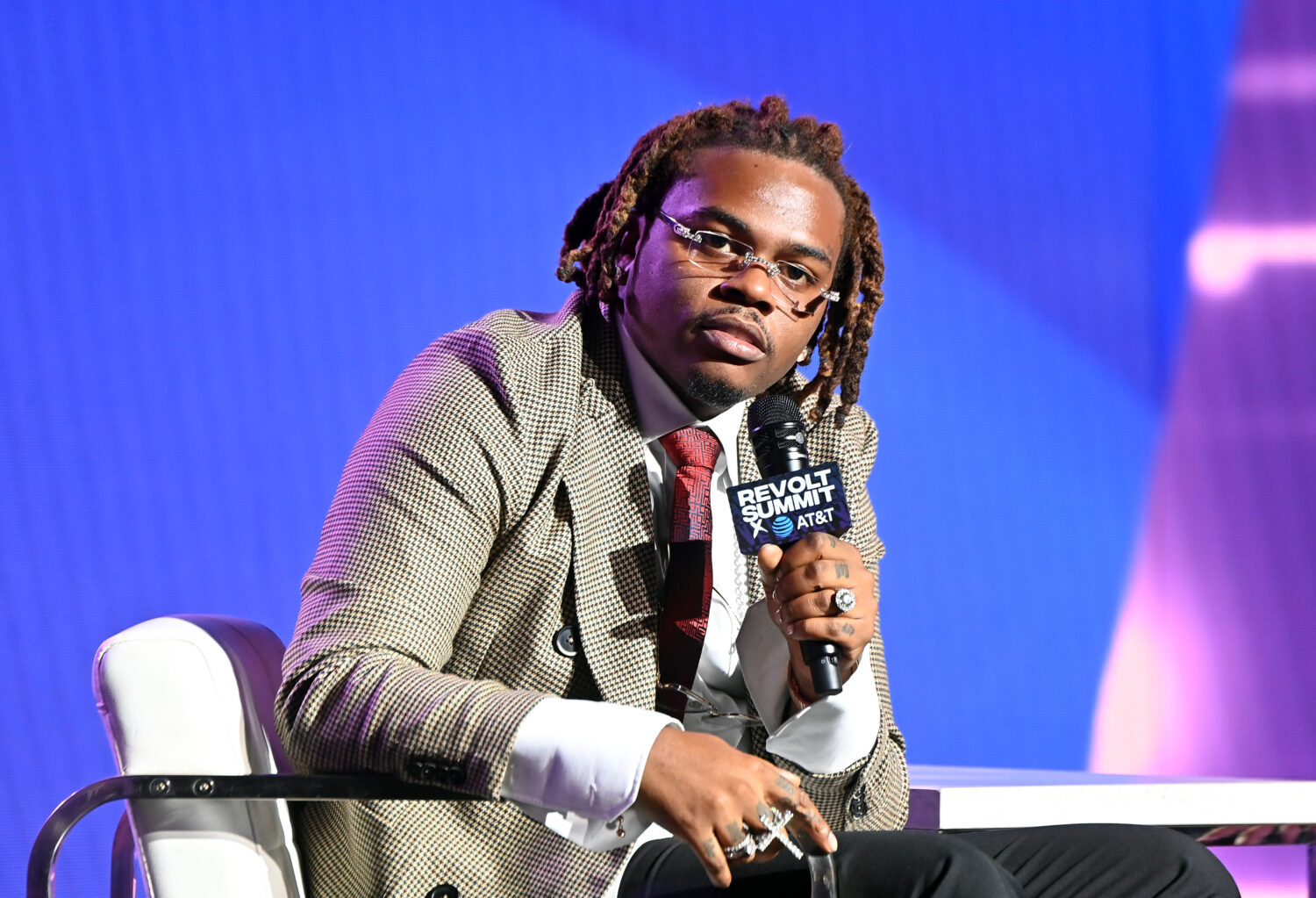
In 2017, the artist known as 2 Chainz (Tauheed Epps) held an estimated net worth of approximately $6 million. This figure reflected his transition from a regional Southern hip-hop staple to a mainstream commercial powerhouse, driven by consistent album releases, successful touring schedules, and lucrative brand partnerships that defined his career trajectory mid-decade.
The Foundation of Wealth: From Independent Hustle to Major Label Success
The financial standing of 2 Chainz by 2017 was not an overnight occurrence but the result of two distinct phases of a lengthy career. Born Tauheed Epps in College Park, Georgia, he first gained recognition as Tity Boi, one-half of the Southern hip-hop duo Playaz Circle. During this period, under the tutelage of Ludacris’s Disturbing tha Peace label, his earnings were largely tied to touring and modest recording advances.
The pivot in his financial trajectory occurred around 2011 and 2012 when he rebranded as 2 Chainz. This transition allowed him to shed the constraints of his earlier persona and embrace a high-energy, pop-inflected trap style. The success of his debut solo studio album, Based on a T.R.U. Story (2012), which debuted at number one on the Billboard 200, fundamentally shifted his earning potential. By 2017, he was no longer just a featured artist collecting guest appearance fees; he was an established headline act capable of commanding significant performance guarantees and major streaming royalties.
Revenue Streams Contributing to the 2017 Valuation
By 2017, the structure of a successful rapper’s income had evolved to include a diverse portfolio of revenue, and 2 Chainz utilized each segment effectively. His net worth was sustained by four primary pillars of income:
- Recording and Publishing Royalties: With the release of his fourth studio album, Pretty Girls Like Trap Music, in June 2017, 2 Chainz capitalized on massive streaming numbers. This album was critically and commercially acclaimed, reinforcing his relevance and ensuring steady royalty checks from platform distributions.
- Touring and Live Performance: In 2017, he embarked on the "Pretty Girls Like Trap Music Tour." Live performance remains the most significant income driver for established hip-hop artists. Between ticket sales, merchandise bundles, and festival appearances, touring accounted for the majority of his liquidity during that calendar year.
- Endorsements and Brand Collaborations: 2 Chainz became a prominent figure in marketing, famously appearing in a Super Bowl commercial for Expensify and collaborating with brands like Adidas. These partnerships provided flat-fee payments that buffered his income against the volatility of the music industry.
- Entrepreneurial Ventures: Beyond music, he diversified into hospitality and lifestyle branding. The creation of his clothing line, Dope, and his involvement in various Atlanta-based business initiatives helped build an equity base that contributed to his overall net worth assessment.
Comparative Financial Context in 2017
To understand why a $6 million valuation was an accurate representation of his standing in 2017, it is necessary to compare his trajectory against the broader landscape of the hip-hop industry during that period. 2017 was a year where digital streaming began to fully dominate physical and digital download sales, a shift that benefited artists with high "replay value" and recognizable branding like 2 Chainz.
| Revenue Category | Role in 2017 Wealth | Primary Influence |
|---|---|---|
| Streaming Royalties | High Impact | Album: Pretty Girls Like Trap Music |
| Touring/Live Shows | Primary Income | Major Market Headlining Tour |
| Brand Partnerships | Supplemental | Adidas & Lifestyle Collaborations |
| Business Equity | Long-term Value | Fashion lines and local ventures |
The Role of Independent Strategy and Reinvestment
A recurring theme in the financial reporting regarding 2 Chainz is his ability to maintain independence despite major label distribution. By 2017, he had established his own imprint, The Real University (T.R.U.). By functioning as a boss rather than just a hired talent, he secured a larger percentage of the profit margins on his music and merchandise.
His strategy involved minimizing overhead by utilizing his own network for production and promotion. This operational efficiency meant that while his gross revenue was high, his net profit margins—the amount that actually contributed to his personal net worth—were significantly higher than those of artists with higher gross receipts but predatory record deals. This fiscal discipline allowed him to maintain a positive net worth despite the high costs associated with maintaining a celebrity lifestyle and professional entourage.
Market Volatility and Asset Depreciation
When calculating net worth in the entertainment industry, analysts must account for the difference between liquid assets and gross earnings. A common misconception is that a rapper’s total career earnings equate to their net worth. For 2 Chainz in 2017, several factors mitigated his total wealth:
- Tax Liabilities: As a high-earning independent contractor in the entertainment field, a significant percentage of his income was subject to top-tier federal and state tax brackets.
- Operational Costs: The cost of recording equipment, studio time, management commissions (usually 15-20%), and legal fees associated with clearing samples and managing business entities significantly reduced his take-home pay.
- Lifestyle Expenses: Like many public figures in the hip-hop space, maintaining an image of success involves substantial expenditures on housing, transportation, and personal branding, which do not always act as appreciating assets.
FAQ: Understanding 2 Chainz's Financials
How was the net worth for 2 Chainz calculated in 2017?
Net worth in 2017 for public figures like 2 Chainz was estimated by aggregating known revenue streams—specifically album sales, streaming data, concert gross earnings, and publicly disclosed endorsement contracts—and subtracting standard industry overheads such as management, taxes, and living expenses.
Why is 2017 considered a pivot point in his career?
2017 marked the release of Pretty Girls Like Trap Music, which is widely regarded as one of his best critical performances. This commercial success solidified his transition from a "feature artist" who relied on guest verses to a consistent solo album powerhouse, which significantly increased his leverage for touring and brand deals.
Did 2 Chainz’s net worth fluctuate significantly after 2017?
Yes. Net worth for active artists is highly fluid. Following his 2017 performance, his expansion into more aggressive business ventures, including restaurant ownership and further development of his T.R.U. label, resulted in a continued increase in his total valuation in the years that followed.
What are the main risks to a rapper's net worth?
The primary risks include changes in public popularity (which affects streaming and touring), high management and production overhead, tax mismanagement, and the volatility of secondary business investments outside of the music industry.
Path Forward: Managing Wealth in the Music Industry
For those observing the financial model of 2 Chainz, the key takeaway is the importance of diversification. Relying solely on music sales is rarely sufficient for long-term wealth preservation. By 2017, 2 Chainz had successfully transitioned into a brand that transcended just his discography.
For aspiring artists or those interested in financial management within the arts, the recommendation is to prioritize the ownership of intellectual property and the creation of independent business entities. As seen in his 2017 financial profile, the artists who sustain their net worth are those who treat their music as a product and their brand as a business, ensuring that multiple streams of income are active simultaneously. Readers should note that celebrity net worth estimates are often based on public disclosures and industry standard projections and may not reflect private banking information or undisclosed debt obligations.