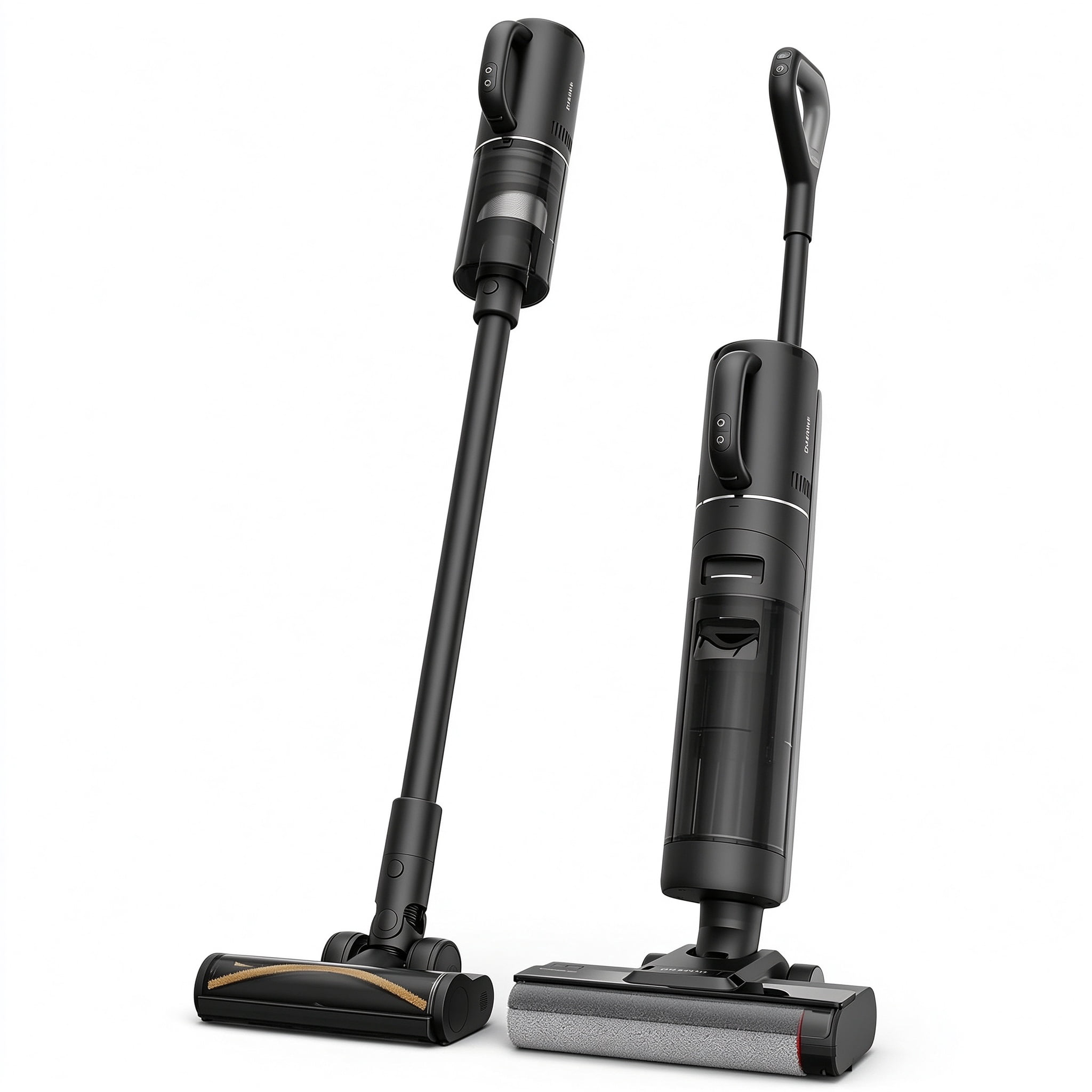
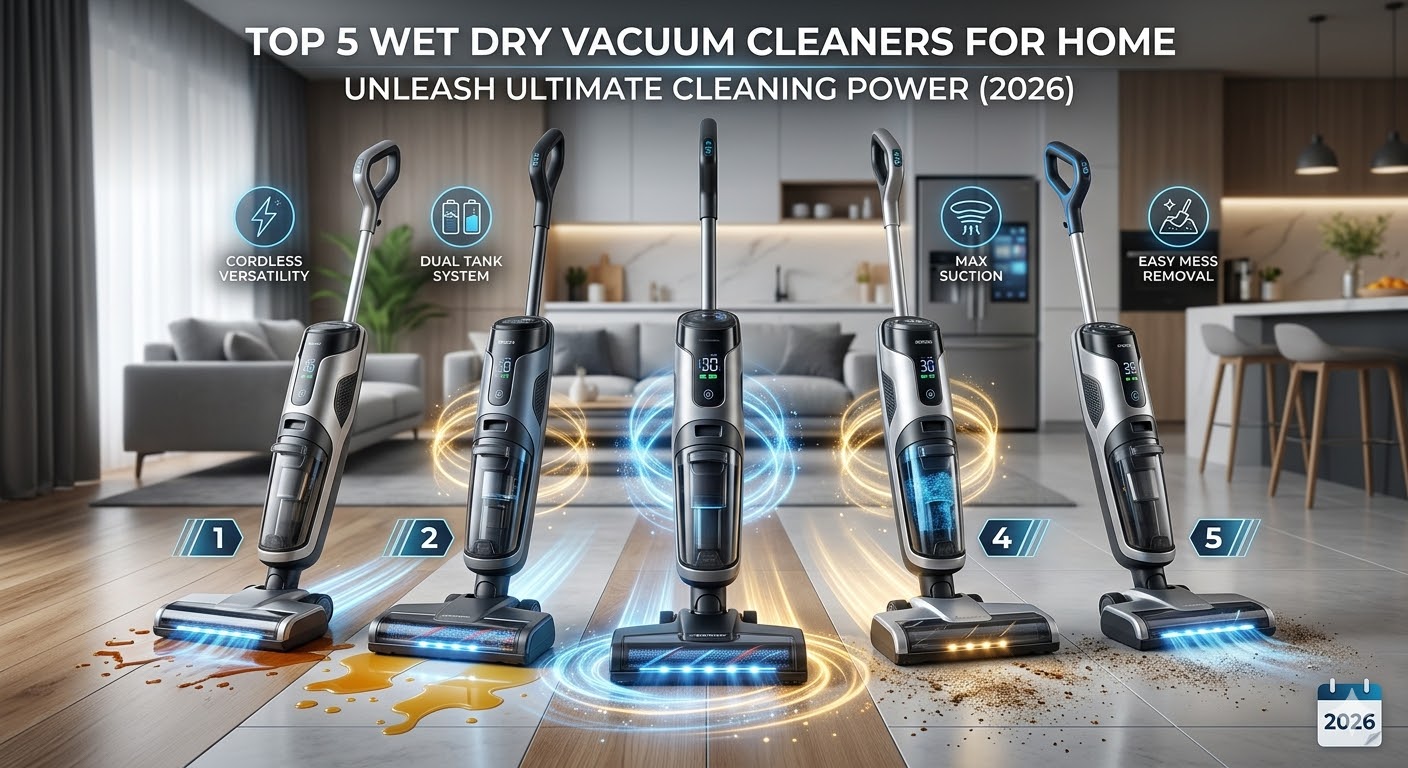
A 2-in-1 wet and dry vacuum cleaner is a versatile appliance designed to tackle both liquid spills and dry debris simultaneously. By combining powerful suction with mopping or scrubbing capabilities, these machines eliminate the need for separate sweeping and mopping, drastically reducing cleaning time while providing superior floor hygiene for modern homes.
The Evolution of Floor Care: From Shop Vacs to Residential Powerhouses
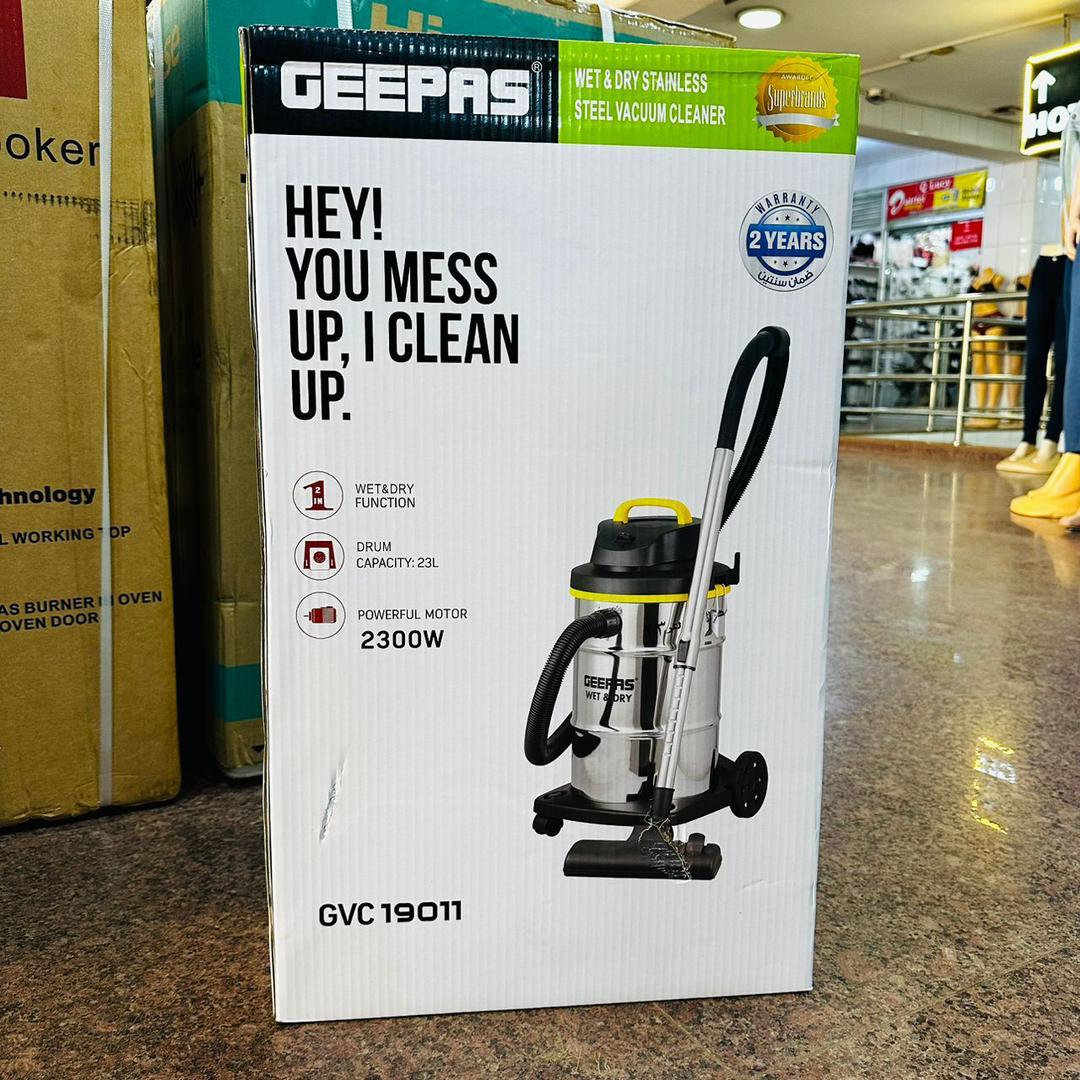
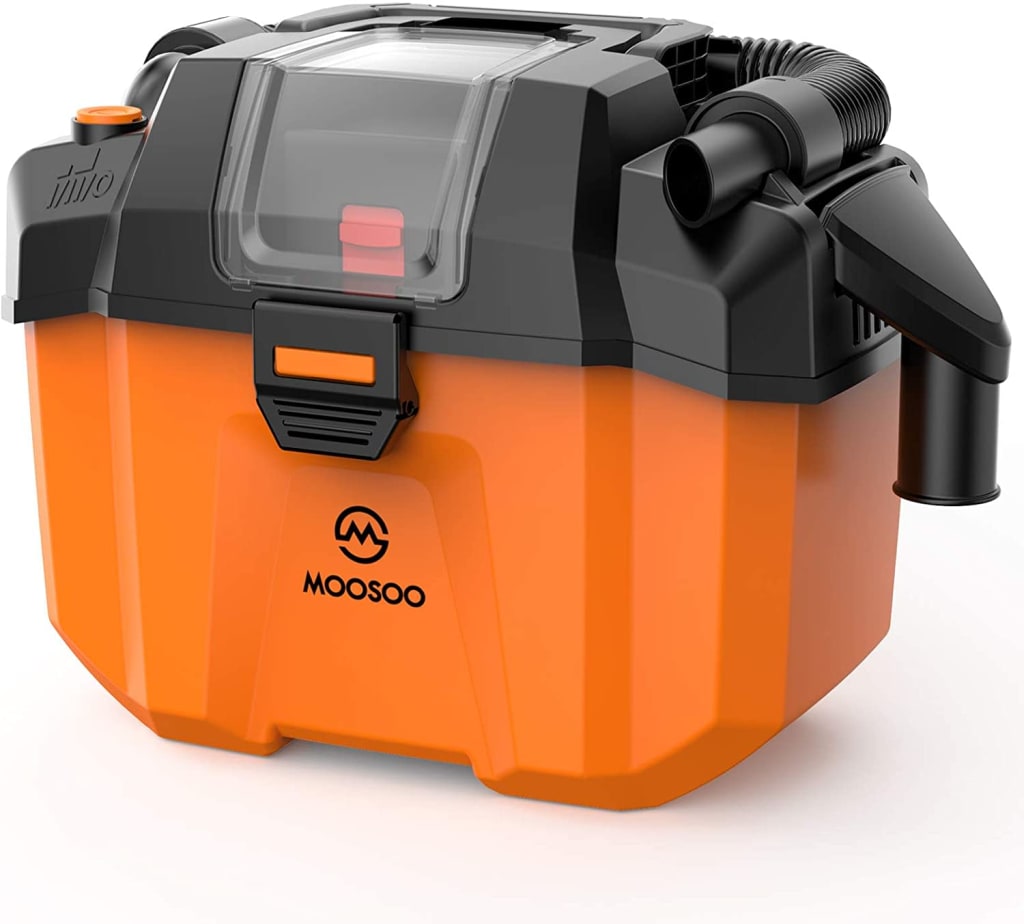
The concept of a wet and dry vacuum was once limited to the "shop vac"—a bulky, loud, industrial drum used in garages and construction sites. However, as of 2026, the technology has evolved into sleek, lightweight, and highly intelligent residential appliances. These modern "powerhouses" are often referred to as floor washers or all-in-one vacuum mops.
The primary innovation lies in the dual-tank system. Unlike traditional vacuums that pass air through a bag or a dry canister, 2-in-1 systems utilize a Clean Water Tank (CWT) and a Dirty Water Tank (DWT). As the machine moves forward, it dispenses fresh water and cleaning solution onto a high-speed rotating brush roll. This brush scrubs the floor while the motor provides high-velocity suction to pull the dirty water and debris into the recovery tank. This separation ensures that you are never "cleaning with dirty water," a common flaw of the traditional mop and bucket.
Furthermore, the integration of Brushless DC (BLDC) motors has allowed these machines to reach suction levels previously reserved for corded uprights. In the 2026 market, these motors provide greater efficiency, lower heat output, and a significantly longer lifespan than their predecessors, making the 2-in-1 vacuum a durable investment for the household.
Core Technical Features of a 2-in-1 System
To understand why these machines are considered the ultimate cleaning powerhouse, one must look at the technical components that differentiate them from standard stick vacuums.
Dual-Tank Separation Technology
The core of the wet/dry system is its ability to manage fluids and solids without damaging the internal motor. In 2026 models, advanced centrifugal separators are used within the dirty water tank to spin the air, forcing heavy water droplets and debris to the bottom while allowing clean air to pass through a HEPA filter. This prevents moisture from reaching the motor, which is the most common cause of failure in older vacuum designs.
Smart Mess Detection and Automation
Modern powerhouses are equipped with infrared sensors (often called iLoop or similar proprietary names) that detect the density of the mess on the floor. When the sensor identifies a thick spill or a concentrated patch of dust, the machine automatically increases its suction power and water flow. This "smart mode" optimizes battery life by only using maximum power when necessary, a critical feature for cordless models that need to cover large floor areas.
Self-Cleaning and Self-Drying Bases
Perhaps the most significant advancement in recent years is the evolution of the charging station. A 2-in-1 vacuum requires more maintenance than a dry vacuum because the brush roll remains wet after use. To combat mold and odors, 2026 models feature a one-touch self-cleaning cycle. The base flushes the brush roll with clean water at high speeds and then uses centrifugal drying or heated air (up to 55°C/131°F) to thoroughly dry the roller. This ensures the machine is hygienic and ready for the next use without manual intervention.
Performance Metrics: What Makes a "Powerhouse"?
When evaluating a 2-in-1 wet and dry vacuum, performance is measured through several key metrics that define its "powerhouse" status.
- Suction Power (Air Watts or Pascals): While dry vacuums often boast 20,000 Pa or more, wet/dry vacuums must balance suction with water management. A high-end model in 2026 typically offers between 150 and 250 Air Watts, providing enough lift to remove heavy liquids like milk and cereal or spilled pasta.
- Brush Roll Speed: The scrubbing power is determined by the RPM (Revolutions Per Minute) of the brush. Most top-tier models operate at 400 to 600 RPM. This high-speed agitation is what allows the machine to remove dried-on stains that a standard vacuum would simply glide over.
- Edge-to-Edge Cleaning: Older models often had a 1-inch gap between the brush and the wall. Current "powerhouse" designs feature ultra-slim bezels, allowing the brush roll to get within 1-2 millimeters of baseboards, ensuring no "dead zones" are left uncleaned.
Comparing Floor Care Solutions
To decide if a 2-in-1 wet and dry vacuum is the right choice, it is helpful to compare it against traditional cleaning methods across various categories.
| Feature | Traditional Vacuum | Mop and Bucket | 2-in-1 Wet/Dry Vac |
|---|---|---|---|
| Dry Debris Removal | Excellent | Poor (pushes dirt) | Excellent |
| Liquid Spill Handling | Dangerous/Impossible | Good | Excellent |
| Stain Scrubbing | None | Manual Effort | Automated High-Speed |
| Hygiene Level | High (HEPA) | Low (recycles dirty water) | Very High (Dual Tank) |
| Storage Space | Moderate | High (Bucket/Mop/Vac) | Low (Single Unit) |
| Setup Time | Instant | High (Filling/Moving) | Instant/Moderate |
| Maintenance | Low | Moderate | High (Tank Emptying) |
Operational Limitations and Considerations
While the 2-in-1 wet and dry vacuum is a formidable tool, it is not without limitations. Prospective users must be aware of the trade-offs involved in such a complex machine.
Surface Constraints
Most residential wet/dry vacuums are optimized for hard floors, including hardwood, tile, laminate, and stone. While some models feature a "rug mode" or a specialized brush roll for low-pile carpets, they are generally not a replacement for a dedicated carpet deep-cleaner. The moisture levels used for hard floor scrubbing can leave carpets damp if the suction is not perfectly calibrated, and they lack the long bristles required to agitate deep-set dirt in high-pile rugs.
Maintenance Requirements
A 2-in-1 machine requires more "post-cleaning" care than a standard vacuum. The Dirty Water Tank must be emptied and rinsed after every use. Failure to do so, even for 24 hours, can result in bacterial growth and significant odors. While self-cleaning cycles mitigate this, the user must still manage the waste disposal.
Battery Life and Weight
Because these machines carry two tanks of water and a motor powerful enough to move both air and liquid, they are heavier than standard stick vacuums. A full clean-water tank adds several pounds to the unit. Furthermore, the energy required to spin the brush and maintain high suction means that battery life typically ranges from 30 to 45 minutes, which may require strategic cleaning in very large homes.
Maximizing Efficiency: Best Practices for Use
To get the most out of a cleaning powerhouse, users should follow established protocols for machine longevity and floor health.
- Use Recommended Solutions: Many 2-in-1 vacuums require low-sudsing cleaning solutions. Using standard dish soap or high-foam floor cleaners can create excessive bubbles that bypass the separator and damage the motor.
- Clear Large Obstacles: While these machines can handle "chunky" spills, they are not industrial wood chippers. Picking up large items like socks or heavy plastic before vacuuming prevents brush roll jams and protects the drive belt.
- Regular Filter Maintenance: Even with a water-based system, HEPA filters can become clogged with fine dust that bypasses the water trap. Rinsing the filter (and allowing it to dry for 24 hours) monthly ensures that suction power remains at peak levels.
- The "Slow Move" Technique: Unlike dry vacuuming, which people often do quickly, wet/dry cleaning is most effective when the machine is moved at a deliberate pace. This gives the brush roll more "dwell time" on stains and ensures the vacuum has enough time to recover all dispensed water.
FAQ
Can a 2-in-1 wet/dry vacuum replace my regular vacuum?
Yes, for homes with predominantly hard flooring, a 2-in-1 wet and dry vacuum can serve as the primary cleaning tool. It handles dry dust, pet hair, and crumbs just as effectively as a standard vacuum while adding the ability to mop. However, if your home has significant areas of high-pile carpeting, you may still require a traditional vacuum with a dedicated carpet beater bar.
Is it safe to use a wet/dry vacuum on sealed hardwood floors?
Modern wet/dry vacuums are designed to be safe for sealed hardwood. They use a controlled amount of water and immediate high-power suction to ensure that no standing water is left behind. According to standards set by the Association of Home Appliance Manufacturers (AHAM), these devices are tested to ensure they do not cause warping or moisture damage to properly finished wood surfaces.
How often should I replace the brush roll?
In a typical household, the brush roll should be replaced every 3 to 6 months, depending on usage frequency and floor texture. Rougher tile surfaces will wear down the microfibers faster than smooth laminate. Most 2026 models include a "wear indicator" in their connected apps or on the LED display to notify the user when the brush's scrubbing efficiency has dropped.
Do these vacuums work on pet hair and tangles?
Most high-end 2-in-1 vacuums now feature anti-tangle technology, which uses a scraper or a specialized comb inside the floor head to remove hair from the brush roll as it spins. This prevents long pet hair from wrapping around the cylinder and clogging the suction path.
Can I use hot water in the clean water tank?
Most manufacturers recommend using lukewarm water (under 60°C/140°F). Boiling water can damage the internal seals and plastic tubing of the machine. For stubborn stains, it is more effective to use the designated cleaning solution rather than increasing the water temperature to extreme levels.
Final Recommendation for Homeowners
When selecting a 2-in-1 wet and dry vacuum cleaner in 2026, prioritize models that offer self-drying capabilities and smart mess detection. These features transition the device from a mere tool to a true "powerhouse" by minimizing manual maintenance and maximizing battery efficiency. If your home consists of 70% or more hard flooring, this appliance is likely the single most impactful upgrade you can make to your cleaning repertoire, offering a level of hygiene and convenience that traditional tools cannot match. Ensure you verify the availability of replacement filters and brush rolls for your specific model to guarantee long-term performance.