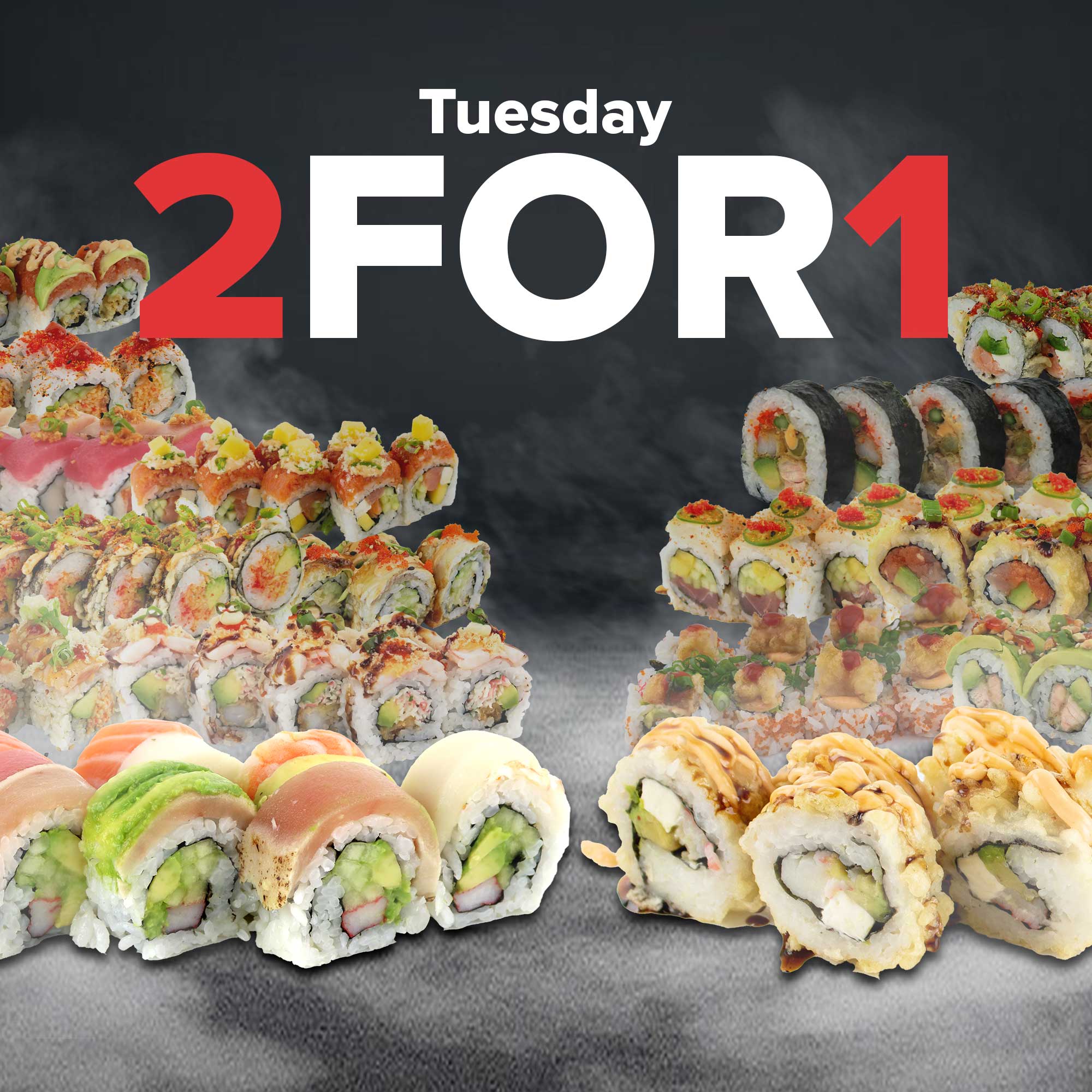
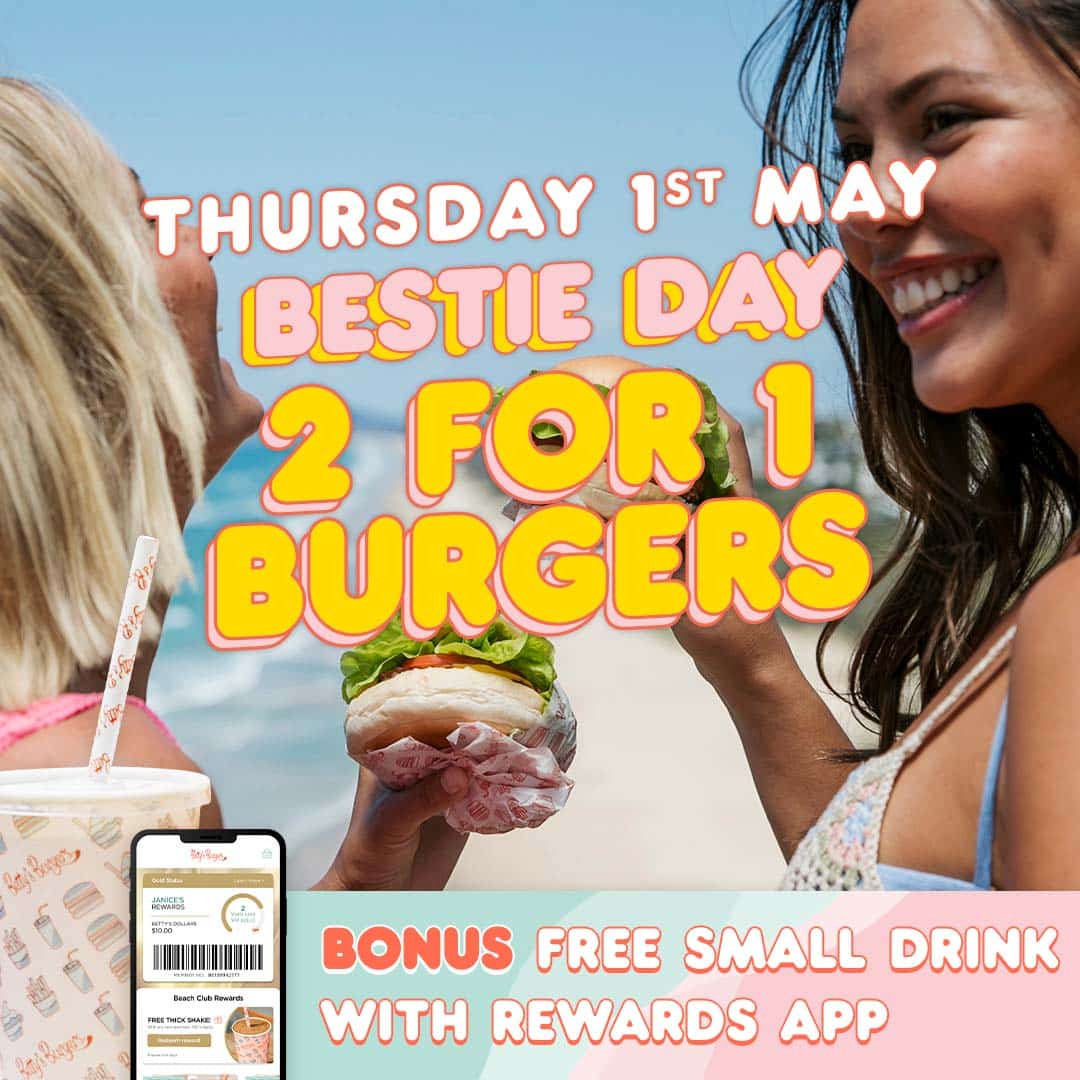
A 2 for 1 promotion, commonly referred to as "Buy One Get One Free" (BOGO), is a marketing strategy where a customer receives a second unit of a product or service at no additional cost upon the purchase of a single unit at the standard retail price. This tactic is primarily used to accelerate inventory turnover, drive consumer acquisition, and capitalize on the psychological preference for "free" rewards over equivalent percentage-based discounts.
The Psychological Mechanics of the "Free" Incentive
The enduring success of the 2 for 1 offer lies in behavioral economics, specifically the "zero price effect." In 2026, consumer psychology remains deeply rooted in the irrational excitement generated by the word "free." Research consistently demonstrates that shoppers perceive a significantly higher value in receiving a second item for free than they do in receiving a 50% discount on two separate items, even though the mathematical outcome—a 50% reduction in unit cost—is identical.
This phenomenon occurs because "free" eliminates the perceived risk of a transaction. When a consumer pays for an item, there is a mental "pain of paying." However, when the second item is added at no cost, the brain focuses on the benefit rather than the expenditure. In a retail landscape saturated with data-driven advertisements, 2 for 1 deals cut through the noise by offering a clear, tangible benefit that requires minimal cognitive effort to calculate.
Furthermore, the 2 for 1 model encourages "stockpiling" behavior. Consumers who might only need one unit of a product are incentivized to purchase immediately to secure the "bonus" value. This not only increases the volume of goods moved but also prevents the consumer from purchasing a competitor’s product in the near future, effectively capturing a larger share of the customer's wallet.
Business Strategy: Why 2 for 1 Remains the Gold Standard
For businesses operating in 2026, 2 for 1 promotions are not merely about giving away products; they are strategic tools for liquidity and market positioning. Retailers utilize these offers to achieve several key objectives:
Inventory Liquidation and Cash Flow
One of the most common applications of the 2 for 1 offer is the rapid clearing of seasonal or expiring stock. As new product lines arrive, shelf space becomes a premium asset. A BOGO deal can move twice the volume of a standard sale, allowing a business to recoup its initial investment and clear warehouse space in half the time. This is particularly critical in industries with high carrying costs or perishable goods.
Customer Acquisition and Loyalty
The 2 for 1 offer serves as a "loss leader" or a high-conversion entry point. By offering an irresistible deal, brands can attract new customers who may have been hesitant to try a product at full price. Once the customer has two units of the product, they have double the opportunity to integrate that product into their daily routine, increasing the likelihood of long-term brand loyalty.
Blended Margin Management
While a 2 for 1 deal represents a 50% discount on the gross sale, savvy businesses manage their margins by applying these deals to products with high markups. For example, in the apparel or supplement industries, where production costs are often a fraction of the retail price, a 2 for 1 offer can still result in a positive net margin while significantly boosting total revenue.
The Digital Evolution of BOGO in 2026
By 2026, the traditional paper coupon for 2 for 1 deals has been largely replaced by sophisticated digital ecosystems. Modern "2 for 1" mechanics are now integrated into "Phygital" retail—the blend of physical and digital shopping experiences.
Personalized Loyalty Apps
Current loyalty programs use AI-driven algorithms to offer 2 for 1 deals tailored to specific consumer habits. If a customer frequently purchases a specific brand of oat milk, the retailer’s app may trigger a 2 for 1 offer on a new flavor from the same brand. This level of personalization ensures that the promotion is relevant, reducing "discount fatigue" and increasing redemption rates.
Subscription-Based 2 for 1 Access
Many service-based industries, such as dining and travel, have moved toward a subscription model where members pay a monthly fee to unlock 2 for 1 deals year-round. This provides the business with a steady stream of recurring revenue while offering the consumer consistent, high-value savings.
Social Commerce and "Shareable" BOGO
Social media platforms in 2026 have integrated "Split the Deal" features. These allow two friends to virtually team up on a 2 for 1 offer. One friend buys the item, and the digital platform facilitates the "free" second item being shipped to the second friend, effectively turning a solo purchase into a social referral event.
Comparing Promotion Models
To understand the specific utility of the 2 for 1 offer, it is helpful to compare it against other common discount structures.
| Promotion Type | Primary Objective | Consumer Perception | Impact on Inventory | Margin Impact |
|---|---|---|---|---|
| 2 for 1 (BOGO) | Volume & Liquidation | Exceptional Value | Very High | Significant |
| 50% Off Single Item | Lower Entry Barrier | Practical/Fair | Moderate | Moderate |
| Buy 1 Get 1 50% Off | Margin Protection | Good Value | Moderate | Low |
| 3 for 2 (Buy 2 Get 1) | Stockpiling | Moderate Value | High | Low |
| Tiered (Spend $100, Save $20) | Average Order Value | Conditional | Low | Minimal |
Legal and Ethical Considerations
In 2026, consumer protection agencies like the Federal Trade Commission (FTC) maintain strict guidelines regarding 2 for 1 promotions. The core requirement is that the "first" item must be sold at its genuine, regular price.
Retailers are legally prohibited from inflating the price of a single item just before a 2 for 1 promotion to offset the cost of the free item. Doing so constitutes "fictitious pricing" and can lead to significant fines and class-action lawsuits. Furthermore, the terms and conditions—such as expiration dates, "limit one per customer" rules, and return policies—must be clearly disclosed to the consumer at the point of sale.
For consumers, it is important to verify that the "free" item is of equal or lesser value than the purchased item. In 2026, transparency in pricing is a major competitive advantage, and reputable brands provide clear breakdowns of unit prices even within a promotional offer.
Strategic Implementation for Retailers
For a business to successfully execute a 2 for 1 campaign without eroding its brand value, it must follow a structured approach:
- Define the Objective: Is the goal to clear old stock, introduce a new product, or increase foot traffic?
- Select the Right SKUs: Focus on items with high enough margins to sustain a 50% gross discount or items that have high "attach rates" (products that lead to the purchase of complementary full-price items).
- Determine the Duration: 2 for 1 deals are most effective when they create a sense of urgency. A 48-hour "Flash BOGO" usually generates more excitement than a month-long campaign.
- Omnichannel Integration: Ensure the offer is synchronized across the physical store, the website, and the mobile app to prevent consumer confusion.
- Track the "Halo Effect": Measure not just the sales of the promotional items, but also the increase in sales of non-discounted items by customers who were drawn in by the 2 for 1 offer.
Consumer Best Practices: Navigating 2 for 1 Deals
While 2 for 1 offers provide immense value, they can also lead to overspending if not approached strategically. Consumers should use the following checklist before committing to a BOGO deal:
- Unit Price Analysis: Always check the unit price (e.g., price per ounce) of the 2 for 1 deal against a larger "bulk" size of the same product. Sometimes the bulk size is still cheaper per unit.
- Perishability Check: Do not buy two of a product if you cannot consume both before the expiration date. A 2 for 1 deal on milk is only a saving if you use both gallons; otherwise, it is a 0% discount on the one you used.
- Need vs. Want: Ask whether you would have bought the item at full price. If the answer is no, the "free" item is costing you the price of the first one.
- Return Policy Knowledge: Be aware that many retailers require you to return both items to receive a full refund, or they may only refund 50% of the single-item price if only one is returned.
How does 2 for 1 differ from a 50% off sale?
While the mathematical discount is the same (50% per unit), a 2 for 1 deal forces the consumer to acquire two units, whereas a 50% off sale allows for the purchase of a single unit at half price. From a business perspective, 2 for 1 is better for moving volume; from a consumer perspective, 50% off is better for those who only need one item.
Can businesses still make a profit with 2 for 1 deals?
Yes. Many products have a gross margin of over 60-70%. By doubling the volume sold through a 2 for 1 offer, the business still covers the cost of goods sold (COGS) and contributes to fixed overhead, while simultaneously reducing inventory holding costs.
Are 2 for 1 deals applicable to services like travel or dining?
Absolutely. In 2026, 2 for 1 deals are common in the service sector, such as "Buy One Airfare, Get One Free" or "2 for 1 Entrees" at restaurants. These are often used during "off-peak" times to ensure the business remains occupied, as the cost of serving a second customer is often lower than the cost of having an empty seat.
What should I do if a 2 for 1 discount isn't applying at checkout?
First, verify that the items are identical or meet the "mix and match" criteria specified in the promotion. Second, check if a loyalty card or digital coupon must be activated first. If the error persists, take a screenshot or photo of the promotional signage and contact customer service immediately.
How do digital 2 for 1 coupons work in 2026?
Most digital 2 for 1 offers are linked to a biometric or QR-code-based loyalty account. When the items are scanned at checkout, the system automatically recognizes the qualifying pair and deducts the price of the lower-valued item from the total.
Executing a Data-Driven 2 for 1 Strategy
To truly benefit from 2 for 1 promotions in 2026, both businesses and consumers must look beyond the initial "free" allure. For businesses, the next step is to integrate these offers into a broader lifecycle marketing plan—using the BOGO event as a hook to collect data and build a long-term relationship. For consumers, the goal should be to use 2 for 1 offers to lower the "annualized cost" of essential goods. By tracking these promotions and timing purchases of non-perishable staples, a household can effectively reduce its cost of living by 20-30% without changing its consumption habits. Always prioritize quality over quantity, and ensure that the "free" item adds genuine utility to your life rather than just clutter to your home.