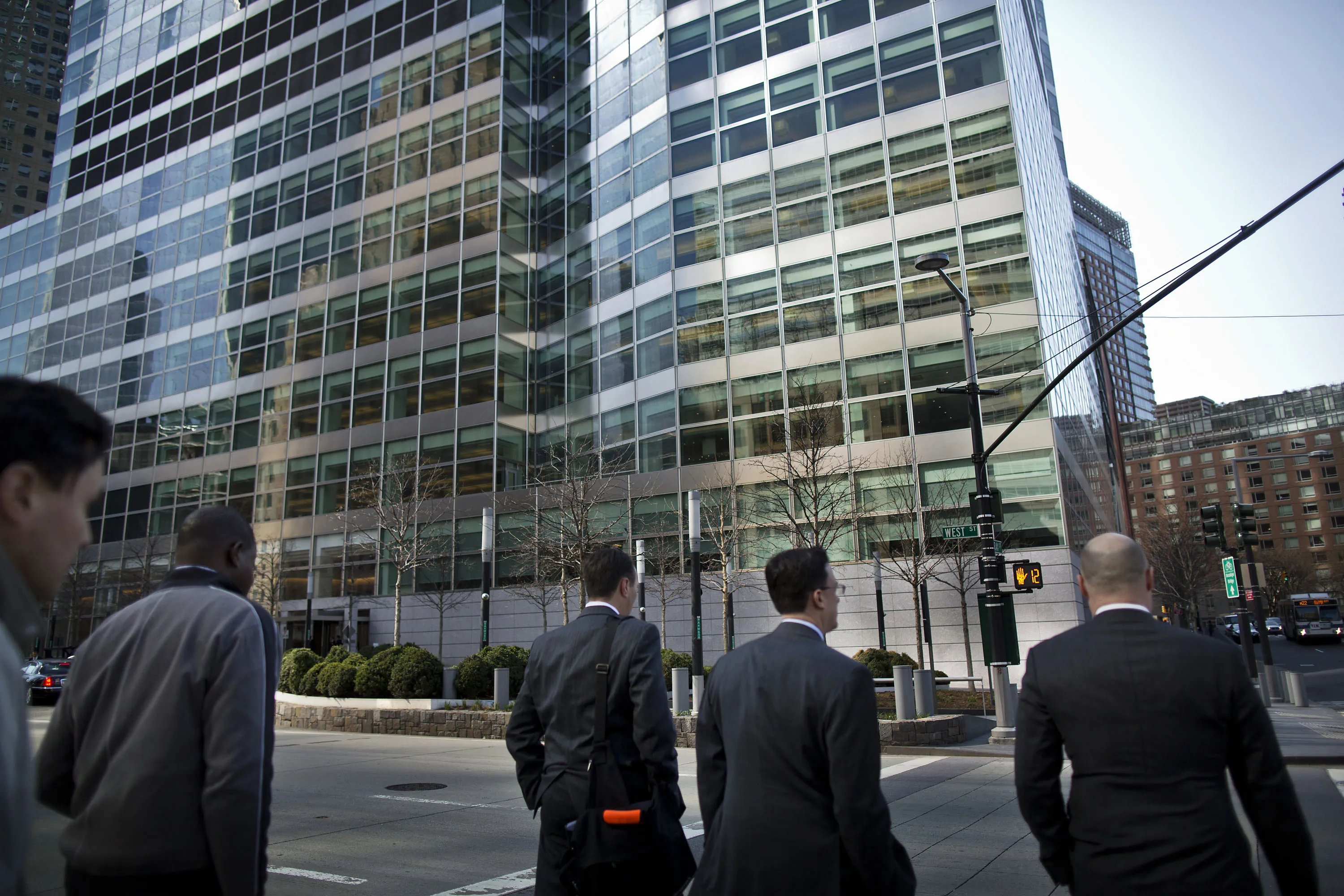
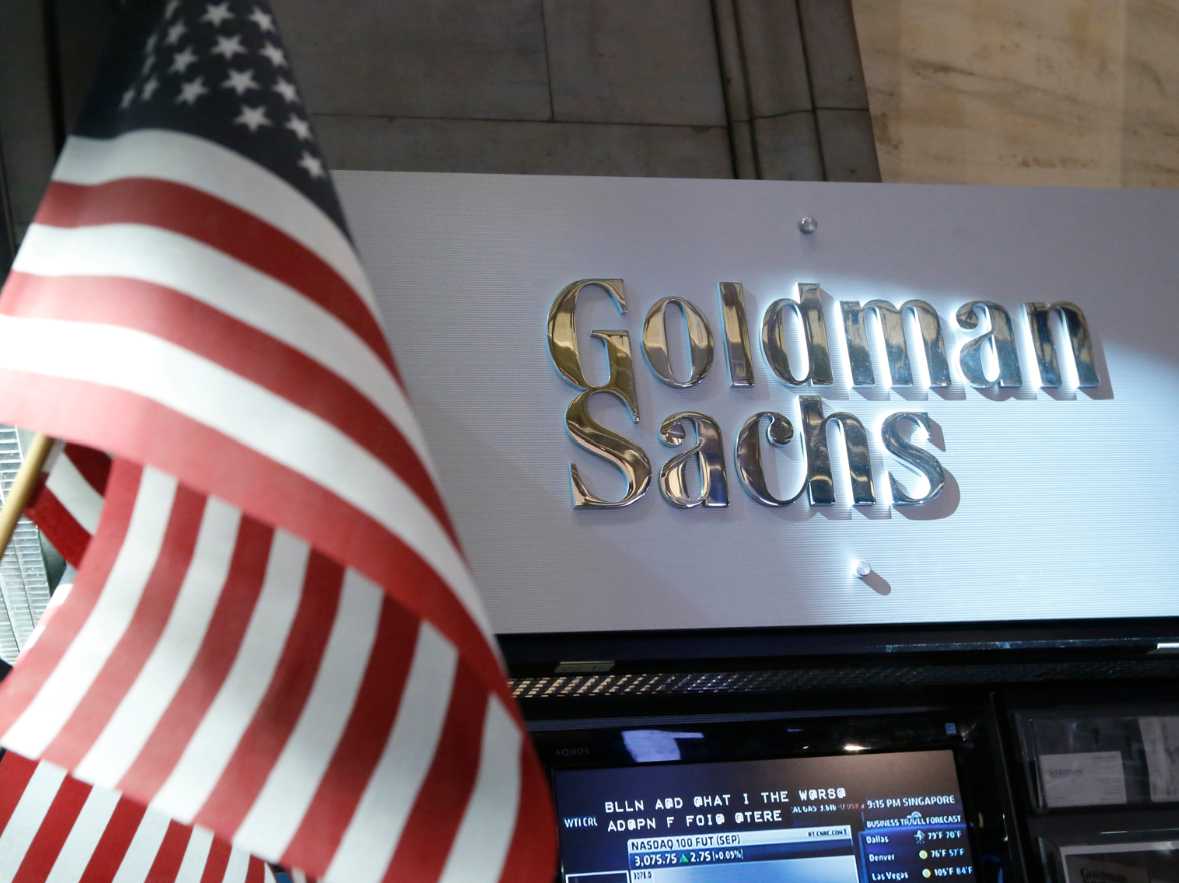
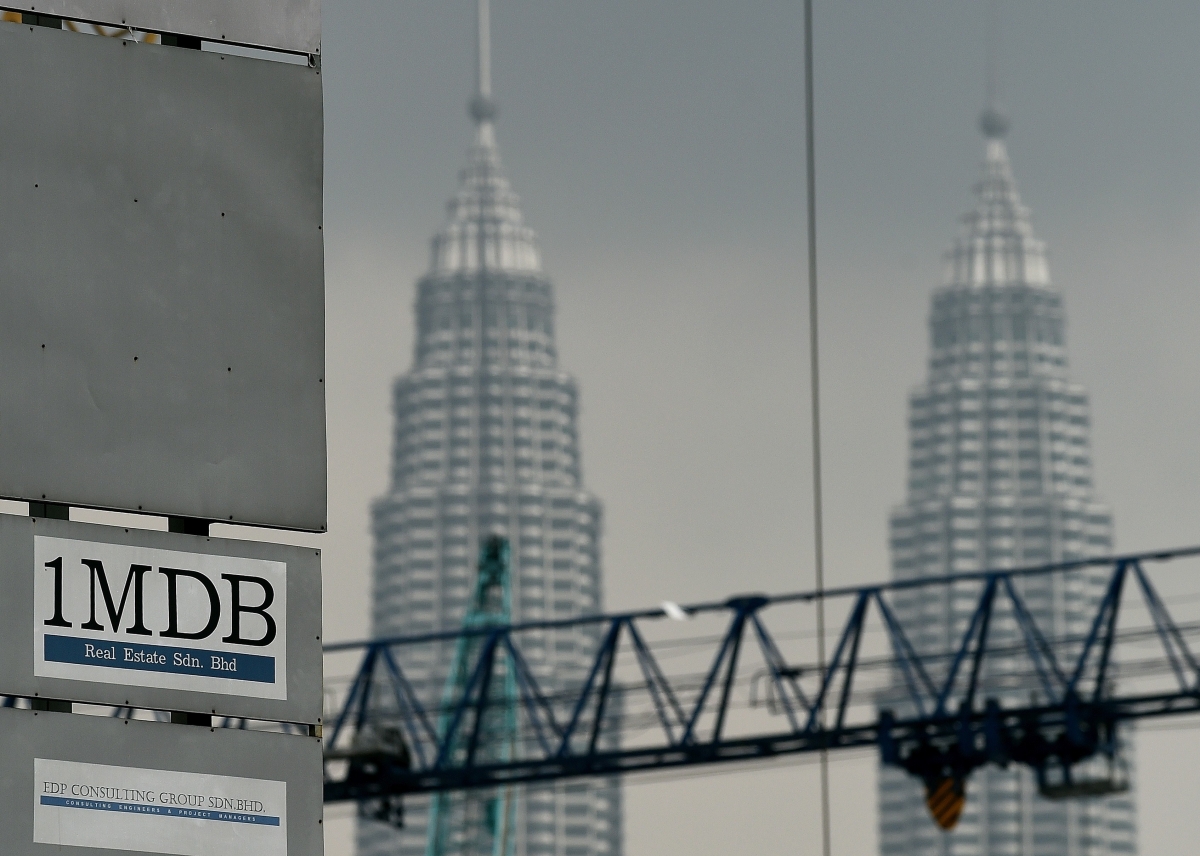
The 1MDB Goldman Sachs scandal centers on the multi-billion-dollar embezzlement from Malaysia's state development fund and the Wall Street bank's role in underwriting bond sales that facilitated the fraud. This massive international corruption case resulted in unprecedented regulatory fines, criminal guilty pleas for subsidiary operations, and widespread scrutiny of compliance protocols within global investment banking.
Origins and Mechanics of the 1Malaysia Development Berhad Fund
Established in 2009, 1Malaysia Development Berhad (1MDB) was originally conceived as a strategic investment fund intended to drive long-term economic development for Malaysia through global partnerships and foreign direct investment. Governed by the Malaysian Ministry of Finance, the fund was tasked with transforming Kuala Lumpur into a regional financial hub and investing in key sectors such as energy, real estate, and tourism. However, structural vulnerabilities, including a lack of institutional transparency and excessive political oversight by former Prime Minister Najib Razak—who chaired the fund’s advisory board—created an environment susceptible to manipulation.
The core of the financial scheme involved diverting capital raised through international debt markets away from legitimate developmental projects and into private accounts controlled by key conspirators, most notably the Malaysian financier Jho Low. Investigators across multiple jurisdictions later revealed that these diversions occurred through complex layers of shell companies, offshore accounts, and falsified corporate resolutions. By inflating project costs and executing fraudulent asset transfers, the perpetrators systematically hollowed out the fund while saddling the Malaysian government with massive sovereign debt obligations that required repeated bailouts.
Goldman Sachs and the Bond Underwriting Operations
Between 2012 and 2013, Goldman Sachs orchestrated three landmark bond offerings for 1MDB, raising a total of $6.5 billion intended for energy investments and infrastructure projects. The investment bank earned extraordinary fees—approximately $600 million—far exceeding standard market rates for comparable sovereign debt issuances. These lucrative fees incentivized the bank's deal-making team to push transactions through rapidly, overriding standard compliance red flags and ignoring warnings regarding the ultimate destination of the capital.
The underwriting process relied on the issuance of senior notes by 1MDB subsidiaries, which were marketed to institutional investors worldwide. Tim Leissner, the former Southeast Asia chairman for Goldman Sachs, and Roger Ng, a former managing director, served as the primary architects of the banking relationship. Federal investigations later established that Leissner and Ng bypassed internal control mechanisms, circumvented compliance reviews, and facilitated massive kickbacks to secure the mandate, utilizing bribes to influence both Malaysian and Abu Dhabi officials involved in guaranteeing the transactions.
Regulatory Investigations and Global Enforcement Actions
As financial irregularities surfaced, international regulatory and law enforcement agencies launched coordinated cross-border investigations. The United States Department of Justice (DOJ), utilizing the Kleptocracy Asset Recovery Initiative, filed civil forfeiture lawsuits to recover assets purchased with embezzled 1MDB funds, including luxury real estate, artwork, and superyachts. Investigators traced funds directly to Hollywood film productions, high-end jewelry purchases, and political campaign contributions, illustrating the broad infiltration of illicit capital into Western financial systems.
| Enforcement Agency / Jurisdiction | Primary Action or Penalty |
|---|---|
| United States Department of Justice | Criminal conspiracy charges and deferred prosecution agreement resulting in over $2.9 billion in penalties. |
| Goldman Sachs Group, Inc. | Guilty plea by subsidiary Goldman Sachs Malaysia Sdn Bhd for violating the Foreign Corrupt Practices Act (FCPA). |
| Malaysian Government | Comprehensive settlement recovery of $3.9 billion from Goldman Sachs in exchange for dropped charges. |
| Regulatory Bodies (US, UK, SG, MY) | Fines and enforcement actions against participating financial institutions and individual compliance failures. |
In October 2020, Goldman Sachs reached a comprehensive multi-jurisdictional settlement with authorities in the United States, Malaysia, Singapore, and the United Kingdom. The parent company admitted to conspiring to violate the anti-bribery provisions of the Foreign Corrupt Practices Act (FCPA). As part of the resolution, Goldman Sachs agreed to pay more than $2.9 billion in fines, disgorgements, and penalties, representing one of the largest regulatory enforcement actions in financial history for corporate corruption.
Individual Accountability and Criminal Convictions
The individual fallout from the 1MDB scandal led to criminal prosecutions of key corporate figures and political leaders. Tim Leissner pleaded guilty in 2018 to conspiracy to launder money and violate the FCPA, cooperating extensively with federal prosecutors to detail how internal compliance controls were systematically evaded. Roger Ng was extradited from Malaysia to the United States, where a federal jury convicted him in 2023 of foreign bribery and money laundering conspiracy charges.
In Malaysia, former Prime Minister Najib Razak faced extensive domestic prosecution for his role in the financial mismanagement and theft of funds from a former 1MDB unit, SRC International. Malaysian courts convicted Razak on multiple counts of abuse of power, criminal breach of trust, and money laundering, resulting in lengthy prison sentences. These domestic trials underscored the intersection of state authority and corporate malfeasance, demonstrating how sovereign immunity and political patronage enabled large-scale financial crime.
Long-Term Impacts on Investment Banking Compliance
The 1MDB scandal fundamentally altered risk assessment and compliance protocols across the global investment banking industry. Financial institutions instituted rigorous due diligence procedures for sovereign wealth fund transactions, focusing heavily on the ultimate beneficial ownership of counterparties and the precise verification of bond proceeds. Compliance departments gained enhanced independence and veto power over high-fee transactions, shifting the institutional culture away from aggressive revenue generation at the expense of legal and reputational risk management.
Furthermore, regulatory bodies intensified scrutiny of cross-border capital flows and the responsibilities of underwriting banks in emerging market debt issuances. Institutions are now required to maintain exhaustive documentation regarding client vetting, the economic rationale of complex corporate structures, and the prevention of illicit enrichment. The case serves as an enduring institutional benchmark for the severe legal, financial, and reputational costs associated with systemic failures in corporate governance and compliance oversight.
Frequently Asked Questions
What was Goldman Sachs' primary role in the 1MDB scandal?
Goldman Sachs acted as the underwriter for three major bond issuances for 1MDB, raising $6.5 billion between 2012 and 2013. The bank earned substantial fees for these transactions while failing to prevent billions of dollars from being diverted into accounts controlled by corrupt intermediaries.
How much did Goldman Sachs pay in total settlements regarding 1MDB?
Goldman Sachs agreed to pay more than $2.9 billion in fines, disgorgements, and penalties to authorities in the United States, Malaysia, Singapore, and the United Kingdom as part of a multi-jurisdictional settlement finalized in October 2020.
Did any Goldman Sachs executives face criminal charges?
Yes. Tim Leissner, the former Southeast Asia chairman, pleaded guilty to money laundering and FCPA violations. Roger Ng, a former managing director, was convicted by a U.S. federal jury in 2023 for conspiring to violate the FCPA and launder money.
What is the Foreign Corrupt Practices Act (FCPA) and how did it apply here?
The FCPA is a U.S. federal law that prohibits U.S.-connected entities and individuals from bribing foreign officials to obtain or retain business. Goldman Sachs subsidiary Malaysia pleaded guilty to violating the anti-bribery provisions of the FCPA through the payment of bribes to secure 1MDB bond mandates.
How did the scandal impact Malaysia's economy and political landscape?
The embezzlement burdened the Malaysian government with significant sovereign debt obligations, leading to multi-billion-dollar recovery efforts and national political shifts, including the historic electoral defeat of Prime Minister Najib Razak and his subsequent criminal conviction.
What changes have investment banks made since the 1MDB case?
Global financial institutions have overhauled their compliance frameworks, enhanced scrutiny of high-net-worth intermediaries, increased the authority of risk management divisions, and mandated stricter transparency requirements for sovereign debt underwriting.
Navigating Corporate Governance and Risk Mitigation
Financial institutions, corporate officers, and institutional investors seeking to mitigate exposure to complex cross-border financial crime must prioritize robust internal compliance architectures. Organizations should implement mandatory multi-tier approval processes for high-value transactions involving state-owned enterprises, enforce strict verification standards for beneficial ownership, and maintain independent oversight teams empowered to halt transactions when compliance anomalies are detected. Regular independent audits and comprehensive employee training on anti-corruption statutes remain essential safeguards against systemic fraud in international capital markets.