The 19th century transformed criminality, transitioning from rural agrarian offenses to complex, urban-centric illicit activities driven by the Industrial Revolution, rapid urbanization, and the birth of modern forensic science. This era laid the groundwork for contemporary criminal justice systems by introducing professional police forces, systematic detective work, and forensic identification techniques.
The Socioeconomic Landscape and the Rise of Urban Crime
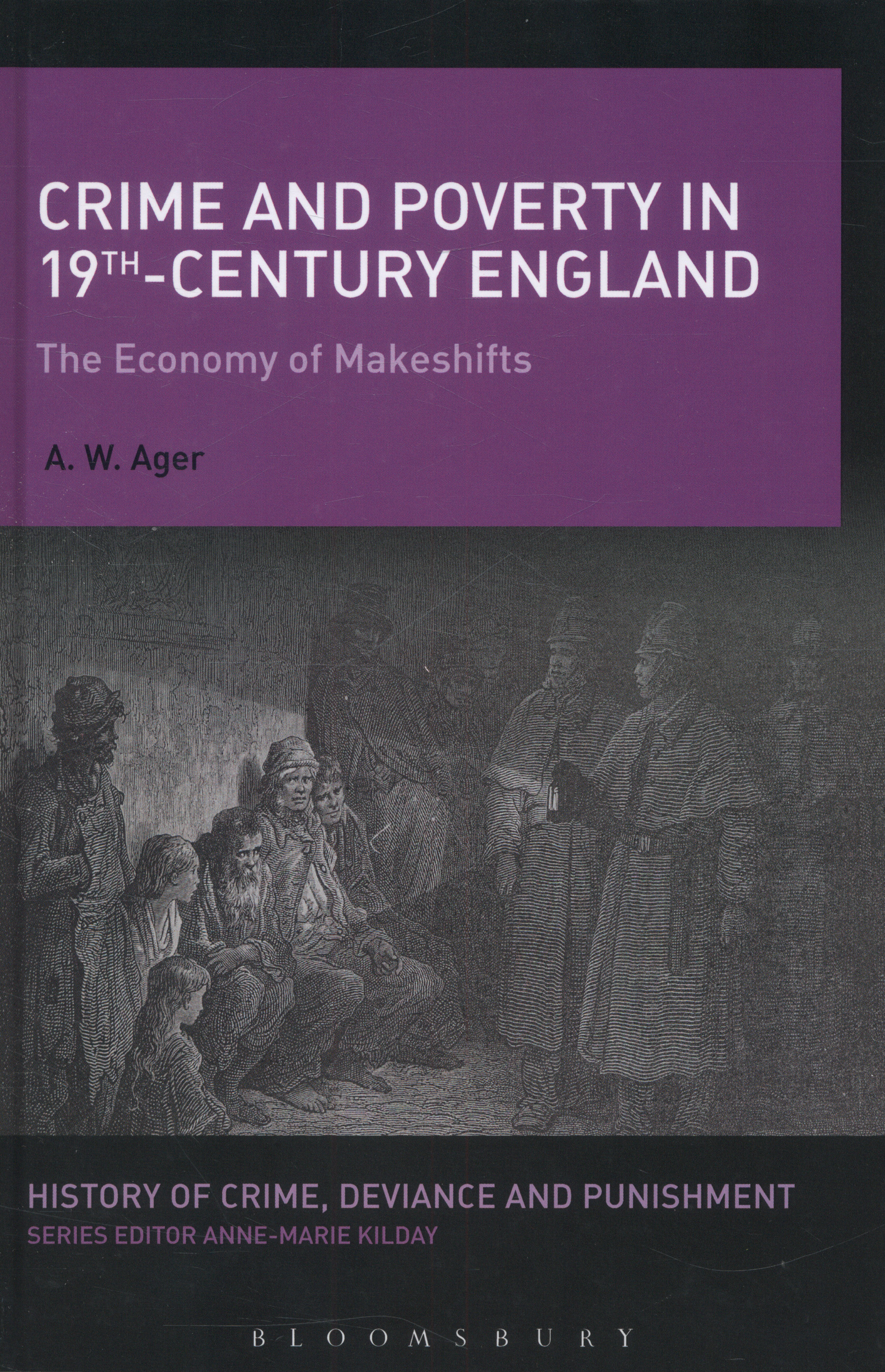
The Industrial Revolution triggered a massive demographic shift across the Western world. Millions of individuals migrated from rural agricultural communities to crowded industrial hubs like London, New York, Paris, and Manchester. This unprecedented urbanization created deep economic disparities, densely packed slums, and anonymous urban environments that served as fertile ground for criminal enterprise.
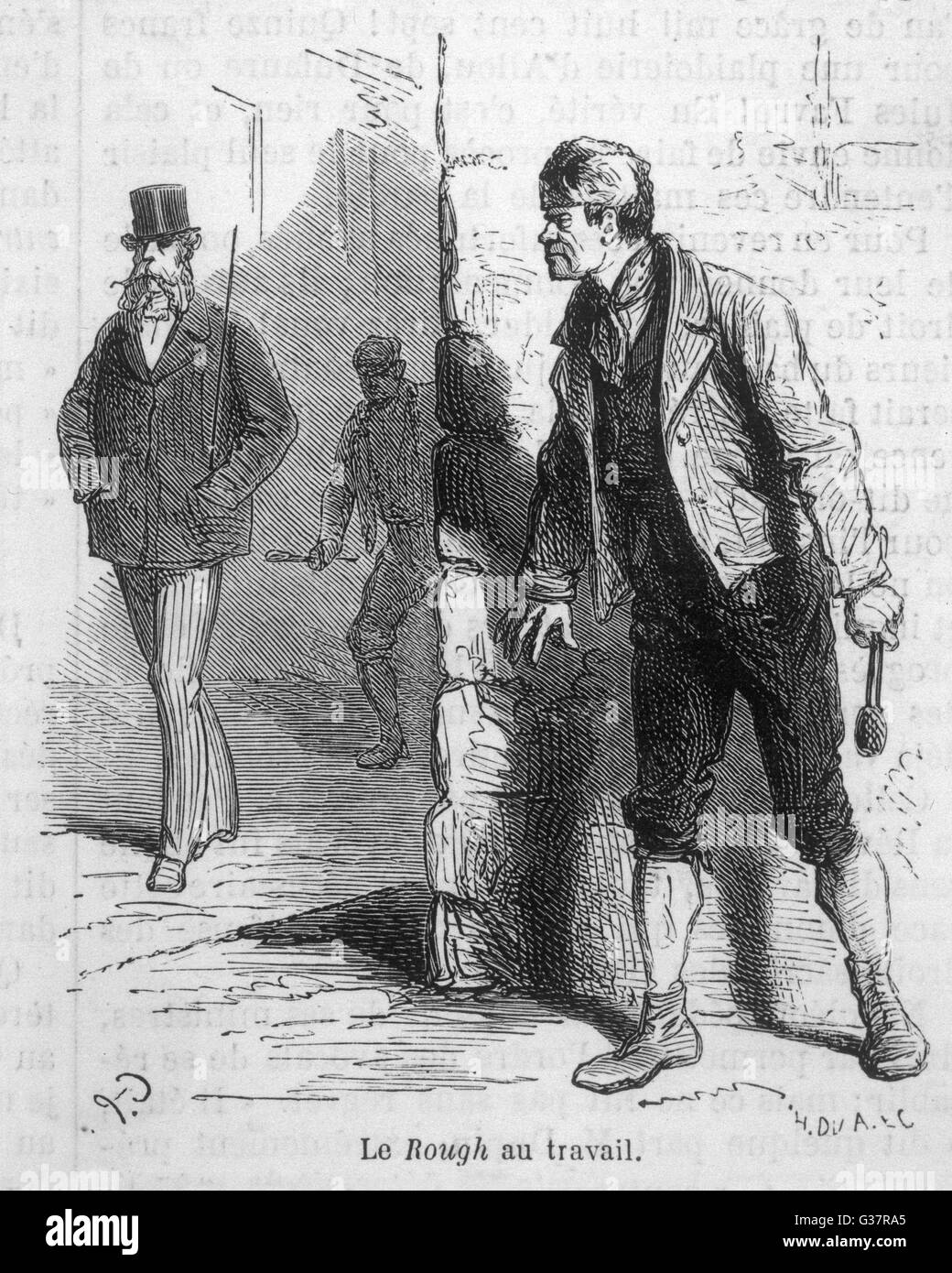
Traditional agrarian crimes, such as livestock theft, poaching, and petty boundary disputes, gave way to sophisticated urban offenses. Pickpocketing, confidence scams, burglary, and organized prostitution flourished in dimly lit alleyways and overcrowded tenements. The anonymity of the industrial city meant that criminals no longer operated under the watchful eye of a tight-knit village community. Instead, they could blend seamlessly into anonymous crowds, making apprehension significantly more difficult for traditional parish constables and night watchmen.
Poverty and lack of social safety nets further fueled this surge. Child labor was widespread, and destitute youths frequently formed street gangs, engaging in petty theft or serving as lookouts for adult criminals. The desperation engendered by unregulated industrial labor markets meant that survival often intersected directly with illicit survival strategies, forcing judicial authorities to rethink how society defined and punished criminal behavior.
Evolution of Law Enforcement: From Watchmen to Modern Detectives
At the dawn of the 19th century, law enforcement in major Western nations remained primitive, heavily reliant on volunteer parish constables, night watchmen, and profit-driven bounty hunters. These systems proved entirely inadequate for managing the sprawling metropolis. In response, governments instituted sweeping structural reforms to professionalize peacekeeping operations.
In 1829, Home Secretary Robert Peel introduced the Metropolitan Police Act in the United Kingdom, establishing the London Metropolitan Police based at Scotland Yard. These officers, dubbed "Bobbies" or "Peelers," wore distinctive blue uniforms and patrolled fixed beats to deter crime through visible presence rather than reactive force. Similarly, American cities transitioned from voluntary night watches to professional, salaried municipal police departments, beginning with New York City in 1845.
Alongside uniformed patrol officers, specialized detective branches emerged. The concept of the detective was initially viewed with suspicion by the public, who feared state surveillance and entrapment. However, high-profile investigations proved the necessity of plainclothes investigators who could gather intelligence, infiltrate criminal networks, and solve complex crimes after they occurred. Scotland Yard’s Detective Branch, established in 1842, and the Pinkerton National Detective Agency, founded in the United States in 1850, revolutionized investigative methodology by introducing record-keeping, surveillance, and systematic evidence collection.
Notorious Criminal Archetypes and High-Profile Cases
The 19th century generated public fascination with lawlessness, giving rise to iconic criminal archetypes and sensationalized media coverage. Penny dreadfuls in Britain and yellow journalism in the United States fed a voracious public appetite for tales of depravity, daring robberies, and gruesome murders, transforming infamous criminals into cultural anti-heroes or objects of morbid curiosity.
Highwaymen of the previous centuries faded into history, replaced by train robbers, bank bandits, and urban serial killers. In the American West, outlaws like Jesse James and Billy the Kid capitalized on vast geographic expanses and newly laid railroad networks to execute daring robberies. Meanwhile, urban environments birthed sophisticated fraudsters, counterfeiters, and confidence men who exploited the complex financial systems of the expanding capitalist economy.
Perhaps no criminal phenomenon captured the global imagination quite like the identity-defying terror of Jack the Ripper in 1888. Operating in the impoverished Whitechapel district of London, the unidentified serial killer brutally murdered at least five women, evading the best efforts of Scotland Yard. The case highlighted the severe limitations of contemporary forensic pathology and police intelligence, while simultaneously demonstrating the immense power of the mass media to spread panic and shape public discourse across continents.
| Offense Category | Primary Motivation | Typical Perpetrator Profile | Prevailing Enforcement Response |
|---|---|---|---|
| Pickpocketing & Petty Theft | Economic survival / Destitution | Urban street youths, impoverished laborers | Visible street patrols, summary magistrates |
| Bank & Train Robbery | High-yield financial gain | Organized outlaws, Western gangs | Private detectives (e.g., Pinkertons), posses |
| Counterfeiting | Economic gain / Fraud | Skilled artisans, organized rings | Federal treasury agents, specialized units |
| Serial Homicide | Psychological compulsion / Deviance | Opportunistic urban predators | Forensic pathology infancy, early detective work |
The Birth of Forensic Science and Criminal Identification
As criminal methods grew more complex, law enforcement officials recognized that intuition and witness testimony alone were insufficient to secure convictions. The latter half of the 19th century witnessed the birth of modern forensic science, transforming investigations from guesswork into an empirical discipline.
Toxicology made massive strides during this period, particularly in the detection of poisons such as arsenic, which was frequently utilized in domestic murders due to its widespread availability and symptoms that mimicked natural illnesses like cholera. The development of the Marsh test in 1836 by British chemist James Marsh allowed toxicologists to detect minute quantities of arsenic in human tissue, providing definitive scientific proof in courtrooms and leading to the conviction of notable poisoners like Marie LaFarge in France.
Concurrently, law enforcement agencies sought reliable methods to identify repeat offenders. Before fingerprinting became standard practice, French police officer Alphonse Bertillon developed anthropometry in the 1880s, a system of precise physical measurements combined with standardized photographs (mugshots). While Bertillonage proved effective, it was eventually superseded by fingerprint analysis, pioneered by Sir Francis Galton and Sir Edward Richard Henry, which established the unchangeable uniqueness of human friction ridges and provided an infallible method of personal identification.
Judicial Punishments, Prisons, and Penal Colonies
The penal philosophy of the 19th century underwent a profound evolution, shifting away from public corporal and capital punishment toward institutional incarceration and rehabilitation. Enlightenment ideals, combined with overcrowding in urban centers, forced governments to construct massive penitentiaries designed to reform offenders through isolation, labor, and moral instruction.
In the United Kingdom, the abolition of the death penalty for hundreds of minor offenses led to the increased reliance on penal transportation. Convicts were forcibly shipped to distant colonies, primarily Australia (New South Wales and Van Diemen's Land), to provide forced labor for colonial infrastructure development. This practice faced mounting political and moral opposition, leading to its gradual phase-out by the mid-19th century, replaced by domestic imprisonment under systems like the separate and silent systems implemented at institutions such as Pentonville Prison.
In the United States, the Auburn system and the Pennsylvania system competed for dominance in prison design. The Pennsylvania system emphasized total solitary confinement and silent reflection, believing that isolation would lead to repentance. Conversely, the Auburn system permitted inmates to work together in absolute silence during the day, reducing construction costs and generating revenue through factory-style prison labor. Despite their differing philosophies, both systems grappled with chronic issues of overcrowding, mental deterioration among inmates, and high rates of recidivism, setting the stage for 20th-century penal reform movements.
How Did 19th Century Investigators Gather Evidence Without Modern Technology?
Investigators relied heavily on confidential informants, physical surveillance, witness testimonies, early forensic toxicology, and meticulous observation of shoe prints or tool marks. While DNA profiling and digital databases did not exist, detectives utilized street-level intelligence networks and physical clue preservation to piece together crimes.
What Was the Penalty for Petty Theft During the Industrial Revolution?
Penalties varied widely depending on jurisdiction and the value of the stolen goods, but they frequently included public flogging, hard labor on public works, imprisonment in notoriously harsh gaols, or transportation to penal colonies like Australia for major repeat offenses.
Why Did Serial Killers Like Jack the Ripper Capture Global Attention?
The convergence of mass-circulation newspapers, sensationalized journalism, and the stark contrast between Victorian moral propriety and the brutal realities of urban slums created unprecedented public demand for gory, serialized news stories that crossed international borders.
How Did Alphonse Bertillon Revolutionize Criminal Identification?
Bertillon created anthropometry, a systematic method of recording precise physical body measurements—such as skull length, arm span, and foot dimensions—alongside standardized facial photographs, allowing police to accurately identify recidivists even when they provided false names.
What Role Did Private Agencies Play in 19th Century Law Enforcement?
Private entities like the Pinkerton National Detective Agency filled critical gaps left by underfunded or geographically limited public police forces, specializing in corporate security, tracking train robbers across state lines, and providing intelligence to federal and municipal governments.
Ensuring Historical Accuracy and Further Research
Scholars, writers, and historians researching 19th-century criminality must consult primary archives, court transcripts, and contemporary newspaper records to avoid anachronisms and romanticized myths. When examining period documentation, maintain an awareness of socio-political biases inherent in historical legal frameworks and penal reporting.