The 19th century transformed commerce from localized merchant trade into global corporate capitalism, driven by the Industrial Revolution, expansive railroad networks, and modern legal innovations like limited liability. This era established the foundational structures of modern enterprise, including mass production, centralized management hierarchies, and international financial markets.
The Industrial Revolution and the Shift from Cottage Industries to Factories
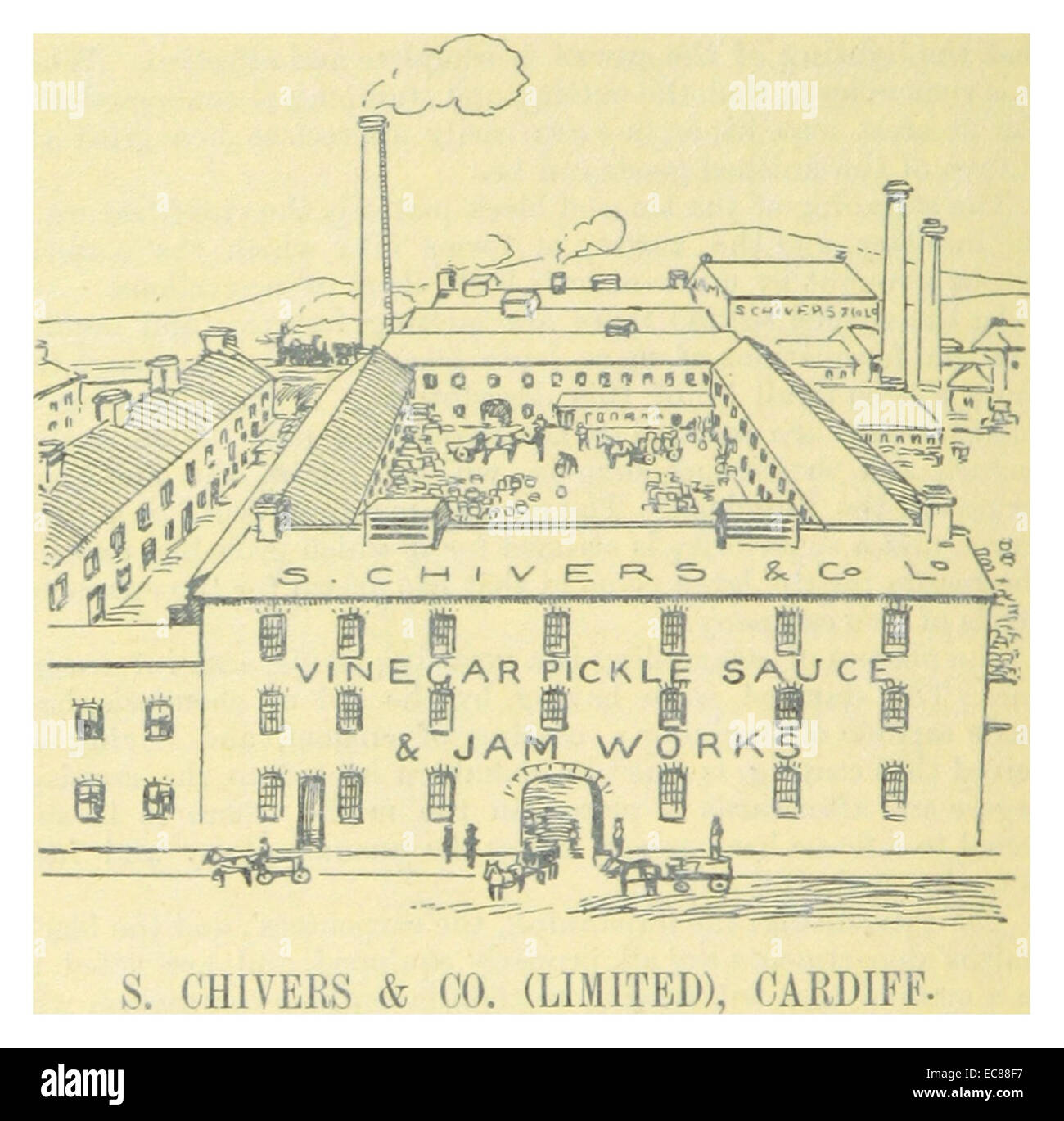
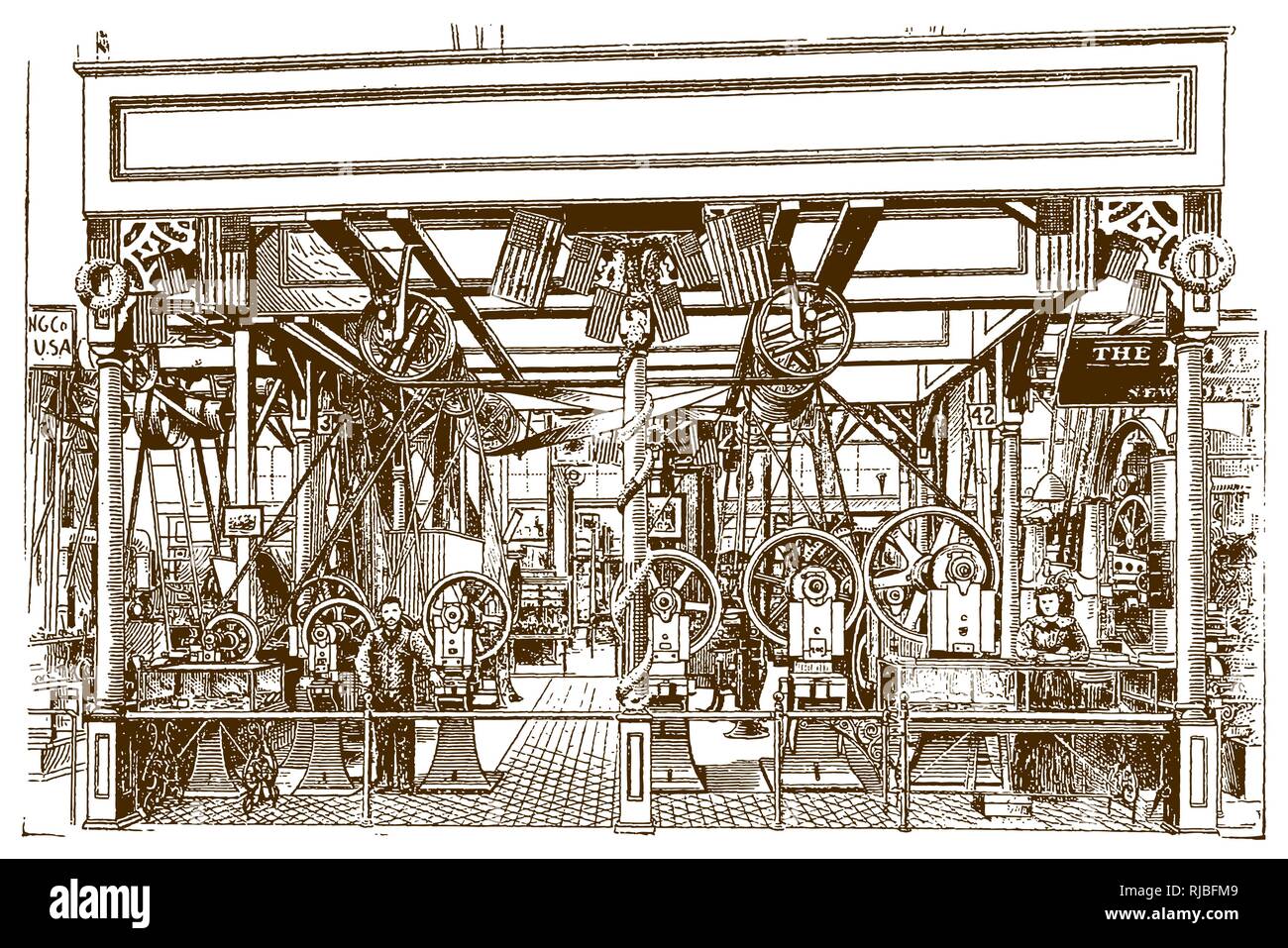
The century began with manufacturing largely anchored in localized cottage industries, where artisans produced goods by hand within small workshops. As mechanization advanced, the invention of the steam engine, power looms, and advanced metallurgical techniques catalyzed the rise of the factory system. Water and coal power freed industrial output from geographical constraints related to rivers, allowing factories to concentrate near urban centers and transportation hubs.
This technological pivot drastically altered labor dynamics and capital requirements. Factory owners required substantial upfront investment to acquire heavy machinery, construct large production facilities, and secure continuous supplies of raw materials like coal and iron. Consequently, the scale of enterprise expanded exponentially. Work became heavily specialized, transitioning from the holistic craftsmanship of an individual artisan to assembly-line precision and repetitive task execution. Labor unions began to emerge as workers organized to demand better wages, shorter hours, and safer working conditions amid the grueling realities of 19th-century industrial labor.
The Transportation Revolution: Canals, Steamships, and Railroads
Economic expansion during this period relied fundamentally on the unprecedented acceleration of logistics and communication. At the start of the 1800s, moving heavy freight overland was slow and cost-prohibitive, relying on horse-drawn wagons over poorly maintained roads. The construction of canals, most notably the Erie Canal completed in 1825, drastically lowered transportation costs and linked agrarian interiors to coastal ports.
However, the definitive catalyst for commercial integration was the railroad. Iron and later steel rail networks spanned continents, shrinking vast distances and enabling the year-round, reliable movement of perishable goods, raw materials, and manufactured products. Concurrently, steamships replaced wooden sailing vessels on oceans and major rivers, standardizing international trade schedules. These integrated networks birthed the concept of national markets, allowing businesses to centralize production in massive facilities while distributing goods to a broad consumer base without regional price fragmentation.
Legal Innovations: The Rise of the Modern Corporation and Limited Liability
To fund capital-intensive ventures like railways, canals, and large-scale steel mills, traditional partnership models—where individual owners risked personal bankruptcy for business debts—proved inadequate. Governments responded by overhauling corporate law. The widespread adoption of general incorporation statutes and the legal entrenchment of limited liability allowed entrepreneurs to raise capital from passive investors who risked only the capital they invested in shares.
| Business Model | Liability Protection | Capital Raising Capacity | Primary Operational Scope |
|---|---|---|---|
| Sole Proprietorship | None (Unlimited Personal Liability) | Extremely Limited (Personal and Family Wealth) | Local retail, craft workshops, small farms |
| Traditional Partnership | Joint and Several Liability | Moderate (Pooled Partner Assets) | Regional trading houses, law practices, merchant banks |
| Joint-Stock Corporation | Limited to Share Value | High (Public Share Issuance) | Railroads, insurance firms, heavy manufacturing |
| Modern Corporation | Limited Liability with Board Governance | Vast (Global Capital Markets and Retained Earnings) | Transnational conglomerates, steel trusts, utilities |
This structural shift facilitated the separation of ownership and control. Professional managers, rather than founding families, increasingly steered daily operations. Furthermore, the era witnessed the formation of aggressive corporate consolidation through trusts, cartels, and monopolies. Industrialists sought to control every stage of production—from raw material extraction to final retail distribution—pioneering vertical and horizontal integration strategies that reshaped global market competition.
Financing Industrial Growth: Banking, Stock Exchanges, and Capital Markets
The sheer scale of 19th-century enterprise necessitated sophisticated financial architectures. Investment banking institutions grew in prominence, acting as intermediaries between capital-surplus regions—particularly in Western Europe, led by London—and capital-deficit development projects worldwide, including American railways and Latin American infrastructure.
Stock exchanges, such as the New York Stock Exchange and the London Stock Exchange, transformed from exclusive clubs of brokers into vibrant public marketplaces where ordinary citizens and institutional funds traded corporate equities. Business valuation shifted from tangible assets alone to projected earnings, market share, and intangible goodwill. Paper currency, commercial paper, and checks largely replaced specie (gold and silver coins) in day-to-day wholesale transactions, while central banks developed mechanisms to manage liquidity crises and stabilize national credit systems against periodic financial panics.
Marketing, Retail Evolution, and the Birth of Consumer Culture
As manufacturing capacity outpaced basic demand, businesses had to invent modern marketing and retail strategies to dispose of surplus goods. The latter half of the century saw the birth of the department store in major urban centers, offering centralized shopping under one roof with fixed pricing, which eliminated the traditional practice of haggling.
Simultaneously, mail-order catalogs revolutionized rural commerce, allowing isolated farm families to purchase manufactured goods, clothing, and tools delivered directly via the newly expanded postal and rail systems. Branded consumer goods emerged, supported by national advertising campaigns disseminated through newspapers and illustrated magazines. Trademark laws were strengthened to protect brand identity, shifting consumer loyalty from unbranded bulk commodities to standardized, factory-packaged goods backed by corporate reputations for quality and reliability.
Frequently Asked Questions About 19th Century Business
How did businesses finance their operations before modern venture capital?
19th-century enterprises relied heavily on self-funding, retained earnings, family wealth, and local commercial bank loans. For large-scale infrastructure and industrial ventures, promoters utilized joint-stock corporations to sell shares directly to the public through emerging stock exchanges or relied on elite investment bankers to underwrite corporate bonds.
What role did the telegraph play in 1800s commerce?
The electric telegraph revolutionized business operations by decoupling communication speed from physical transportation. Merchants and industrialists could coordinate shipments, monitor distant inventory levels, lock in commodity prices across different continents, and manage far-flung corporate subsidiaries in real time rather than waiting weeks for mail delivery.
How did the concept of limited liability change entrepreneurship?
Limited liability protected personal assets from business bankruptcy, encouraging risk-averse investors to fund ambitious industrial projects. This legal shield democratized investment, allowing pools of capital to form from thousands of small shareholders, which funded capital-intensive sectors like railroads and heavy manufacturing.
Were there antitrust laws during the 19th century?
Yes, due to public outcry over the unchecked market power of massive monopolies and trusts (such as Standard Oil and various railroad cartels), the United States passed the Sherman Antitrust Act in 1890. This legislation aimed to prohibit anti-competitive business practices and curb monopolistic control over trade, marking the beginning of modern government regulatory oversight in the marketplace.
What were the primary labor conditions in 19th-century factories?
Factory workers typically endured 10-to-16-hour workdays, six days a week, in noisy, poorly ventilated, and frequently dangerous environments. Child labor was common in textile mills and coal mines due to lower wage costs. These harsh conditions eventually galvanized the formation of trade unions and labor activism, leading to gradual legislative protections regarding workplace safety and maximum hours.
Strategic Historical Analysis and Next Actions
Researchers and historians examining 19th-century business structures should consult primary archival collections, such as corporate minute books, contemporary trade journals, shipping manifests, and legislative records housed in national libraries and university archives. To deepen comparative analysis of industrialization, examine regional variations between British, American, and continental European corporate law and banking practices during the second industrial revolution.