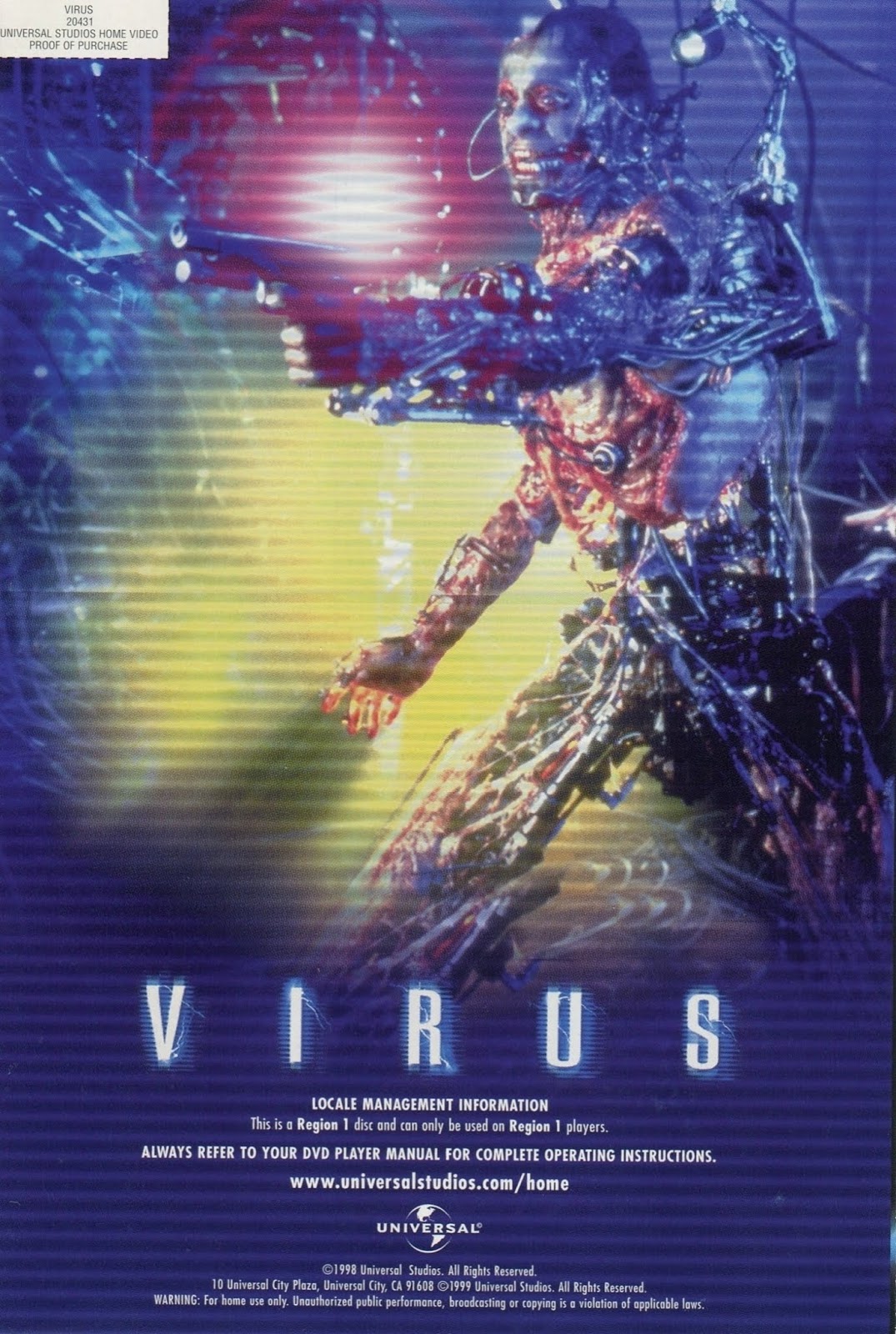
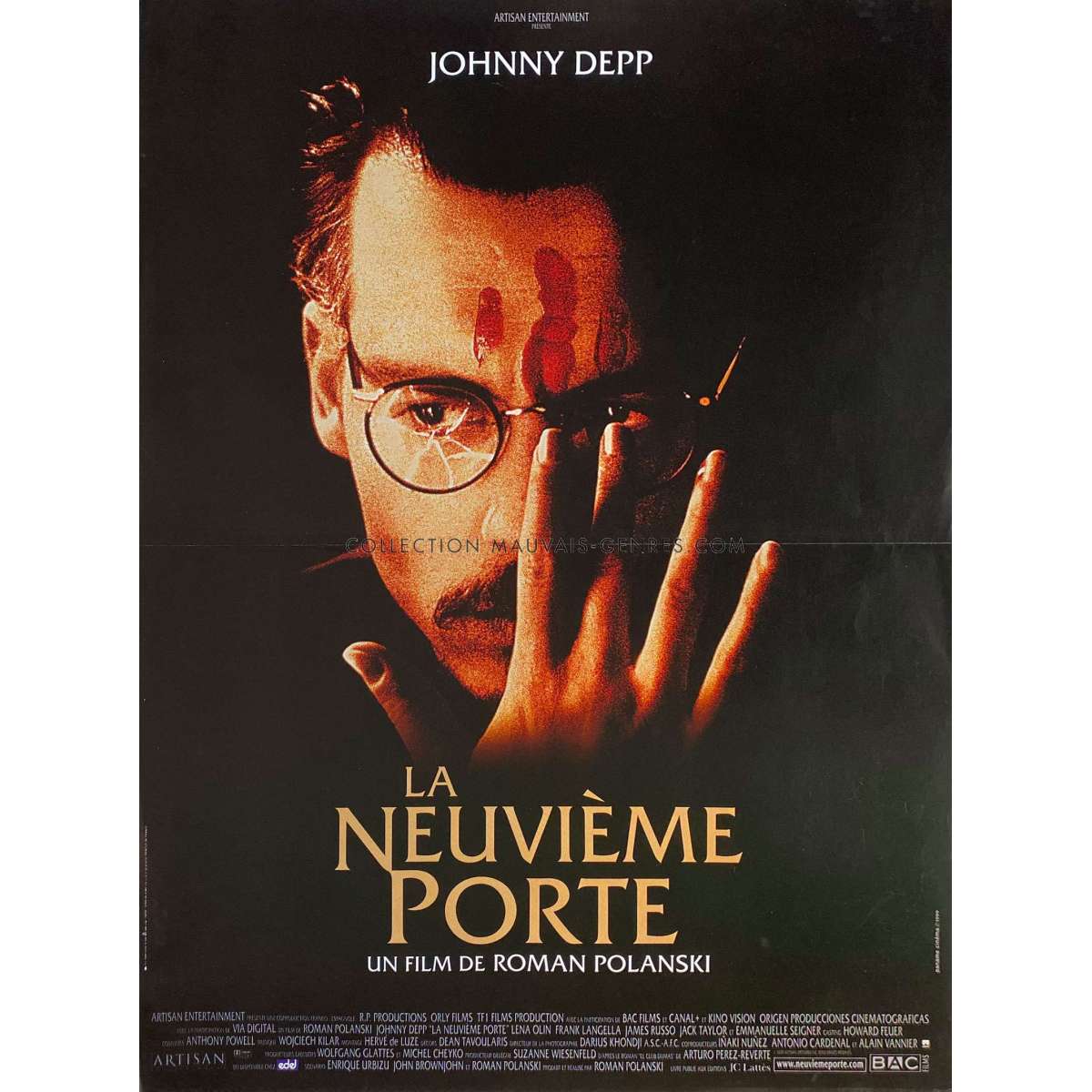
The year 1999 stands as one of the most transformative watersheds in modern cinematic history, marked by an unprecedented confluence of technological disruption, bold auteur-driven risk-taking, and millennial anxiety that fundamentally reshaped studio slates and independent distribution alike.
The Cultural and Technological Milestones of 1999 Cinema
To understand why the 1999 film slate remains a persistent touchstone for cinephiles, industry analysts, and cultural historians, one must examine the specific socio-technological pressure cooker of the late 1990s. As Western society careened toward the turn of the millennium, widespread cultural anxiety regarding digital integration, institutional collapse, and the impending Y2K bug infiltrated the collective artistic subconscious. Studios simultaneously found themselves flush with cash from booming home video markets and theatrical box office receipts, affording them the capital to greenlight risky, high-concept, mid-budget projects that modern risk-averse studio executives rarely touch.
Unlike the heavily franchised, intellectual property-driven cinematic ecosystem of the modern era, the 1999 film landscape thrived on original screenplays and startlingly distinct visual aesthetics. Digital editing technology was maturing rapidly, allowing for complex narrative structures and groundbreaking visual effects, while independent cinema was experiencing a post-Sundance renaissance. This unique economic and creative climate enabled filmmakers to challenge traditional narrative conventions, subvert audience expectations, and explore taboo subjects with unprecedented commercial backing.
Paradigm-Shifting Sci-Fi and Technological Paranoia
The late-decade preoccupation with digital reality and human obsolescence manifested most powerfully in speculative fiction and psychological thrillers released during this twelve-month window. The Wachowskis redefined action choreography and philosophical sci-fi with The Matrix, a landmark feature that fused Hong Kong wire-work traditions, anime aesthetics, and cyberpunk philosophy into a seamless cultural phenomenon. By questioning the very nature of human perception and physical reality, the film anticipated the digital dependency of the twenty-first century.
Simultaneously, David Fincher’s Fight Club translated Chuck Palahniuk’s subversive novel into a blistering critique of consumer capitalism, corporate ennui, and toxic masculinity. Its unreliable narrator and shocking narrative twists captured the psychological fracturing of a generation raised on advertising and white-collar alienation. Other speculative works, such as David Cronenberg’s eXistenZ and Brad Bird’s animated masterpiece The Iron Giant, further interrogated the uneasy relationship between humanity, machinery, and sovereign identity, creating a rich tapestry of paranoid cinema.
The Independent Renaissance and Micro-Budget Disruptions
While major studios backed high-concept spectacles, the independent sector proved that raw innovation could supersede massive budgets. The release of The Blair Witch Project revolutionized independent distribution, marketing, and the mockumentary subgenre. Utilizing the nascent power of the internet for viral marketing before social media existed, the micro-budget horror film grossed hundreds of millions of dollars worldwide and proved that authentic-feeling terror could be manufactured with a fraction of a studio's catering budget.
| Film Title | Director | Primary Genre | Estimated Budget | Box Office Gross |
|---|---|---|---|---|
| The Matrix | Lana & Lilly Wachowski | Sci-Fi / Action | $63 million | $466 million |
| The Blair Witch Project | Daniel Myrick & Eduardo Sánchez | Horror / Found Footage | $60,000 | $248 million |
| American Beauty | Sam Mendes | Drama / Satire | $15 million | $356 million |
| Fight Club | David Fincher | Psychological Thriller | $63 million | $101 million |
| Magnolia | Paul Thomas Anderson | Ensemble Drama | $37 million | $48 million |
Beyond found-footage horror, auteur-driven dramas flourished under independent and specialty studio banners. Paul Thomas Anderson’s sprawling, multi-narrative epic Magnolia showcased the emotional interconnectivity of disparate lives in the San Fernando Valley, while Alexander Payne’s Election redefined the political satire through a biting, darkly comedic lens focusing on high school student government. These projects demonstrated that adult-oriented, character-driven storytelling could command critical adoration and commercial viability.
Domestic Satire and Subversive Suburban Dramas
A prominent subset of 1999 cinema turned its critical lens inward, dismantling the myth of the American nuclear family and suburban tranquility. Sam Mendes made his feature directorial debut with American Beauty, a film that swept the Academy Awards by pairing corrosive satire with lush cinematography to skewer mid-life crises and middle-class complacency. The film's commercial dominance highlighted a public appetite for dark, cynical examinations of domestic life.
Similarly, Sofia Coppola’s debut feature, The Virgin Suicides, established a distinct visual and atmospheric vocabulary characterized by ethereal melancholy, pastel aesthetics, and a deep empathy for adolescent female interiority. These domestic dramas rejected tidy moral resolutions in favor of ambiguous, lingering emotional resonance, proving that mainstream audiences were willing to engage with cinematic melancholy and structural critique.
The Legacy of 1999 in Modern Film Production
Examining the lasting legacy of the 1999 film landscape reveals profound lessons for contemporary filmmakers navigating an era dominated by streaming algorithms and cinematic universes. The sheer density of culturally enduring titles from that single year—including works by master directors like Stanley Kubrick with Eyes Wide Shut and Martin Scorsese with Bringing Out the Dead—underscores the value of creative risk. When studios balance commercial imperatives with artistic experimentation, they create works capable of withstanding decades of technological and cultural shifts. Modern producers looking to recapture that lightning-in-a-bottle cultural relevance often study the structural independence, narrative daring, and thematic urgency that defined the final year of the twentieth century.
Frequently Asked Questions
Why is the 1999 film year considered so important in cinema history?
The year 1999 is celebrated because an unusually high concentration of critically acclaimed, culturally influential, and commercially successful films were released simultaneously. This included paradigm-shifting blockbusters like The Matrix, disruptive independent milestones like The Blair Witch Project, and biting satirical dramas like American Beauty, all reflecting the anxiety and technological transition of the impending new millennium.
What were the major box office hits of 1999?
The highest-grossing film globally in 1999 was Star Wars: Episode I – The Phantom Menace, which capitalized on immense anticipation to dominate worldwide box office charts. Other massive commercial successes included The Sixth Sense, The Matrix, Toy Story 2, and The Mummy, spanning multiple genres and demographic targets.
How did independent films change the landscape in 1999?
Independent cinema proved that low-budget filmmaking could achieve massive cultural penetration and financial returns. The Blair Witch Project pioneered internet-based viral marketing and popularized the found-footage horror subgenre, while specialty divisions of major studios successfully championed riskier auteur projects like Fight Club and Magnolia.
Did 1999 feature notable directorial debuts?
Yes, 1999 marked the impressive feature-film debuts or breakout sophomore projects of several major contemporary directors. Sofia Coppola introduced her distinct cinematic voice with The Virgin Suicides, Sam Mendes transitioned from theater to film with American Beauty, and Spike Jonze delivered a remarkably inventive vision with Being John Malkovich.
How did Y2K anxiety influence the movies of 1999?
Millennial anxiety, skepticism toward institutional authority, and fears surrounding technological dependency heavily colored the thematic content of 1999 releases. Films like The Matrix, eXistenZ, and Office Space directly addressed systemic alienation, digital surveillance, and the psychological weight of modern labor and technology just as the calendar prepared to turn.
Navigating and Studying Classic Cinema from 1999
For researchers, film students, and enthusiasts seeking to deeply engage with this historic cinematic period, begin by curating a cross-genre watchlist that balances blockbuster spectacles with independent releases. Access physical media releases and supplementary documentaries to examine production contexts, audio commentaries, and archival interviews with key creators. Prioritize contextualizing each film within its late-1990s sociopolitical environment to fully grasp how aesthetic innovation and industrial pressures converged to produce one of the greatest years in motion picture history.