The cinematic landscape of 1999 delivered an extraordinary collection of movies, anchored by casts that blended rising young talents with established icons to define a monumental cultural turning point. From groundbreaking science fiction and psychological thrillers to biting teen satires and gritty independent dramas, the ensemble configurations of this era established benchmarks for character-driven storytelling that continue to influence modern Hollywood casting practices, performance styles, and pop culture nostalgia.
The Paradigm Shift in Late-90s Cinema and Casting Dynamics
The year 1999 stands as a legendary watershed moment in film history. It arrived at the cusp of a new millennium, a period defined by societal anxiety, technological acceleration, and a cultural appetite for subversion. Casting directors and studios found themselves navigating a transitional phase where traditional movie-star formulas began merging with edgier, riskier casting choices. Instead of relying solely on bankable single-name leads, productions leaned heavily into dynamic ensemble casts that could carry complex, high-concept narratives. This shift allowed character actors, stage veterans, and fresh faces to share screen time with major headliners, creating a rich texture of performances that elevated ordinary scripts into cinematic touchstones.
This evolution in casting philosophy was largely driven by changing audience expectations. Moviegoers in the late 1990s were increasingly drawn to stories that questioned institutional authority, explored existential dread, and deconstructed societal norms. Consequently, the actors selected to embody these roles needed to project a specific blend of vulnerability, cynicism, and charisma. Studios took bigger risks on unconventional pairings, leading to chemistry-driven ensembles that felt authentic rather than manufactured. Examining these casts provides a clear window into how Hollywood talent acquisition transformed just before the digital boom fundamentally altered the entertainment industry.
Groundbreaking Sci-Fi and Psychological Ensembles
No discussion of 1999 cinema is complete without examining the mind-bending science fiction and psychological thrillers that dominated the box office and cultural discourse. These films required casts capable of grounding utterly fantastical or deeply unsettling premises in emotional reality. The demand for absolute commitment from actors working against green screens or within intricate, claustrophobic psychological frameworks pushed performers to adapt quickly to evolving cinematic technologies.
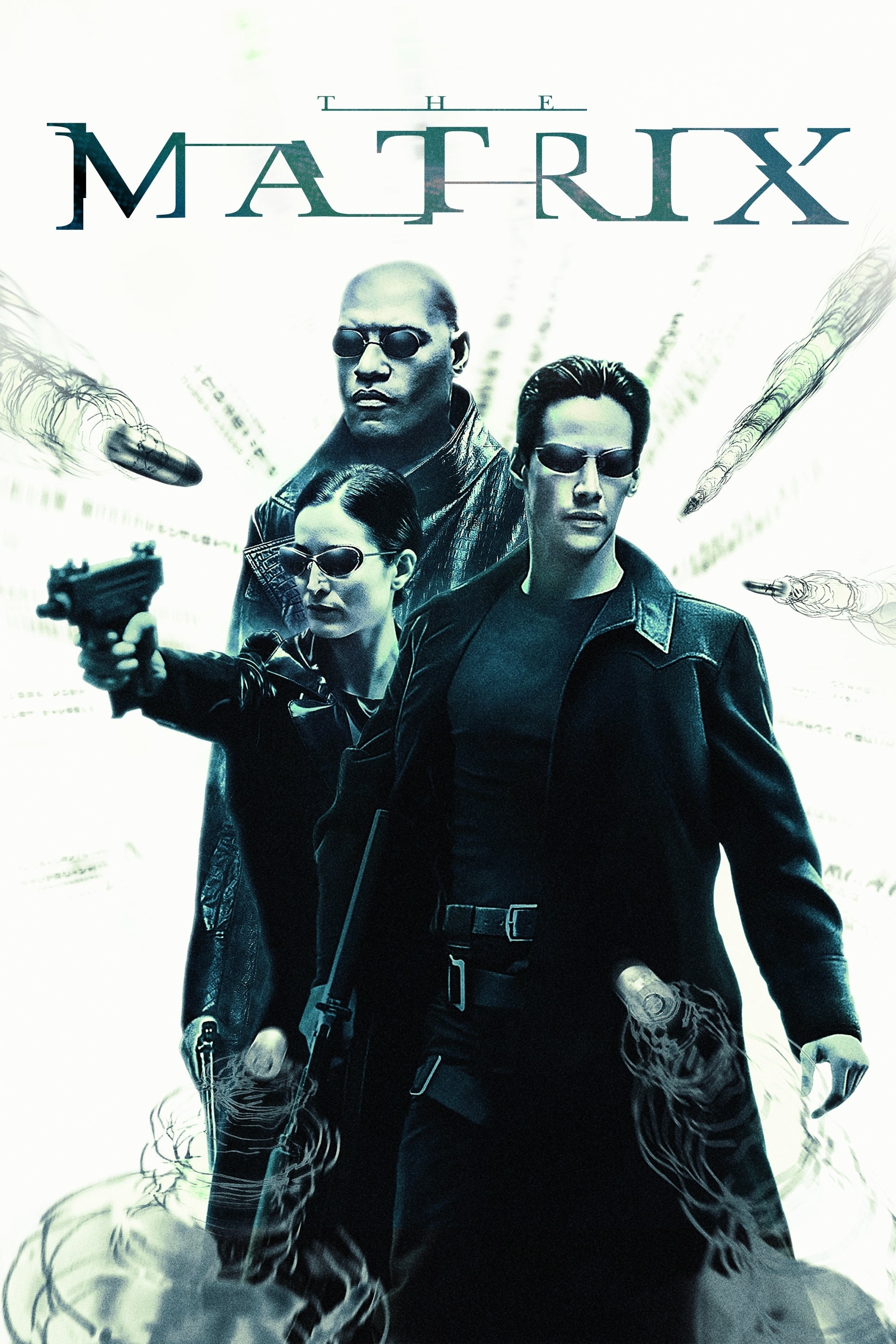
The definitive sci-fi milestone of the year brought together a precise mix of physical actors and dramatic heavyweights. Keanu Reeves anchored the production as Neo, supported by Laurence Fishburne, Carrie-Anne Moss, and Hugo Weaving. This principal lineup required an intense physical regimen combined with philosophical delivery, creating an iconic dynamic of mentor, chosen one, warrior, and antagonist. Similarly, psychological dramas and thrillers of that year relied on tight, adversarial ensembles where the tension hinged entirely on micro-expressions, verbal sparring, and shifting power dynamics between characters trapped in extraordinary circumstances.
| Film Title | Primary Ensemble Members | Genre Focus | Notable Casting Significance |
|---|---|---|---|
| The Matrix | Keanu Reeves, Laurence Fishburne, Carrie-Anne Moss, Hugo Weaving | Sci-Fi / Action | Blended martial arts choreography with philosophical exposition through iconic lead chemistry. |
| Fight Club | Brad Pitt, Edward Norton, Helena Bonham Carter, Jared Leto | Psychological Drama | Utilized dual-personality casting mechanics to explore consumerist alienation and toxic masculinity. |
| The Sixth Sense | Bruce Willis, Haley Joel Osment, Toni Collette, Olivia Williams | Supernatural Thriller | Balanced major star power with powerhouse child acting and intimate maternal dramaturgy. |
| Magnolia | Tom Cruise, Julianne Moore, Philip Seymour Hoffman, Jason Robards | Ensemble Drama | Interwove multiple parallel storylines using an expansive, prestige character-actor roster. |
Defining Teen Satires and Coming-of-Age Castings
While high-concept thrillers captured the existential anxieties of the era, another powerful casting trend centered on youth culture, high school environments, and romantic comedies. The late 1990s experienced a massive boom in teen-focused cinema, largely rooted in classic literary adaptations, edgy gross-out comedies, and sharp-witted satires. Casting directors during this period curated pools of young talent that would go on to dominate Hollywood for the next two decades, transforming recurring television actors into bonafide silver-screen stars.
These coming-of-age casts succeeded by balancing archetype with subversion. Instead of casting one-dimensional popular kids and predictable outsiders, casting agents sought performers who could inject genuine wit, insecurity, and nuance into familiar tropes. The resulting films captured the paradoxical confidence and insecurity of adolescent life. This generation of actors established a blueprint for teen casting that favored relatable imperfection over polished glamour, allowing audiences to see reflections of their own social anxieties on screen.
Prestige Ensembles and Character-Driven Masterpieces
Beyond commercial blockbusters and youth-oriented hits, 1999 was an exceptional year for prestige cinema, independent features, and sprawling character studies. These productions relied on ensemble casts comprising legendary veterans alongside fearless modern practitioners of the craft. The meticulous assembly of these casts ensured that even minor supporting roles carried immense narrative weight, turning conversational scenes into masterclasses of screen acting.
Working within these intricate scripts required actors to possess deep technical versatility. Whether portraying corporate whistleblowers, struggling suburbanites, or eccentric historical figures, the casts of these prestige pictures demonstrated how ensemble synergy could elevate a screenplay into a lasting work of art. The deliberate pacing and focus on interpersonal conflict gave performers the space to build complex psychological profiles, setting a high standard for dramatic ensemble construction that contemporary prestige television later inherited.
Retrospective Impact and Career Trajectories of the 1999 Ensembles
Looking back from 2026, the long-term career trajectories of the actors who populated the 1999 film landscape offer fascinating insights into the lifecycle of Hollywood talent. Many breakout stars from that year successfully transitioned from youthful heartthrobs or indie darlings into respected industry veterans, producers, and Academy Award winners. Their early chemistry in these late-90s projects laid the foundation for enduring professional reputations and creative partnerships that lasted decades.
Furthermore, these casts serve as a historical bridge between the studio system of the 20th century and the franchise-dominated landscape of the 21st. The ability of these actors to navigate both major studio tentpoles and gritty independent projects highlighted a versatility that modern casting directors continue to value. Analyzing how these ensembles were constructed reveals enduring lessons about star power, screen chemistry, and the timeless importance of rigorous script interpretation.
Frequently Asked Questions
What made the film casting choices of 1999 unique compared to previous decades?
The casting choices of 1999 stood out because they successfully bridged traditional Hollywood star power with the rising demand for gritty realism, irony, and psychological complexity. Studios became more willing to back unconventional leading actors and diverse ensemble configurations that reflected shifting cultural attitudes toward authority, identity, and technology at the turn of the millennium.
Which major breakout stars were launched by films released in 1999?
Several actors achieved mainstream breakthrough status or elevated their careers significantly through prominent roles in 1999 releases. This group includes rising young talents who transitioned from television to film, as well as character actors who secured defining prestige roles that established their reputations as cinematic heavyweights.
How did the rise of high-concept science fiction in 1999 influence casting requirements?
High-concept science fiction and action films of that year required actors to undergo rigorous physical training while maintaining emotional resonance within artificial environments. Performers needed to combine traditional dramatic skill with physical stunt coordination, setting a new standard for action-oriented character work.
Why do critics frequently single out 1999 as a banner year for cinematic ensembles?
Critics highlight 1999 because an unusual concentration of culturally defining films premiered within a twelve-month window, each featuring exceptionally well-balanced casts. The synergy between sharp screenplays, visionary direction, and precise ensemble casting created enduring classics across multiple genres simultaneously.
What lessons can modern casting directors learn from late-1990s ensemble films?
Modern casting directors can learn the value of prioritizing chemistry and psychological nuance over pure box-office name recognition. The success of 1999 ensembles demonstrates that audiences respond strongly to well-rounded supporting casts that ground high-concept or unconventional narratives in authentic human interactions.
Navigating Cinematic History and Modern Re-Evaluations
When exploring the cinematic output of 1999, viewers and researchers should approach these foundational films with an appreciation for the technological and cultural constraints of the era. To deepen your understanding, seek out original behind-the-scenes documentaries, casting director interviews, and retrospectives that examine how these legendary ensembles were assembled, and apply these insights when analyzing modern casting trends.