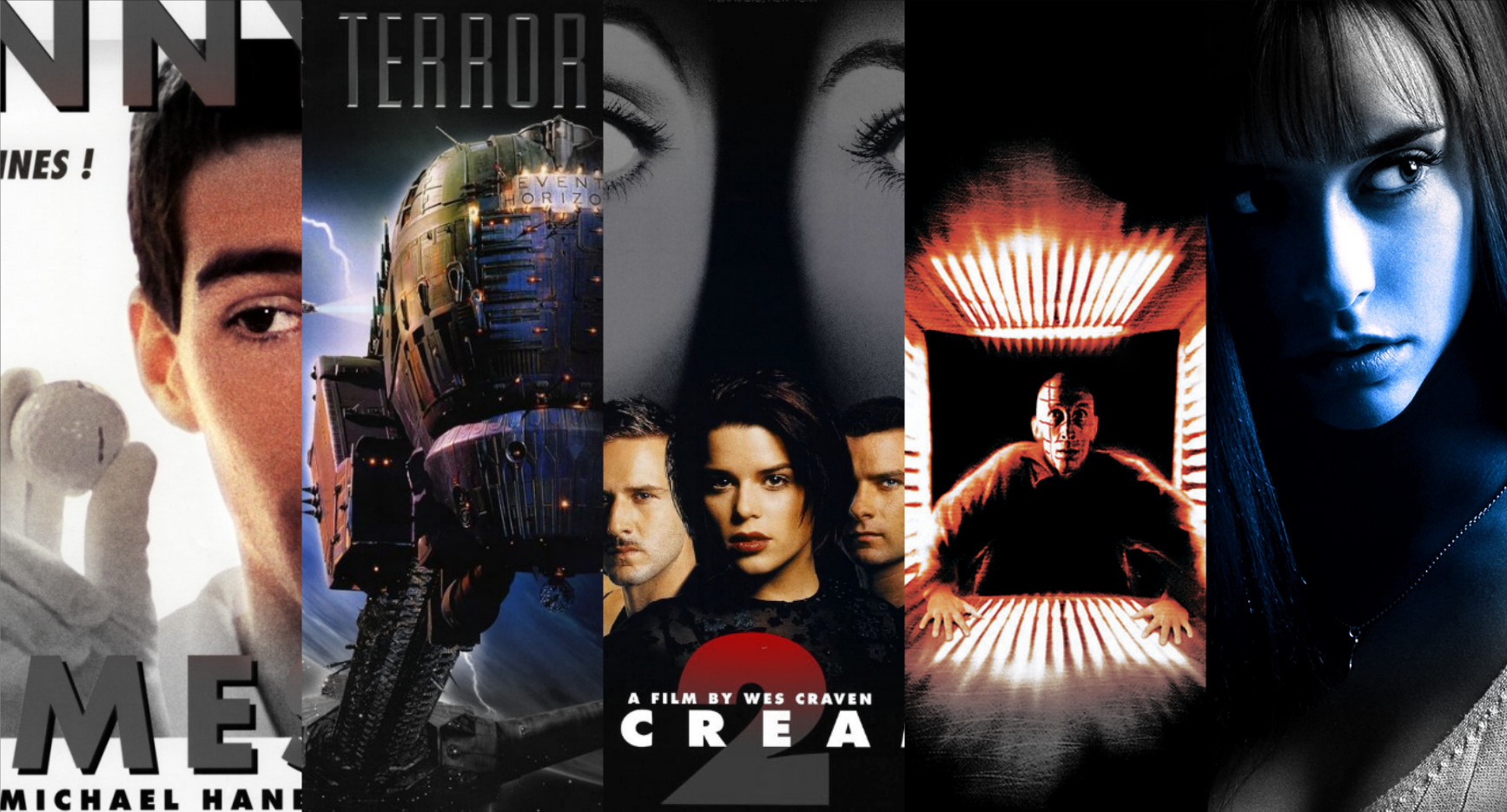
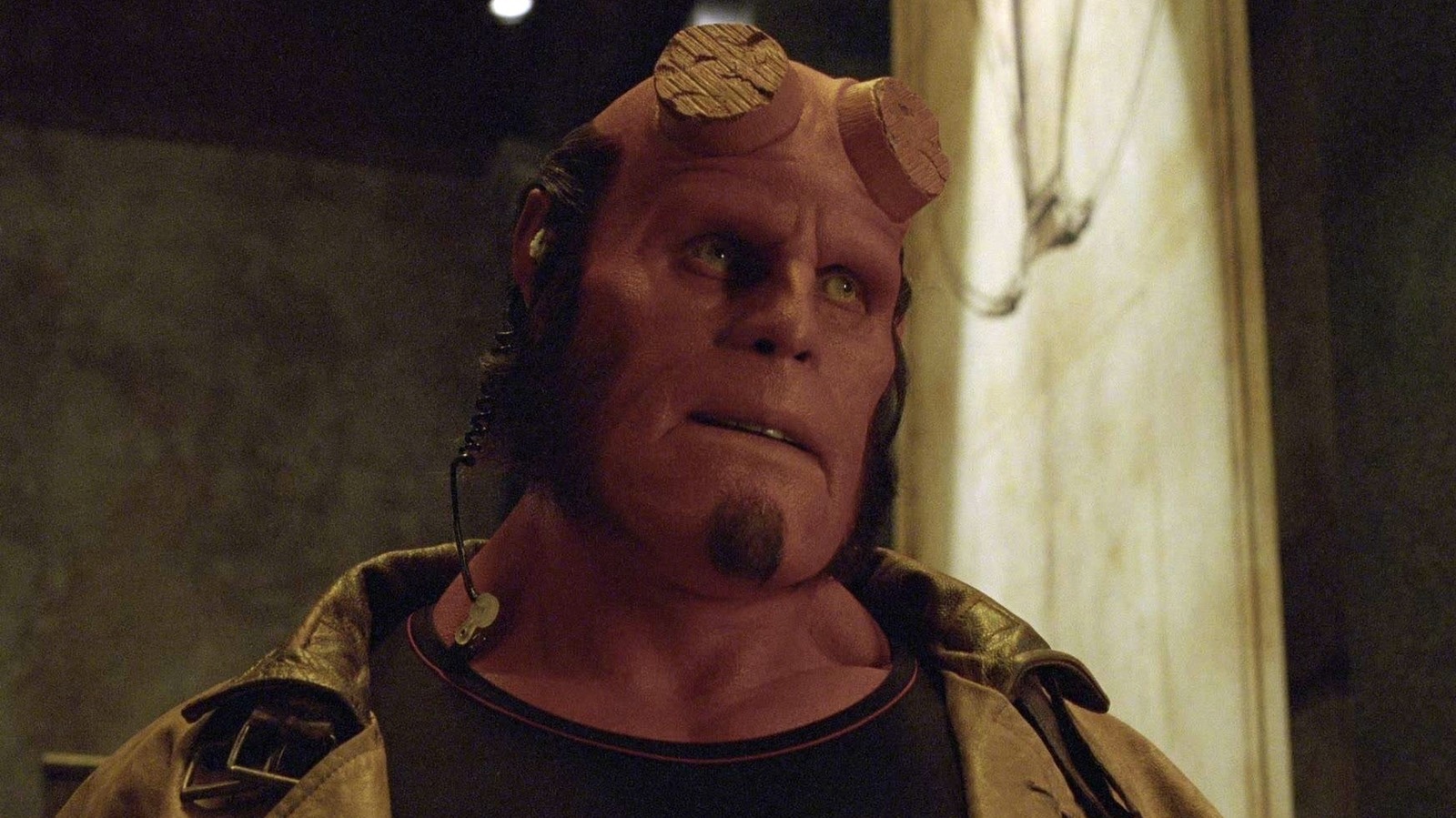
The year 1997 represented a crucial transitional phase for horror cinema, bridging the self-referential post-modernism of the mid-1990s with the international influences and psychological dread that would define the turn of the millennium. Sandwiched between the box-office dominance of 1996's Scream and the arrival of high-concept Japanese horror and gritty independent productions, 1997 forced the genre to reinvent its formulas, shifting away from standard slasher tropes toward techno-horror, satirical meta-fiction, and atmospheric creature features.
Navigating the Post-Scream Landscape
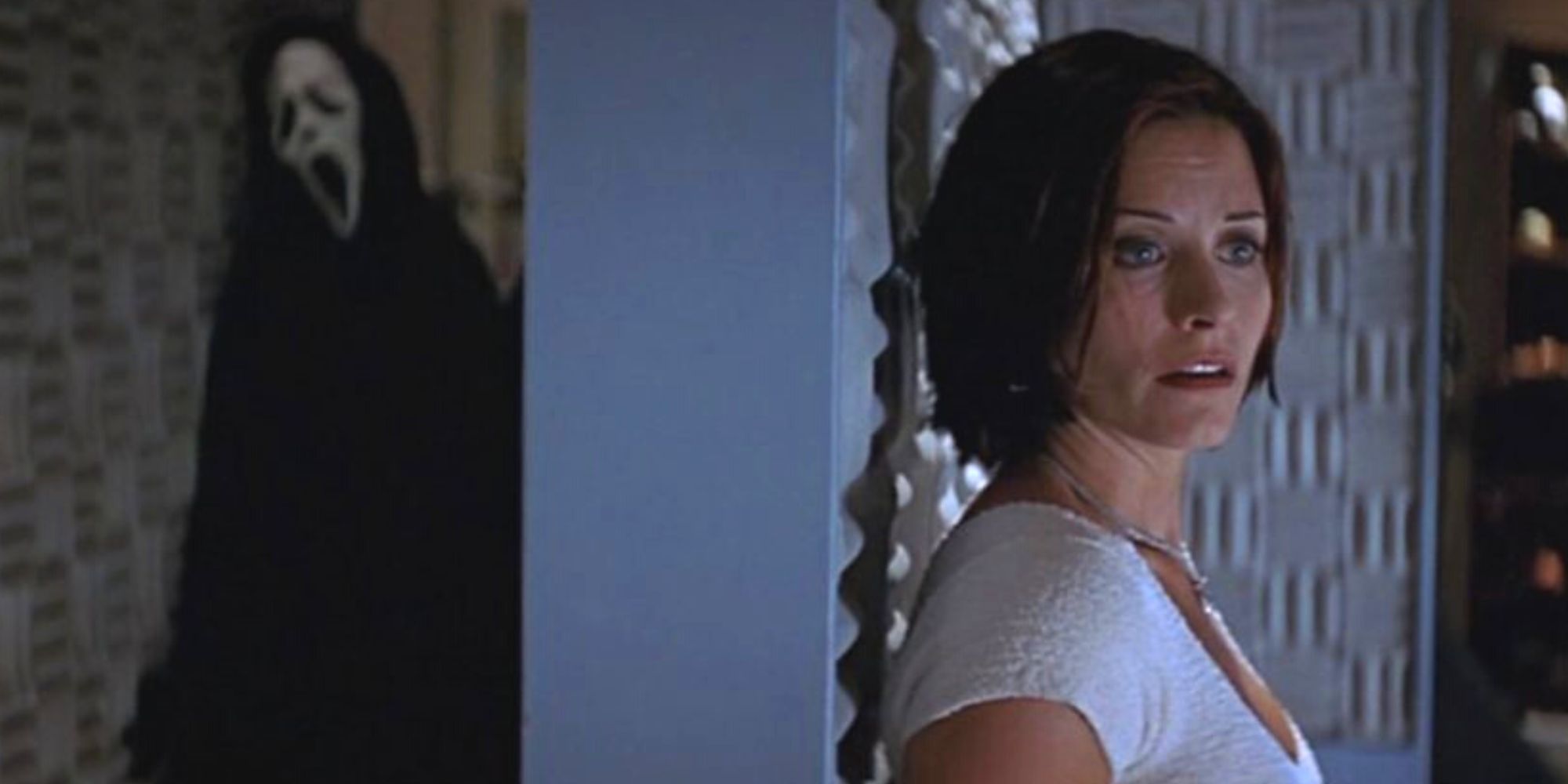
Following the massive commercial success of Wes Craven’s Scream, Hollywood rushed to capitalize on the formula of self-aware teenagers, witty dialogue, and masked killers. However, 1997 quickly demonstrated that replicating that specific lightning strike required more than just a cast of recognizable young television stars and a sharp script. Studios greenlit numerous projects designed to capture the teen horror demographic, leading to both calculated cash-grabs and surprisingly durable genre entries.
The most notable release of this wave was I Know What You Did Last Summer, scripted by Scream writer Kevin Williamson. Directed by Jim Gillespie, the film relied on a seaside urban legend, an ensemble cast featuring Jennifer Love Hewitt and Sarah Michelle Gellar, and a brooding antagonist wielding a fisherman’s hook. While critics noted its adherence to standard slasher templates, the film resonated with audiences, proving that the teen-slasher boom had staying power.
Conversely, other entries from that year struggled to find equilibrium between irony and genuine terror. Films like Wishmaster leaned heavily into practical creature effects and dark fantasy, while sequels such as The Lost Boys: The Tribe or lower-budget direct-to-video titles showed the limits of the post-modern trend. Filmmakers quickly realized that audiences were already growing weary of predictable ironic detachment, setting the stage for a search for alternative modes of fright.
Technological Anxieties and Techno-Horror
As society approached the year 2000, public anxiety regarding computers, digital surveillance, and the looming Y2K bug began to infiltrate popular culture. Horror cinema in 1997 reflected these anxieties, exploring how emerging technology could be weaponized or how isolation could be amplified through digital networks. This subgenre laid conceptual groundwork for the modern digital thriller, examining the vulnerability of human bodies within hyper-connected systems.
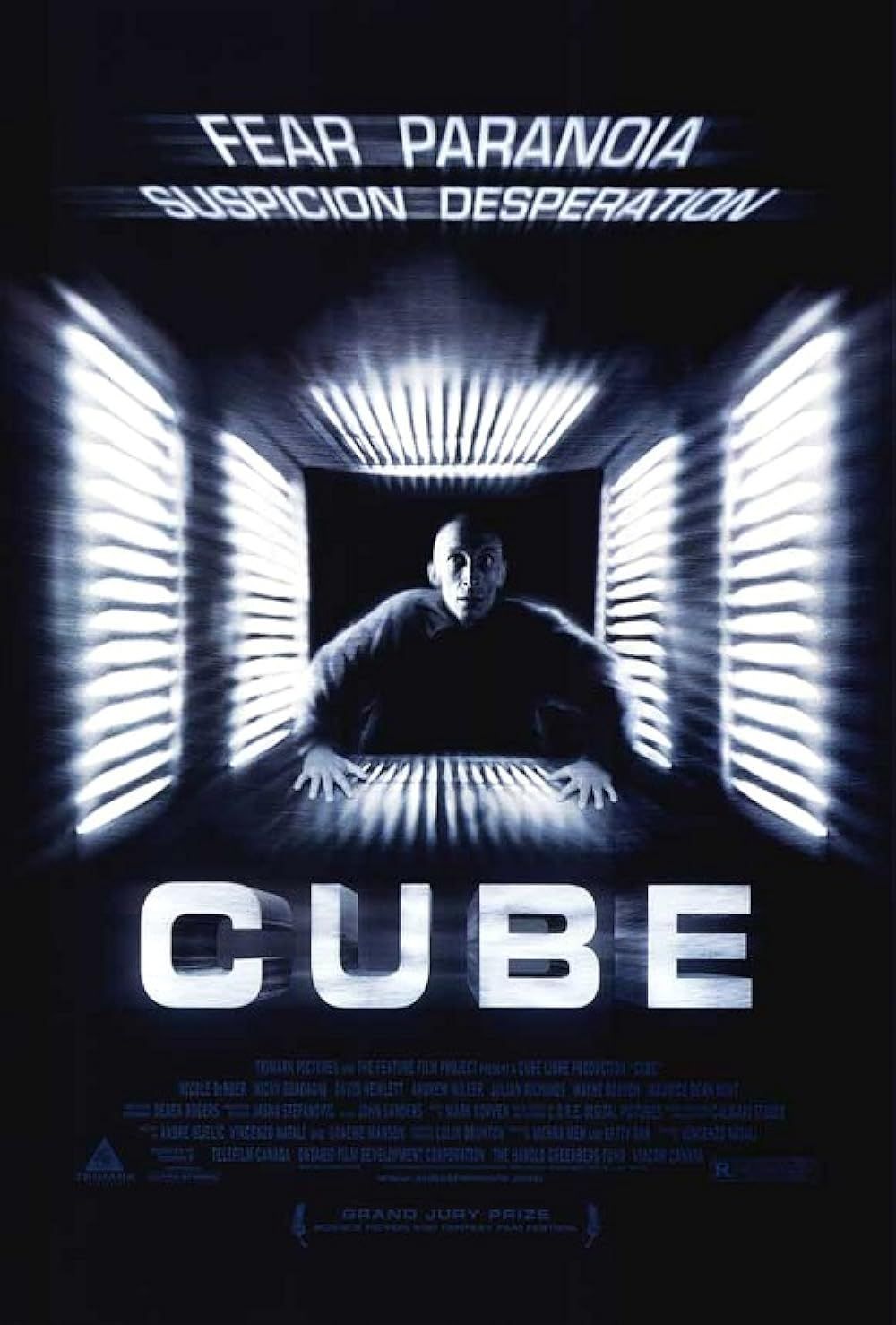
Guillermo del Toro’s Mimic explored subterranean terrors born from genetic engineering, blending urban realism with insectoid body horror. The film captured a claustrophobic, decaying New York City where human technological intervention backfired catastrophically. Similarly, psychological science-fiction horror hybrid Cube, directed by Vincenzo Natali, utilized a minimalist technological setting to test the limits of human paranoia. Though released in Canada in 1997 before its wider international rollout, Cube presented a sterile, high-tech labyrinth where mathematical puzzles were as lethal as any conventional monster.
| Film Title | Primary Subgenre | Key Technological or Thematic Element | Notable Release Context |
|---|---|---|---|
| I Know What You Did Last Summer | Teen Slasher | Urban legends, hidden guilt, cellular isolation | Capitalized on the post-Scream teen demographic surge |
| Cube | Sci-Fi Horror / Psychological | Mathematical traps, architectural dystopia, paranoia | Acclaimed indie production exploring systemic confinement |
| Mimic | Creature Feature / Sci-Fi | Genetic engineering, urban ecology, insect mutation | Studio-backed monster feature directed by Guillermo del Toro |
| Anaconda | Creature Feature / Adventure | Rainforest expedition, animatronic effects, survival | Commercial blockbuster blending action with giant animal horror |
| Wishmaster | Dark Fantasy / Slasher | Djinn mythology, elaborate practical makeup effects | Produced by Wes Craven, highlighting practical gore |
The Resurgence of the Creature Feature and Blockbuster Scares
While gritty independent projects and teen thrillers dominated discussions, 1997 also saw major studios investing heavily in high-budget creature features. These films relied on a mix of cutting-edge computer-generated imagery and traditional animatronics, striving to deliver visceral thrills on a grand scale.
Director Luis Llosa’s Anaconda became a major box-office success by transporting audiences deep into the Amazon rainforest. Featuring an all-star cast including Jennifer Lopez, Ice Cube, and Jon Voight alongside a massive animatronic snake, the film embraced a campy, roller-coaster aesthetic. It demonstrated that audiences still hungered for traditional monster-in-the-wild narratives, provided the execution delivered sufficient spectacle and tension.
At the same time, science fiction and horror continued their traditional overlap. Ridley Scott’s Alien influence echoed through various space-bound thrillers, while terrestrial monster movies reminded viewers that nature itself could harbor ancient horrors. These blockbusters provided a counterbalance to the ironic dialogue-heavy slashers, proving that visceral, high-stakes survival horror remained a viable theatrical commodity.
International Currents and Independent Subversion
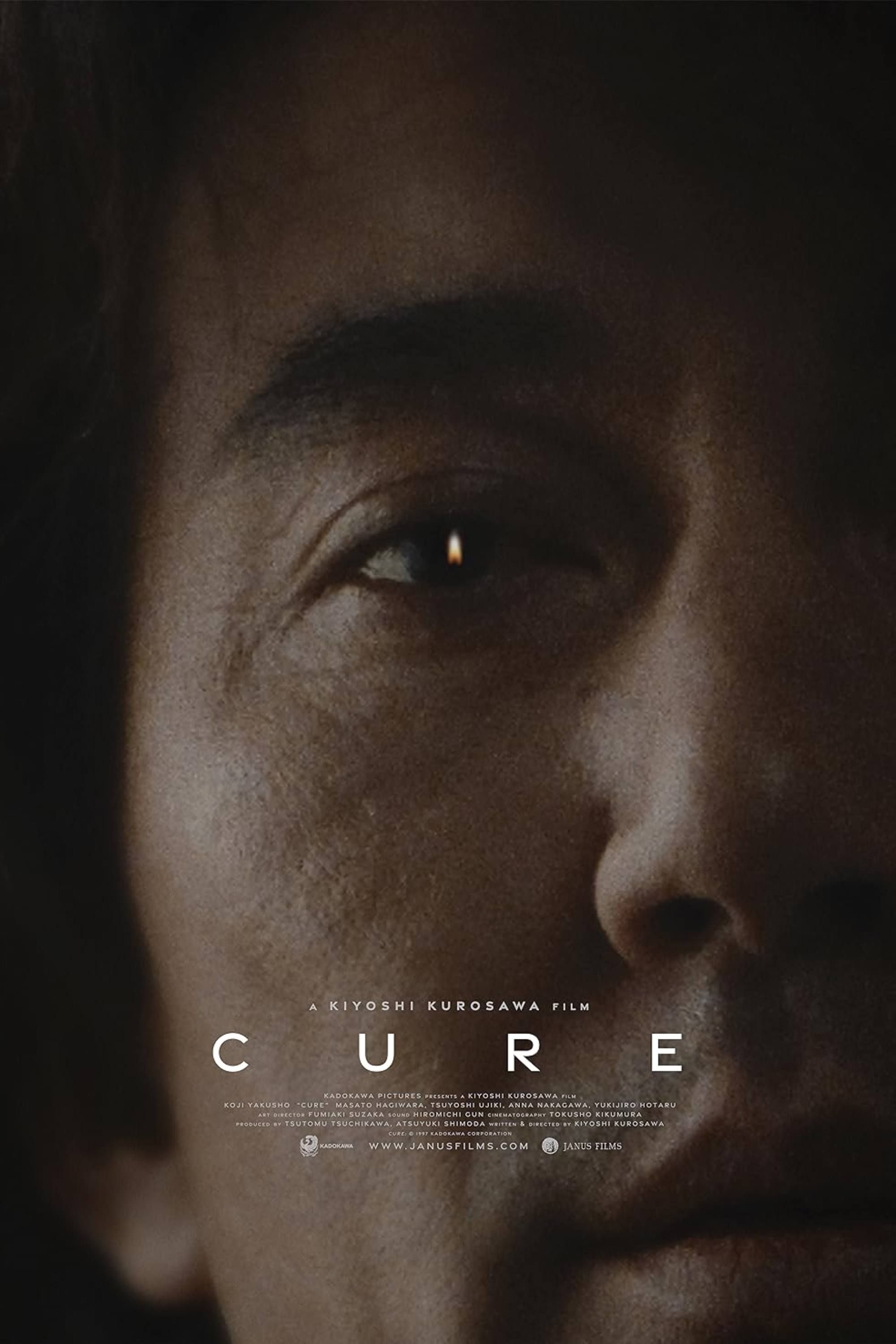
While Hollywood focused on teens and giant reptiles, international cinema was quietly preparing a seismic shift that would redefine global horror preferences by the end of the decade. The groundwork laid in the late 1990s, particularly in East Asia, emphasized ghostly hauntings, psychological trauma, and folkloric dread over fast-paced jump scares or cynical meta-commentary.
Independent American filmmakers also sought alternatives to studio formulas. Micro-budget productions explored gritty realism and psychological breakdown, utilizing handheld cameras and naturalistic dialogue to unnerve viewers. This underground circuit preserved a sense of transgressive danger that mainstream studio releases occasionally smoothed over for PG-13 or sanitized R ratings. The friction between commercial viability and artistic extremity defined the era's independent landscape, giving voice to creators who viewed horror as a vehicle for social commentary rather than mere kinetic diversion.
Why 1997 Remains a Crucial Study for Horror Historians
For contemporary genre scholars and fans, examining 1997 horror provides a clear window into a turning point where cinema struggled to balance past traditions with future anxieties. The tension between self-aware parody and earnest terror forced filmmakers to experiment with tone, narrative structure, and visual effects.
Understanding this era helps clarify why subsequent movements—such as the early 2000s J-horror remakes and the rise of elevated indie horror—took the paths they did. The exhaustion of the post-slasher wave cleared a path for slower, more atmospheric storytelling. By analyzing the commercial hits, the forgotten misfires, and the stylistic experiments of 1997, observers can trace the exact evolutionary steps that led to modern horror aesthetics.
Frequently Asked Questions
What defined horror films released in 1997?
Horror in 1997 was defined by a transition away from pure post-modern meta-commentary toward teen slashers, technological anxieties, and high-budget creature features. Studios tried to replicate the success of 1996's Scream, while independent and international directors explored science-fiction hybrids and psychological dread.
Was Scream 2 released in 1997?
Yes, Scream 2 premiered in theaters in December 1997, exactly one year after the original film. Directed by Wes Craven and written by Kevin Williamson, it successfully subverted sequel tropes while maintaining the box-office momentum of the franchise.
How did technology influence 1997 horror movies?
As the year 2000 approached, films like Cube and Mimic tapped into anxieties regarding digital systems, genetic manipulation, and sterile urban confinement, establishing themes that would evolve into modern techno-horror.
What were the major box-office horror hits of 1997?
Major financial successes included I Know What You Did Last Summer, Scream 2, and the jungle adventure-horror film Anaconda, all of which drew large theatrical audiences and performed strongly globally.
Did 1997 feature any notable international horror releases?
While major international movements like the Japanese horror wave peaked slightly later, 1997 was part of a critical incubation period where global filmmakers began developing distinct regional styles focusing on folklore and psychological hauntings.
Strategic Viewing and Research Next Actions
To deepen your understanding of this cinematic period, start by viewing a cross-section of the era's defining titles—such as comparing the narrative structure of I Know What You Did Last Summer with the claustrophobic sci-fi design of Cube. Pay close attention to how practical effects transitioned into early digital integration. Consult retrospective film journals and historical box-office data to evaluate how studio marketing strategies shaped audience reception during a transitional year for the genre.