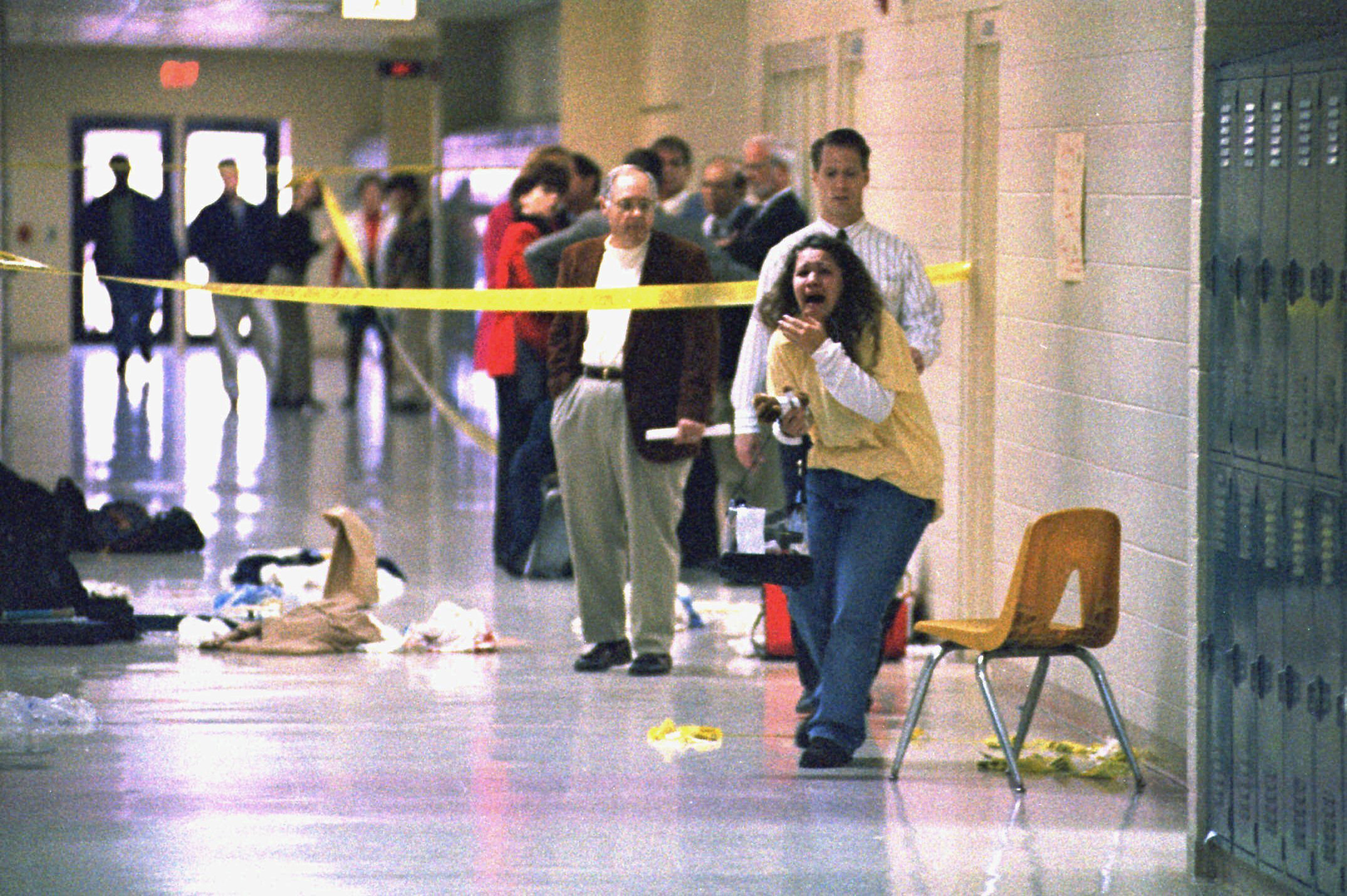
The year 1997 marked a significant inflection point in modern law enforcement and criminological history, characterized by a sharp, nationwide decline in violent and property offenses across the United States. While media coverage often focused on high-profile sensational events, aggregate data from the Federal Bureau of Investigation and the Bureau of Justice Statistics revealed a broader, systemic downturn that challenged conventional policing paradigms.
The Historical Context of 1997 Crime Rates
To understand the criminal landscape of 1997, one must examine the macroeconomic and social conditions of the late 1990s. Following the peak of urban violence and homicide rates during the late 1980s and early 1990s—largely driven by the crack cocaine epidemic and associated gang conflicts—the mid-to-late '90s saw a dramatic reversal.
According to the Federal Bureau of Investigation's (FBI) Uniform Crime Reporting (UCR) program, violent crime rates dropped significantly in 1997. Homicides, robberies, and aggravated assaults fell by double-digit percentages compared to figures from just five years prior. This unexpected decline puzzled sociologists and economists alike, as many previous models predicted that crime would continue to rise alongside urban expansion and demographic shifts.
Several primary hypotheses emerged to explain this trend:
- Economic Expansion: The robust economic growth of the 1990s created millions of entry-level jobs, reducing the economic desperation that often fuels property crime and opportunistic offenses.
- Shifts in Policing Strategies: Law enforcement agencies increasingly adopted data-driven initiatives, such as CompStat in New York City, emphasizing accountability, geographic mapping, and proactive intervention rather than reactive patrols.
- Demographic Changes: The aging of the baby boom generation and the relative shrinkage of high-crime demographic cohorts naturally reduced the pool of active offenders.
- Legislative Policies: The implementation of stricter sentencing guidelines, including federal and state "three strikes" laws enacted earlier in the decade, incarcerated high-frequency offenders for longer periods.
Major High-Profile Cases and Investigations
While macro-level statistics pointed toward a safer society, public attention in 1997 remained transfixed by several high-profile criminal investigations and trials that dominated news cycles. These cases tested the boundaries of media sensationalism, forensic science, and legal procedure.
The murder of 6-year-old beauty pageant contestant JonBenét Ramsey in Boulder, Colorado, in December 1996 remained a dominant fixture of 1997 crime reporting. The mishandling of the initial crime scene and the relentless media scrutiny exposed deep vulnerabilities in early investigative protocols involving child homicides.
In March 1997, the entertainment world experienced a profound shock with the drive-by shooting death of legendary rapper The Notorious B.I.G. (Christopher Wallace) in Los Angeles, occurring just months after the similarly unsolved murder of Tupac Shakur in 1996. These incidents highlighted the intersection of organized crime, celebrity culture, and inter-coast rivalry within the hip-hop industry, leaving investigative gaps that fueled decades of speculation and cold-case reviews.
On the counter-terrorism front, the legal proceedings surrounding the 1995 Oklahoma City bombing reached a critical juncture. The trial and subsequent conviction of Terry Nichols in late 1997 concluded the primary federal prosecutions related to the worst domestic terrorist attack in U.S. history, underscoring the federal government's expanding capabilities in prosecuting large-scale extremist conspiracies.
Comparative Overview of 1997 Crime Metrics
Analyzing the statistical reality of 1997 requires examining verified data compiled by federal agencies. The table below outlines the general trajectory of key index offenses reported during this period, reflecting the magnitude of the mid-decade shift.
| Offense Category | General Trend in 1997 | Primary Contributing Factors | Principal Investigative Challenges |
|---|---|---|---|
| Homicide | Significant Decline | Economic growth, targeted anti-gang policing | Urban drug markets, witness intimidation |
| Motor Vehicle Theft | Moderate Decrease | Widespread adoption of anti-theft steering locks and alarm systems | Chop shops, transnational export rings |
| Burglary | Steady Decrease | Improved residential security, community watch programs | Unforced entries, rapid resale of stolen goods |
| Robbery | Sharp Decline | Decreased street-level drug trade disputes | Transient offenders, limited physical evidence |
Technological and Forensic Advancements in 1997
The year 1997 also served as a technological bridge for law enforcement, transitioning from traditional investigative methods to modern, data-centric methodologies. The widespread deployment of digital databases fundamentally changed how agencies tracked repeat offenders and processed physical evidence.
DNA profiling, while discovered decades prior, became a standardized forensic tool during this era. The FBI’s Combined DNA Index System (CODIS) began its pilot phase and official rollout in the late 1990s, allowing state and local crime laboratories to exchange and compare DNA profiles electronically. This capability transformed cold-case investigations, enabling agencies to link serial offenders across different jurisdictions long before cross-state task forces could manually share paperwork.
Furthermore, the integration of early computerized dispatch and geographic information systems (GIS) allowed departments to allocate manpower based on real-time incident mapping rather than historical intuition. This technological shift laid the groundwork for predictive policing models utilized in the twenty-first century.
Methodological Limitations and Statistical Debates
Criminologists examining 1997 crime data often caution against accepting official figures without acknowledging structural limitations within the reporting systems. The two primary sources of data—the UCR (compiled from police reports) and the National Crime Victimization Survey (NCVS, compiled through household interviews)—frequently painted slightly different pictures of specific crime types.
Crimes involving low public reporting rates, such as domestic violence and sexual assault, faced significant underreporting in 1997 due to social stigmas, fear of police retaliation, and inadequate victim support structures. Consequently, while property and violent street crimes showed clear downward trends, hidden crimes remained difficult to quantify accurately. Additionally, variations in how individual police departments classified offenses made interstate comparisons complex, prompting the eventual transition toward the National Incident-Based Reporting System (NIBRS) in subsequent decades.
Frequently Asked Questions About 1997 Crime
What was the overall trend of crime rates in 1997?
Crime rates in 1997 experienced a significant, nationwide decrease across nearly all major categories, including violent and property offenses, continuing a downward trend that began in the mid-1990s.
Which high-profile murder case dominated the news in 1997?
The investigation into the 1996 murder of JonBenét Ramsey dominated 1997 media coverage, alongside the March 1997 murder investigation of rapper Christopher Wallace (The Notorious B.I.G.).
How did law enforcement technology change around 1997?
Law enforcement increasingly adopted computerized crime-mapping software, early geographic information systems, and the foundational elements of the FBI's CODIS DNA database during this period.
Were economic factors responsible for the drop in 1997 crime?
Economists and sociologists widely cite the strong economic expansion and low unemployment rates of the late 1990s as major contributors to the reduction in economically motivated offenses.
What federal trial concluded near the end of 1997?
The federal trial and sentencing proceedings for Terry Nichols, co-conspirator in the 1995 Oklahoma City bombing, concluded with his conviction on federal conspiracy and involuntary manslaughter charges in late 1997.
Evaluating Historical Crime Data for Research Purposes
Researchers, historians, and legal analysts examining the criminal landscape of 1997 should rely on archived reports from the Bureau of Justice Statistics and the FBI's historical UCR publications rather than contemporary journalistic accounts. Cross-referencing agency reports with academic journals from that era provides a balanced view of how criminologists interpreted the data in real-time, free from hindsight bias. When conducting historical analysis, verify whether data sources account for local reporting compliance changes to ensure accurate conclusions.